
The Most Healing Yoga Pose: Savasana and Beyond
Discover why Savasana is considered the most healing yoga pose. Learn how stillness resets your nervous system, reduces stress, and aids recovery.
When you think of Ayurveda, an ancient Indian system of holistic health that balances body, mind, and spirit through diet, herbs, and lifestyle. Also known as the science of life, it's not just about herbal teas and oils—it's a full way of living that’s been shaped over 5,000 years. Unlike quick-fix medicine, Ayurveda looks at why you feel off, not just what symptom you have. It divides people into three main energy types—Vata, the energy of movement, linked to air and space, often causing dryness, anxiety, or irregular digestion when out of balance, Pitta, the fire and water energy that drives metabolism, focus, and digestion, but can turn into anger or inflammation when too strong, and Kapha, the earth and water energy that brings stability, calm, and strength, but can lead to sluggishness or weight gain if it dominates. Your dosha isn’t just a label—it shapes how you eat, sleep, move, and even react to stress.
Ayurveda doesn’t ask you to overhaul your life overnight. It’s about small, smart tweaks. The Ayurvedic diet isn’t a low-carb or keto plan—it’s about eating what matches your body’s rhythm. That means warm, cooked meals for Vata, cooling foods for Pitta, and light, dry foods for Kapha. Timing matters too. Eating your biggest meal at noon, when digestion is strongest, isn’t a myth—it’s biology. And when it comes to Ayurvedic massage, a therapeutic practice using warm herbal oils to release tension, improve circulation, and calm the nervous system, it’s not just a spa treat. It’s a reset button for your energy. What you wear, how you prepare, and even how you breathe during it all play a role. Even the fruits you choose matter. The healthiest fruit in India isn’t just about vitamins—it’s about how it fits your dosha. Mangoes? Great for Kapha if eaten early. Papaya? A gentle cleanser for Pitta. Bananas? A grounding snack for Vata.
But Ayurveda isn’t magic. It has risks. Some herbal products carry heavy metals. Others clash with your blood pressure meds. That’s why knowing the difference between tradition and truth matters. You don’t need to choose between Ayurveda and modern medicine—you need to know how to use them together. Whether you’re trying to fix sleep, tame anxiety, or just feel more grounded, the real power of Ayurveda lies in listening to your body. The posts below cover exactly that: what to wear for a massage, how to spot high Vata before it hits you, why the 80/20 rule works better than perfection, and whether you can trust this system in today’s world. No fluff. Just clear, practical advice from real experiences.
Discover why Savasana is considered the most healing yoga pose. Learn how stillness resets your nervous system, reduces stress, and aids recovery.

Discover why Ayurveda advises against eating fruit at night. Learn how timing affects digestion, Dosha balance, and sleep quality, plus tips for healthy snacking.

Discover how to live long according to Ayurveda by balancing your doshas, following a daily routine, and using rejuvenating herbs. Learn practical tips for longevity.

Discover if Ayurveda is legal in the USA. We break down FDA rules, licensing hurdles, and how practitioners navigate the gray zone between medicine and wellness.
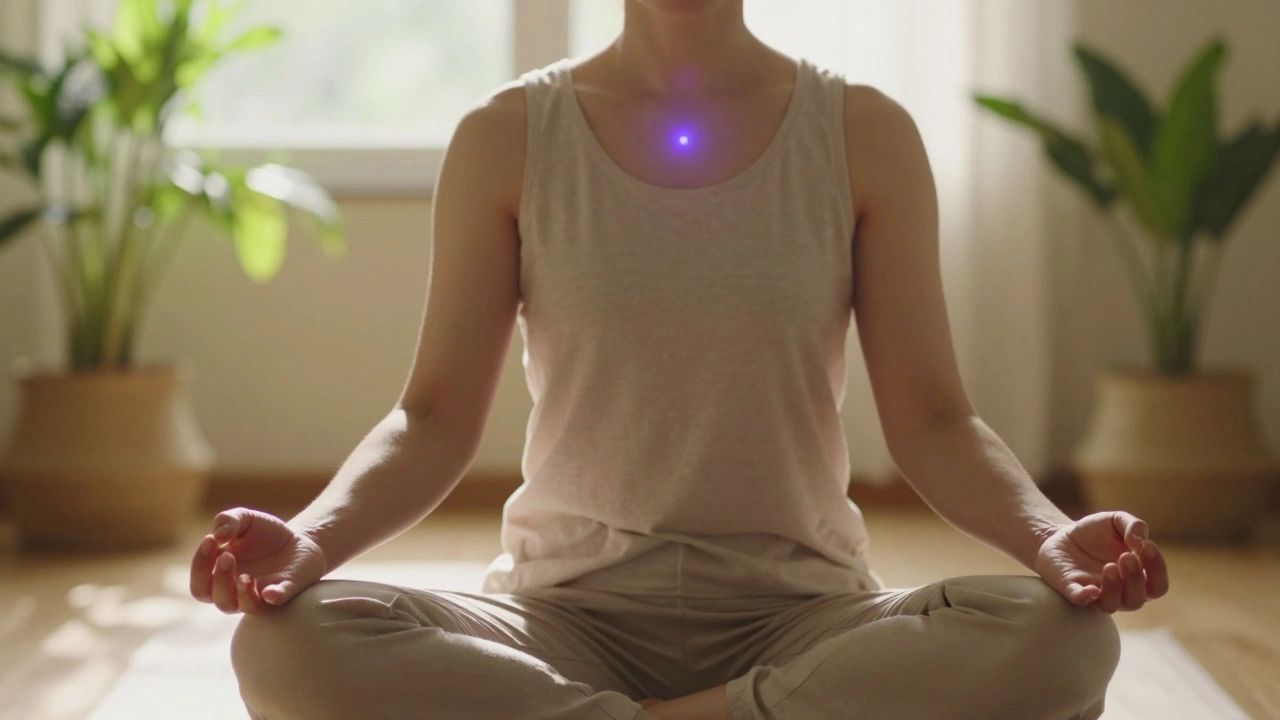
Discover practical steps to open your spiritual eyes and activate your Third Eye. Learn meditation techniques, yoga poses, and signs of awakening to enhance intuition and inner clarity.
Explore the real effectiveness of Ayurvedic medicine. We examine scientific evidence, safety risks like heavy metals, and how to integrate Ayurveda safely with modern healthcare for chronic pain and stress.

Discover who the God of Ayurveda is. Learn about Dhanvantari, his role in Hindu mythology, the churning of the ocean, and how his legacy shapes modern healing practices today.

Holistic and homeopathic are not the same. Holistic treats the whole person; homeopathy uses ultra-diluted remedies. Ayurveda is a holistic system with real herbs, not sugar pills. Understand the difference to choose the right path for your health.
Homeopathy and Ayurveda both claim to be natural healing systems, but they're built on completely different principles. Ayurveda uses herbs and lifestyle to balance the body. Homeopathy uses ultra-diluted substances with no proven effect.

Learn simple, effective Ayurvedic ways to remove excess vata from your body-through diet, oil massage, routine, and herbs. Restore balance, improve sleep, and calm anxiety naturally.

Ayurveda offers natural wellness, but hidden risks like heavy metals, herb-drug interactions, and unregulated products can be dangerous. Know the facts before you try it.

Learn how the 80/20 rule simplifies Ayurvedic practice, focusing on high-impact habits for dosha balance, diet, routine, and mindfulness.