Healing Yoga Pose Selector & Timer
Select a pose based on your current state. The tool will guide you through the recommended duration.
Savasana
Corpse Pose
Nervous System ResetBest for: General stress, fatigue, post-practice integration.
Child's Pose
Balasana
Spinal DecompressionBest for: Back pain, anxiety, overstimulation.
Legs-Up-The-Wall
Viparita Karani
Circulatory DrainageBest for: Swollen legs, insomnia, mild depression.
Bridge Pose
Setu Bandhasana
Heart OpeningBest for: Low energy, stiff chest, mild depression.
Pose Name
Recommended Duration
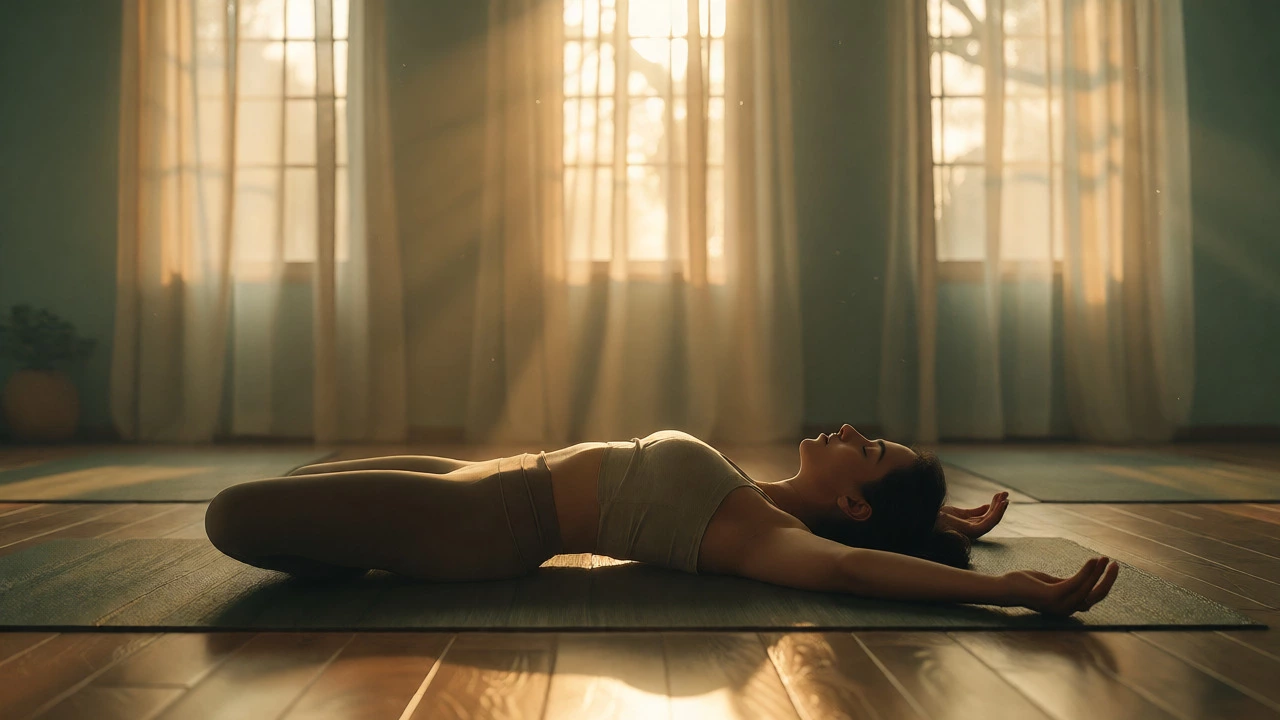
You might think the most healing yoga pose involves twisting your spine into a pretzel or balancing on one leg while holding your breath. But here is the twist: the pose that actually heals you the most isn't the one that makes you sweat. It’s the one where you do absolutely nothing. Savasana (Corpse Pose) is widely regarded by yogis and neuroscientists alike as the single most powerful tool for physical and mental recovery. Yet, many students rush through it, treating it as a mere transition to leaving the mat. That mistake costs you the actual benefit of the practice.
Why Doing Nothing Is Hard Work
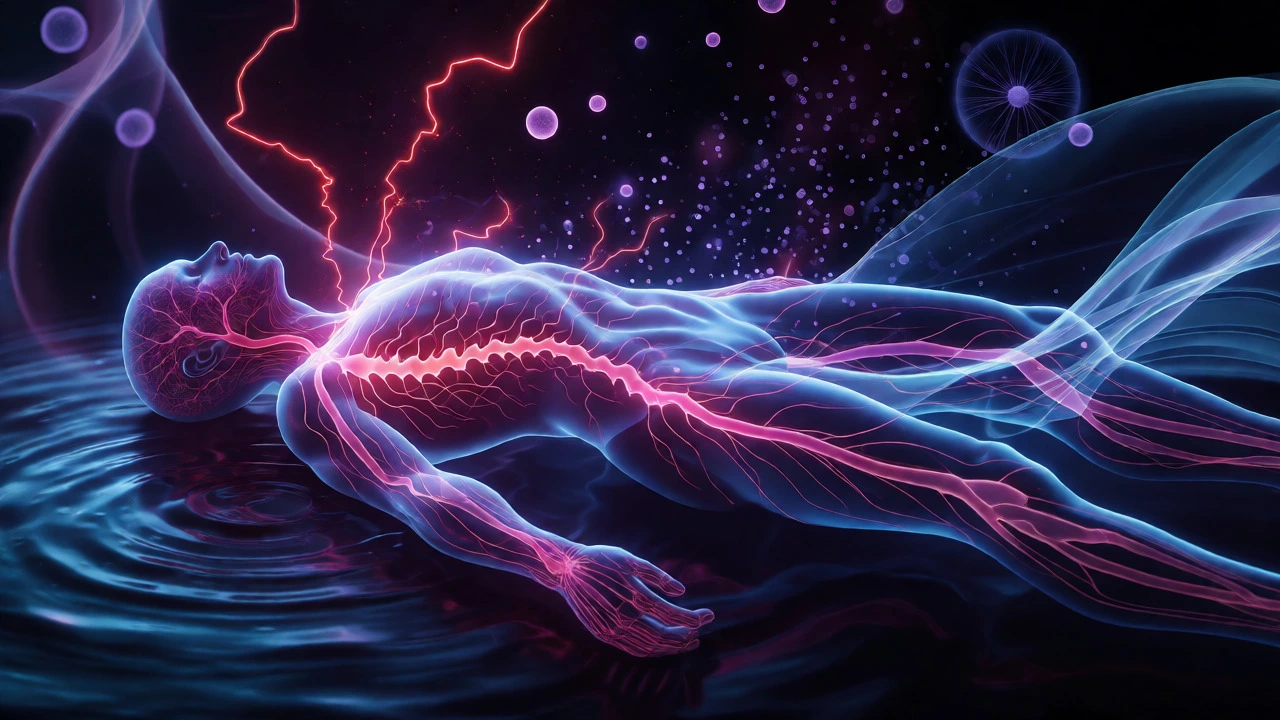
Let’s be real. Lying flat on your back sounds easy. You’ve been doing it since birth. But in the context of yoga, Savasana is active stillness. It requires you to switch from "doing" mode to "being" mode. This shift triggers the parasympathetic nervous system, often called the "rest and digest" state. When you engage this system, your heart rate slows, blood pressure drops, and cortisol levels decrease. This physiological change is what allows your body to repair tissues, consolidate memories, and process emotions.
If you skip this step, you leave the class with your sympathetic nervous system (fight or flight) still revved up. You carry that tension home. So, when people ask what the most healing pose is, they are really asking how to turn off the stress response. Savasana does exactly that. It acts as a reset button for your brain waves, moving them from high-frequency Beta waves (active thinking) to lower-frequency Alpha and Theta waves (relaxed awareness).
The Science Behind the Stillness
You don’t have to take my word for it. Research supports the idea that conscious relaxation reduces inflammation markers like C-reactive protein. A study published in the Journal of Alternative and Complementary Medicine found that participants who practiced guided relaxation techniques similar to Savasana showed significant improvements in anxiety and sleep quality compared to those who did not. The mechanism is straightforward: deep relaxation interrupts the cycle of chronic stress that wears down your immune system.
Think of your body like a smartphone. If you run heavy apps all day without closing them, the battery drains and the device overheats. Savasana closes the background apps. It gives your cells time to regenerate. Without this pause, even the most vigorous yoga practice can become another form of stress rather than a source of relief.
Beyond Corpse Pose: Other Contenders for Healing
While Savasana takes the crown for general restoration, other poses offer specific types of healing depending on your needs. If your stress is stored in your hips, Savasana won’t release it alone. You need targeted work. Here is how different poses stack up against each other based on their primary healing attributes.
| Pose Name | Primary Benefit | Best For | Duration |
|---|---|---|---|
| Savasana | Nervous System Reset | General stress, fatigue, post-practice integration | 5-10 minutes |
| Child's Pose (Balasana) | Gentle Spinal Decompression | Back pain, anxiety, overstimulation | 1-3 minutes |
| Legs-Up-The-Wall (Viparita Karani) | Circulatory Drainage | Swollen legs, insomnia, mild depression | 10-15 minutes |
| Bridge Pose (Setu Bandhasana) | Heart Opening & Energy Lift | Mild depression, low energy, stiff chest | 1-2 minutes |
Notice the difference? Child’s Pose is great if you feel overwhelmed and want to hide away. Legs-Up-The-Wall is fantastic if you’ve been standing all day or suffer from poor circulation. But neither provides the total systemic shutdown that Savasana offers. They are tools; Savasana is the workshop where the repairs happen.
How to Actually Heal in Savasana
Most people fail at Savasana because they fall asleep or start planning dinner. To make it truly healing, you need technique. First, lie on your back with legs extended and arms slightly away from your body, palms facing up. This open posture signals safety to your brain. Next, close your eyes. This simple act cuts off visual input, which accounts for a huge chunk of your sensory processing load.
Then, scan your body. Start at your toes and move upward. Consciously release tension in each area. Your jaw is usually tight-let it hang loose. Your shoulders creep toward your ears-drop them. Your forehead furrows-smooth it out. This body scan keeps your mind engaged enough to stay awake but relaxed enough to let go. Aim for five minutes minimum. Ten is better. Fifteen is transformative.
Troubleshooting Common Issues
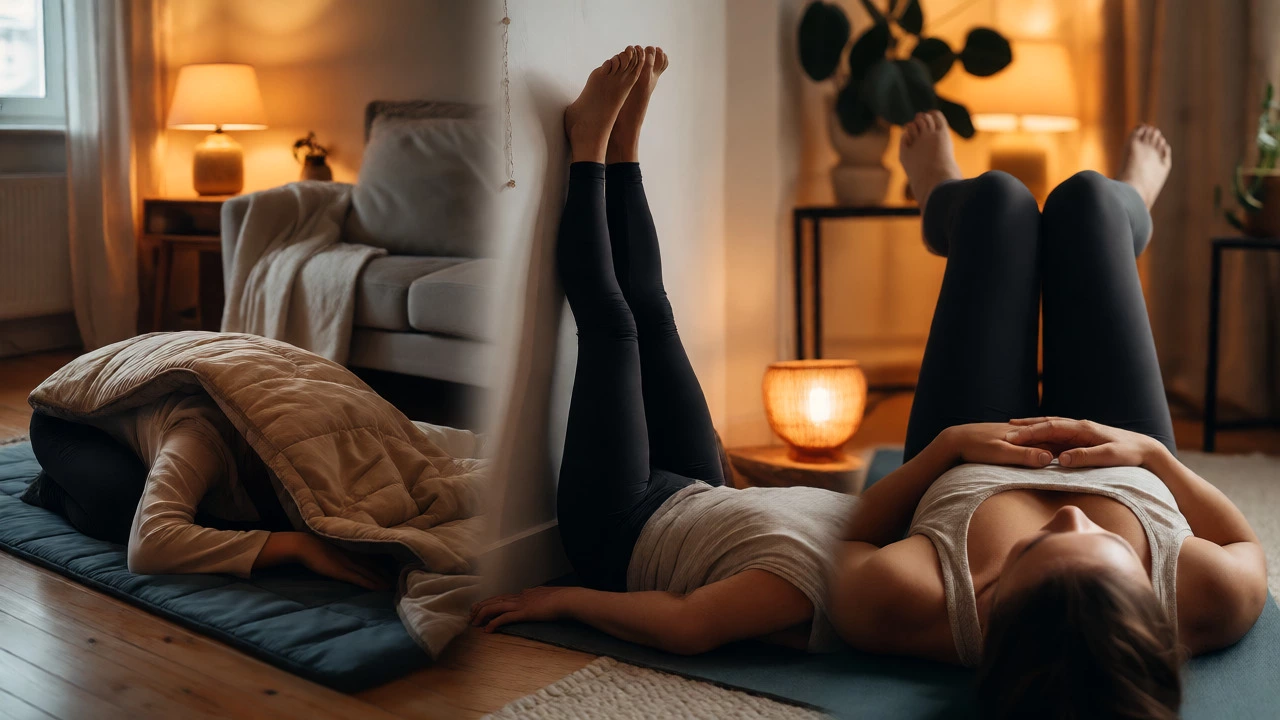
What if lying flat hurts your lower back? Place a bolster or folded blanket under your knees. This flattens the lumbar curve and relieves pressure. What if you feel anxious being still? Try placing a sandbag or heavy book on your belly. The weight provides proprioceptive feedback, grounding you and reducing the feeling of floating away. What if your mind races? Focus on the sensation of your breath entering and leaving your nostrils. Don’t control it; just watch it.
Remember, healing isn’t linear. Some days, ten minutes feels like an eternity. Other days, you’ll wake up from Savasana feeling like you slept for an hour. Both are valid. The goal isn’t perfection; it’s presence.
Integrating Healing Into Daily Life
You don’t need a yoga studio to access these benefits. You can practice a mini-Savasana at your desk. Sit back, close your eyes, and drop your shoulders for two minutes. Do it before bed to improve sleep quality. Use Child’s Pose during a stressful work call break. These micro-doses of relaxation add up. Over time, your baseline stress level lowers, making you more resilient to life’s challenges.
The most healing pose isn’t about flexibility or strength. It’s about permission. Permission to stop achieving. Permission to just exist. In a world that rewards busyness, choosing stillness is a radical act of self-care. So next time you roll out your mat, save the best for last. Let the stillness heal you.
Is Savasana really the most important part of yoga?
Yes, many experts consider it the most critical component. While physical postures (asanas) build strength and flexibility, Savasana integrates these benefits and activates the parasympathetic nervous system, allowing for true physical and mental recovery.
How long should I hold Savasana?
For therapeutic benefits, aim for at least 5 to 10 minutes. Beginners may find this difficult, so starting with 3 minutes and gradually increasing is fine. Longer holds (15-20 minutes) can induce deeper states of meditation and profound relaxation.
What if I fall asleep during Savasana?
Falling asleep indicates your body was severely sleep-deprived or exhausted. It’s not a failure, but try to stay conscious for the first few sessions to learn the skill of conscious relaxation. Once mastered, you can choose to sleep or remain awake.
Can I do healing poses every day?
Absolutely. Restorative poses like Savasana, Child’s Pose, and Legs-Up-The-Wall are gentle enough for daily practice. They support recovery and reduce stress without adding physical strain.
Does Savasana help with anxiety?
Yes. By shifting the nervous system from sympathetic (fight-or-flight) to parasympathetic (rest-and-digest), Savasana lowers cortisol levels and calms the mind, providing immediate relief from acute anxiety symptoms.