
Ayurveda Practice Risk & Compliance Calculator
Answer the following questions to analyze the legality and safety of your proposed practice model.
Compliance Analysis
Complete the steps to see your risk assessment and recommended legal pathway.
Recommended Pathway:
Imagine walking into a clinic in New York or Los Angeles, seeking relief from chronic pain or digestive issues, only to be told that the ancient healing system you trust is technically illegal. It sounds like a plot twist in a legal drama, but for many practitioners and patients, the reality of practicing Ayurveda in the United States is far more complex than a simple yes or no.
The short answer? Yes, you can practice Ayurveda in the USA. But it comes with a massive asterisk. Unlike India, where Ayurveda is a recognized medical system with its own universities and government oversight, the US treats it differently depending on who is doing the treating and what they are selling. If you are an American looking to hire a practitioner, or an Indian Vaidya (doctor) planning to move stateside, understanding these legal boundaries is crucial to avoid fines, shutdowns, or worse-harming a patient due to regulatory gaps.
The Legal Gray Zone: Medicine vs. Wellness
To understand why Ayurveda faces scrutiny in the US, we have to look at how American law defines "medicine." In the United States, the practice of medicine is strictly regulated by individual states. Generally, only licensed Medical Doctors (MDs) and Doctors of Osteopathic Medicine (DOs) can diagnose diseases, prescribe pharmaceutical drugs, and perform surgery. This creates a significant hurdle for Ayurvedic doctors holding an MD (Ayurveda) degree from India.
In the US, an Indian MD (Ayurveda) is not automatically recognized as a medical doctor. Without a specific state license, diagnosing a condition like diabetes or hypertension and offering a treatment plan can be classified as the "unlicensed practice of medicine." This is a criminal offense in most states. However, there is a loophole-and a growing movement-to navigate this.
Most Ayurvedic practitioners in the US operate under the umbrella of "wellness," "health coaching," or "holistic health." They focus on prevention, lifestyle changes, diet (Ahara), and daily routines (Dinacharya) rather than curing acute diseases. By framing their services around education and wellness support rather than medical diagnosis, they stay within legal bounds. Think of it like the difference between a nutritionist giving general dietary advice versus a doctor prescribing insulin. One is wellness; the other is medicine.
FDA Regulations: The Herbal Challenge
If practicing the consultation side of Ayurveda requires careful wording, the product side involves strict federal oversight. The Food and Drug Administration (FDA) regulates Ayurvedic products primarily as dietary supplements, not as drugs. This distinction is vital.
Under the Dietary Supplement Health and Education Act (DSHEA) of 1994, supplement manufacturers do not need FDA approval before selling their products. However, they are responsible for ensuring safety and labeling accuracy. Here is where things get tricky for traditional Ayurvedic formulations. Many classical Ayurvedic medicines, known as Bhasmas, contain heavy metals like lead, mercury, or arsenic, which are processed through traditional purification methods (Shodhana). While these may be safe according to traditional texts, the FDA views them as potentially toxic contaminants.
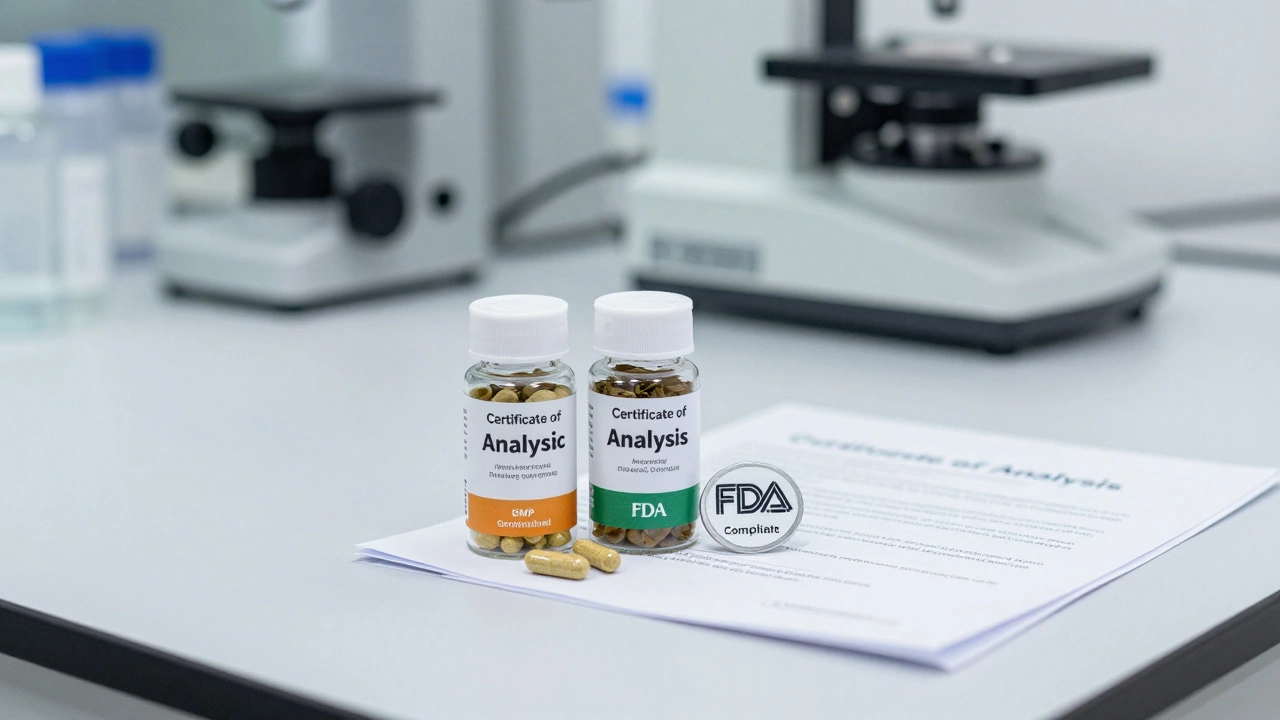
In recent years, the FDA has issued warning letters to several companies importing Ayurvedic products from India because of high levels of heavy metals. For a practitioner in the US, this means you cannot simply import any jar of powder from your home village. You must ensure that every product you recommend or sell complies with US Good Manufacturing Practices (GMP) and passes third-party testing for purity. Selling a contaminated supplement can lead to severe legal liability and loss of reputation.
| Aspect | India | United States |
|---|---|---|
| Legal Status | Recognized Medical System | Unregulated Wellness / Alternative Therapy |
| Doctor Title | BAMS / MD (Ayurveda) | No official title; often "Health Coach" or "Consultant" |
| Diagnosis Rights | Full rights to diagnose disease | Limited to wellness assessment; cannot diagnose medical conditions |
| Product Regulation | AYUSH Ministry Oversight | FDA as Dietary Supplements (Post-market surveillance) |
| Insurance Coverage | Covered by some govt/private plans | Rarely covered; mostly out-of-pocket |
Licensing Pathways: How to Legally Practice
So, how do you build a legitimate career in Ayurveda in the US without risking jail time? There are three main pathways that successful practitioners use today.
- State-Specific Holistic Licenses: Some states have created licenses for holistic practitioners. For example, Washington State offers a license for "Holistic Health Practitioners," and California has explored legislation for integrative medicine. These licenses allow practitioners to offer certain services legally, provided they meet education and exam requirements.
- NCCAOM Certification: The National Certification Commission for Acupuncture and Oriental Medicine (NCCAOM) offers certification in Oriental Medicine, which includes Ayurveda. While this doesn't grant a medical license, it provides a nationally recognized credential that signals professionalism and competence to clients and insurers.
- Business Structuring as Education: Many practitioners structure their businesses as educational entities. Instead of saying "I will cure your back pain," they say "I teach you Ayurvedic principles to manage your well-being." Clients sign waivers acknowledging that the service is for informational purposes only and not a substitute for medical care. This model is common among yoga studios and wellness centers.
It is also worth noting that some MDs and DOs are getting trained in Ayurveda. Since they already hold a medical license, they can integrate Ayurvedic principles into their practice legally. This is becoming a popular niche in functional medicine clinics across the country.

Safety and Cultural Adaptation
Beyond legality, there is the issue of safety and cultural context. Ayurveda is deeply rooted in the Indian environment, diet, and lifestyle. What works for a person living in Kerala may not work for someone eating fast food in Chicago. A key part of practicing ethically in the US is adapting protocols to the local context.
For instance, Panchakarma (detoxification therapies) requires significant time off and specific dietary support. In the US, where people work 40-50 hour weeks, full residential Panchakarma is rare. Practitioners often modify these treatments into shorter, outpatient-friendly versions. Similarly, herbs available in India might not be accessible or affordable in the US. Recommending locally sourced alternatives that match the same energetic properties (Virya) is a mark of a skilled practitioner.
Another critical safety point is drug interactions. Many Americans take prescription medications for blood pressure, cholesterol, or anxiety. Certain Ayurvedic herbs, like Ashwagandha or Turmeric, can interact with these drugs. A responsible practitioner must always ask about current medications and advise clients to consult their primary care physician before starting any new herbal regimen. Ignoring this step is not just unethical; it opens the door to malpractice lawsuits.
The Future of Ayurveda in America
The landscape is slowly changing. As interest in integrative medicine grows, so does political support. Organizations like the American Association of Ayurvedic Professionals (AAAP) are lobbying for clearer regulations and recognition. They argue that banning Ayurveda outright ignores the benefits it offers for preventive care and chronic disease management.
We are seeing more collaboration between conventional hospitals and Ayurvedic experts. Major institutions like Mayo Clinic and Cleveland Clinic now have departments dedicated to integrative health, where Ayurvedic principles are studied alongside Western science. This trend suggests that while the legal framework may remain tight, the acceptance of Ayurveda as a complementary therapy is rising.
For those entering the field, the key is transparency. Be clear about what you can and cannot do. Build relationships with local MDs. Use high-quality, tested products. And above all, respect the intelligence of your clients by educating them on the legal and medical realities of their health choices.
Can I call myself an Ayurvedic Doctor in the USA?
Technically, no. Unless you are a licensed MD or DO in the US, using the title "Doctor" can be misleading and illegal in many states. Most practitioners use titles like "Ayurvedic Consultant," "Wellness Coach," or "Practitioner" to stay compliant with state laws.
Are Ayurvedic herbs safe to buy online in the US?
Not necessarily. The FDA does not pre-approve supplements. You should only buy from reputable brands that provide Certificates of Analysis (COA) showing third-party testing for heavy metals, pesticides, and microbial contamination. Avoid unverified imports directly from overseas unless you trust the source completely.
Does insurance cover Ayurvedic consultations?
Generally, no. Most standard health insurance plans do not cover alternative therapies. However, some Flexible Spending Accounts (FSAs) or Health Savings Accounts (HSAs) may allow you to use pre-tax dollars if the service is deemed medically necessary and documented by a licensed provider. Always check with your insurer first.
What happens if an Ayurvedic practitioner diagnoses a disease?
If an unlicensed person diagnoses a disease (like cancer or diabetes), they can be charged with the unlicensed practice of medicine. Penalties vary by state but can include hefty fines, cease-and-desist orders, and even imprisonment. It is safer to refer clients to medical doctors for diagnosis and focus on supportive wellness strategies.
Is Panchakarma legal to perform in the US?
Yes, but with caution. Panchakarma involves physical procedures like oil massages and enemas. If performed incorrectly, it can cause injury. Practitioners must carry liability insurance and ensure they are operating within the scope of their local business licenses. Some states require specific certifications for bodywork or massage therapy.