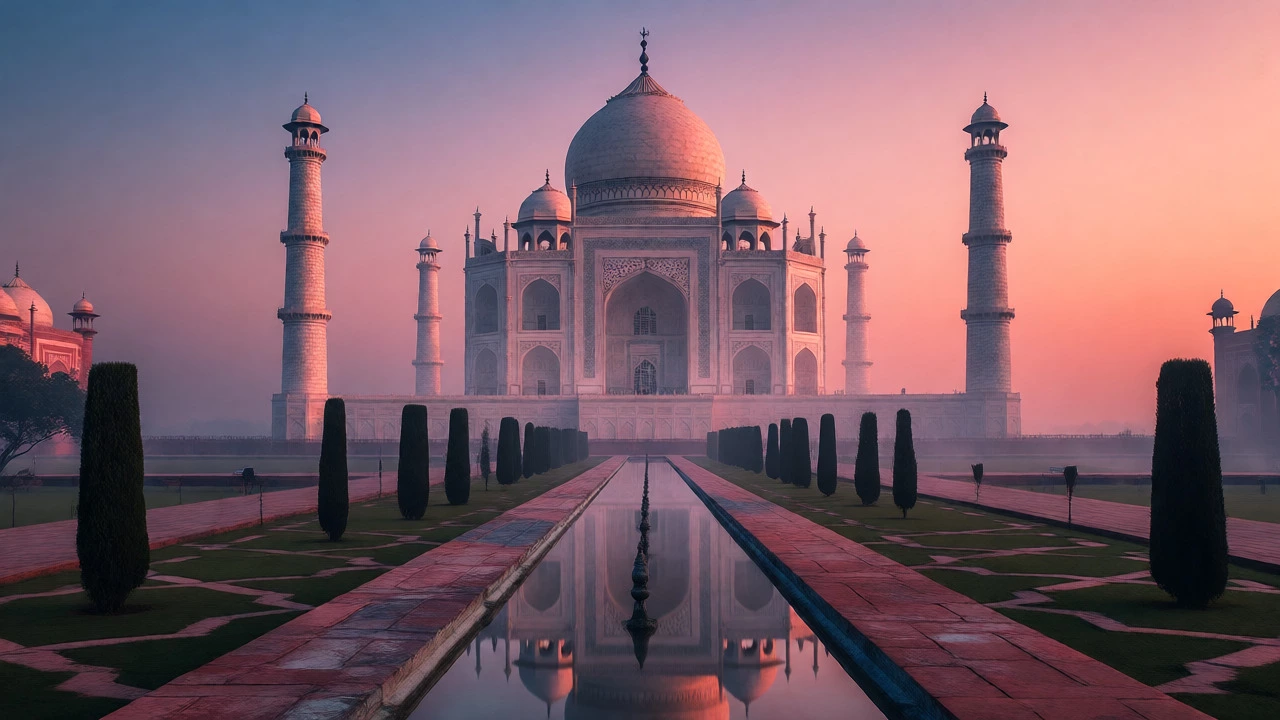
What is India's Most Famous Landmark? A Guide to the Taj Mahal
Discover why the Taj Mahal is India's most famous landmark. Learn about its history, architecture, and tips for visiting Agra.
When you think of Indian monuments, enduring structures that reflect centuries of history, faith, and artistry across the Indian subcontinent. Also known as heritage sites, these landmarks aren't just stone and mortar—they're living stories carved into the landscape. From the marble grandeur of the Taj Mahal, a 17th-century mausoleum built by Shah Jahan in memory of his wife, now the most visited site in India to the serene stone dome of the Sanchi Stupa, an ancient Buddhist monument commissioned by Emperor Ashoka over 2,200 years ago, and one of the oldest surviving religious structures in India, each one tells a different part of India’s soul.
These monuments aren’t just tourist spots—they’re tied to deep cultural roots. The Red Fort, a Mughal-era fortress in Delhi that once housed emperors and now stands as a symbol of India’s independence, the towering Qutub Minar, a 73-meter tall minaret built in the 12th century, showcasing early Islamic architecture in India, and the golden spires of the Golden Temple, the holiest site in Sikhism, where thousands gather daily for prayer and community meals all serve different purposes: some honor love, others celebrate faith, and a few mark political power. What connects them? They all draw millions—not just for their beauty, but because they feel alive. You can hear echoes of ancient rituals in the corridors of the Sanchi Stupa, smell incense drifting from Varanasi’s ghats, or feel the silence before sunrise at the Taj Mahal.
Some of these sites are listed as World Heritage sites by UNESCO, but many others hold equal weight in local memory. Whether you're drawn to the mystery of the oldest structures, the spiritual pull of pilgrimage spots, or the sheer scale of imperial architecture, India’s monuments offer something real—not staged, not sanitized. They’re places where history doesn’t stay in books. It walks beside you on the stone paths, whispers through temple bells, and waits in the shadows of forgotten courtyards.
Below, you’ll find a curated collection of articles that dig into these places—not just as photos on a postcard, but as living parts of India’s past and present. You’ll learn which monument truly holds the title of oldest, why Varanasi is called the City of God, and how a few Indian sites quietly connect to the ancient wonders of the world. No fluff. Just facts, stories, and the kind of details that make a visit unforgettable.
Discover why the Taj Mahal is India's most famous landmark. Learn about its history, architecture, and tips for visiting Agra.
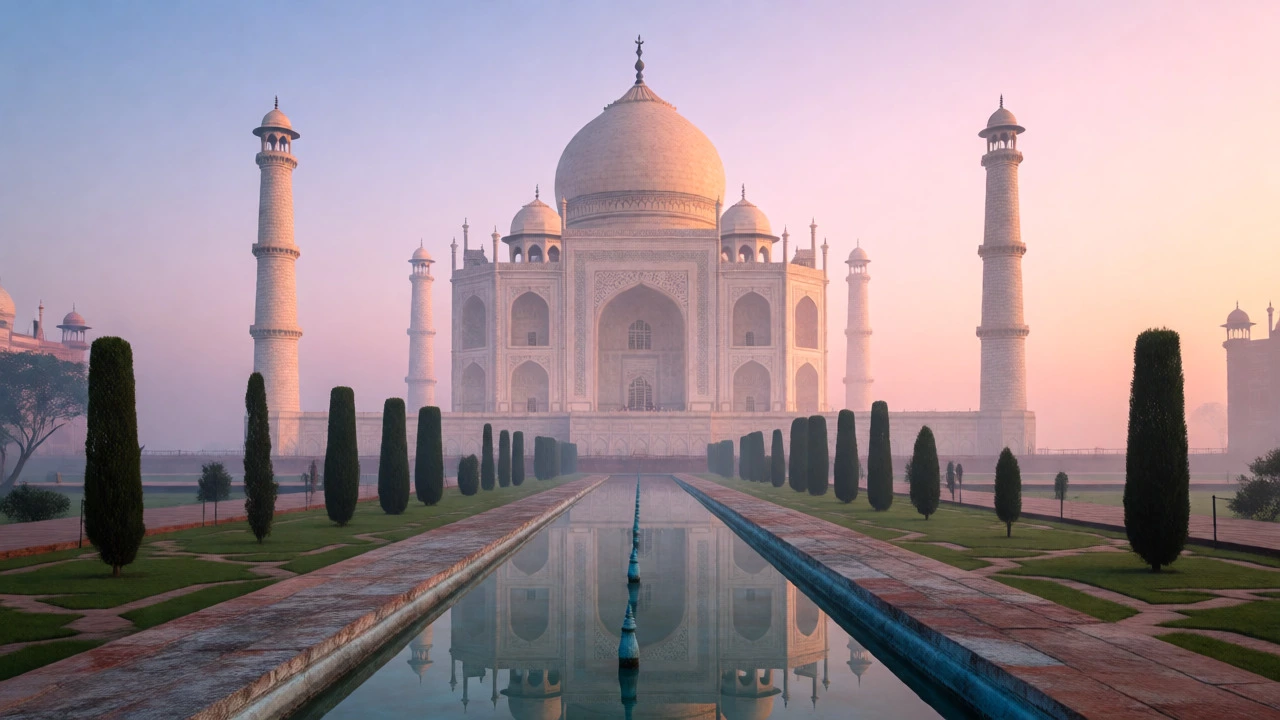
Discover the most beautiful historical place in India. We compare the Taj Mahal, Hampi, Amber Fort, and more to help you choose your next cultural trip.
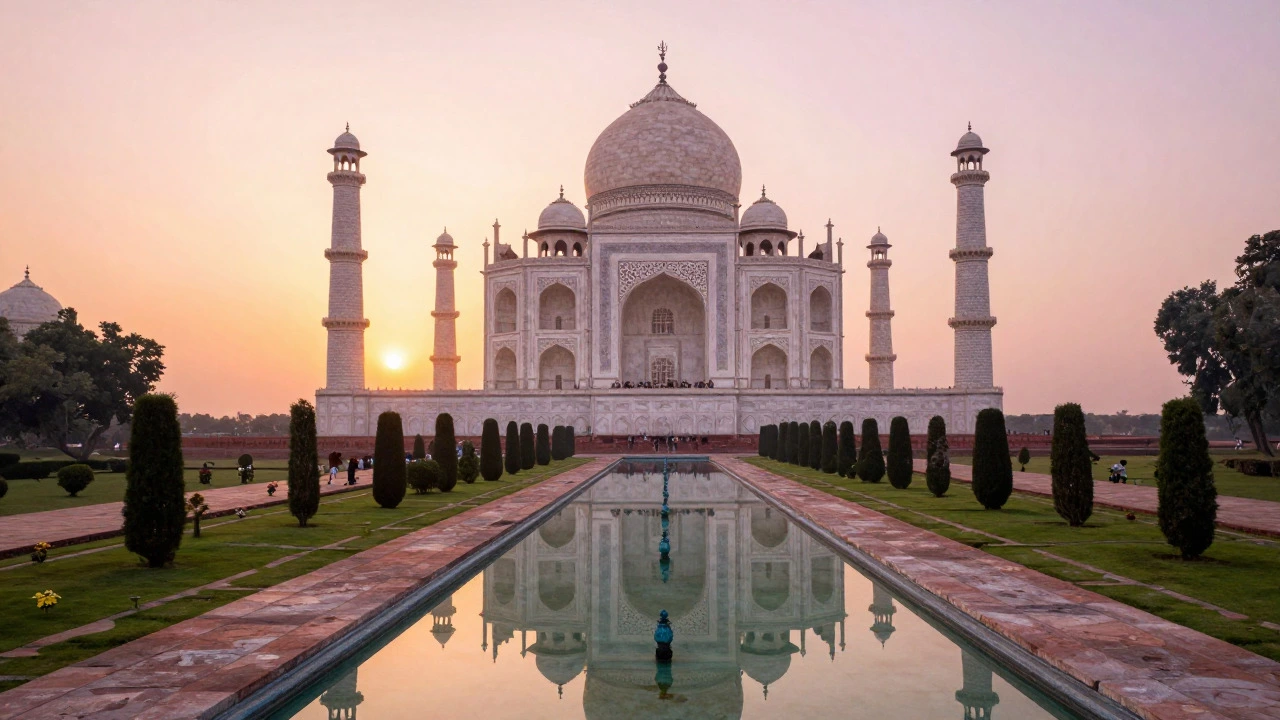
Discover why the Taj Mahal is the most photographed monument in India. We compare it with the Red Fort and Gateway of India, offering tips for the best shots.
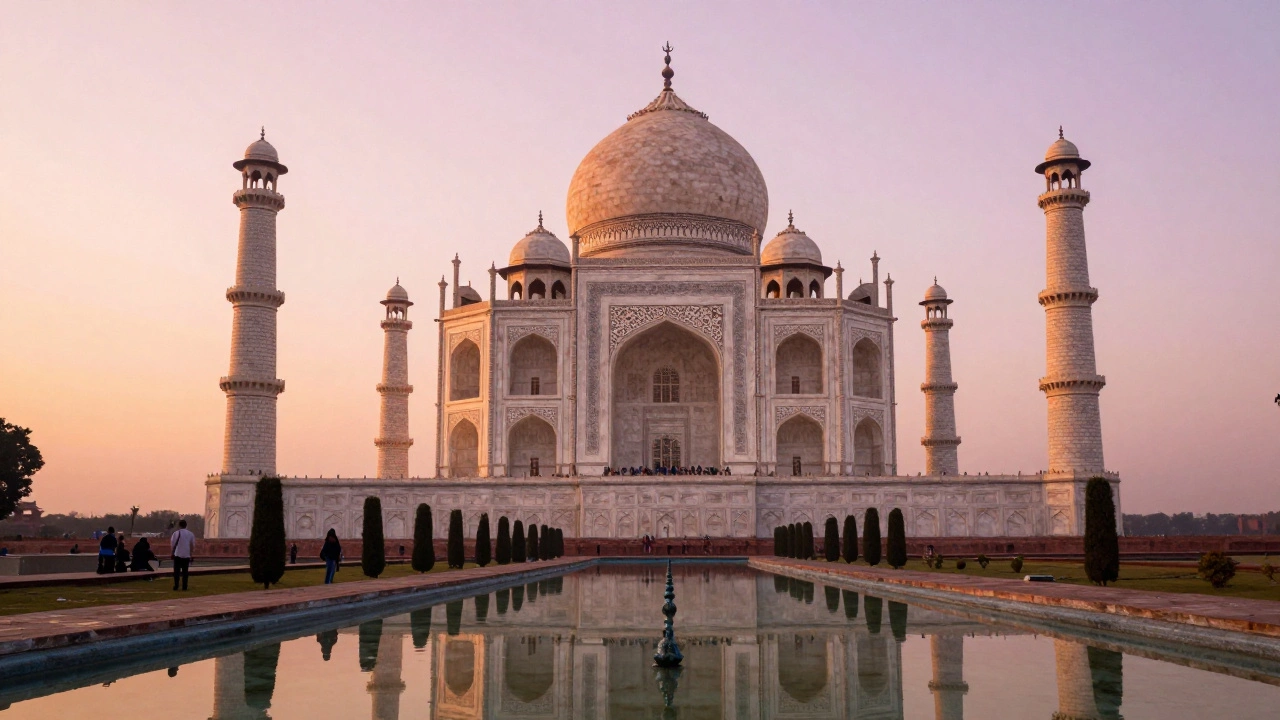
Discover how many heritage sites are in India. With 43 UNESCO World Heritage Sites and thousands of ASI-protected monuments, explore the rich tapestry of Indian cultural and natural heritage.
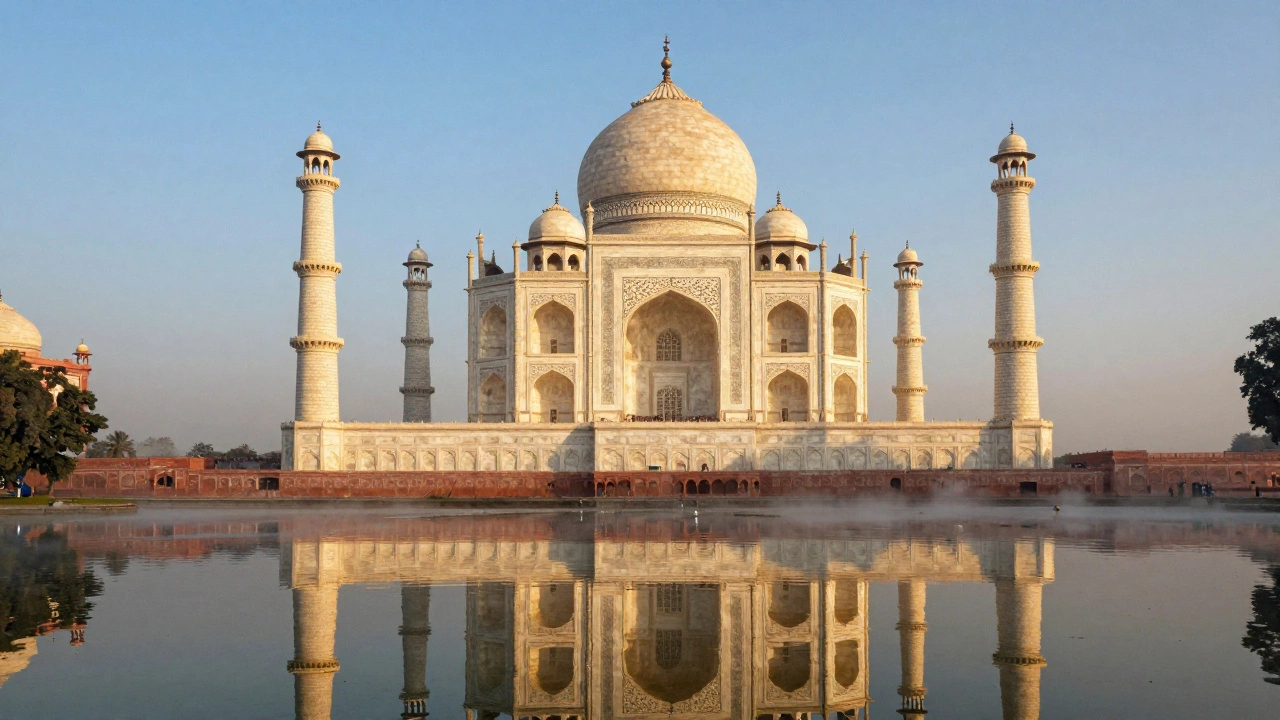
Explore the story behind the Taj Mahal, India's most iconic symbol of love built by Shah Jahan. Discover its architectural secrets, historical significance, and modern preservation efforts.
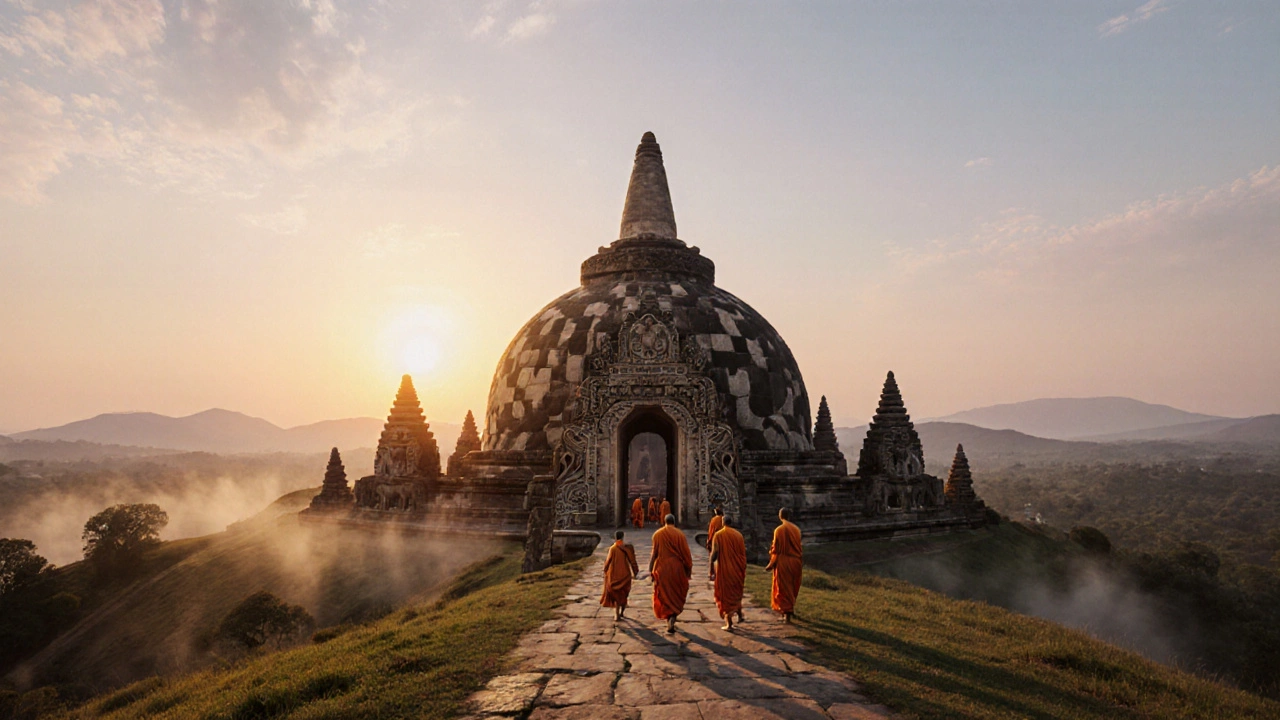
Explore why Sanchi Stupa, commissioned by Ashoka around 250BCE, is regarded as India's oldest landmark, its history, architecture, visitor tips, and preservation.
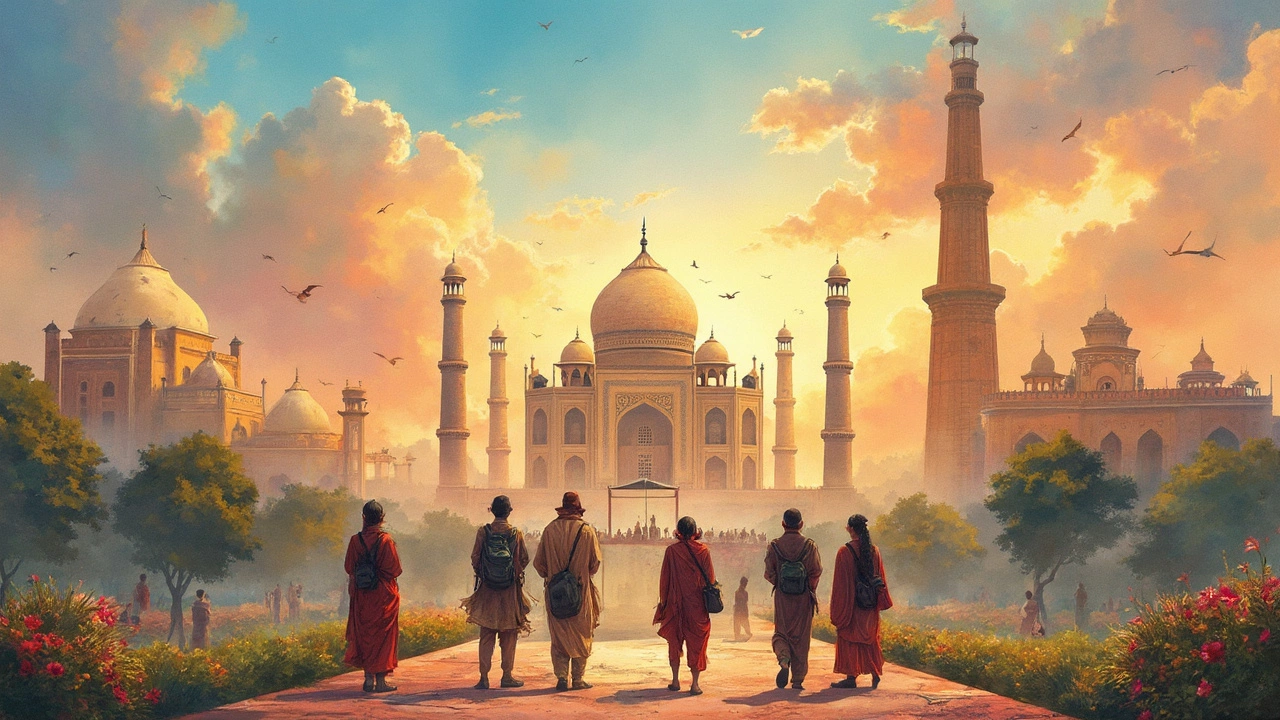
Curious about the 7 old wonders of the world and their surprising connections to India's iconic monuments? This article breaks down what made these ancient wonders so special, shares how Indian monuments compare, and reveals tips for exploring these sites or their replicas nearby. Get some cool facts that most people miss and find out why these wonders still matter today. Perfect for history buffs or casual travelers who just want the basics, minus the boring stuff.
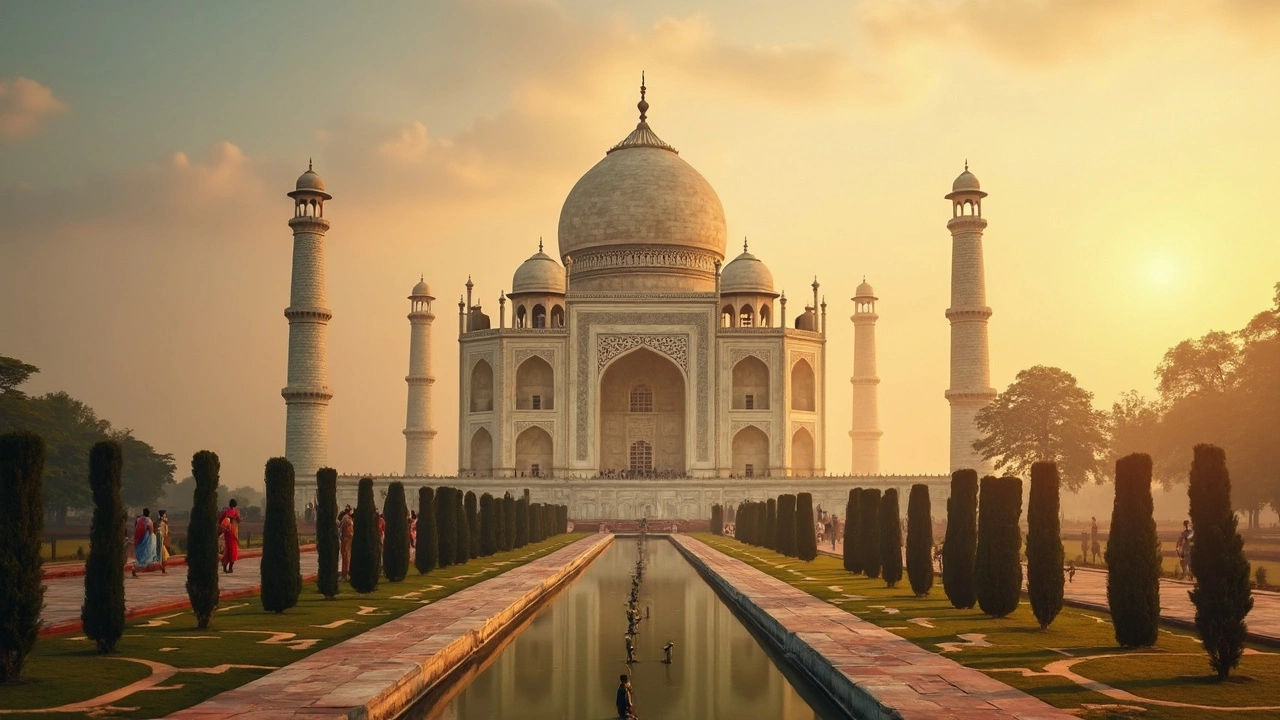
India is home to many breathtaking national monuments that attract millions of tourists every year. Among them, one stands out as the most iconic and beloved by both locals and international visitors. This article explores India's most popular national monument, offering intriguing facts and helpful tips for anyone planning to visit. Discover why this monument captivates the hearts of so many and gain insights into its historical significance.
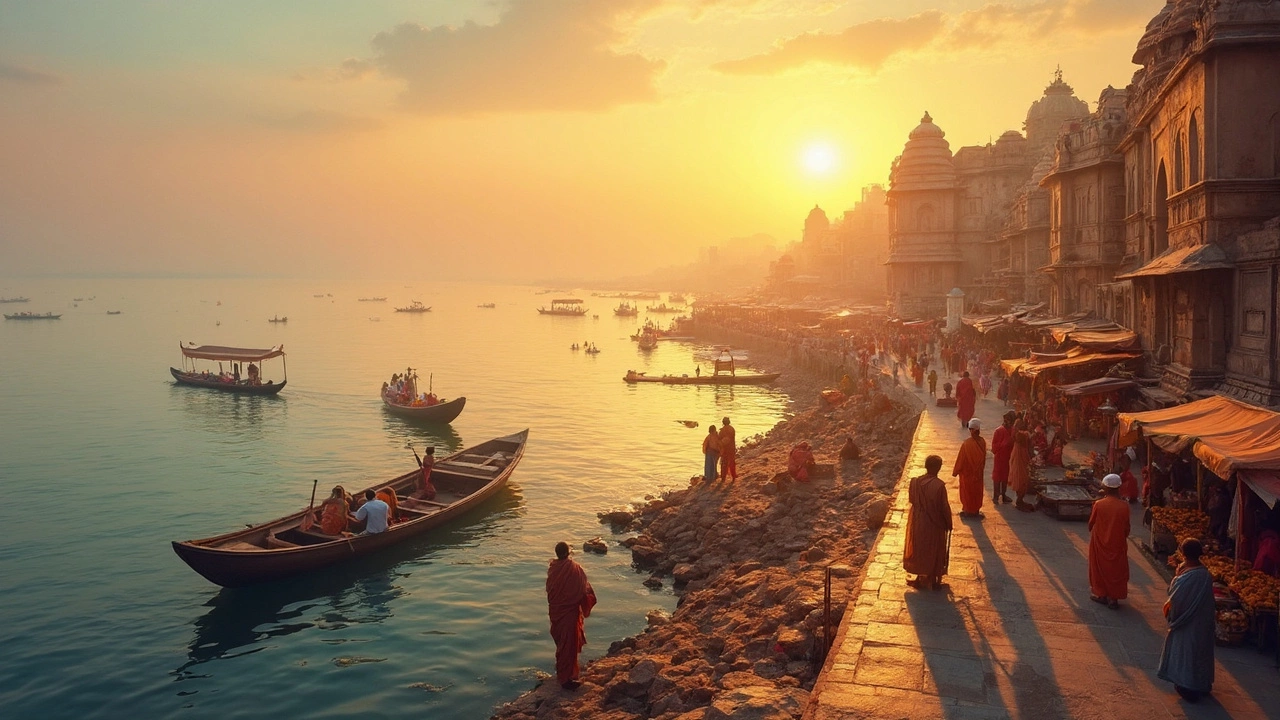
India's 'City of God' is a title embraced by Varanasi, a city known for its spiritual significance and historical monuments. This article explores the vibrant culture, the sacred Ganges River, and the ancient temples that grace this city, making it a prime pilgrimage destination. Also, learn about the best times to visit and cultural tips for travelers seeking an authentic experience. Embark on a journey through India's spiritual heartland.
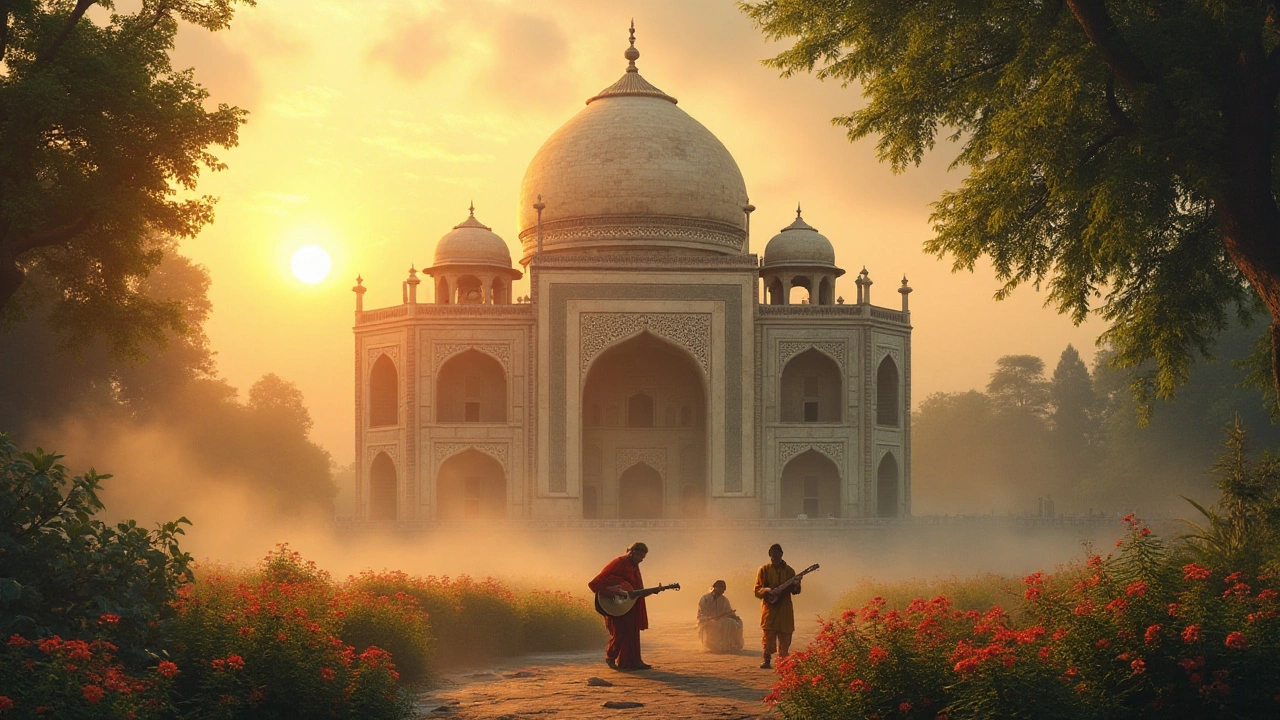
India's history is a saga of remarkable architecture and enduring monuments. Unearth the stories behind the oldest monument in India, its cultural significance, and how it shaped the landscape of ancient Indian civilization. This exploration not only illuminates the monument's past but also reveals the fascinating lives of the people who built it. Dive into the captivating world of ancient structures and discover how these monuments continue to inspire today.
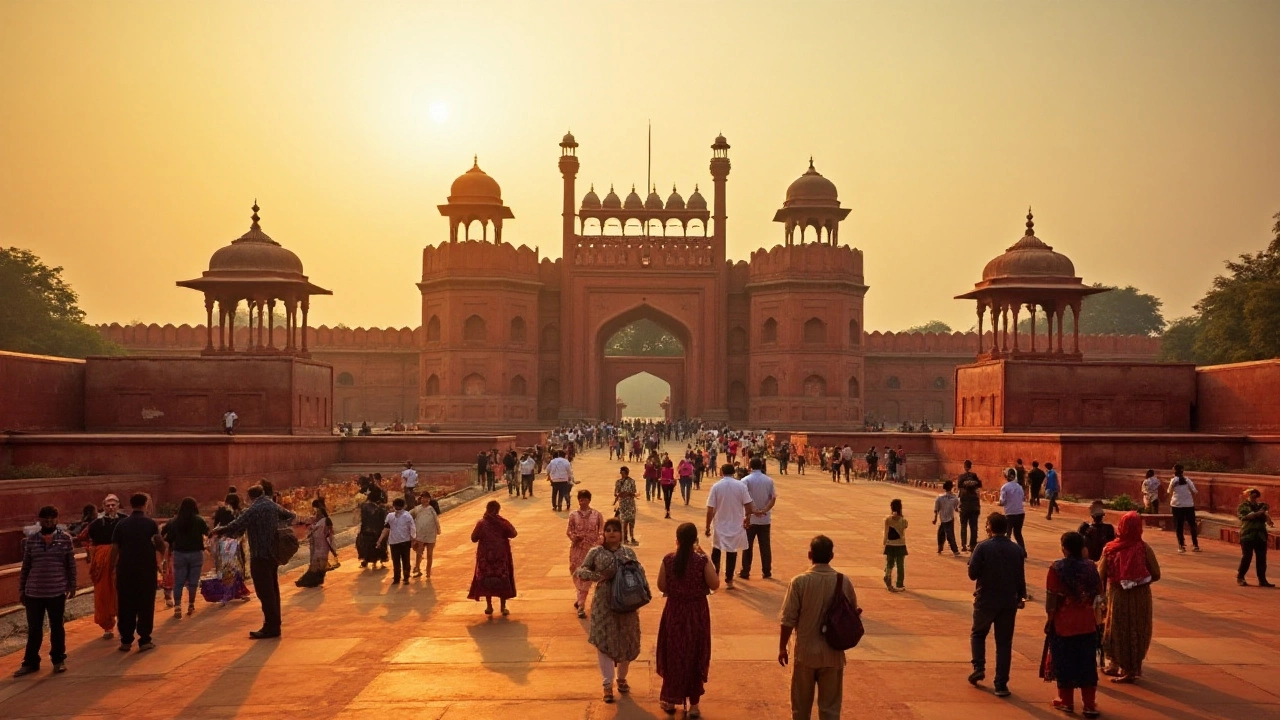
India, a land rich in cultural heritage, is home to several national monuments that display the country's historical and architectural marvels. This article explores five of the most significant national monuments in India, each offering a glimpse into the nation's vivid past. Learn about the uniqueness of the Red Fort, the timeless beauty of the Taj Mahal, the grandness of the Qutub Minar, and more. Whether you are planning a visit or just curious about India's iconic landmarks, this guide provides an insightful look into these must-see sites.
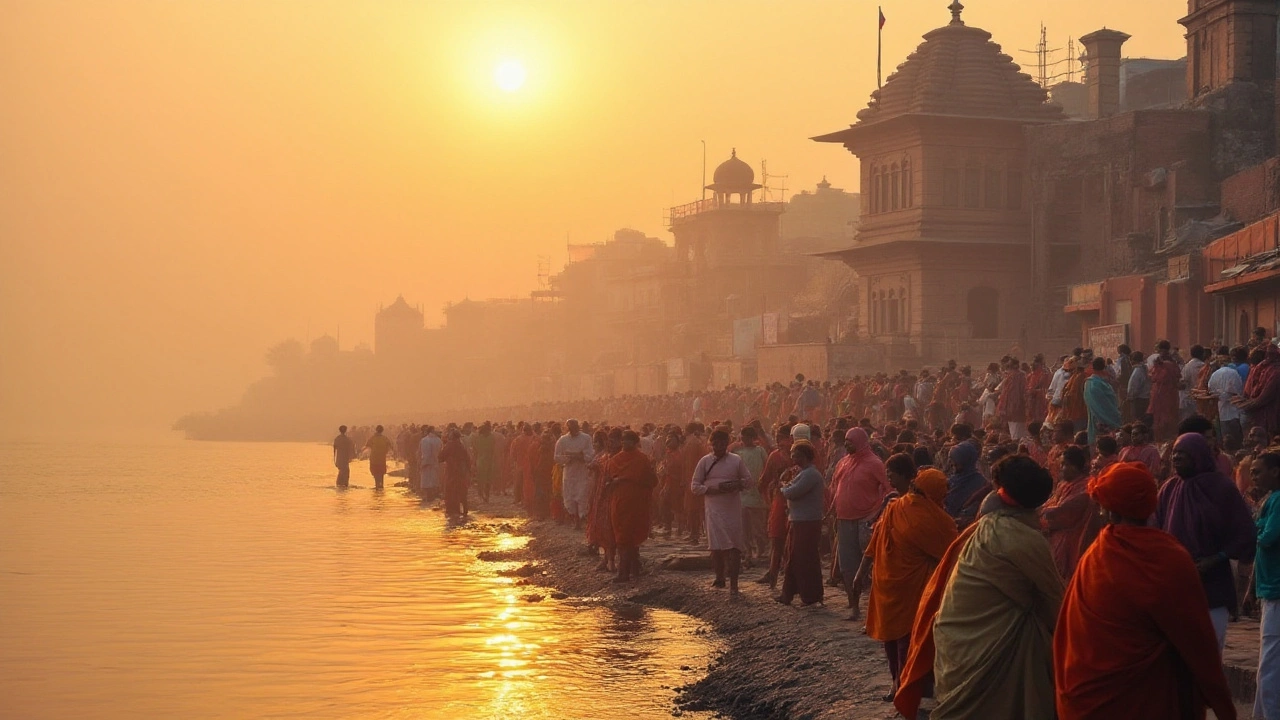
India is a land rich in spiritual heritage, home to numerous significant pilgrimage sites that draw millions of devotees each year. This article delves into seven of these revered destinations, offering insight into their historical and cultural importance. From the banks of the sacred Ganges in Varanasi to the towering beauty of the Golden Temple in Amritsar, each location offers a unique blend of spirituality and stunning architecture. Readers will find essential tips and intriguing facts to enhance their journey through India's spiritual heartland.