
Ayurvedic Body Type (Dosha) Calculator
Answer these questions honestly to identify your dominant energy.
Imagine waking up at 5:30 AM, feeling refreshed before the sun even peaks over the horizon. You drink warm water with lemon, move your body through gentle stretches, and eat a breakfast that actually fuels you rather than making you crash by noon. This isn’t just a fantasy; it is the blueprint for longevity in Ayurveda, an ancient Indian system of medicine that views life as a delicate balance between mind, body, and spirit. While modern science chases the fountain of youth in labs, Ayurveda has been teaching us how to extend our healthy years through simple, sustainable habits for thousands of years.
The goal here isn't just to add years to your life, but to add life to your years. In Ayurvedic terms, this is called Yauvanvardhak (rejuvenation). It’s not about taking a magic pill. It’s about aligning your daily rhythm with nature’s cycles. If you want to know how to live long according to Ayurveda, you have to start by understanding who you are and what your body needs right now.
Understanding Your Body Type: The Foundation of Longevity
You cannot follow a one-size-fits-all diet if you want true longevity. Ayurveda teaches that every person is born with a unique constitution, or Prakriti, which determines your physical and mental traits. This constitution is made up of three energies, or Doshas: Vata (air and space), Pitta (fire and water), and Kapha (earth and water).
When these doshas are balanced, you feel energetic, digest well, sleep soundly, and age gracefully. When they are out of balance, disease creeps in. To live long, you must first identify your dominant dosha and then make choices that keep it in check.
- Vata types tend to be thin, creative, and prone to anxiety and dryness. They need warmth, routine, and grounding foods to prevent premature aging and joint issues.
- Pitta types are often medium-built, intense, and prone to inflammation and acidity. They need cooling foods and calm environments to protect their heart and liver.
- Kapha types are usually sturdy, calm, and prone to weight gain and sluggishness. They need movement, spice, and light foods to keep their metabolism active and lungs clear.
If you don't know your type, observe yourself. Do you get cold easily? Are you always hungry? Do you sweat profusely? These clues point to your Prakriti. Living against your nature accelerates aging; living with it slows it down.
Dinacharya: The Power of Daily Routine
In Ayurveda, consistency is king. The concept of Dinacharya, or daily routine, is perhaps the most critical factor in longevity. Our bodies have an internal clock, and when we disrupt it with erratic sleep, random eating times, and constant stress, we create Ama-toxic sludge that clogs our channels and ages us from the inside out.
Here is how a longevity-focused day looks:
- Wake up early: Aim to rise before sunrise (around 6 AM). This aligns you with the Vata time of day, which is naturally clearing and energizing. Sleeping in too late can lead to lethargy and Kapha accumulation.
- Hydrate immediately: Drink a glass of warm water upon waking. This jumpstarts your digestion and helps flush toxins accumulated overnight. Avoid ice-cold water, which shocks the system and dampens digestive fire (Agni).
- Oral hygiene: Scrape your tongue. Yes, really. A coated tongue indicates poor digestion and toxin buildup. Use a copper scraper or a dedicated tongue cleaner to remove this layer before brushing.
- Movement: Engage in moderate exercise like yoga or brisk walking. Intense cardio can deplete Vata and increase cortisol, so choose activities that strengthen without exhausting.
- Self-massage: Practice Abhyanga by massaging your body with warm oil (sesame for Vata/Kapha, coconut for Pitta) before showering. This nourishes the skin, calms the nervous system, and improves circulation.
This routine might seem tedious at first, but it builds resilience. Over decades, this daily maintenance prevents the wear and tear that leads to chronic disease.
Eating for Vitality: Food as Medicine
Your diet is the primary tool for balancing your doshas and extending your lifespan. Ayurveda emphasizes fresh, whole, and seasonal foods. Processed foods, leftovers, and combinations that clash (like milk and fish) create Ama, which is the root of all disease and aging.
To eat for longevity, focus on these principles:
- Strengthen Agni: Digestive fire must be strong. Eat your largest meal at lunch (12 PM - 1 PM) when the sun is highest and your metabolism is strongest. Keep dinner light and early (before 7 PM) to allow for proper digestion before sleep.
- Use the six tastes: Every meal should ideally contain sweet, sour, salty, pungent, bitter, and astringent tastes. This ensures nutritional completeness and satisfies the palate, preventing overeating. For example, a salad with greens (bitter/astringent), nuts (sweet/fatty), lemon juice (sour), salt (salty), and pepper (pungent) covers all bases.
- Warm and cooked: Raw foods can be hard to digest, especially for Vata and Kapha types. Cooked vegetables, soups, and stews are easier to absorb and provide more energy.
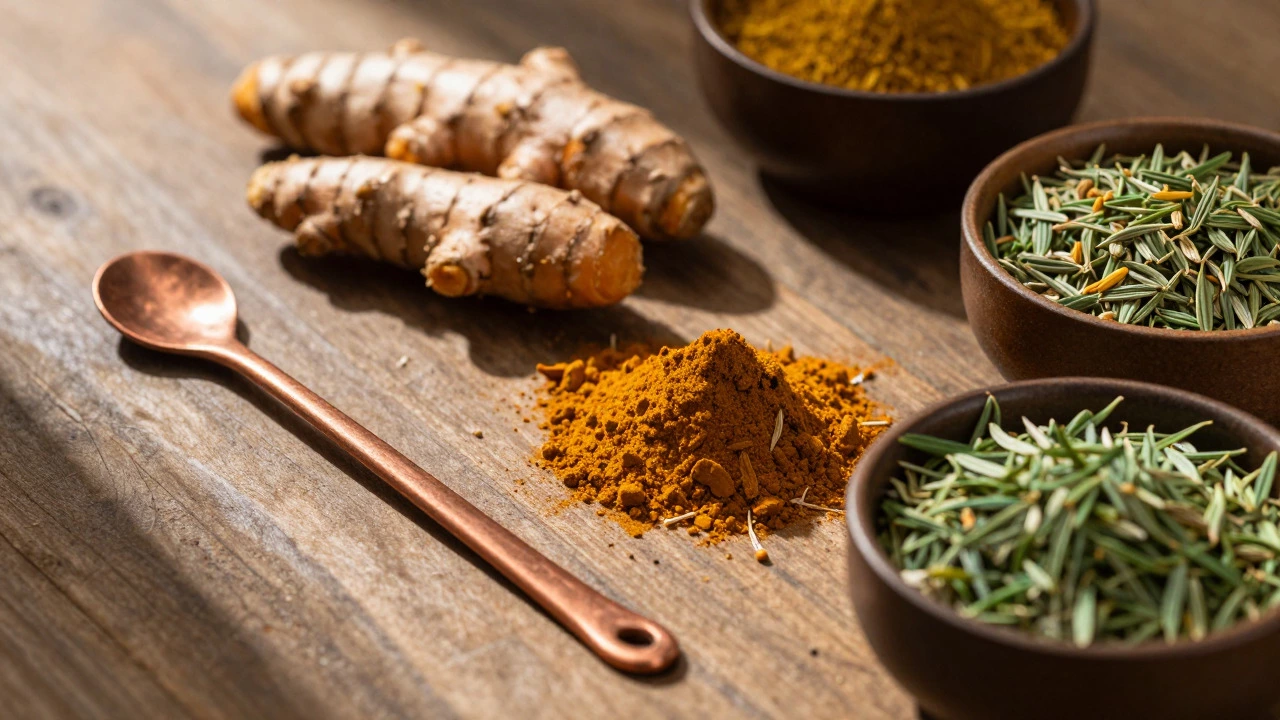
- Spices matter: Incorporate spices like turmeric, cumin, coriander, fennel, and ginger. These aren't just for flavor; they aid digestion, reduce inflammation, and boost immunity.
One specific practice worth noting is avoiding snacking between meals. Let your digestive fire rest. Constant grazing keeps Agni weak and leads to toxin buildup. Wait until you are truly hungry again, which should be several hours after your last meal.
Herbs and Rejuvenation Therapies
While lifestyle forms the foundation, certain herbs play a pivotal role in Ayurvedic longevity. These are known as Rasayanas. Unlike stimulants that give you a quick buzz followed by a crash, Rasayanas work slowly to repair tissues, enhance cellular function, and promote vitality.
| Herb | Primary Benefit | Best For Dosha |
|---|---|---|
| Ashwagandha | Adaptogen that reduces stress and boosts strength | Vata and Pitta |
| Turmeric | Powerful anti-inflammatory and antioxidant | All Doshas (with black pepper) |
| Brahmi | Enhances cognitive function and memory | Pitta and Vata |
| Guduchi | Boosts immunity and detoxifies the blood | Pitta and Kapha |
Ashwagandha, for instance, is famous for its ability to combat stress-induced aging. Cortisol breaks down collagen and muscle tissue; Ashwagandha helps regulate this hormone. Turmeric, often consumed with milk or ghee, fights oxidative stress at the cellular level. However, herbs are supplements, not substitutes. They work best when your diet and routine are already aligned.
Mental Health and Emotional Balance
You cannot separate mental health from physical longevity. In Ayurveda, the mind (Manas) and body are interconnected. Chronic stress, anger, and grief disrupt the doshas and accelerate aging. A peaceful mind is a prerequisite for a long life.
Practice mindfulness and meditation daily. Even ten minutes of quiet reflection can lower blood pressure and improve heart health. Ayurveda also emphasizes Sattva, or purity of mind. Surround yourself with positive influences, limit exposure to chaotic news cycles, and engage in activities that bring joy without stimulation overload.
Sleep is another non-negotiable pillar. Aim for seven to eight hours of quality sleep. Go to bed by 10 PM, during the Kapha time of night, which promotes deep, restorative rest. Poor sleep increases inflammation and impairs cognitive function, two major drivers of aging.

Seasonal Adjustments for Year-Round Health
Nature changes, and so should you. Ayurveda recommends adjusting your routine based on the seasons. This is called Ritucharya.
- Spring: Kapha season. Focus on detoxification, light foods, and increased exercise to melt winter stagnation.
- Summer: Pitta season. Prioritize cooling foods, hydration, and avoiding midday sun. Stay calm and avoid anger.
- Autumn: Vata season. Emphasize warmth, routine, and grounding foods. Protect yourself from wind and cold.
- Winter: Kapha/Vata mix. Focus on nourishment, strength-building, and indoor warmth.
Ignoring seasonal cues means fighting against nature, which drains your energy reserves. Adapting to them conserves energy and keeps your immune system robust.
Common Pitfalls to Avoid
Even with good intentions, many people stumble. Here are common mistakes that undermine Ayurvedic longevity efforts:
- Over-exercising: Pushing too hard depletes Ojas, your vital essence. Listen to your body. Rest is as important as activity.
- Eating when stressed: Digestion shuts down during fight-or-flight mode. Eat in a calm environment to ensure proper nutrient absorption.
- Ignoring thirst signals: Dehydration thickens blood and impairs kidney function. Sip warm water throughout the day.
- Using harsh cleansers: Chemical-laden soaps strip natural oils from skin and hair. Opt for natural alternatives like herbal powders or mild oils.
Longevity in Ayurveda is not a destination; it’s a continuous journey of alignment. By honoring your unique constitution, maintaining a consistent routine, eating wisely, and nurturing your mind, you lay the groundwork for a vibrant, extended life. Start small. Pick one habit from Dinacharya and stick to it for a month. Then add another. Slow, steady progress yields lasting results.
What is the best time to take Ashwagandha for longevity?
Ashwagandha is typically taken twice a day, once in the morning and once at night, with warm milk or water. Taking it at night can help improve sleep quality, while morning doses support energy and stress management throughout the day. Always consult an Ayurvedic practitioner for personalized dosage.
Can I practice Ayurveda if I have a busy schedule?
Absolutely. Ayurveda is adaptable. Start with small changes like drinking warm water in the morning or eating your largest meal at lunch. Consistency matters more than perfection. Even five minutes of meditation or tongue scraping can make a significant difference over time.
Is Ayurvedic longevity suitable for vegetarians and vegans?
Yes, Ayurveda traditionally favors plant-based diets. Most Ayurvedic recommendations for longevity include whole grains, legumes, fruits, vegetables, nuts, and seeds. Dairy is often included but can be substituted with plant-based milks like almond or oat if preferred.
How does sleep affect aging in Ayurveda?
Sleep is considered crucial for rejuvenation. During sleep, the body repairs tissues and balances hormones. Poor sleep increases Pitta (inflammation) and Vata (anxiety), leading to premature aging. Going to bed by 10 PM aligns with natural circadian rhythms for optimal rest.
What foods should I avoid for better longevity?
Avoid processed foods, refined sugars, excessive caffeine, and leftover meals. Also, minimize incompatible food combinations like fruit with dairy or melon with other fruits. These create Ama (toxins) that clog channels and accelerate aging.