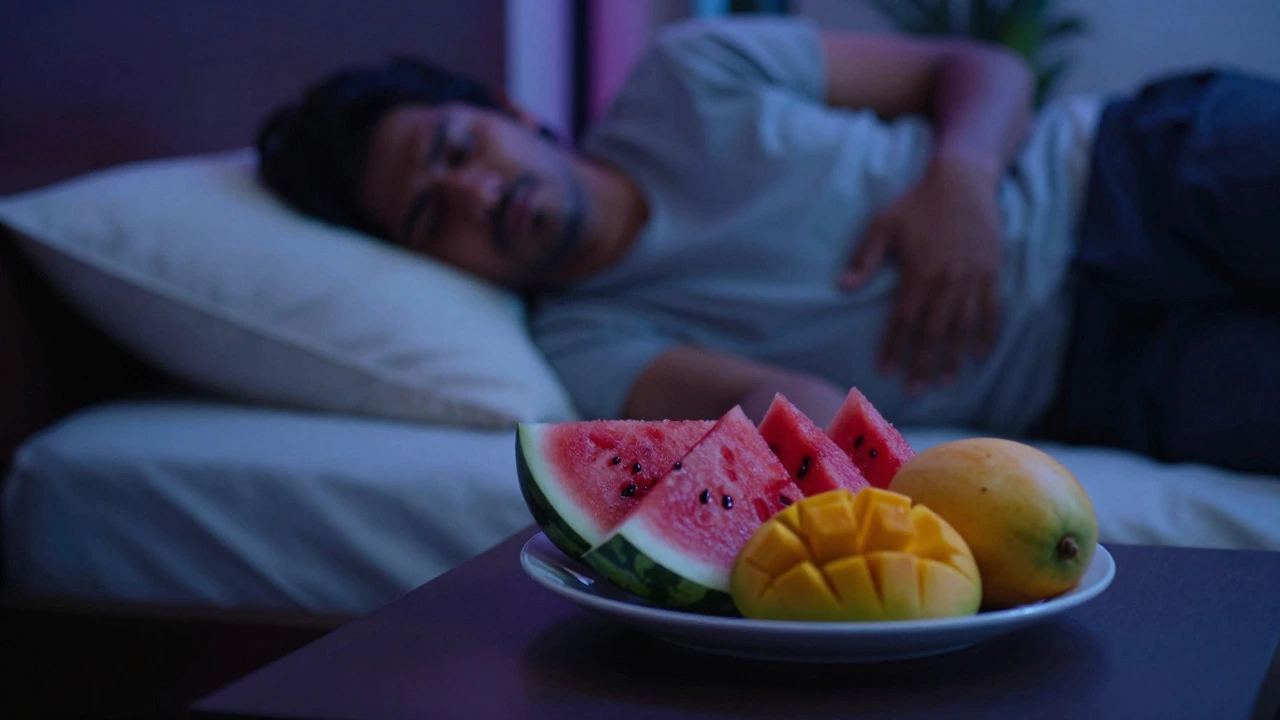
Ayurvedic Fruit Timing Advisor
Have you ever finished a late-night snack of watermelon or mango, only to wake up feeling bloated, heavy, or simply unrested? If you follow Ayurveda, an ancient Indian system of medicine that balances body, mind, and spirit through diet and lifestyle, this reaction makes perfect sense. In Ayurvedic practice, eating fruit at night is generally discouraged, not because fruit is bad, but because the timing disrupts your digestive fire, known as Agni.
This isn't just about avoiding weight gain; it’s about maintaining the delicate balance of your Doshas. When you eat fruit after sunset, you are working against your body’s natural circadian rhythms. The result can be anything from poor sleep quality to long-term metabolic sluggishness. Let’s break down why this happens, which fruits are the biggest culprits, and how you can adjust your routine for better health.
The Science of Agni and Your Daily Rhythm
To understand why fruit at night is problematic, you first need to understand Agni. Think of Agni as your internal metabolic flame. It’s responsible for breaking down food, absorbing nutrients, and eliminating waste. In Ayurveda, Agni isn’t constant; it fluctuates throughout the day based on the sun’s position and the dominance of different Doshas.
During the day, specifically between 10 AM and 2 PM, your Pitta Dosha is strongest. This is when your digestive fire is at its peak. You can handle heavier, denser foods like grains, proteins, and complex vegetables during this window. However, as the sun sets, your energy shifts. Between 6 PM and 10 PM, Kapha Dosha begins to dominate. Kapha is heavy, slow, and cooling. Your Agni dims significantly during these hours.
Fruit, by nature, is sweet, watery, and easy to digest-but only when Agni is strong. When you eat fruit in the evening, your weak Agni struggles to process it. Instead of being broken down into nourishment, the fruit ferments in the stomach. This fermentation produces gas and toxins, known in Ayurveda as Ama. Ama is sticky, toxic sludge that clogs your channels (Srotas) and leads to inflammation, fatigue, and brain fog the next day.
Why Fruit Is Different From Other Foods
You might wonder, "If digestion is slow at night, why not just eat a light salad instead?" The issue with fruit is its unique composition. Most fruits contain high levels of simple sugars and water. Unlike cooked vegetables or grains, raw fruit requires very little effort to break down. In fact, fruit digests faster than almost any other food group.
When you eat fruit alone on an empty stomach in the morning, it zips through your system quickly, providing instant energy. But if you eat it at night, two things happen:
- Fermentation: Because your metabolism has slowed down, the sugar in the fruit doesn’t get used for energy. It sits in the gut and begins to ferment, creating bloating and acidity.
- Mucus Formation: Many fruits, especially those that are cold or watery like melons and berries, increase Kapha. Excess Kapha manifests as mucus, congestion, and lethargy. Waking up with a stuffy nose or a coated tongue is often a sign of this overnight mucus buildup.
Furthermore, fruit is considered "alone" food in Ayurveda. It should not be mixed with other foods because it digests at a different rate. Mixing fruit with dinner slows down the entire meal, causing even more fermentation. Eating it right before bed means it’s the last thing sitting in your stomach while you try to sleep.

The Dosha Imbalance: Vata, Pitta, and Kapha
Your experience with night-time fruit will depend heavily on your dominant Dosha. Understanding your constitution helps explain why some people feel worse than others after a late-night snack.
| Dosha | Nighttime Effect | Symptoms |
|---|---|---|
| Vata | Aggravates dryness and anxiety | Insomnia, gas, constipation, restless sleep |
| Pitta | Can cause heat or acidity | Acid reflux, skin rashes, irritability |
| Kapha | Increases heaviness and mucus | Bloating, congestion, weight gain, grogginess |
If you are Vata dominant (thin, anxious, irregular digestion), fruit at night can aggravate your air element. The cold nature of raw fruit clashes with Vata’s need for warmth and grounding, leading to insomnia and excessive gas. For Pitta types (intense, fiery, prone to inflammation), acidic fruits like citrus or pineapple eaten at night can trigger heartburn or worsen skin conditions. For Kapha individuals (solid build, calm, prone to weight gain), the sweetness and moisture of fruit directly feed their tendency toward stagnation, making them feel heavy and sluggish the next morning.
Best Times to Eat Fruit According to Ayurveda
So, if night is out, when is the right time? Ayurveda recommends eating fruit as a standalone meal, preferably in the morning. Here is the ideal schedule:
- Early Morning (Before 9 AM): This is the best time. Your Agni is waking up, and fruit provides quick, clean energy without taxing your system. Choose ripe, warming fruits like bananas, dates, or figs if you are Vata. Cooler fruits like apples or pears work well for Pitta.
- Lunch (Before 2 PM): You can include small amounts of fruit in your lunch, but it’s better to eat it separately or choose cooked fruits (like stewed apples) to make them easier to digest.
- Afternoon Snack (4-5 PM): A small piece of fruit here can help curb hunger before dinner, but avoid large quantities.
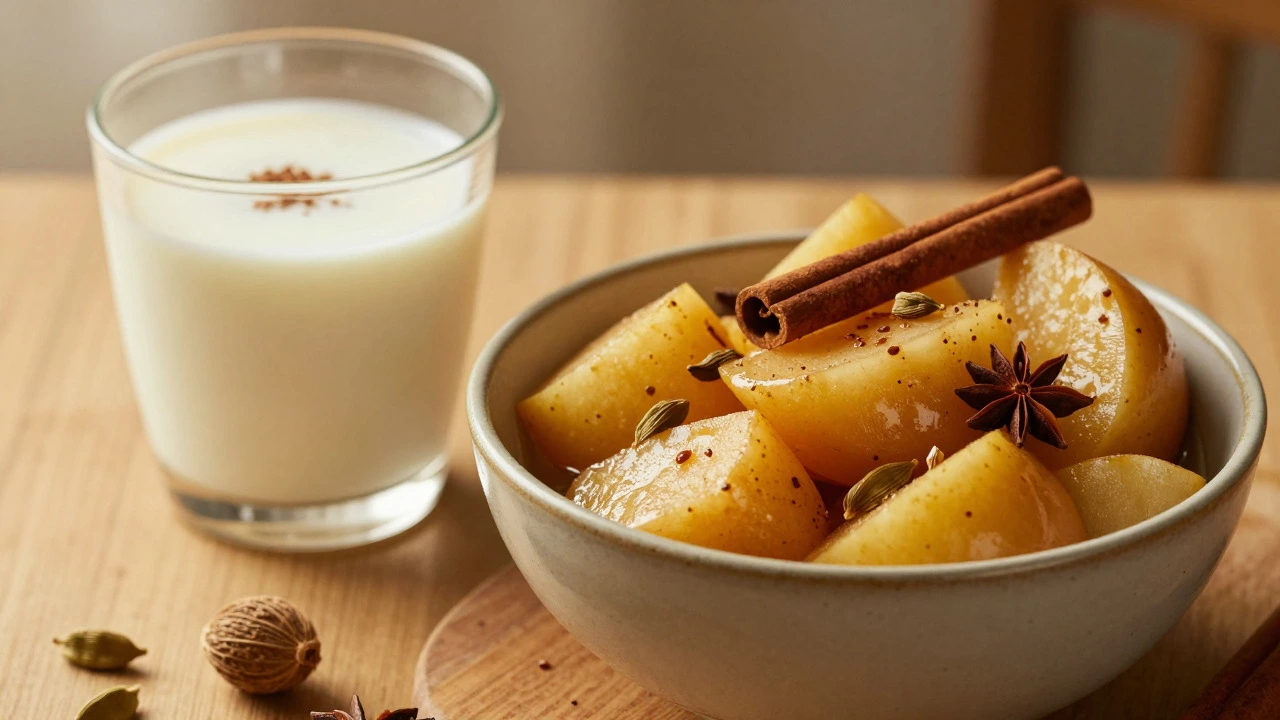
Avoid eating fruit within two hours of bedtime. Even if you aren’t hungry, that craving for something sweet is often a signal of low blood sugar or a habit, not a true nutritional need. If you must have something sweet at night, opt for warm milk with a pinch of cardamom or nutmeg, which calms Vata and promotes sleep without adding bulk to your stomach.
Exceptions and Practical Adjustments
Life isn’t always perfect, and sometimes you’re traveling, working late, or just really want a bite of apple. Ayurveda is about practical wisdom, not rigid rules. If you do eat fruit in the evening, consider these adjustments to minimize the negative effects:
- Cook the Fruit: Cooking transforms the properties of fruit. Stewed apples, baked pears, or warm berry compotes are much easier to digest than raw fruit. The heat breaks down the fibers and reduces the cooling effect, making them safer for evening consumption.
- Add Spices: Sprinkle cinnamon, ginger, or cardamom on your fruit. These spices kindle Agni, helping your body process the sugars more efficiently and reducing the risk of fermentation.
- Choose Drying Fruits: Avoid watery fruits like watermelon, oranges, and grapes at night. Instead, choose drying fruits like raisins, prunes, or dates, but keep the portion small (a handful max).
- Wait Before Bed: Ensure there is at least a two-to-three-hour gap between your fruit snack and your head hitting the pillow. This gives your Agni a fighting chance to clear the stomach.
Listening to Your Body
Ultimately, Ayurveda teaches us to listen to our own bodies. Do you wake up refreshed, or do you feel like you’ve been hit by a truck? Do you have clear skin, or are you dealing with breakouts and congestion? These are signs that your dietary habits may be out of sync with your constitution.
Experimenting with moving your fruit intake to the morning can yield surprising results. Many people report clearer minds, better sleep, and reduced bloating simply by shifting when they eat their snacks. It’s a small change with a significant impact on your overall wellness journey.
Can I eat bananas at night according to Ayurveda?
Generally, no. Bananas are heavy, moist, and difficult to digest for many people, especially in the evening. They tend to increase Kapha and can cause mucus formation and bloating. If you crave potassium, consider a small handful of almonds soaked overnight instead.
Is it okay to drink fruit juice at night?
Fruit juice is even harder to digest than whole fruit because the fiber is removed, leaving concentrated sugar. This spikes insulin and can lead to rapid fermentation in the gut. Warm herbal tea or warm water with lemon is a better choice for hydration at night.
What is the best fruit to eat in the morning?
The best fruit depends on your Dosha. Vata types benefit from sweet, creamy, and warm fruits like avocados, bananas, and mangoes. Pitta types do well with cooling, juicy fruits like watermelon, pears, and berries. Kapha types should choose astringent and dry fruits like apples, pomegranates, and plums.
Does cooking fruit make it safe to eat at night?
Yes, cooking fruit changes its energetic properties. Cooked fruits are warmer and lighter, making them easier for a dimming Agni to handle. Stewed apples with cinnamon or baked pears are excellent evening treats that won’t cause the same bloating as raw fruit.
Why do I feel bloated after eating fruit at night?
Bloating occurs because your digestive fire (Agni) is weakest at night. The sugars in the fruit ferment rather than digest, producing gas. Additionally, the cold and wet nature of raw fruit increases Kapha, leading to fluid retention and a feeling of heaviness in the abdomen.