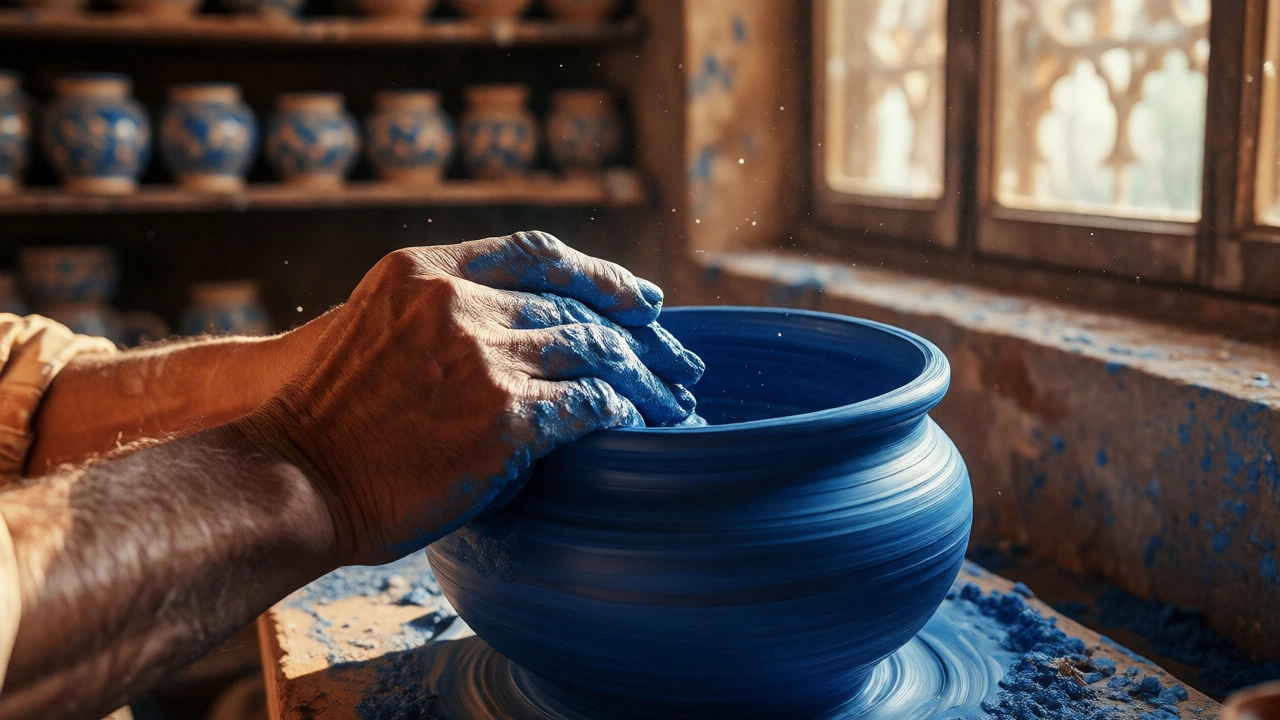
What is a Handicraft Product of India? A Guide to Authenticity and Heritage
Discover what defines a genuine handicraft product of India, from regional specialties to GI tags. Learn how to spot authentic artisan work versus mass-produced imitations.
When you think of Tamil culture, the rich, ancient traditions of the Tamil-speaking people in southern India, rooted in over 2,000 years of language, art, and spirituality. Also known as Tamil heritage, it shapes how millions live, celebrate, and connect—from morning temple rituals to evening folk songs. This isn’t just history—it’s alive in the rhythm of Carnatic music, a devotional classical system from South India with intricate ragas and percussion, in the colorful masks of Tamil folklore, the myths, dances, and oral stories passed down in villages across Tamil Nadu, and in the oil lamps lit during Tamil festivals, like Karthigai Deepam, where communities come together in quiet, glowing celebration.
Unlike broad Indian celebrations, Tamil traditions often blend daily devotion with art. You’ll find dancers balancing pots on their heads in Karakattam, hear the drumbeats of Theru Koothu in street theaters, and taste sweets made just for temple offerings. These aren’t performances for tourists—they’re living practices, unchanged for generations. What makes Tamil culture unique isn’t just its age, but how deeply it’s woven into ordinary life: in how people speak, eat, pray, and dance.
Below, you’ll find real stories from people who live this culture—whether it’s why Tamils celebrate Diwali differently, how folk singers keep ancient rhythms alive, or what’s hidden in the blue skin of their gods. No fluff. Just the truth, told straight from the heart of Tamil Nadu.
Discover what defines a genuine handicraft product of India, from regional specialties to GI tags. Learn how to spot authentic artisan work versus mass-produced imitations.
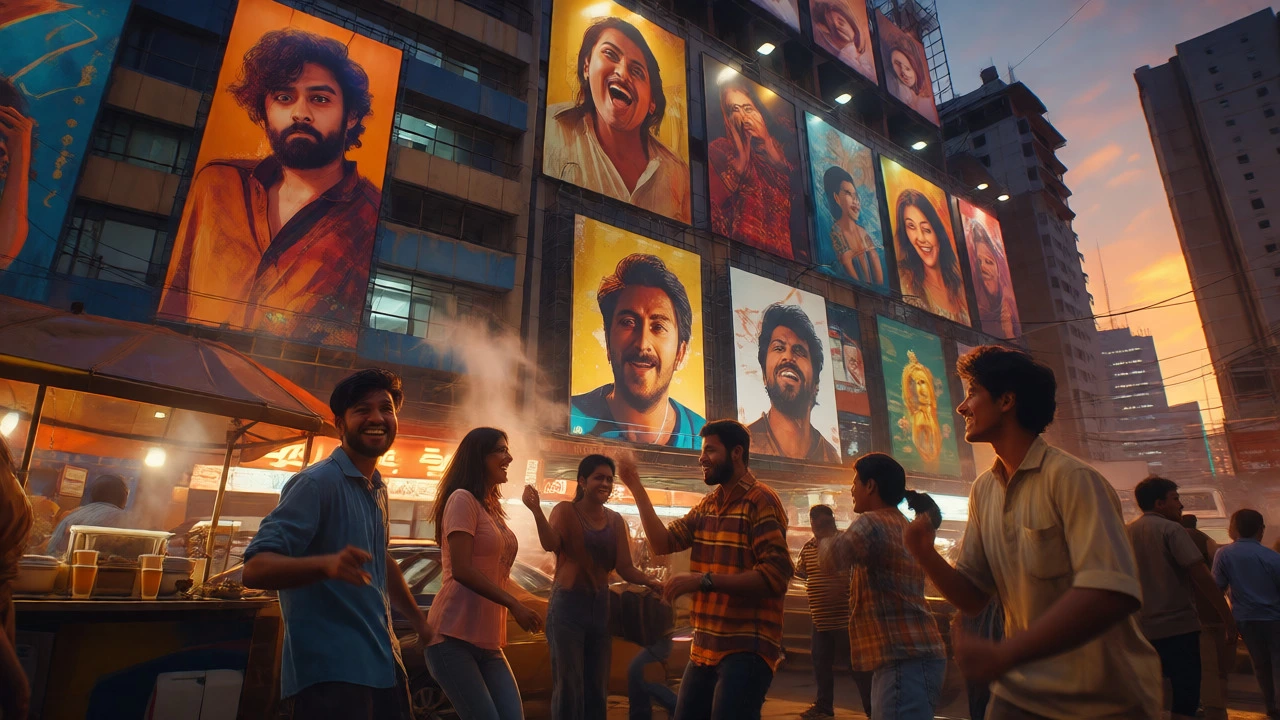
Discover what defines popular Indian culture, from Bollywood's global reach to spiritual traditions and diverse cuisines. Learn how regional differences shape the experience.
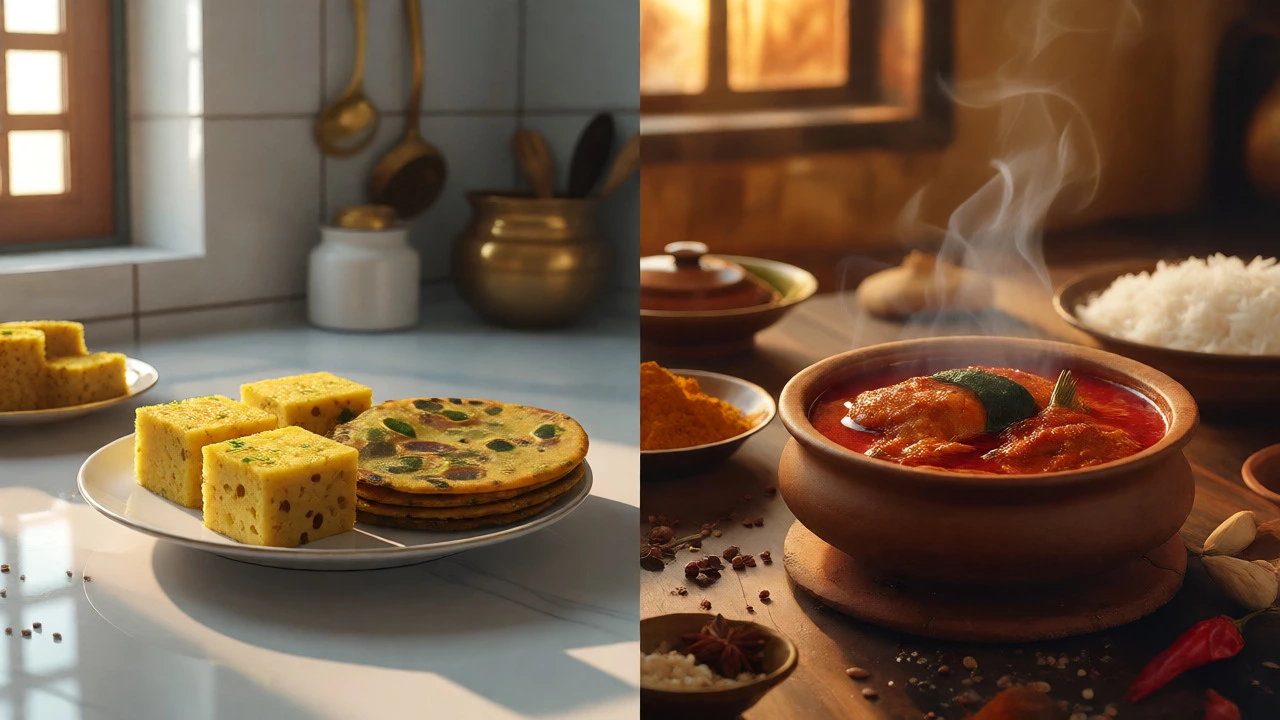
Discover whether eating fish is a sin in Hinduism. Explore regional differences, scriptural insights, and cultural nuances affecting dietary choices.
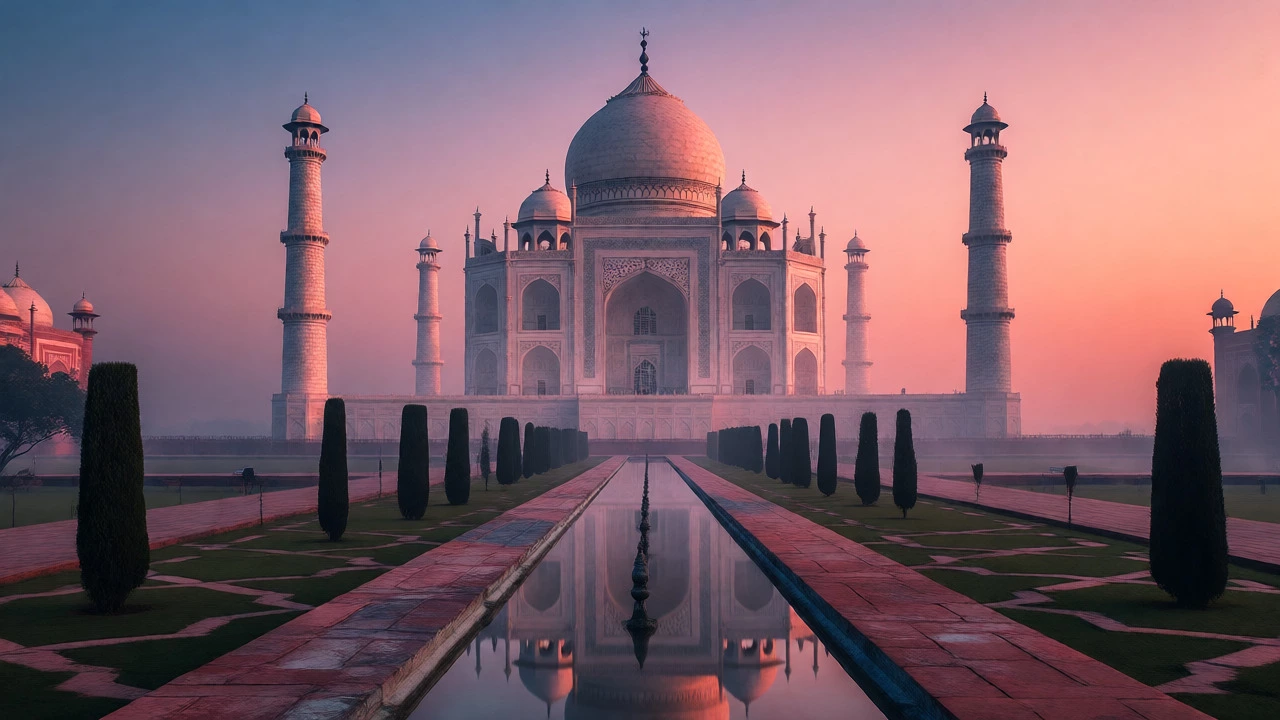
Discover why the Taj Mahal is India's most famous landmark. Learn about its history, architecture, and tips for visiting Agra.
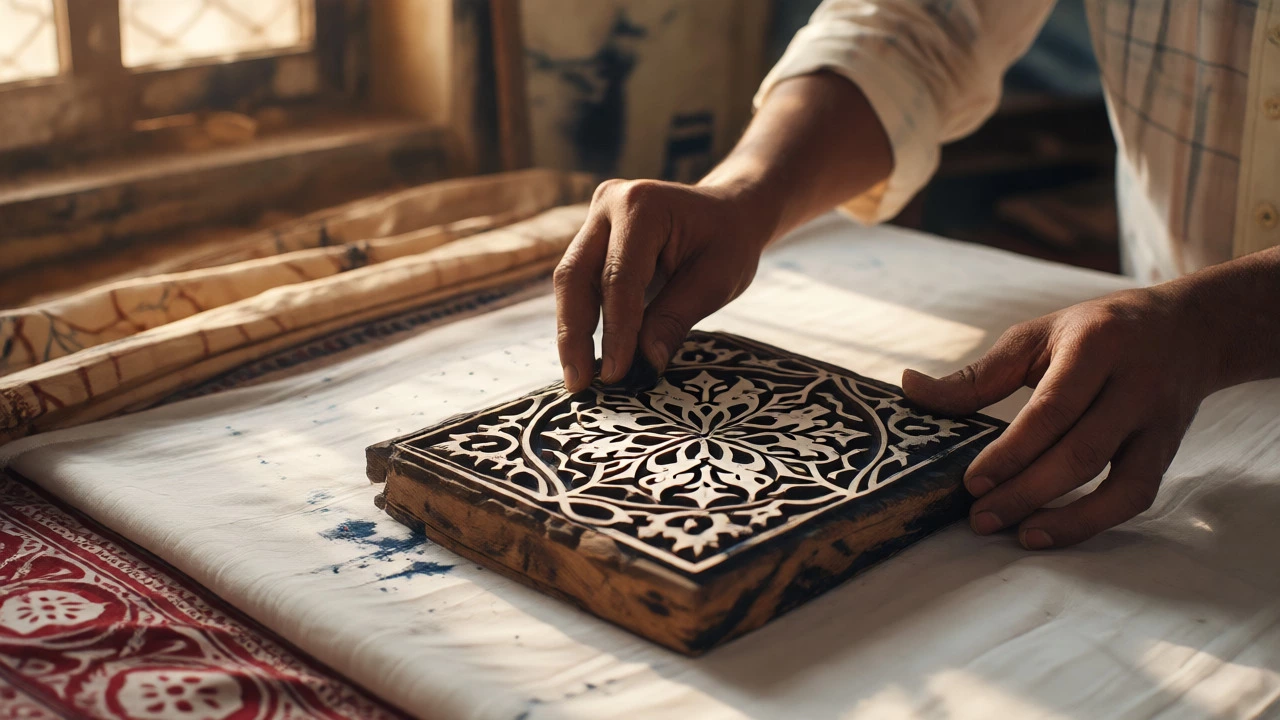
Discover the top handicrafts of Rajasthan, from Block Printing and Blue Pottery to Bandhani and Mirror Work. Learn how to spot authentic pieces and support local artisans.
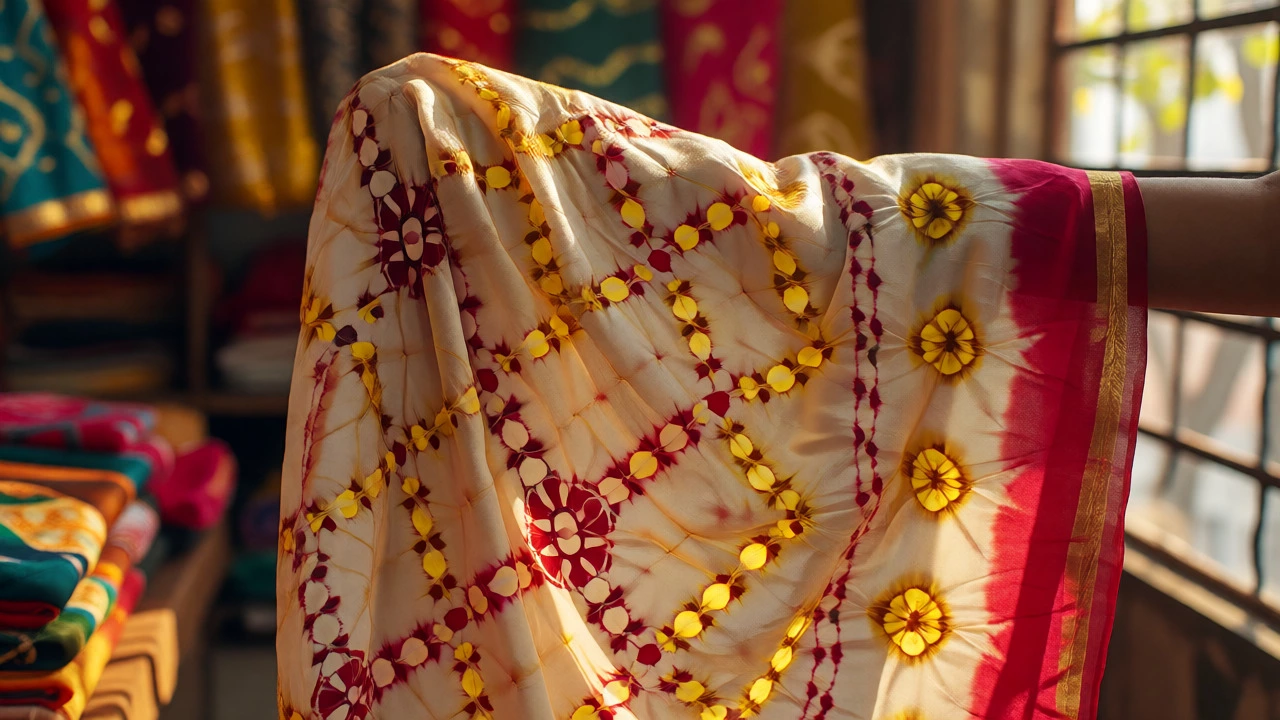
Discover the best gifts from Gujarat, from authentic Bandhani sarees and Patola silks to Kutch embroidery and traditional sweets. Learn how to spot genuine handicrafts and where to shop.
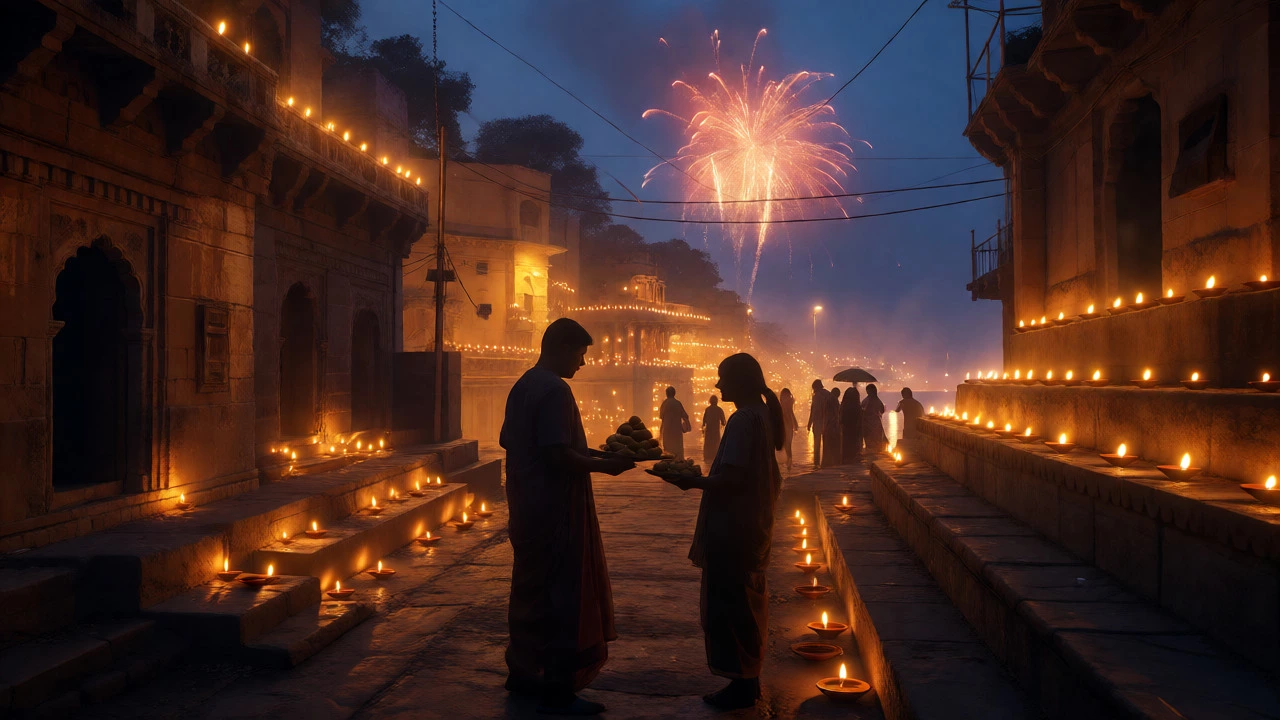
Discover the five most famous festivals of India: Diwali, Holi, Eid, Durga Puja, and Pongal. Learn about their significance, timing, and how to experience them.
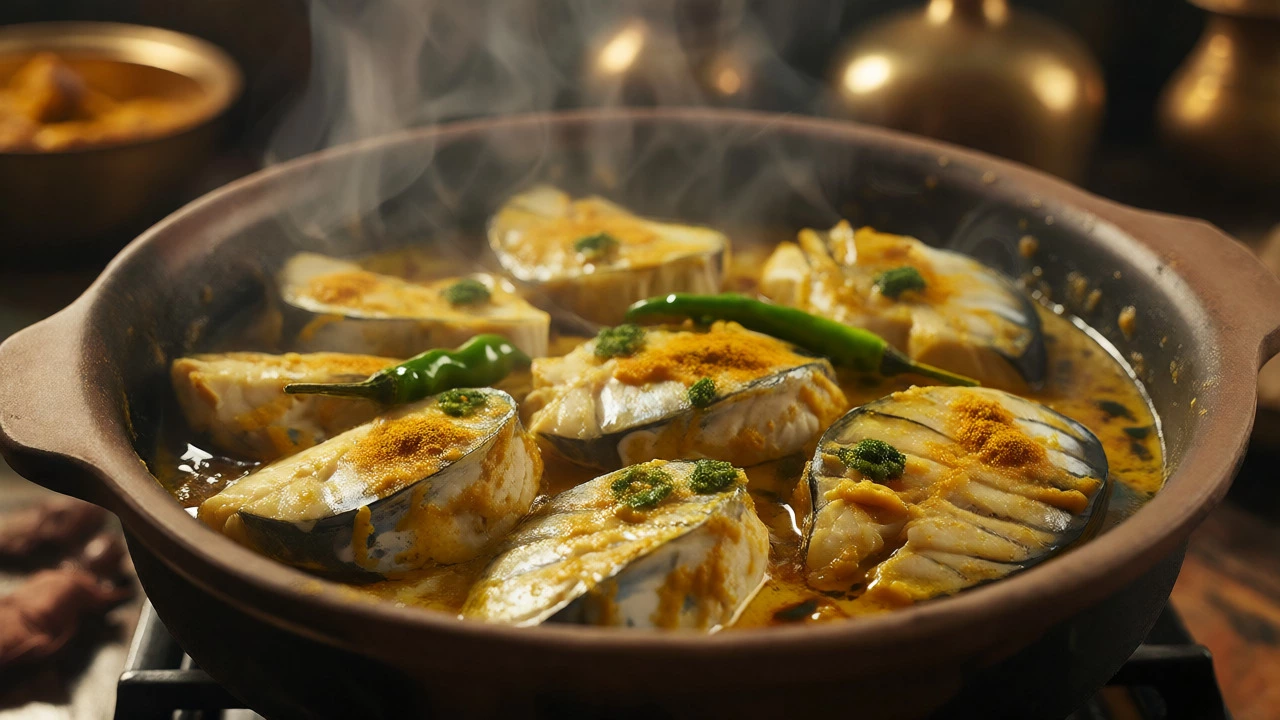
Discover the iconic dishes of Bengal, from Hilsa fish and mustard oil curries to sweet Mishti desserts and vibrant street food. Learn what makes Bengali cuisine unique.
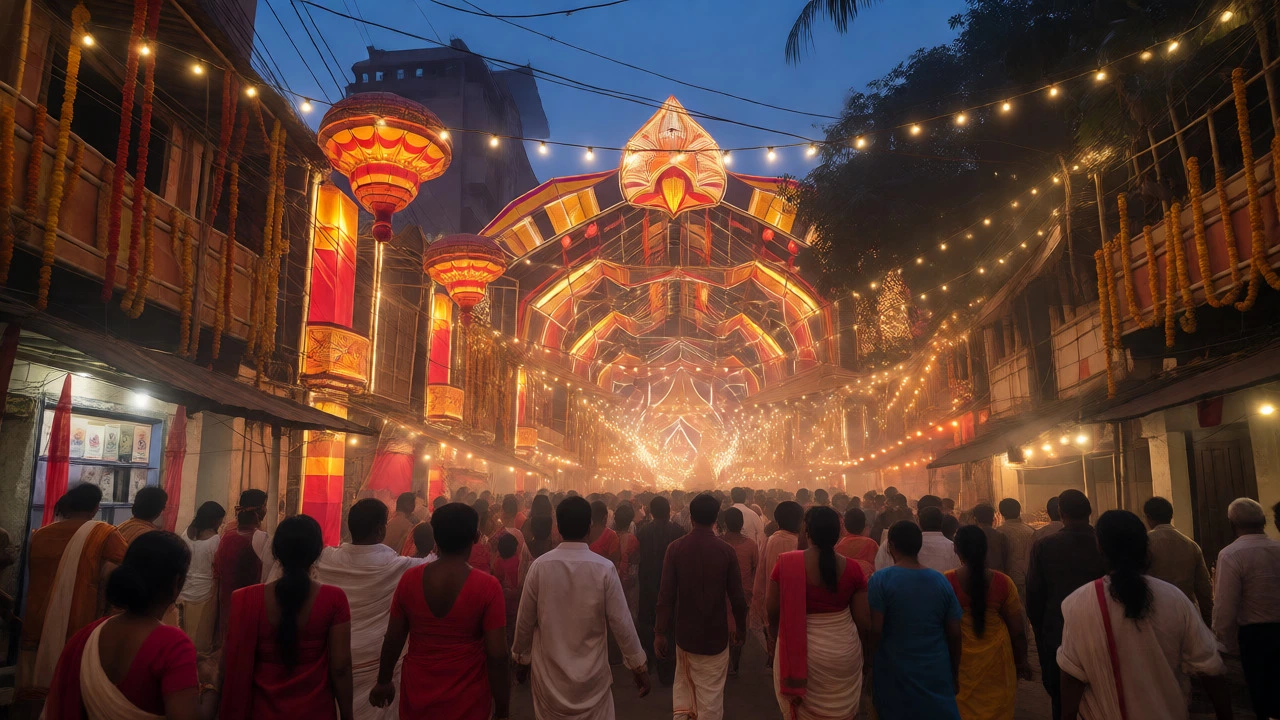
Discover why Durga Puja is the biggest festival of Bengali culture. Explore its history, rituals, art, and global impact in this comprehensive guide.
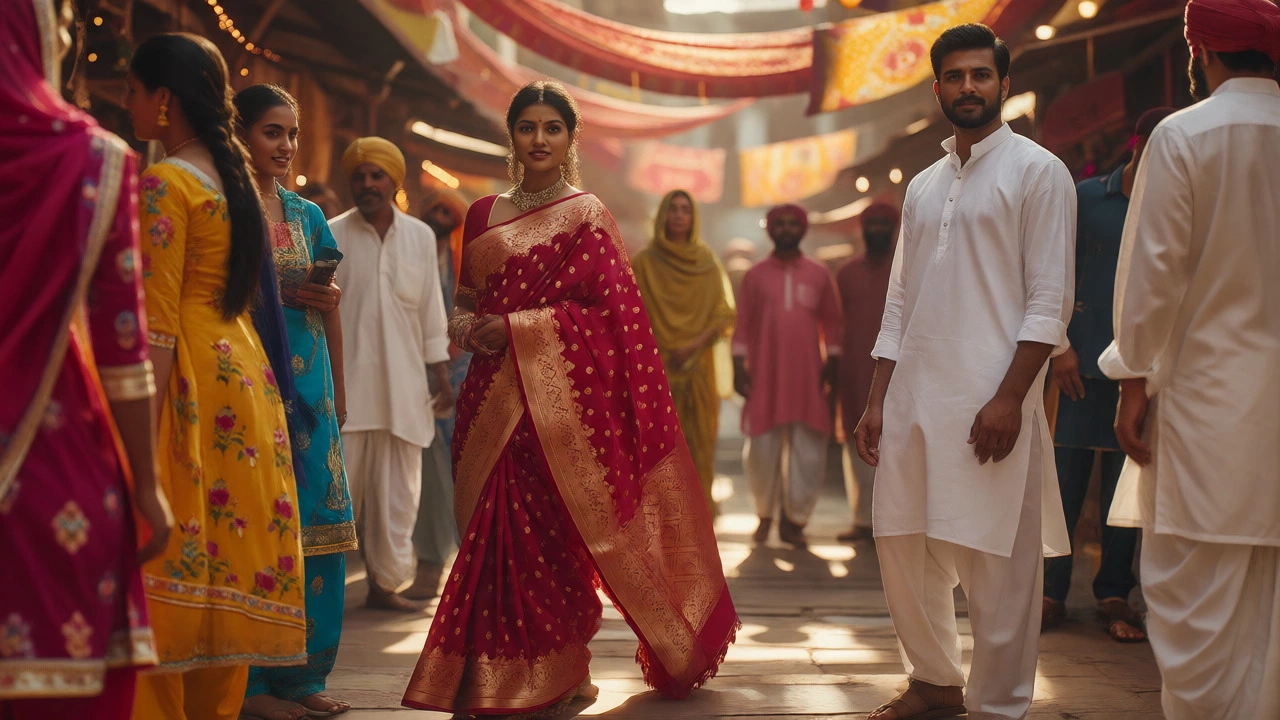
Discover the truth behind India's 'national' costume. Learn why the Sari and Kurta define Indian identity despite the country's lack of a single official dress.
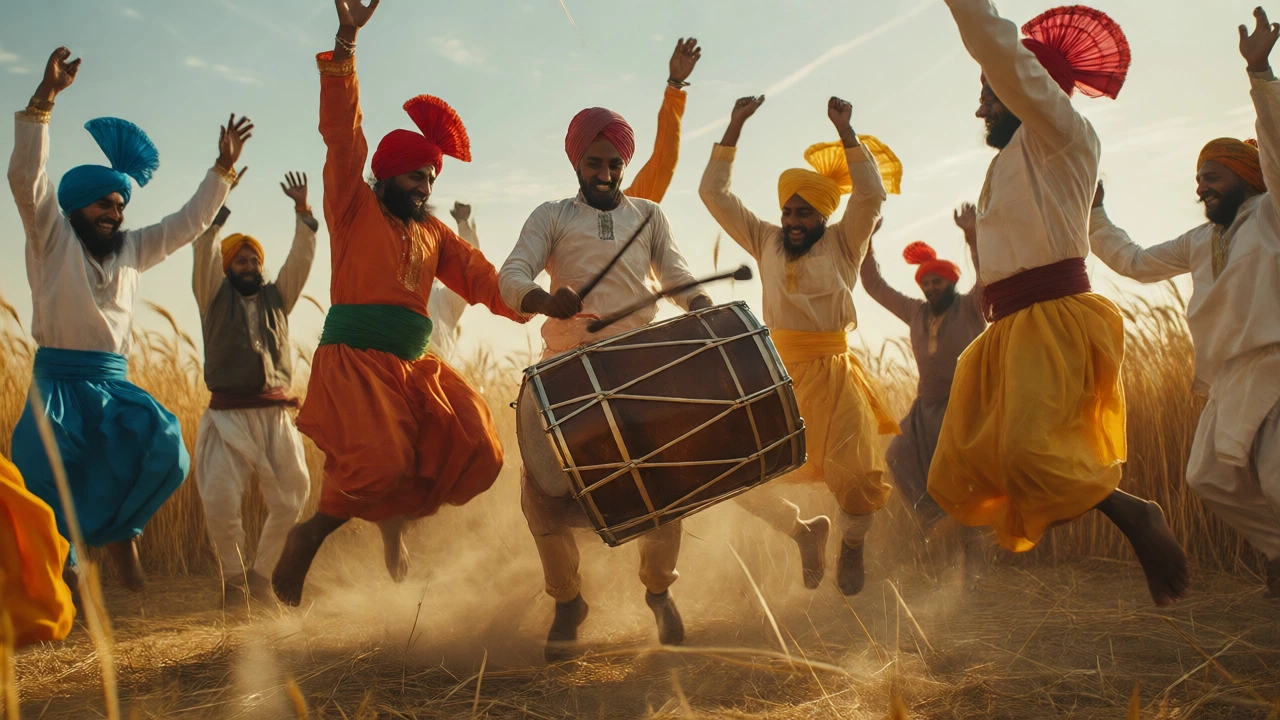
Discover five iconic examples of Indian folk songs, from the energetic Bhangra of Punjab to the mystical Baul of Bengal. Learn about their instruments, origins, and cultural significance.

Discover why Savasana is considered the most healing yoga pose. Learn how stillness resets your nervous system, reduces stress, and aids recovery.