
Ayurvedic Treatment Effectiveness Checker
Select a condition to see the scientific evidence level for Ayurvedic treatments based on clinical trials and medical consensus.
You’ve probably seen the glowing testimonials. People claim that a few weeks of Ayurveda is an ancient Indian system of medicine focused on balancing body energies to promote health cured their chronic pain, cleared their skin, or even reversed diabetes. Then you read a study saying it’s just placebo. So, what’s the truth? Is this 5,000-year-old practice actually effective, or is it mostly tradition dressed up as science?
The answer isn’t a simple yes or no. It depends entirely on what you’re trying to treat, which practitioner you see, and whether you’re looking at clinical trials or anecdotal stories. In this guide, we’ll cut through the hype and look at where Ayurveda shines, where it falls short, and how to stay safe while exploring its benefits.
The Core Philosophy: What Does Ayurveda Actually Do?
To understand if it works, you first have to understand what it’s trying to do. Unlike Western medicine, which often targets specific symptoms or pathogens, Ayurveda focuses on balance. It classifies individuals into three doshas: Vata (air and space), Pitta (fire and water), and Kapha (earth and water).
The theory goes like this: disease happens when these doshas are out of balance. Treatment involves diet changes, herbal remedies, lifestyle adjustments, and detoxification procedures. For example, if you have high Pitta (inflammation, acidity), an Ayurvedic doctor might suggest cooling foods like cucumber and avoid spicy chilies. This makes intuitive sense to many people. Eating less inflammatory food usually helps inflammation.
But does the dosha theory hold up under scientific scrutiny? Not really. There’s no biological marker for "Vata" or "Pitta." However, the personalized approach-treating the individual rather than just the disease name-is increasingly being adopted by modern functional medicine. So, while the metaphysical framework may be outdated, the practical application of personalized care has merit.
Where the Science Says "Yes": Proven Benefits
Let’s look at the conditions where research actually supports Ayurvedic treatments. The strongest evidence comes from studies on joint health and stress.
- Osteoarthritis: Several randomized controlled trials have shown that certain Ayurvedic formulations, particularly those containing Shallaki (Boswellia serrata) and Guggulu (Commiphora mukul), can reduce pain and improve mobility in knee osteoarthritis. Some studies found them comparable to NSAIDs like ibuprofen but with fewer gastrointestinal side effects.
- Anxiety and Stress: Herbs like Ashwagandha (Withania somnifera) have been extensively studied. A notable study published in the Indian Journal of Psychological Medicine showed that Ashwagandha root extract significantly reduced serum cortisol levels (the stress hormone) compared to a placebo. If you’re dealing with mild anxiety or burnout, this isn’t just folklore; there’s data behind it.
- Digestive Health: Conditions like irritable bowel syndrome (IBS) often respond well to Ayurvedic dietary protocols and herbs like Trikatu. The focus on gut health aligns closely with modern microbiome research.
These aren’t miracle cures. They’re supportive therapies that work best when combined with conventional medical advice, not as replacements for it.
The Gray Area: Limited or Mixed Evidence
Not everything in the Ayurvedic pharmacopeia has robust backing. Many claims rely on traditional use rather than double-blind clinical trials. Here’s where things get tricky.
For instance, Ayurveda is often touted for treating diabetes. While some herbs like Methi (fenugreek) and Madhuca longifolia show promise in lowering blood sugar, the results are inconsistent. You cannot replace insulin or metformin with herbal tea alone. Doing so could lead to dangerous complications.
Similarly, claims about reversing heart disease or curing cancer are largely unsupported by rigorous science. While some antioxidants in Ayurvedic herbs may support overall cardiovascular health, they do not dissolve arterial plaque or shrink tumors. Be wary of any practitioner who promises to cure serious chronic diseases solely through Ayurveda.
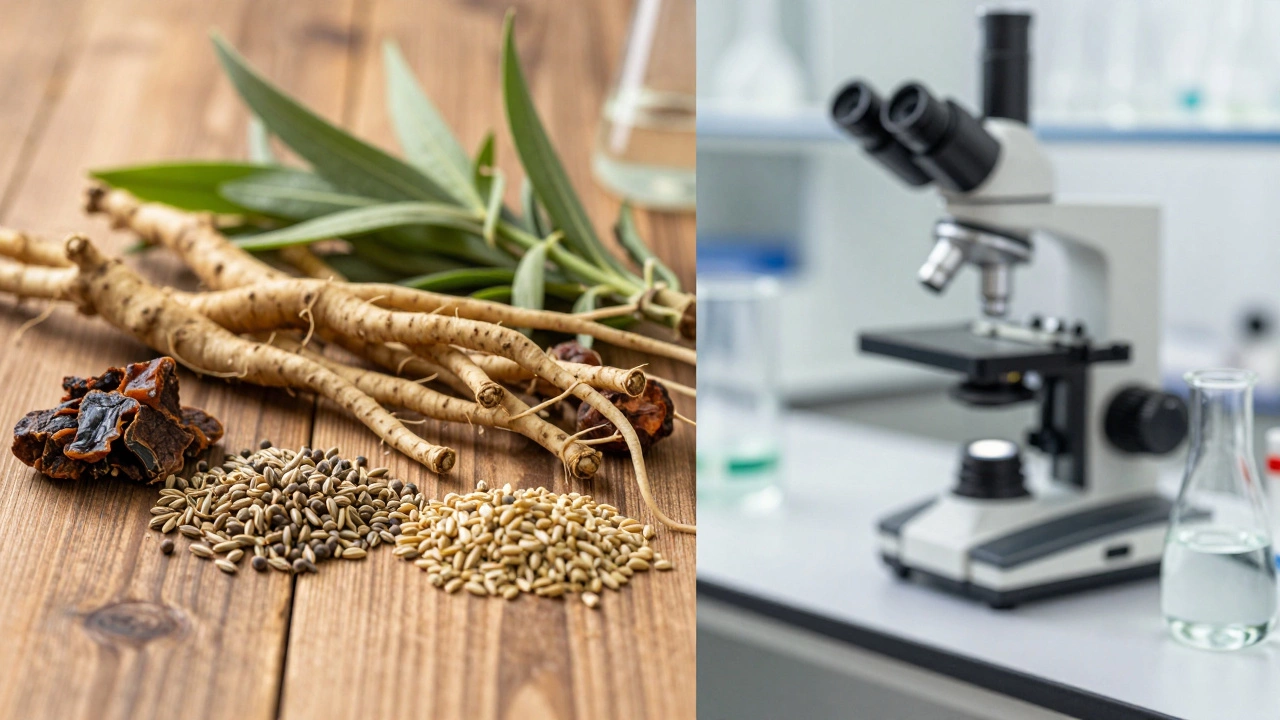
The Dark Side: Safety Risks and Heavy Metals
This is the part most wellness influencers won’t tell you. Traditional Ayurvedic preparations sometimes include Bhasmas-medicines made by calcining metals like lead, mercury, and arsenic. The belief is that the process neutralizes toxicity and makes the minerals bioavailable.
However, multiple studies have found unsafe levels of heavy metals in commercially available Ayurvedic products, especially those imported from India without strict quality control. A study published in JAMA Internal Medicine analyzed 193 Ayurvedic medicines and found that 20% contained detectable lead, mercury, or arsenic. Long-term exposure to these metals can cause kidney damage, neurological issues, and other severe health problems.
If you decide to try Ayurvedic supplements, always choose brands that undergo third-party testing for heavy metals. Look for certifications from organizations like NSF International or USP. Don’t assume "natural" means "safe."
Panchakarma: Detox or Overkill?
Panchakarma is a five-step detoxification process in Ayurveda involving oil massage, steam, and purgation is one of the most famous-and controversial-parts of Ayurveda. It involves intensive oil massages, sweating, enemas, and induced vomiting or diarrhea to "flush out toxins."
Proponents say it resets your metabolism and clears deep-seated blockages. Critics point out that the human liver and kidneys already detoxify your body efficiently. There’s little scientific evidence that Panchakarma removes specific toxins better than normal bodily functions.
That said, many people report feeling relaxed, less stiff, and mentally clearer after a Panchakarma retreat. This is likely due to the combination of rest, hydration, massage, and a clean diet-not necessarily the expulsion of "toxins." If you view it as an expensive spa treatment with potential mild therapeutic benefits, it might be worth it. If you expect it to cure autoimmune diseases, you’ll be disappointed.
How to Choose a Safe and Effective Practitioner
The effectiveness of Ayurveda depends heavily on who’s prescribing it. In India, Ayurvedic doctors must complete a four-year bachelor’s degree (BAMS) and register with the government. In countries like Australia, the US, or the UK, regulation varies widely. Some practitioners are fully trained; others have taken weekend certification courses.
Here’s how to vet an Ayurvedic provider:
- Check Credentials: Look for BAMS (Bachelor of Ayurvedic Medicine and Surgery) or equivalent recognized degrees. Avoid titles like "Ayurvedic Guru" unless backed by formal education.
- Ask About Integrative Care: A good practitioner will encourage you to continue taking prescribed medications for serious conditions like hypertension or diabetes. They should collaborate with your MD, not dismiss them.
- Inquire About Sourcing: Ask where their herbs come from. Reputable clinics source from certified organic farms and test for contaminants.
- Beware of Quick Fixes: If someone promises rapid weight loss or instant cures, walk away. Authentic Ayurveda is slow, gradual, and lifestyle-focused.

Comparison: Ayurveda vs. Conventional Medicine
| Aspect | Ayurveda | Conventional Medicine |
|---|---|---|
| Approach | Holistic, personalized based on doshas | Symptom-focused, standardized protocols |
| Evidence Base | Mixed; strong for some herbs, weak for others | Strong; relies on large-scale clinical trials |
| Speed of Results | Slow; requires lifestyle changes over months | Fast; immediate symptom relief common |
| Safety Profile | Risk of heavy metals if unregulated | Known side effects; regulated by FDA/TGA |
| Best For | Chronic pain, stress, digestion, prevention | Acute illness, infections, surgery, emergencies |
Realistic Expectations: What Can You Achieve?
If you’re considering Ayurveda, set realistic goals. It’s not a magic bullet. It’s a complementary tool. Think of it as adding vegetables to your diet, not replacing your entire kitchen.
You might find relief from chronic lower back pain through yoga and herbal oils. You might sleep better with Ashwagandha. You might digest food more easily with ginger and cumin teas. These are meaningful improvements that enhance quality of life.
But don’t stop taking your blood pressure medication because an Ayurvedic healer says you’re "too Kapha." Don’t ignore a lump because you’re doing a detox cleanse. Use Ayurveda to support your health, not to gamble with it.
Final Thoughts: Balance Is Key
Ayurveda offers valuable insights into preventive health, nutrition, and stress management. Its emphasis on living in harmony with nature and listening to your body resonates with modern wellness trends. However, its effectiveness is limited by a lack of rigorous scientific validation for many claims and significant safety risks regarding product quality.
The smartest approach is integrative. Work with both a conventional doctor and a qualified Ayurvedic practitioner. Share your full health history with both. Use Ayurveda for what it does well-managing chronic, low-grade issues and improving daily well-being-and rely on conventional medicine for acute, life-threatening, or complex conditions.
Is Ayurvedic medicine approved by the FDA or TGA?
No. In the US, the FDA regulates Ayurvedic products as dietary supplements, not drugs. This means they don’t need to prove efficacy before being sold. In Australia, the TGA regulates complementary medicines, but approval doesn’t guarantee effectiveness, only safety standards. Always check for registration numbers on packaging.
Can Ayurveda help with weight loss?
Ayurveda can support weight loss through dietary changes and herbs like Guggulu that may boost metabolism. However, it’s not a quick fix. Sustainable weight loss still requires a calorie deficit and regular exercise. Avoid products promising rapid fat burning without lifestyle changes.
Are Ayurvedic herbs safe during pregnancy?
Many Ayurvedic herbs are not safe during pregnancy. Some can stimulate uterine contractions or affect fetal development. Always consult your obstetrician before taking any herbal supplement while pregnant or breastfeeding.
How long does it take to see results from Ayurveda?
Results vary widely. For mild digestive issues, you might feel better in a few days. For chronic conditions like arthritis or anxiety, it may take 4-8 weeks of consistent practice. Ayurveda emphasizes gradual change, so patience is essential.
What is the cost of seeing an Ayurvedic practitioner?
Costs vary by location and practitioner experience. In India, consultations may cost $10-$30. In Western countries, initial consultations can range from $100-$300, with follow-ups costing $50-$150. Herbal supplements add ongoing costs. Check if your health insurance covers complementary therapies.