Tamil traditions: Festivals, folk arts, and daily rituals that define a culture
When you think of Tamil traditions, the living customs, rituals, and artistic expressions passed down for thousands of years in Tamil Nadu and among Tamil communities worldwide. Also known as Tamil cultural practices, these traditions aren’t relics—they’re daily acts of identity, from lighting oil lamps at dawn to singing wordless rhythms in village squares. These aren’t just events you watch. They’re the heartbeat of a people who’ve kept their language, music, and spiritual rhythm alive through centuries of change.
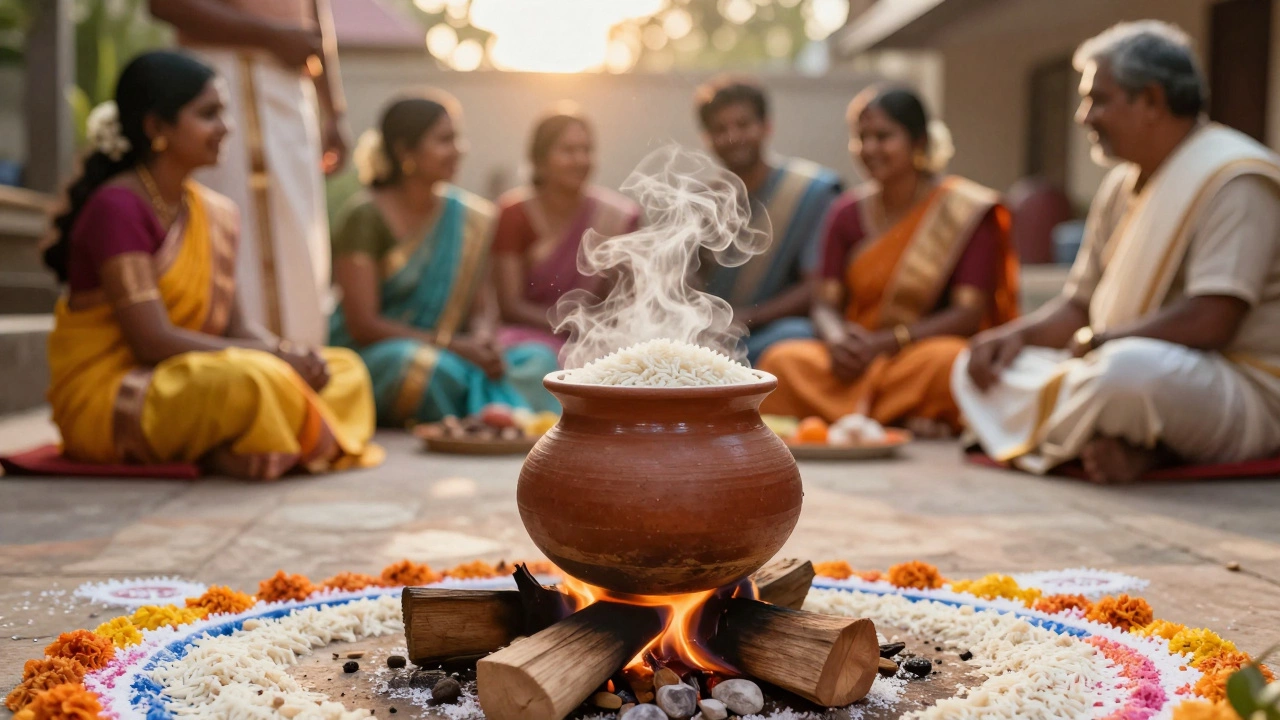
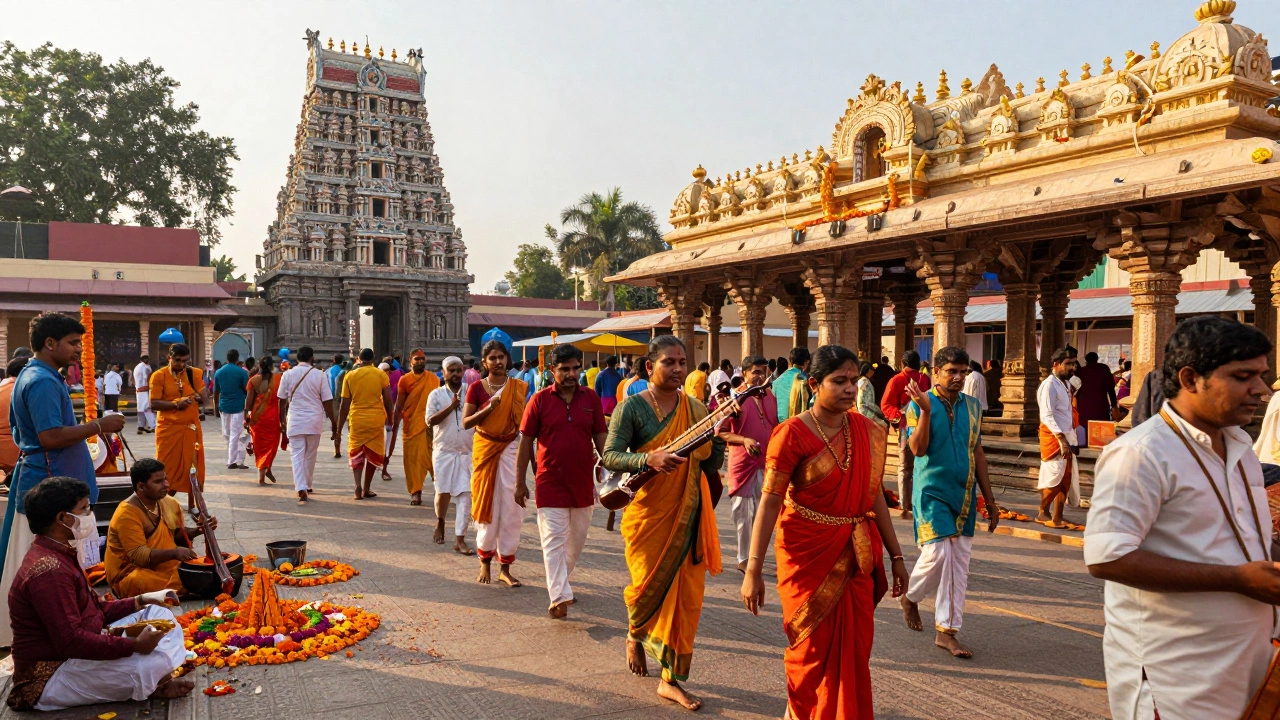
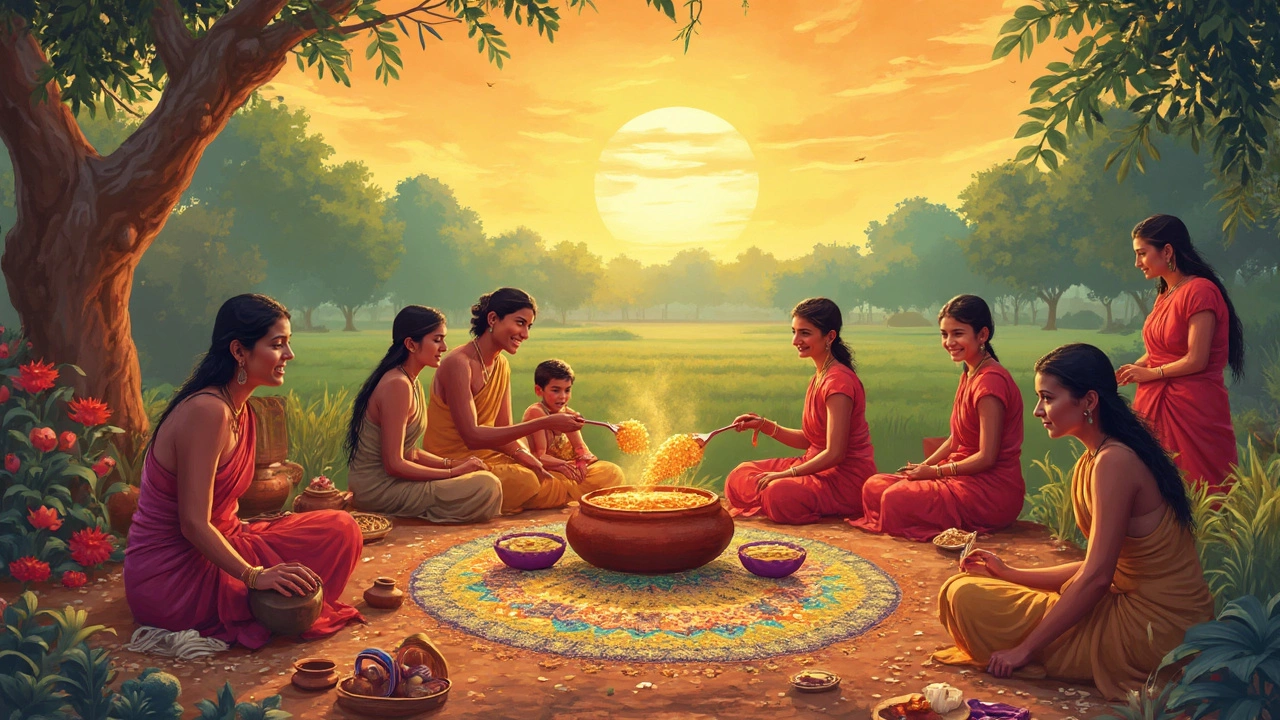
Take Tamil festivals, a vibrant mix of Hindu rituals and local customs unique to the region. Also known as Tamil religious celebrations, they’re not copies of North Indian holidays. Diwali is celebrated, yes—but it blends with Karthigai Deepam, where thousands of oil lamps flicker on rooftops in a silent, glowing prayer. Navratri? It’s observed, but with Tamil hymns, not Hindi bhajans. And then there’s Pongal, the harvest festival where rice boils over in clay pots as an offering to the sun—not just a meal, but a covenant with the land. These aren’t tourist shows. They’re rooted in agrarian cycles, temple calendars, and family routines that haven’t changed much since the Sangam era.
Behind every festival is a story told through movement. Tamil folklore, the myths, songs, and dances passed orally from grandparent to child. Also known as Tamil oral traditions, it includes Karakattam, where dancers balance clay pots on their heads while spinning, and Puliyattam, where performers paint themselves as tigers to honor village deities. These aren’t performances for stages—they’re sacred acts, done in temple courtyards and village roads, often without an audience, because the act itself is the prayer. And then there’s Carnatic music, the classical system that thrives in Tamil homes, temples, and concert halls, distinct from Hindustani music in structure, devotion, and instrument choice. Also known as South Indian classical music, it’s not just notes—it’s a language of emotion, where a single raga can carry grief, joy, or longing. You’ll hear it in the morning chants of temple priests, in the rhythmic claps of women grinding rice, even in the nonsense singing called bol banao—where words vanish and only rhythm remains, carrying the soul of the moment.
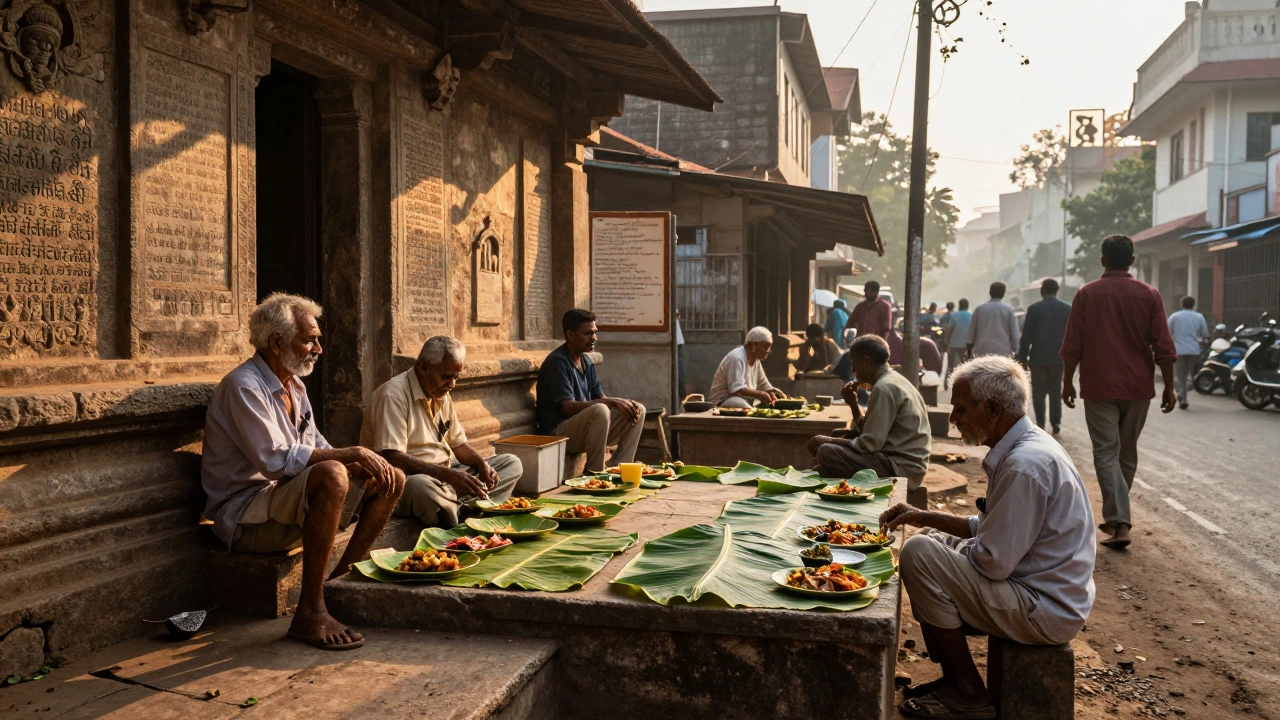
These traditions don’t live in museums. They live in kitchens where sweets are made for Diwali, in fields where farmers sing to the rain, in the way elders still touch the feet of younger family members not out of formality, but because it’s how love is spoken. This collection of articles doesn’t just describe these customs—it shows you how they’re still breathing, changing, surviving. Whether you’re curious why Tamil gods are painted blue, how a folk song can carry a village’s history, or why Ayurveda is woven into daily life here, you’ll find it all in the posts below—real stories from real people who live these traditions, not just observe them.