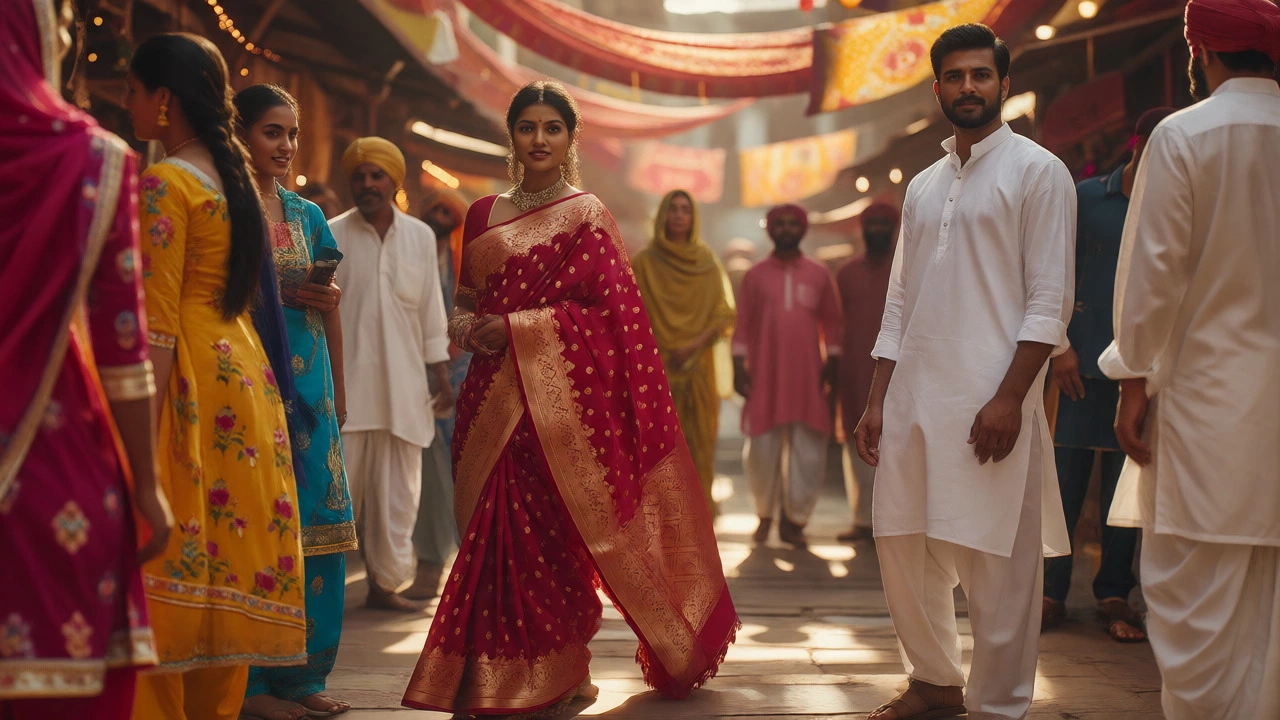
What is the National Costume of India? A Guide to Traditional Indian Clothing
Discover the truth behind India's 'national' costume. Learn why the Sari and Kurta define Indian identity despite the country's lack of a single official dress.
When we talk about Indian clothing, the diverse range of garments worn across India’s regions, often tied to culture, climate, and ceremony. Also known as ethnic wear, it’s not just fabric—it’s identity, history, and daily life woven together. From the flowing drape of a saree, a six-yard unstitched cloth worn in over 20 different styles across India, often for weddings and festivals. Also known as sari, it’s a staple for women in most states. to the relaxed comfort of a kurta pajama, a long tunic paired with loose pants, worn by men and women alike for both casual and formal events. Also known as kurta set, it’s the go-to outfit for Diwali, family dinners, and even office days in many homes. These aren’t costumes. They’re living traditions that adapt, evolve, and sometimes surprise you.
What you wear in India isn’t just about fashion—it’s about context. In cities, you’ll see young women pairing a printed kurta with jeans. In villages, you’ll find men in dhotis and women in colorful cotton sarees. The rules aren’t written down, but they’re felt. Can you wear shorts? Yes, in some places. Can a 40-year-old woman wear a mini skirt? Some do, quietly, without asking permission. The real question isn’t whether it’s allowed—it’s whether you understand the space you’re in. Indian clothing isn’t one thing. It’s hundreds of local practices, each with its own rhythm. And if you’re trying to wear it respectfully, you need to know the difference between a temple and a beach, a wedding and a bus ride.
There’s a reason people keep asking: What do Indian girls wear? What’s the dress code in India? Why does it feel so complicated? Because it’s not about covering up—it’s about connection. A saree isn’t just fabric; it’s how your grandmother taught you to pleat it. A kurta isn’t just a shirt; it’s what your uncle wore to your cousin’s engagement. These clothes carry stories. And when you wear them, even just once, you’re stepping into a conversation that’s been going on for centuries.
Below, you’ll find real guides—no fluff, no assumptions. Learn what Indian shorts are called in different languages. Find out if showing your legs is okay in Delhi versus Kerala. See how to style a tunic without looking like you’re in a costume. Discover why age doesn’t have to limit your style, and how etiquette isn’t about rules—it’s about respect. Whether you’re traveling, attending a wedding, or just curious, these articles give you the practical truth behind the clothes.
Discover the truth behind India's 'national' costume. Learn why the Sari and Kurta define Indian identity despite the country's lack of a single official dress.
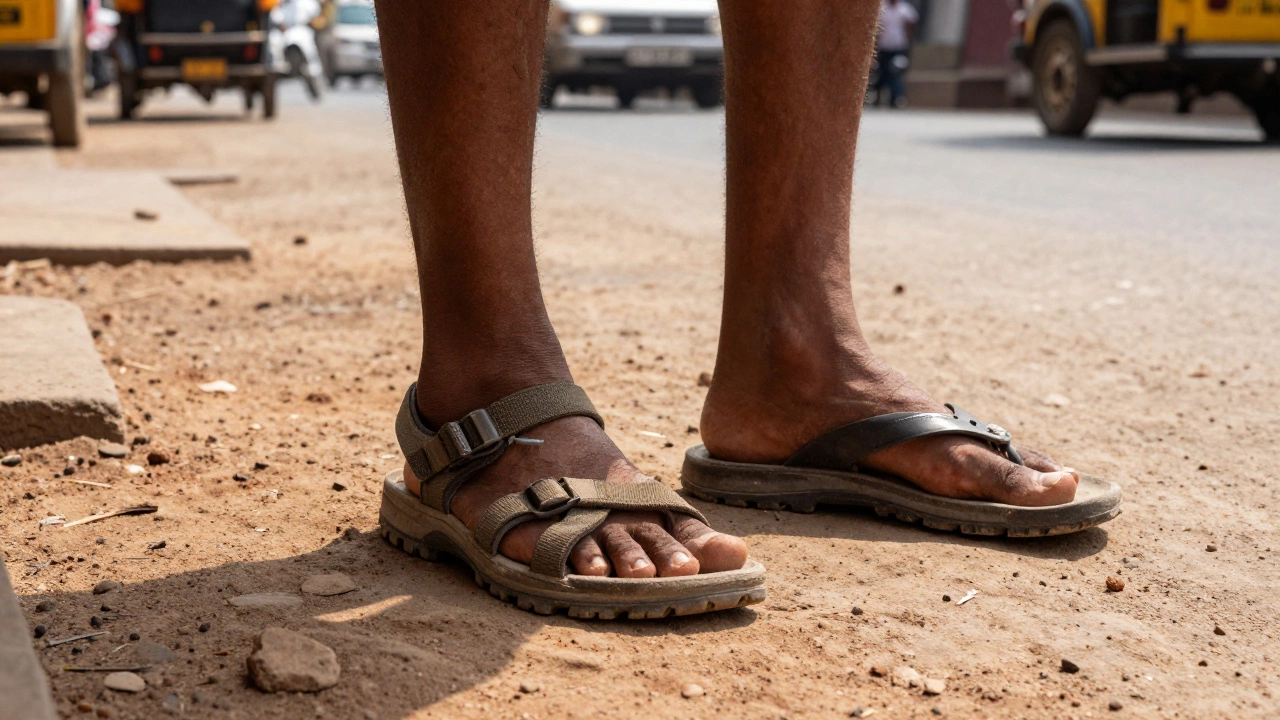
Thinking of wearing flip-flops in India? Discover the truth about footwear safety, temple etiquette, and health risks. Learn what shoes to pack for a comfortable and respectful trip.
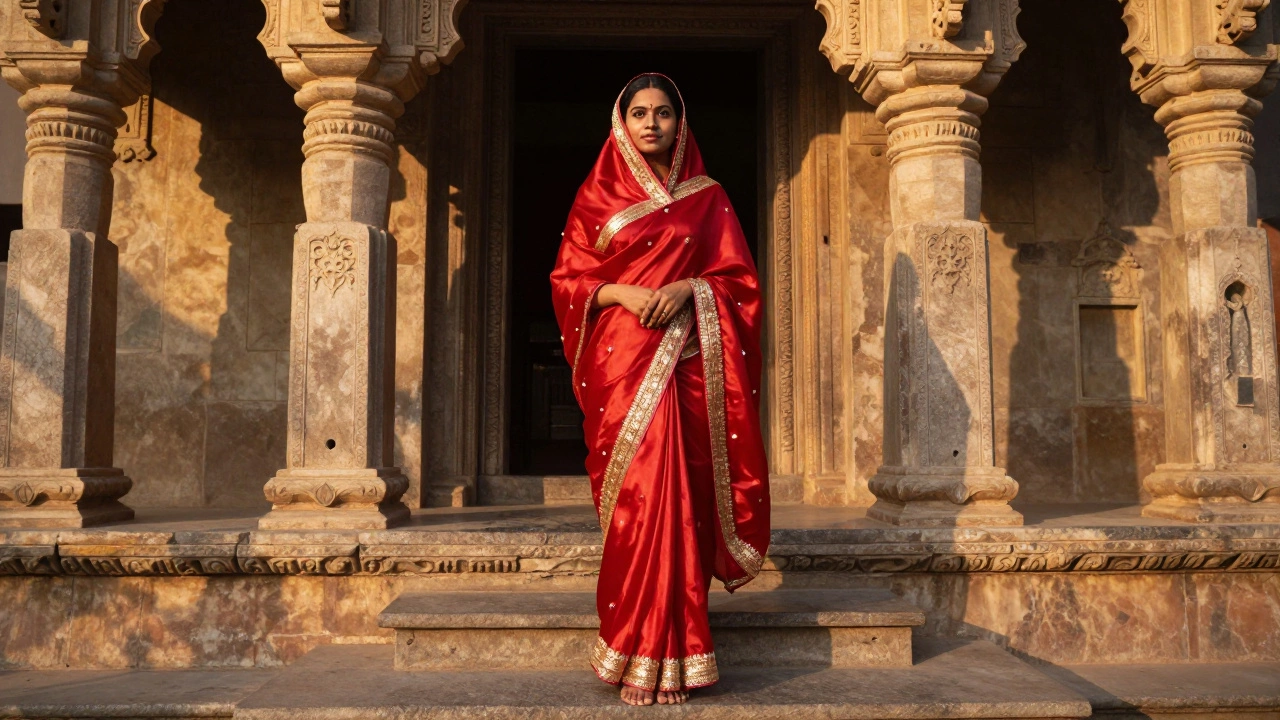
India's dress etiquette blends modesty, regional traditions, and religious customs. Learn what to wear-and what to avoid-when visiting temples, weddings, and workplaces across the country.
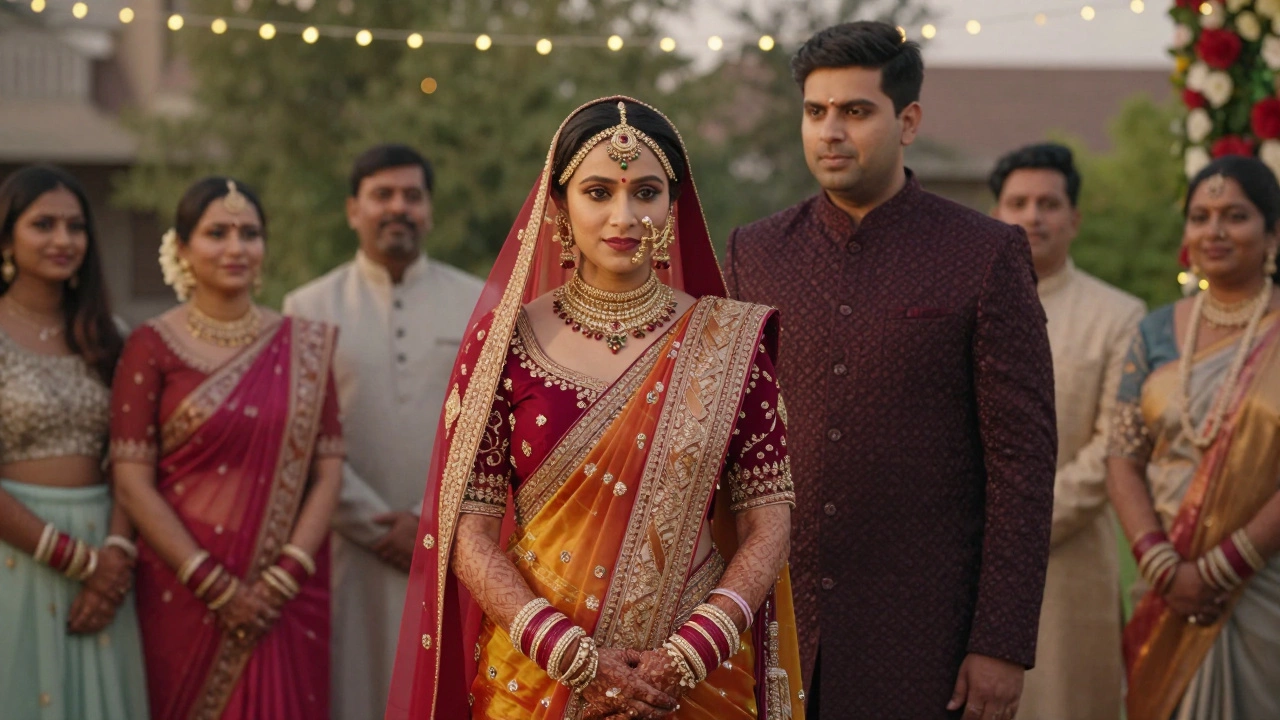
Indian formal dress code varies by region, religion, and occasion. From silk sarees to sherwanis, traditional attire carries deep cultural meaning. Learn what to wear-and what to avoid-for weddings, ceremonies, and formal events.
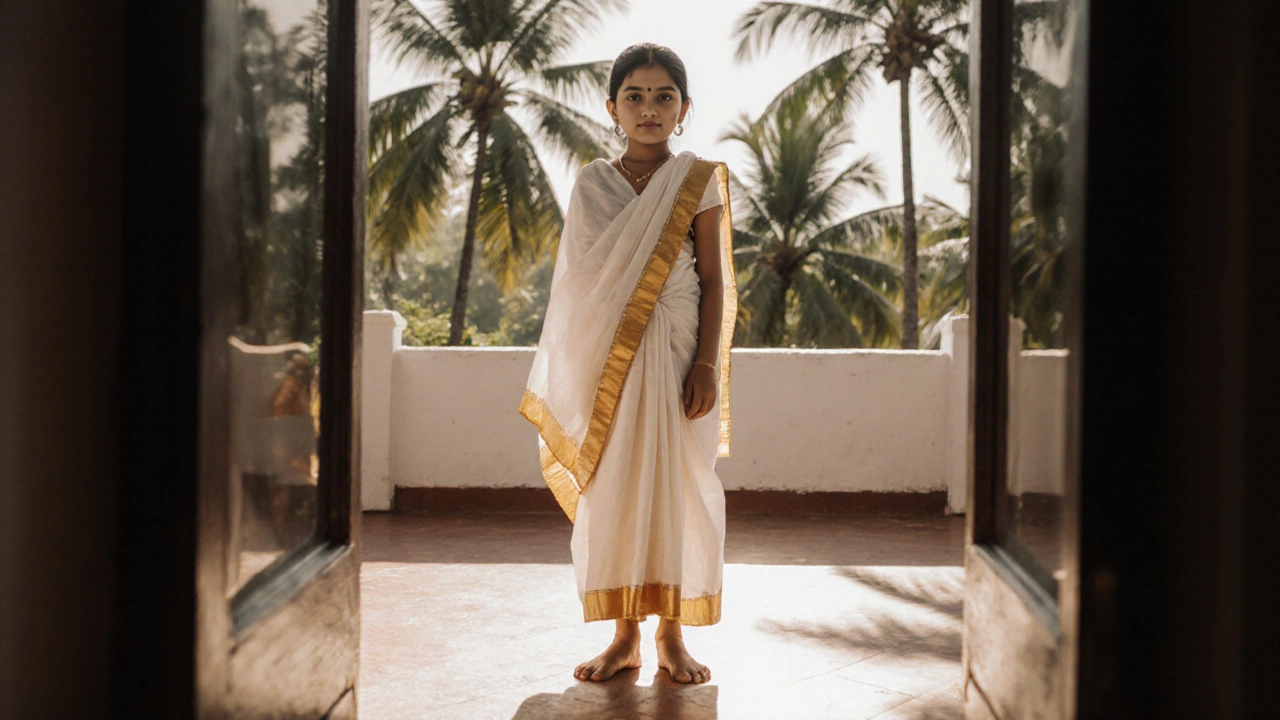
Indian girls wear a wide variety of traditional clothing based on region, occasion, and personal style-from sarees and lehengas to salwar kameez and chaniya cholis. There’s no single look, just deep cultural diversity.
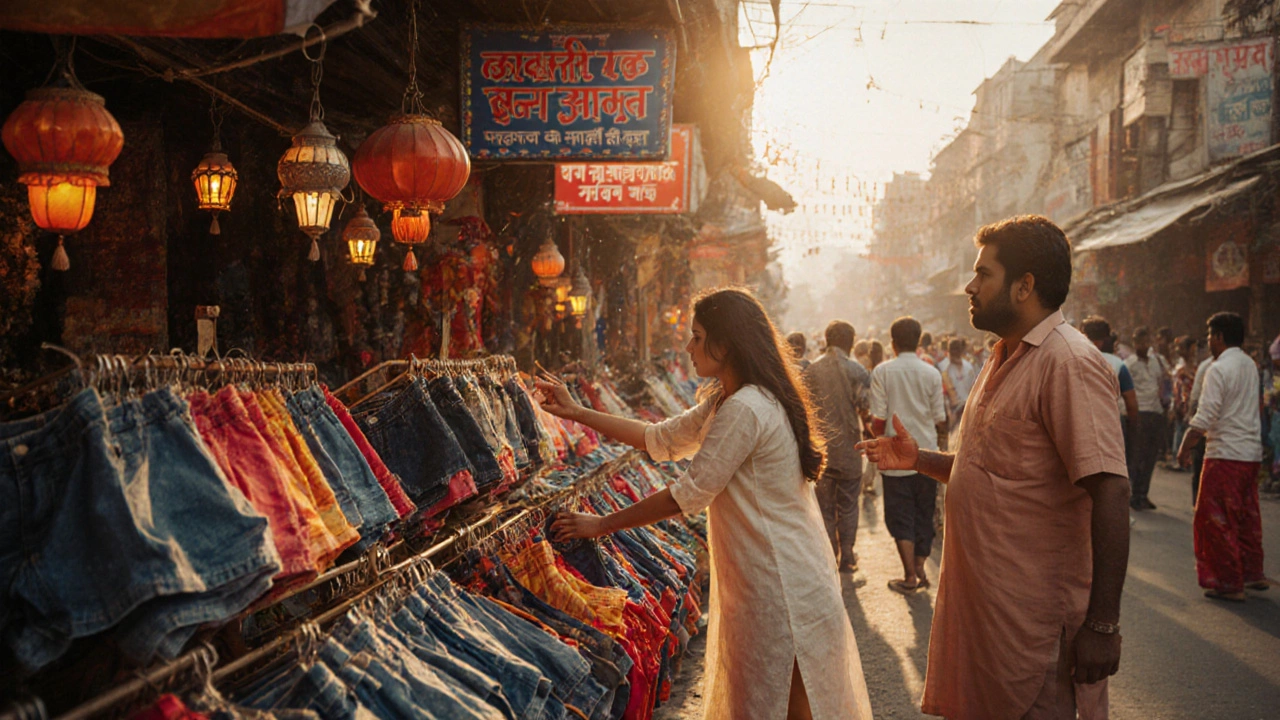
Explore what Indian shorts are called across languages, discover traditional alternatives, and learn where to buy the right pair for any occasion.
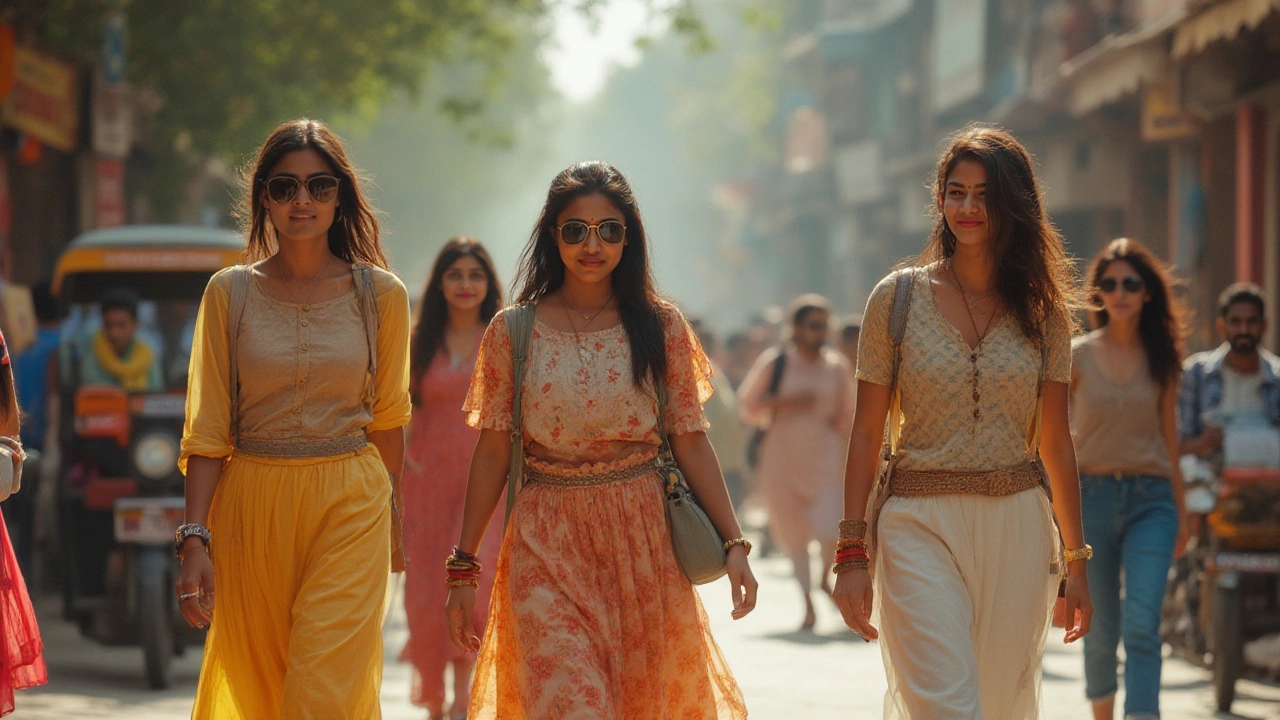
Worried about showing your legs in India? Learn exactly where and when it's okay, and get practical, people-tested tips to dress smart—without stress.
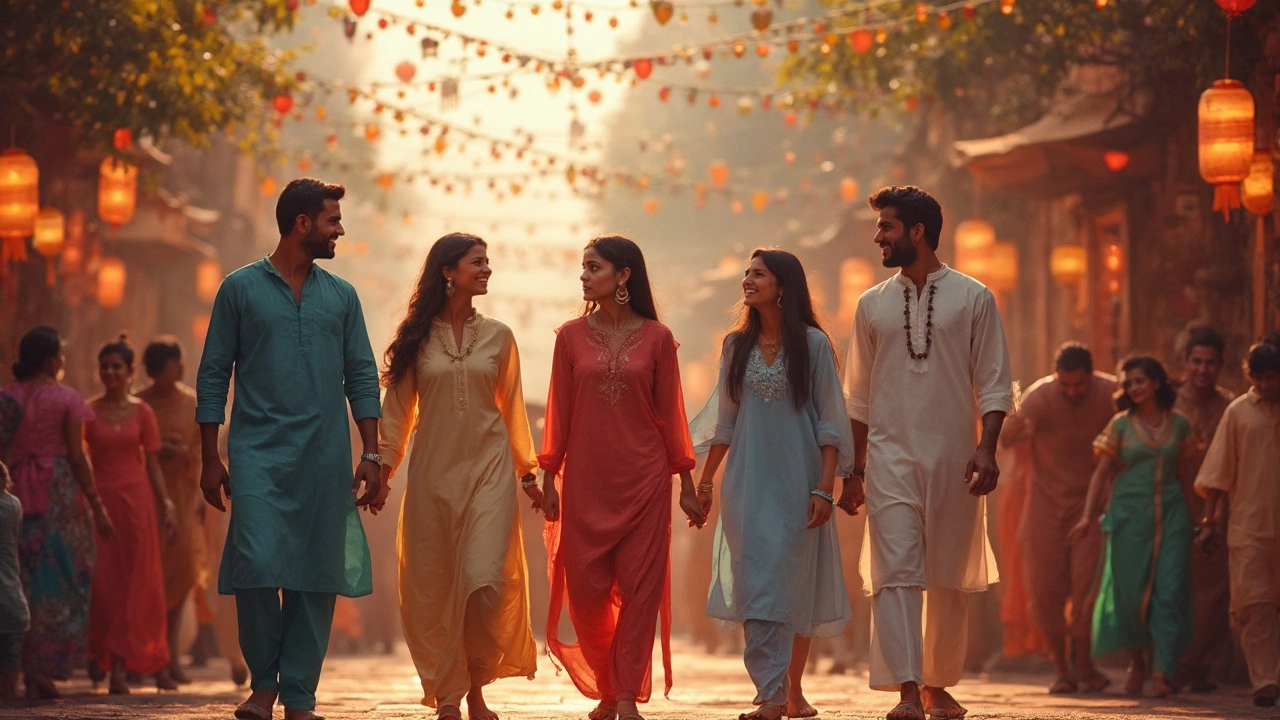
Ever wondered what those long, flowing Indian shirts and comfy matching pants are called? This article breaks down the names, origins, and practical tips on wearing Indian tunics and pants. You'll learn about styles like the kurta pajama, who wears them, and how to style them for comfort or events. Discover why these outfits aren't just traditional but also loved for their simplicity and ease. Get the lowdown on caring for and choosing the right set for any occasion.
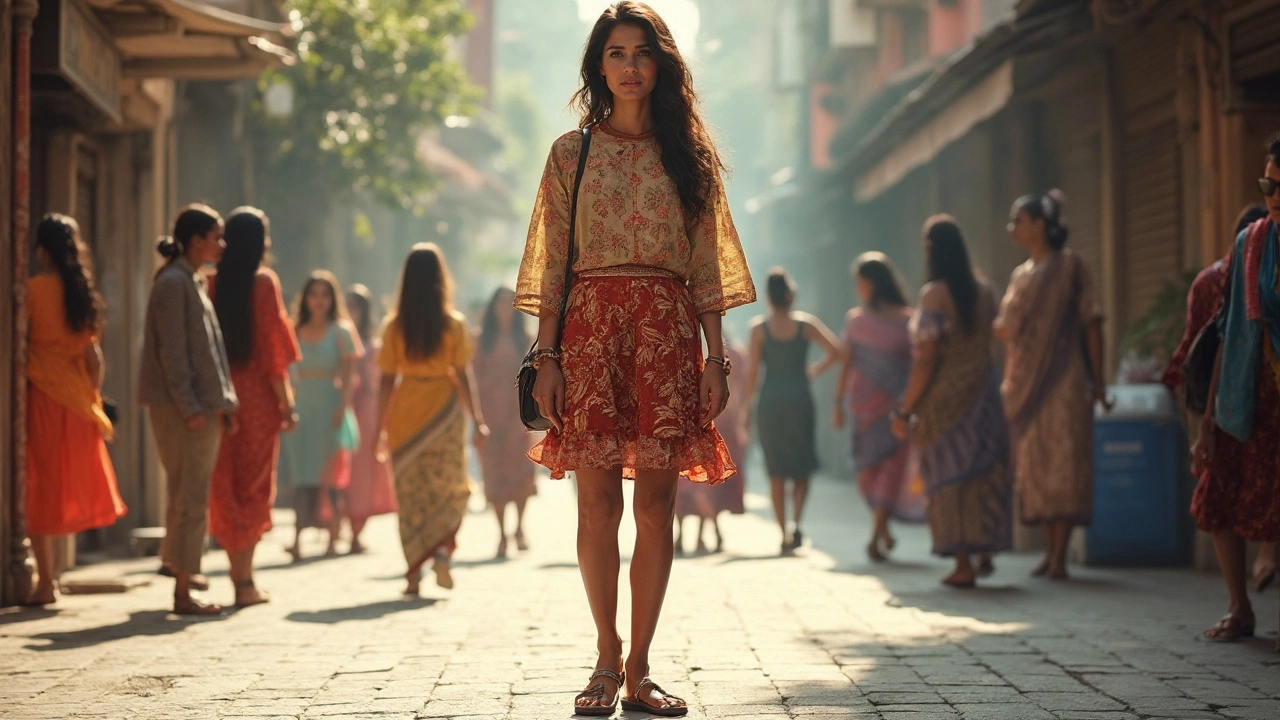
Wondering if a 40-year-old woman can rock a mini skirt within the bounds of traditional Indian clothing? This article dives straight into style rules, societal norms, and practical tips. We’ll break down real-life examples, look at why these ideas exist, and give you advice for blending Western fashion with Indian tradition. Find style inspiration for different body types and personal comfort levels. Say goodbye to fashion anxiety and discover if age or tradition really need to call the shots in your wardrobe.
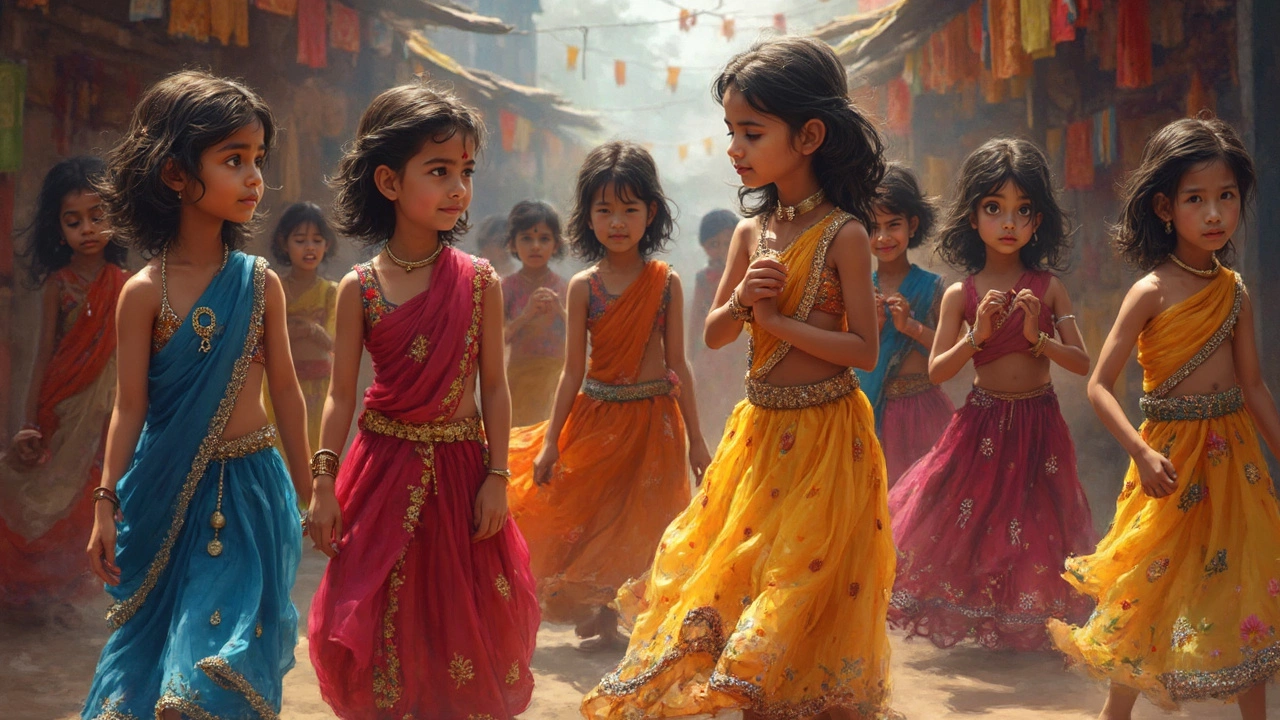
Indian girls' clothing varies across regions, blending cultural heritage with vibrant style. Traditional outfits like sarees, salwar kameez, and lehengas are adored for ceremonies and daily wear, featuring intricate designs and iconic fabrics. Fashion-forward adaptations keep these styles relevant and exciting, balancing tradition with modernity. Delving into this world of rich textures and hues offers insights into India’s diverse cultural tapestry.
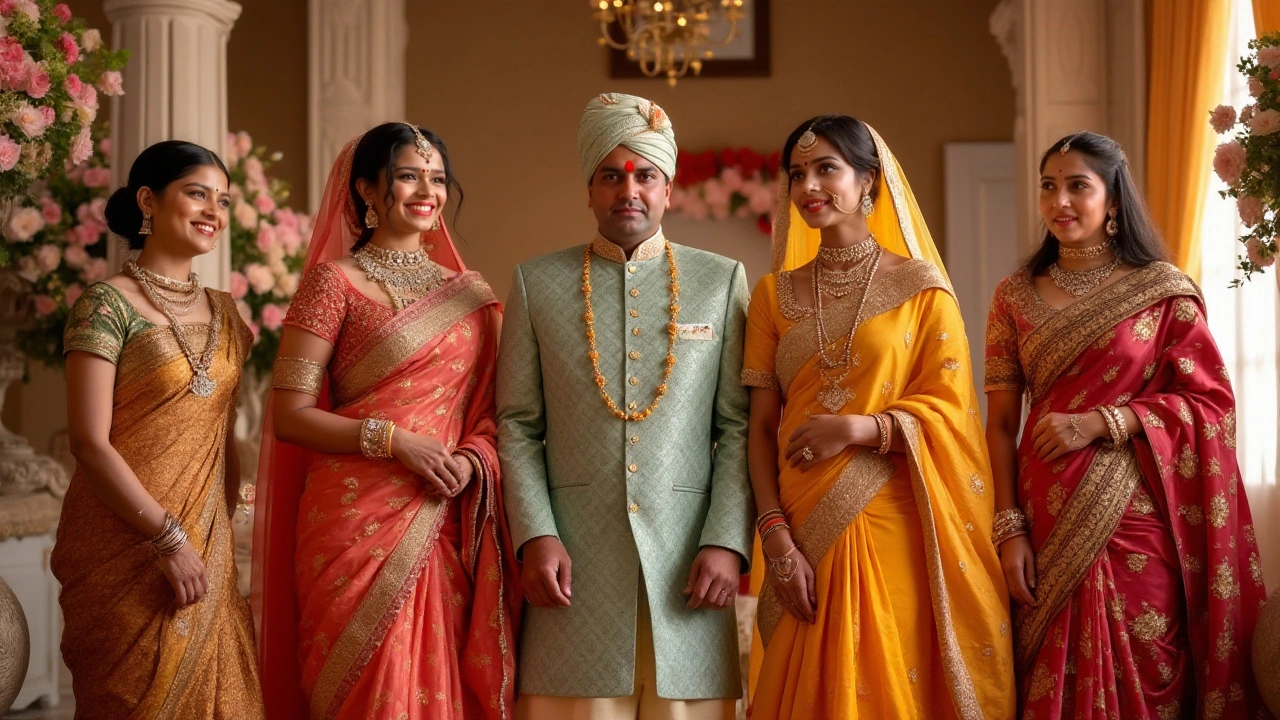
Understanding the etiquette of wearing traditional Indian clothes enhances not just the elegance but also the cultural respect and appreciation one wishes to convey. Each piece of attire in the Indian wardrobe carries its own significance, weaving a story that is as old as time. This article explores the nuanced traditions, the dos and don’ts, and the beauty of Indian attire, alongside tips for dressing appropriately for various occasions. Respecting cultural norms is essential when donning traditional clothing, and knowing the intricacies will ensure you always look the part.