India Heritage Explorer 2026
Explore the layers of history in India. Select a category below to see the official counts, specific examples, and key details about how heritage is preserved.
Cultural Sites
Temples, Forts & ArchitectureNatural Sites
Parks & BiodiversityMixed Site
Culture meets NatureNational Inventory (ASI)
Monuments protected by lawIntangible Heritage
Living traditions & ArtsIndia is a land where history isn't just written in books; it is carved into stone, painted on walls, and woven into the daily lives of millions. When you ask how many heritage sites are there in India, the answer depends entirely on who you ask. If you mean UNESCO World Heritage Sites, the number is precise and growing. If you include national monuments protected by law or local shrines passed down through generations, the number becomes almost impossible to count.
For most travelers, historians, and culture enthusiasts, the benchmark is the United Nations Educational, Scientific and Cultural Organization (UNESCO). As of early 2026, India holds a significant place on the global stage with 43 UNESCO World Heritage Sites. This makes India one of the countries with the highest number of such designations in the world, sitting comfortably within the top five alongside China, Germany, Italy, and Mexico.
The Official Count: UNESCO World Heritage Sites
To understand the weight of this number, we need to look at what qualifies. A site must demonstrate "Outstanding Universal Value"-meaning it has significance for all humanity, not just the local community. India’s list is a mix of three distinct categories: cultural, natural, and mixed (both cultural and natural).
- Cultural Sites: These make up the bulk of the list, totaling 37 sites. They range from ancient temples and forts to colonial architecture and stepwells.
- Natural Sites: There are 5 sites dedicated to biodiversity, including national parks and wildlife sanctuaries.
- Mixed Sites: Only 1 site currently holds both titles, reflecting a perfect balance of human history and ecological importance.
The journey started in 1983 when the first batch was inscribed. Since then, new sites have been added annually during UNESCO’s General Assembly meetings. The most recent additions have included industrial heritage sites and linear features like the Great Himalayan National Park expansions, showing that heritage is no longer limited to palaces and temples.
| Category | Count | Examples |
|---|---|---|
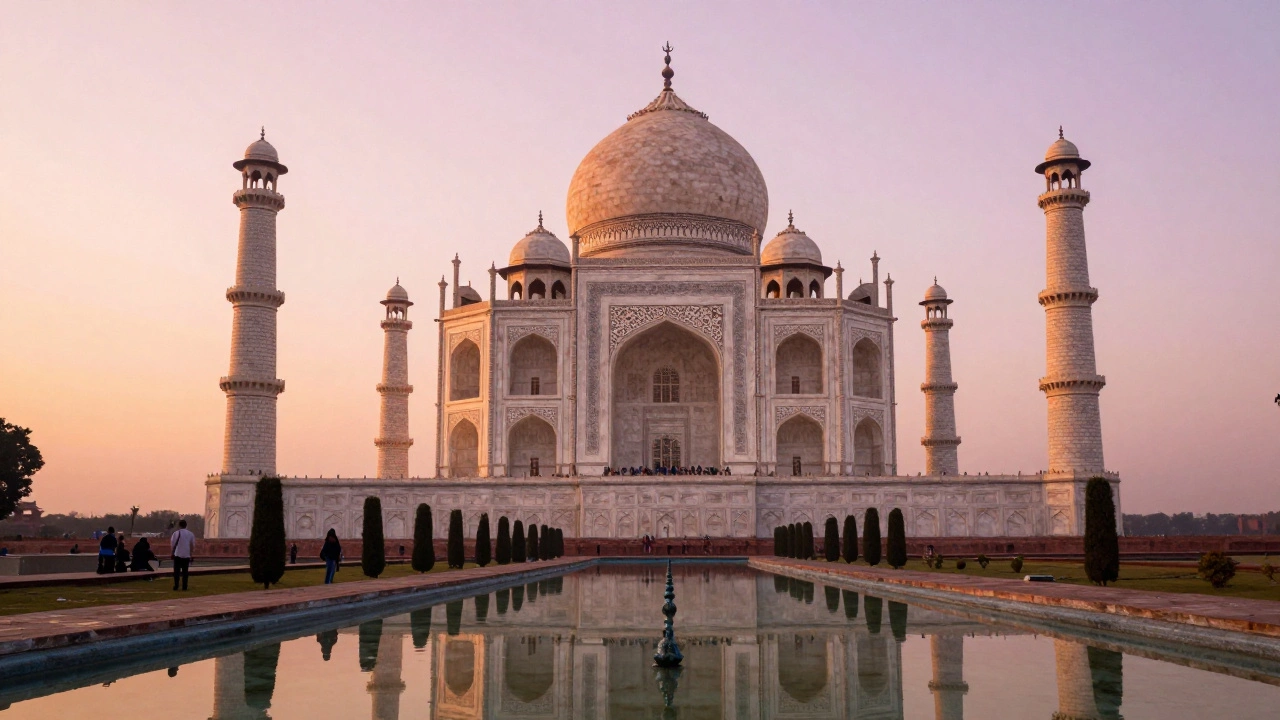
| Cultural | 37 | Taj Mahal, Hampi, Red Fort, Ajanta Caves |
| Natural | 5 | Kaziranga National Park, Sundarbans, Nanda Devi |
| Mixed | 1 | Khangchendzonga National Park |
Beyond UNESCO: The National Inventory
While UNESCO gets the spotlight, the real scale of India’s heritage is managed domestically by the Archaeological Survey of India (ASI). The ASI is responsible for protecting, preserving, and excavating archaeological sites and monuments of national importance declared under the Ancient Monuments and Archaeological Sites and Remains Act (AMASR), 1958.
If you rely solely on the UNESCO count, you miss the vast majority of India’s history. The ASI protects over 3,600 monuments across the country. These include ruins, tombs, caves, and structures that may not meet the strict criteria for global recognition but are vital to understanding regional history.
Consider the difference: The Taj Mahal is a UNESCO site. But the hundreds of other Mughal-era structures in Agra, Delhi, and Lahore (now in Pakistan) that share similar architectural DNA are protected nationally. In states like Maharashtra and Gujarat, thousands of rock-cut caves and stepwells exist. Most are not UNESCO-listed, but they are registered as protected monuments by state archaeology departments.
The Intangible Heritage: Culture Without Walls
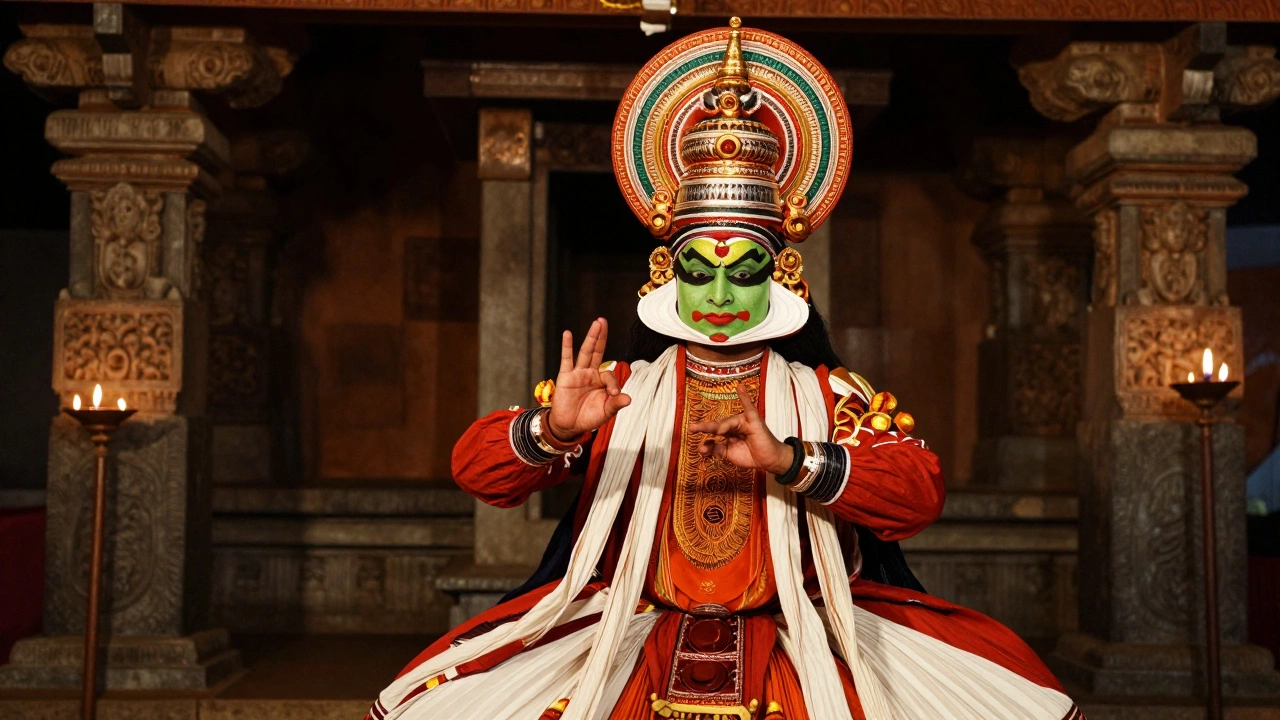
Heritage isn’t always something you can touch. UNESCO also recognizes "Intangible Cultural Heritage," which includes practices, representations, expressions, knowledge, and skills that communities recognize as part of their cultural heritage. India has been particularly successful in this category.
As of 2026, India has 16 elements on the Representative List of the Intangible Cultural Heritage of Humanity. This includes:
- Kathakali: The classical dance form from Kerala.
- Yoga: Recognized globally for its physical and mental benefits.
- Ritham Bhajan: Devotional singing tradition.
- Monsoon Festival: Celebrations marking the arrival of rains in various regions.
- Warli Painting: Tribal art form from Maharashtra.
This category shifts the focus from static structures to living traditions. It acknowledges that heritage is alive in the hands of artisans, the voices of singers, and the movements of dancers. For many Indians, these intangible assets feel more immediate and relevant than distant ruins.
Why the Number Keeps Growing
You might wonder why new sites are still being added after four decades. The reason is twofold: better documentation and changing perspectives.
In the past, heritage was often defined by grandeur-large temples, massive forts, and royal palaces. Today, the definition has expanded to include industrial heritage, agricultural landscapes, and even urban ensembles. For example, the Chhatrapati Shivaji Maharaj Terminus in Mumbai was listed not just because it’s a beautiful building, but because it represents the Victorian Gothic Revival style adapted to tropical conditions, influencing railway architecture worldwide.
Additionally, smaller nations and regions within India have become more proactive in nominating sites. States like Tamil Nadu, with its Dravidian temple architecture, and Rajasthan, with its desert forts, have consistently pushed for recognition of lesser-known sites. This grassroots effort ensures that the narrative of Indian heritage is inclusive rather than elitist.
Challenges in Preservation
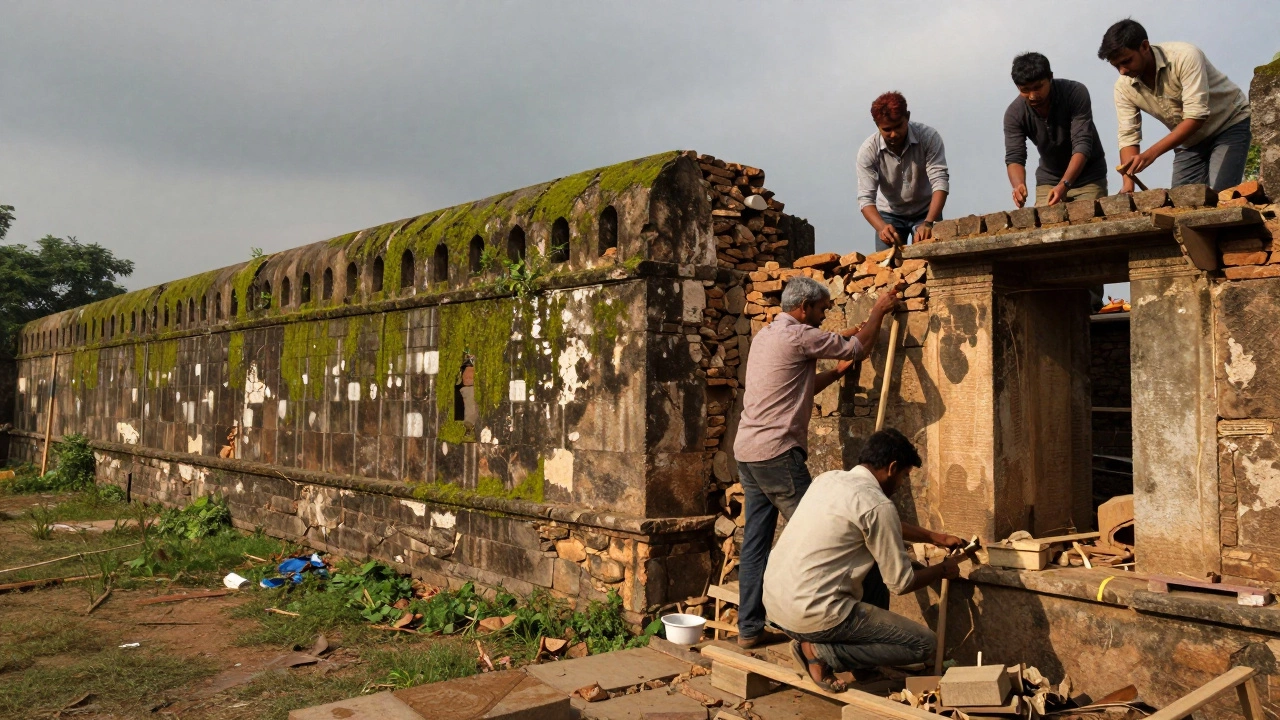
Having a high number of heritage sites brings immense pride, but it also comes with heavy responsibilities. Conservation is a constant battle against time, weather, pollution, and human activity.
Urbanization poses a major threat. Cities like Delhi and Kolkata are expanding rapidly, often encroaching on historical neighborhoods. The pressure to build modern infrastructure sometimes conflicts with preservation laws. Even well-meaning tourism can cause damage. The Taj Mahal, for instance, faces yellowing marble due to air pollution from nearby industries and vehicles. Measures like restricting vehicle access and promoting electric transport are ongoing efforts to mitigate this.
Another challenge is funding. While the central government allocates budgets for major sites, smaller monuments often suffer from neglect. Local communities sometimes step in to fill the gap, organizing clean-up drives and fundraising events. This community-led conservation model is gaining traction and proving effective in keeping heritage alive.
Planning Your Visit: Beyond the Checklist
If you’re planning to explore India’s heritage, don’t limit yourself to the top 10 tourist spots. The beauty of Indian heritage lies in its diversity. Here are some tips to make your journey meaningful:
- Go Off-Season: Visiting sites like Khajuraho or Hampi during the monsoon or winter months offers a different perspective. The crowds thin out, and the greenery enhances the ruins.
- Hire Local Guides: A good guide can bring stones to life. They know the stories behind the carvings, the legends associated with the temples, and the lesser-known corners of the complex.
- Respect Local Customs: Many heritage sites are active places of worship. Dress modestly, remove shoes where required, and ask permission before photographing people.
- Support Sustainable Tourism: Choose homestays run by locals instead of large chain hotels. Buy handicrafts directly from artisans. Your spending helps preserve the living heritage around the monuments.
Remember, heritage is not just about looking back; it’s about carrying forward the wisdom, artistry, and resilience of past generations. Whether you stand before the majestic gates of the Red Fort or watch a Kathakali performance in a village hall, you are participating in a continuum that stretches back millennia.
How many UNESCO World Heritage Sites are in India as of 2026?
As of 2026, India has 43 UNESCO World Heritage Sites. This includes 37 cultural sites, 5 natural sites, and 1 mixed site. The number increases periodically as new nominations are approved by the UNESCO World Heritage Committee.
What is the difference between a UNESCO site and an ASI monument?
A UNESCO World Heritage Site is recognized globally for its outstanding universal value to humanity. An ASI monument is protected under Indian law for its national historical significance. All UNESCO sites in India are also protected by the ASI, but the reverse is not true. The ASI manages over 3,600 monuments, far exceeding the 43 UNESCO sites.
Which state in India has the most heritage sites?
Maharashtra and Uttar Pradesh often lead in terms of the number of UNESCO sites, each having multiple entries. However, if you count all protected monuments under the ASI, states like Tamil Nadu, Karnataka, and Rajasthan have incredibly dense concentrations of heritage sites due to their rich historical legacies.
Are there any natural heritage sites in India?
Yes, India has 5 natural heritage sites. These include Kaziranga National Park (home to the one-horned rhinoceros), Sundarbans (the largest mangrove forest), Nanda Devi National Park, Western Ghats (a biodiversity hotspot), and the Great Himalayan National Park Conservation Area.
How can I contribute to heritage conservation in India?
You can support heritage conservation by practicing responsible tourism. This includes staying within designated paths, not touching fragile structures, respecting local customs, and supporting local economies. Additionally, you can volunteer with organizations like the Aga Khan Trust for Culture or local NGOs that work on restoration projects.