Navratri: What It Is, How It’s Celebrated, and Why It Matters
When people talk about Navratri, a nine-night Hindu festival dedicated to the worship of the goddess Durga and her nine forms. Also known as Navaratri, it’s one of the most widely observed festivals across India, blending devotion, dance, and community in ways that vary by region. Unlike static rituals, Navratri moves—through Garba circles in Gujarat, through silent temple prayers in Tamil Nadu, and through family feasts in Bengal. It’s not just about prayer; it’s about rhythm, renewal, and the power of the feminine divine.
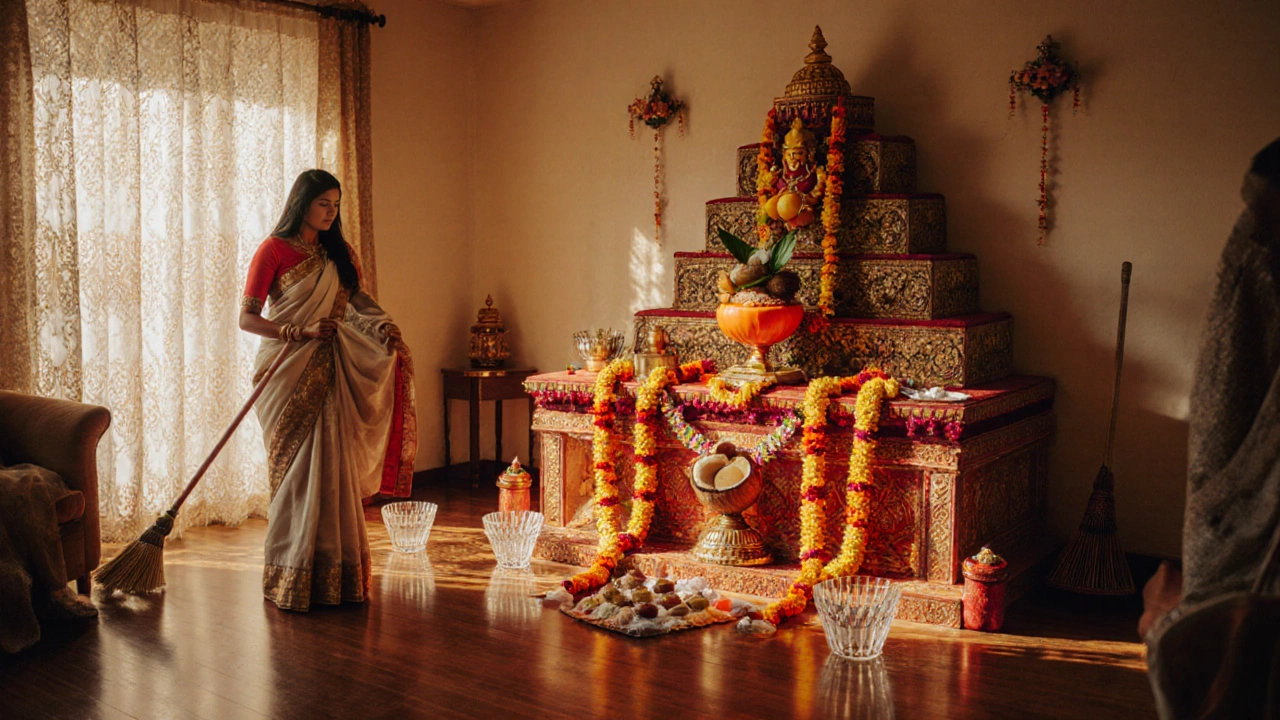
Navratri is tied closely to Durga Puja, the Bengali version of the festival where elaborate idols of the goddess are worshipped and immersed, but it’s not the same everywhere. In the north, people fast and recite hymns. In the west, nights turn into dancing parties with dandiya sticks. In the south, especially in Tamil Nadu, the focus shifts to the display of Golu, a traditional arrangement of dolls and figurines on stepped platforms, symbolizing cosmic order and divine presence. While Golu is often linked to Diwali in modern times, many Tamil families still observe it during Navratri, connecting the festival to older agrarian cycles and storytelling traditions.
The nine nights represent more than just days—they’re stages of transformation. Each day honors a different form of the goddess: from Shailaputri, the earth-born, to Siddhidatri, the giver of spiritual power. People use this time to reflect on inner strength, let go of negativity, and invite balance. Even if you’re not religious, you can feel the energy—music fills the air, homes are cleaned, new clothes are worn, and food is shared. It’s a reset button for communities.
What makes Navratri stand out is how it ties together different parts of Indian culture. You’ll find people in Kerala offering prayers to Saraswati for knowledge, while in Maharashtra, they fast and eat special foods like sabudana khichdi. In Tamil Nadu, you’ll see families setting up Golu displays with dolls from their childhoods, passing down stories through objects. It’s not just a festival—it’s a living archive.
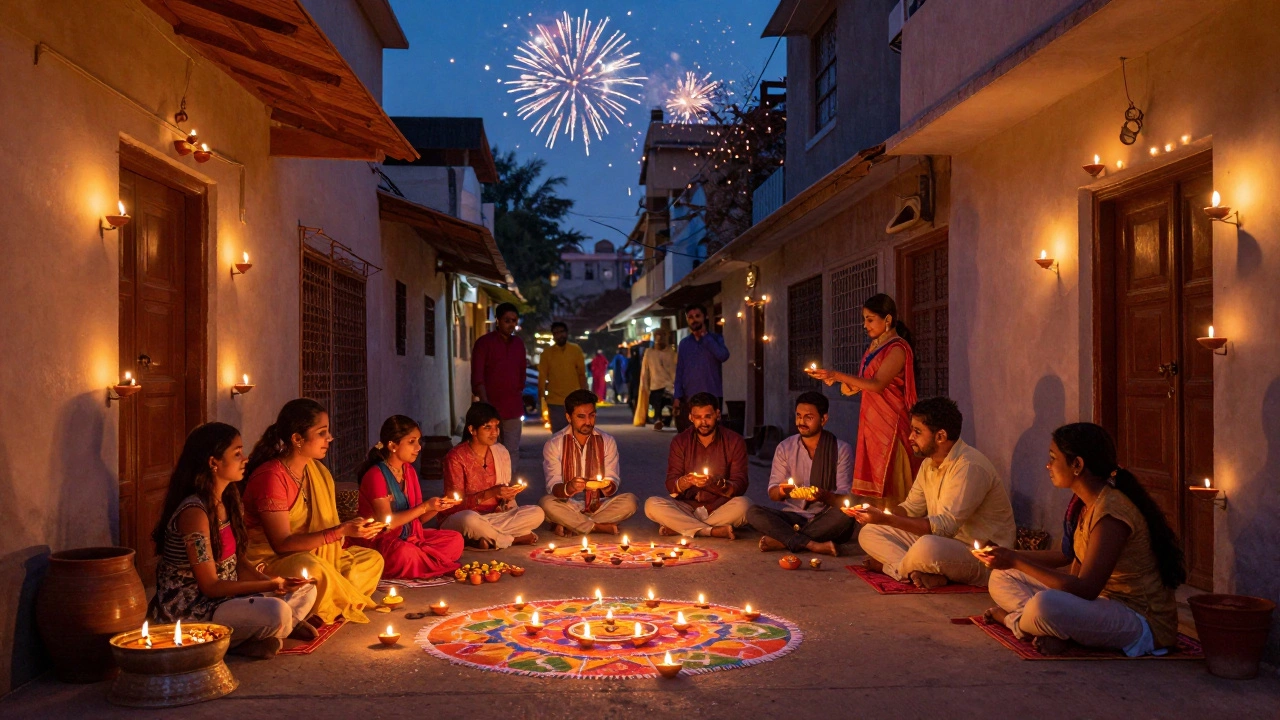
And while Navratri is often grouped with Diwali and Holi as one of Hinduism’s big three holidays, it’s quieter in its impact. No fireworks, no loud street parties—just steady devotion, careful rituals, and deep-rooted customs. That’s why it’s often misunderstood outside India. But if you spend even one evening watching a family light lamps for Golu, or listening to the rhythm of Garba drums, you’ll understand why it lasts nine nights—and why it matters.
Below, you’ll find articles that break down how Navratri connects to other traditions, what it looks like in Tamil communities, and how it’s often mixed up with similar festivals like Karthigai Deepam. Whether you’re curious about the goddesses behind the rituals, the food served during fasting, or why some families don’t celebrate it at all, the posts here give you the real stories—not the tourist version.