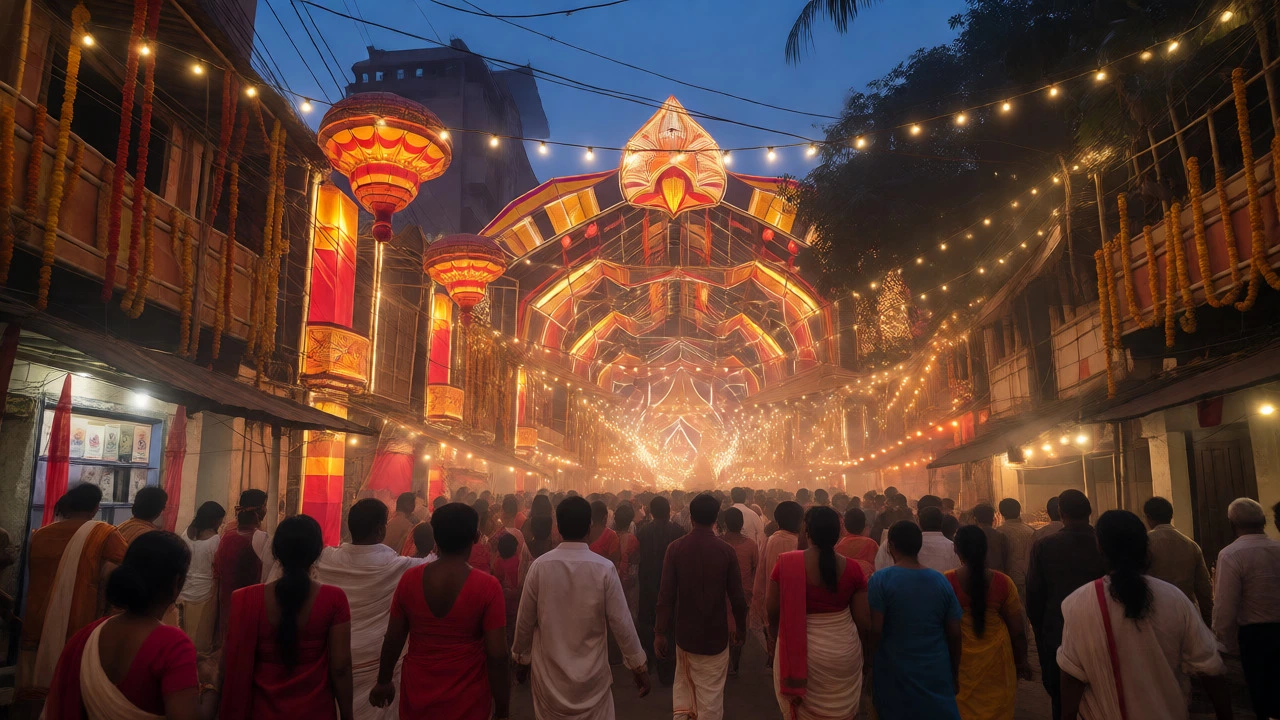
Durga Puja Festival Guide
Explore the five days of celebration, rituals, and traditions.
Shashthi: The Awakening
On this evening, the eyes of the idol are painted open in a ritual called Bodhon. The goddess is welcomed with chants and offerings. It marks the official start of the festivities.
Saptami: Nature's Blessing
Formal worship begins. A banana plant (Nabapatrika) is bathed and installed next to the idol, symbolizing the goddess’s companionship with nature and fertility.
Maha Ashtami: Peak Intensity
The most intense day of prayer. Thousands fast, and special rituals like Kumari Puja (worshipping a young girl as the living goddess) take place. Conch shells and drums fill the air.
Vijaya Dashami: The Farewell
After morning prayers, families embrace saying "Asche bochor abar hobe" (Next year, it will happen again). Idols are taken in processions for immersion (Visarjan), marking the end.
Essential Tips for Visitors
- Footwear: Wear comfortable shoes; you will walk miles hopping between pandals.
- Currency: Carry cash; many small vendors and street food stalls do not accept cards.
- Attire: Traditional wear is appreciated. Red and white sarees are iconic for women.
- Inclusivity: The festival is secular in spirit; people of all faiths join the celebrations.
Imagine a city where the air smells of incense and marigolds, where every street corner transforms into an art gallery overnight, and where millions of people move in a synchronized dance of devotion and celebration. This isn't a dream; it's Durga Puja in Kolkata. If you're asking what the biggest festival of Bengali is, the answer is unequivocal Durga Puja. It’s not just a religious event; it’s a cultural phenomenon that defines the identity of Bengalis across India, Bangladesh, and the global diaspora.
Why Durga Puja Stands Alone
You might wonder, "Isn't there another big one?" Sure, Poila Baisakh (the Bengali New Year) is huge, and Saraswati Puja is beloved by students. But Durga Puja operates on a different scale entirely. It spans five days-Shashthi to Dashami-but the preparation begins months in advance. During these days, social hierarchies dissolve. The rich and poor alike visit Pandals, which are temporary artistic structures built to house the idols of Goddess Durga and her children. These aren't just decorations; they are architectural marvels crafted from bamboo, cloth, and clay, often themed around current events or mythology.
The emotional weight of this festival is heavy. For Bengalis, Durga Puja is about homecoming. It’s the time when families reunite, old friends meet, and community bonds are reinforced. The goddess herself, Goddess Durga is depicted riding a lion, defeating the buffalo demon Mahishasura. This imagery symbolizes the triumph of good over evil, but for many, it also represents the annual return of a daughter to her parental home, making the farewell on the final day deeply tearful.
The Five Days of Celebration
To truly understand why this is the biggest festival, you need to walk through the timeline. Each day has its own rhythm and ritual.
- Shashthi: The unveiling. On this evening, the eyes of the idol are painted open in a ritual called Bodhon. The goddess is welcomed with chants and offerings. It’s the start of the festivities.
- Saptami: The formal worship begins. A banana plant, known as Nabapatrika, is bathed and installed next to the idol, representing the goddess’s companionship with nature.
- Maha Ashtami: The peak of devotion. This is the most intense day of prayer. Thousands of devotees fast, and special rituals like Kumari Puja (worshipping a young girl as the living goddess) take place. The sound of conch shells and drums fills the air.
- Maha Nabami: The eve of the battle. Worship continues, focusing on the strength of the goddess. Cultural programs and music performances often peak here.
- Vijaya Dashami: The farewell. After morning prayers, families embrace each other saying, "Asche bochor abar hobe" (Next year, it will happen again). The idols are taken in grand processions to rivers for immersion (Visarjan), marking the end of the festival.
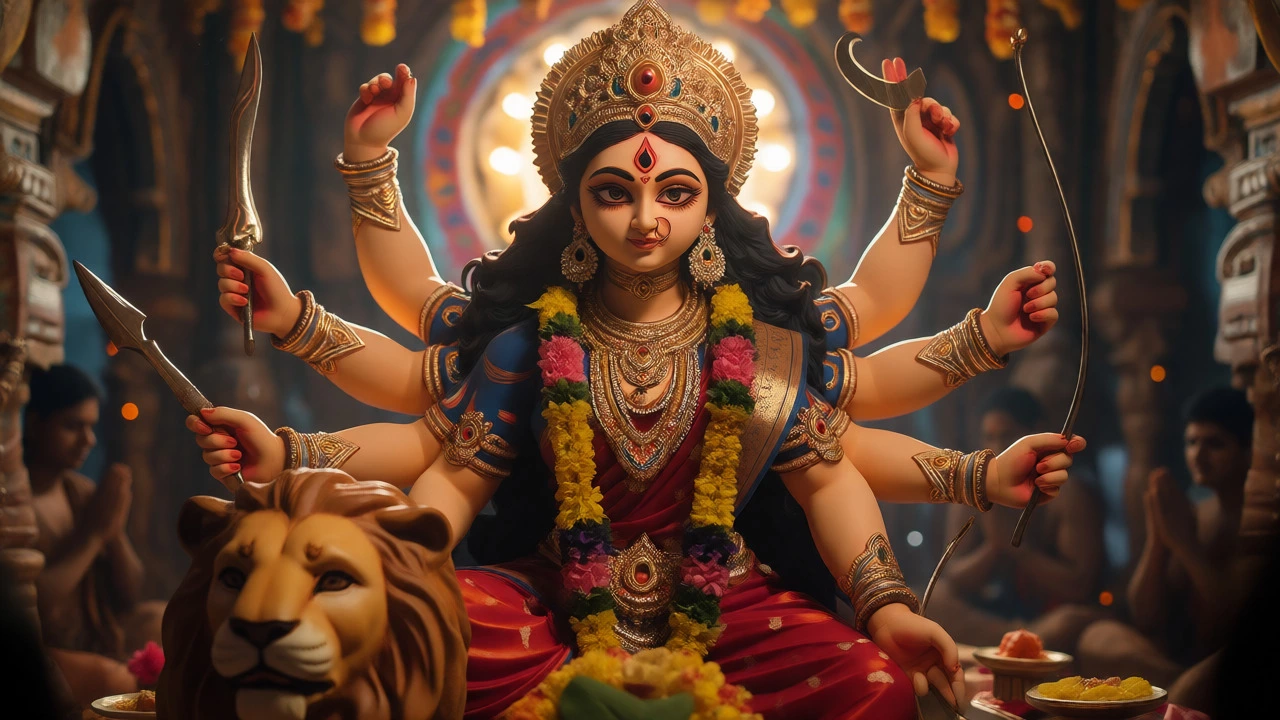
More Than Just Religion: The Art and Food Factor
If you think Durga Puja is only about praying, you’re missing half the picture. It is arguably the world’s largest public art exhibition. Artists compete fiercely to create the most innovative pandals. One year, a pandal might be made entirely of recycled paper; the next, it might replicate the Louvre or a Martian landscape. This creative competition drives tourism and local economy significantly.
| Element | Description | Cultural Significance |
|---|---|---|
| Pandal | Temporary structure housing the deity. | Showcases artistic innovation and community effort. |
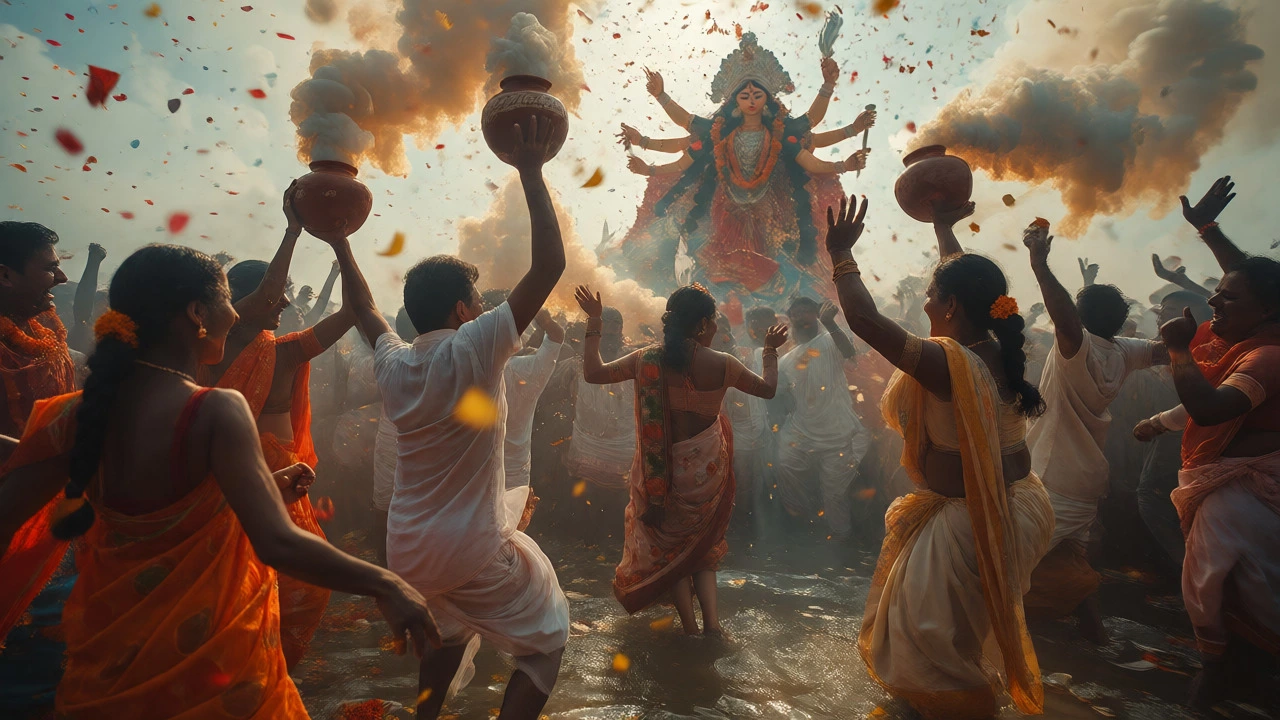
| Dhunuchi Naach | A traditional dance performed with earthen pots containing burning coal and incense. | Symbolizes purification and communal joy. |
| Khichuri Bhog | A ceremonial meal of rice, lentils, and vegetables offered to the goddess and shared among devotees. | Represents equality; everyone eats together regardless of status. |
Then there’s the food. You can’t talk about Bengali festivals without mentioning the cuisine. During Durga Puja, non-vegetarian meals become common even for those who usually eat vegetarian. Luchis (deep-fried bread) served with Cholar Dal (chickpea curry) and Aloo Posto (potatoes with poppy seeds) are staples. Street food stalls sell everything from crispy phuchkas (pani puri) to elaborate thalis. The culinary experience is as much a part of the festival as the prayers.
The Global Reach of Bengali Festivals
While Durga Puja is rooted in Bengal, its reach is global. In cities like London, New York, Sydney, and yes, even Brisbane, large Bengali communities organize their own Pujas. However, the energy in Kolkata remains unmatched. The UNESCO recognition of Durga Puja as an Intangible Cultural Heritage of Humanity in 2021 highlighted its universal value. It shows how a regional festival can resonate globally through themes of family, art, and resilience.
It’s worth noting that while Durga Puja is Hindu-centric, its secular aspects attract people of all faiths. In Kolkata, Muslims, Christians, and Sikhs join in the celebrations, visiting pandals and enjoying the food. This inclusivity is a hallmark of Bengali culture, making the festival a true community affair rather than a strictly religious observance.
How to Experience Durga Puja Like a Local
If you plan to visit during this time, here are some tips. First, wear comfortable shoes. You’ll be walking miles. Second, carry cash; many small vendors don’t accept cards. Third, respect the rituals. When entering a pandal, remove your shoes if required, and dress modestly. Fourth, try the local food, but be cautious with hygiene if you have a sensitive stomach. Finally, engage with locals. Ask them about the theme of the pandal. They’ll likely tell you stories about the artists and the community efforts behind it.
For those interested in other major Bengali festivals, Poila Baisakh, celebrated in April, marks the new year with fairs and new clothes. Kali Puja, held on the same night as Diwali, focuses on the fierce form of the goddess Kali, offering a darker, more intense spiritual contrast to Durga Puja.
When is Durga Puja celebrated?
Durga Puja is celebrated in September or October, depending on the lunar calendar. It always falls during the autumn season, specifically during the month of Ashwin. In 2026, expect it to fall in late September or early October.
Is Durga Puja only for Hindus?
No, while it is a Hindu festival, it is widely celebrated by people of all religions in Bengal. It is considered a cultural festival as much as a religious one, emphasizing community, art, and family reunion.
What should I wear to a Durga Puja Pandal?
Traditional attire is appreciated. Men often wear Kurtas or Panjabis, while women wear Sarees, particularly the traditional red and white Bengali style. Comfortable footwear is essential due to long walks.
Why do Bengalis cry during Visarjan?
The immersion of the idol symbolizes the departure of the goddess back to Mount Kailash. Since she is viewed as a daughter returning to her husband after visiting her parents' home, the farewell is emotionally charged, reflecting deep familial bonds.
What is the significance of Dhunuchi Naach?
Dhunuchi Naach is a rhythmic dance performed with earthen pots filled with burning coal and incense. It creates a cloud of smoke and is believed to purify the atmosphere. It is a key part of the evening prayers on Maha Ashtami and Maha Nabami.