Indian Culture & Heritage Quiz
Discover the depth of India's mosaic culture by answering these questions based on common misconceptions and traditional practices.
Loading question...
Quiz Complete!
0/5
You have completed the quiz.
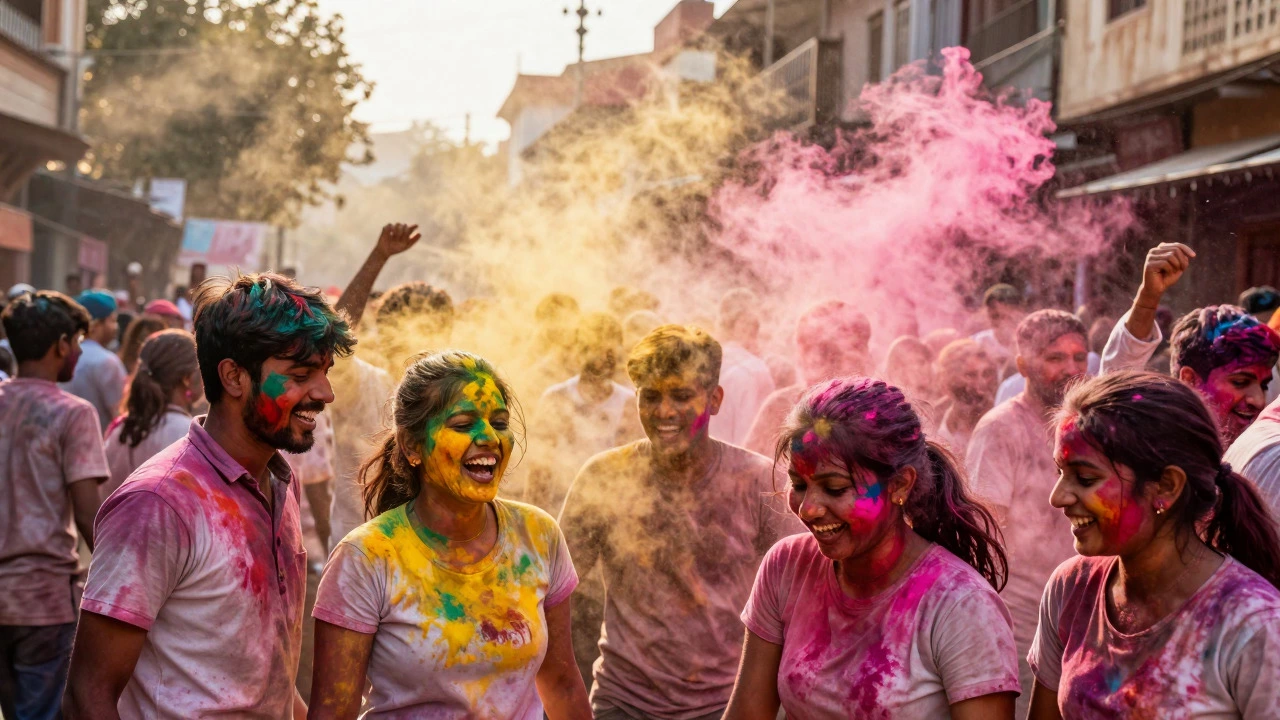
Ask ten people what Indian culture is, and you will likely get ten different answers. One might talk about the vibrant colors of Holi, another about the silence of a morning yoga session, and a third about the chaotic beauty of Mumbai’s local trains. This isn’t confusion; it is the very definition of the subject. Indian culture is not a single monolith but a vast, intricate mosaic of languages, religions, cuisines, and customs that have evolved over five millennia. If you are looking for a simple checklist, you won’t find one. Instead, you need to understand the underlying threads that connect these diverse practices: a deep respect for family, a spiritual approach to daily life, and an extraordinary ability to adapt while preserving core values.
The Core Philosophy: Family and Community
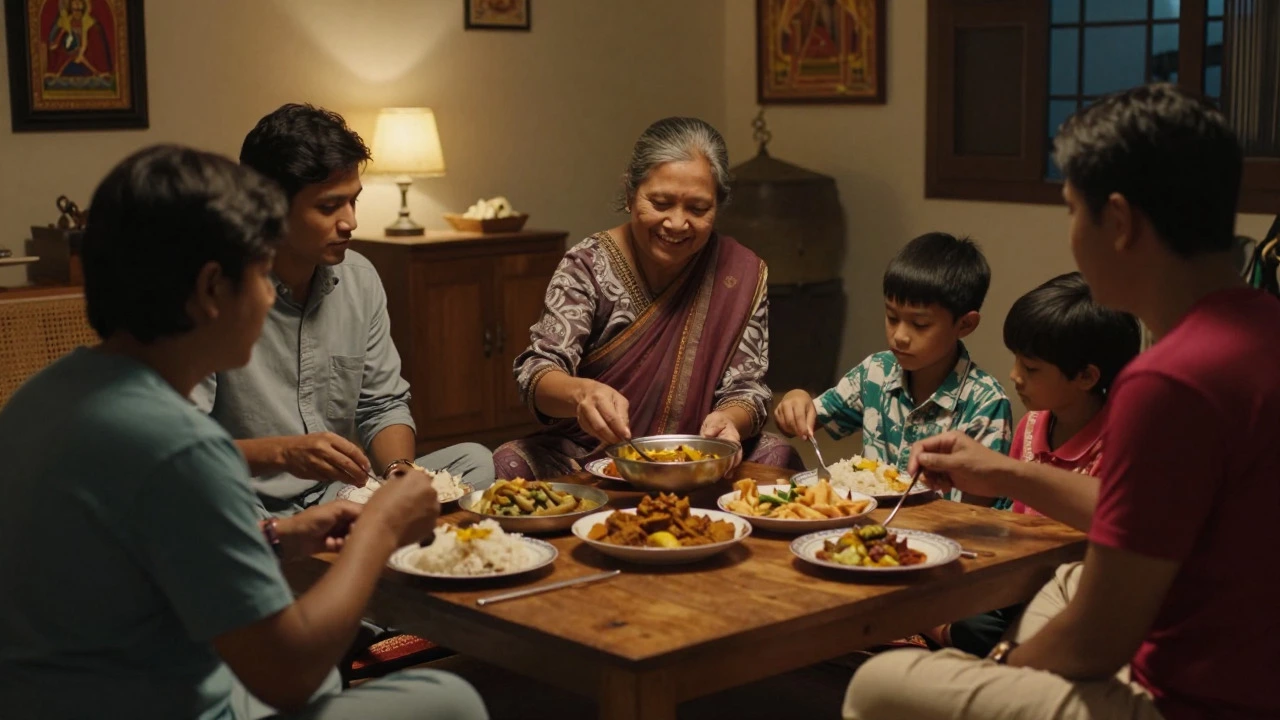
If there is one pillar that holds up the structure of typical Indian culture, it is the concept of family. Unlike the individualistic trends often seen in Western societies, Indian social fabric is woven tightly around kinship. The Joint Family System, though less common in urban metros today, still influences how decisions are made. Even in nuclear families, the emotional and financial support network extends far beyond parents and children to include grandparents, uncles, aunts, and cousins.
This collectivist mindset means that personal achievements are rarely celebrated in isolation. When a student gets into college or a professional lands a big promotion, the celebration belongs to the entire extended family. Hospitality is also a non-negotiable value. The Sanskrit phrase "Atithi Devo Bhava" (The guest is God) is more than a slogan; it dictates behavior. If you visit an Indian home, refusing food or tea can sometimes be interpreted as a slight, because offering sustenance is the primary way Indians express care and welcome.
Spirituality in Everyday Life
You cannot discuss Indian culture without addressing its spiritual roots. India is the birthplace of four major world religions: Hinduism, Buddhism, Jainism, and Sikhism. But spirituality here isn’t confined to temples or mosques on Sundays. It permeates the mundane. You see it in the small clay pots of water placed outside shops to offer shade to birds, or the rangoli patterns drawn at doorsteps to invite prosperity.
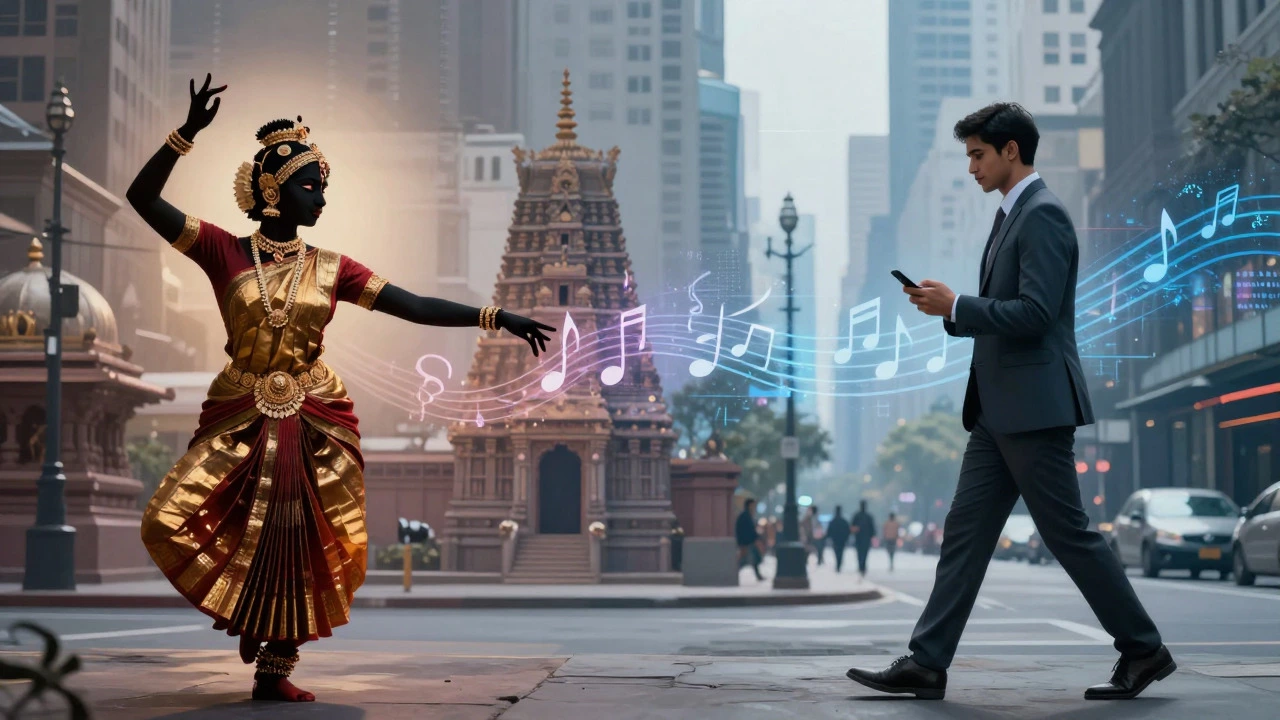
Hinduism alone encompasses a staggering variety of beliefs, ranging from strict monotheism to polytheistic worship of deities like Ganesha, Lakshmi, and Shiva. However, secular India is equally real. In cities like Bangalore or Hyderabad, tech professionals might meditate using apps while their grandparents perform traditional puja rituals. This coexistence of modernity and tradition is a hallmark of the contemporary Indian identity.
Festivals serve as the public expression of this private faith. Diwali, Eid, Christmas, Pongal, and Onam are not just holidays; they are massive community events. During Diwali, entire neighborhoods transform with lights and fireworks, regardless of individual religious affiliation. These festivals reinforce social bonds, allowing neighbors to exchange sweets and greetings, bridging gaps between different communities.
Culinary Diversity: More Than Just Curry
When foreigners think of Indian food, they often picture a generic yellow curry. Locals know better. Indian cuisine is defined by its regional specificity. What is considered "typical" in Punjab-rich, creamy dishes like Butter Chicken and Sarson da Saag-is vastly different from the coconut-based, spicy curries of Kerala or the fermented rice and lentil breakfasts of Tamil Nadu.
| Region | Staple Food | Key Flavors | Famous Dish |
|---|---|---|---|
| North India | Wheat (Roti/Naan) | Dairy, mild spices, ghee | Rajma Chawal |
| South India | Rice | Tamarind, coconut, chili | Masala Dosa |
| East India | Rice, Fish | Mustard oil, poppy seeds | Macher Jhol |
| West India | Bread, Rice | Sweet-sour, peanuts | Dhokla |
Eating habits also reflect cultural norms. Many Indians eat with their hands, believing that touch enhances the sensory experience of food. Vegetarianism is widespread, driven by religious beliefs in ahimsa (non-violence) and environmental considerations. However, being vegetarian doesn’t mean bland; Indian vegetarians use complex spice blends called masalas to create depth and heat that often surpasses meat dishes.
Language and Communication Styles
India has 22 officially recognized languages and hundreds of dialects. Hindi and English are the most widely used for official communication, but speaking Hindi does not guarantee understanding in Chennai or Kolkata. Language is a source of pride and identity. Switching between languages within a single conversation-a practice known as code-switching-is common among educated Indians, especially in urban centers.
Communication styles can seem indirect to outsiders. An Indian might say "I will try" instead of a direct "No," to avoid causing offense or damaging the relationship. Head wobbles, those ambiguous side-to-side head movements, are another classic example. Depending on context, a head wobble can mean yes, no, maybe, I understand, or goodbye. Context is king in Indian communication.
Art, Dance, and Music
Indian art forms are ancient and highly codified. Classical dances like Bharatanatyam from Tamil Nadu and Kathak from North India are not just performances; they are storytelling mediums rooted in mythology. Each gesture, or mudra, has a specific meaning. Similarly, Indian classical music relies on ragas-melodic frameworks that evoke specific emotions or times of day.
Bollywood, the Hindi-language film industry based in Mumbai, plays a huge role in shaping modern perceptions of Indian culture. While it exaggerates certain aspects, it popularizes dance sequences, fashion, and dramatic expressions of emotion globally. Yet, folk arts like Bhangra from Punjab or Garba from Gujarat remain vibrant in their regions, celebrating harvest seasons and local history through energetic group dances.
Fashion and Clothing Norms
Clothing in India is deeply tied to occasion, region, and gender. The sari, a drape that varies in style across states, remains a symbol of grace and tradition for many women. For men, the kurta-pyjama or sherwani is standard for formal events. However, urban youth largely wear Western attire like jeans and t-shirts in daily life, reserving traditional wear for weddings and festivals.
Color symbolism is significant. White is traditionally worn for mourning in some parts of India, contrasting with the Western association of white with weddings. Red is auspicious and commonly worn by brides. Understanding these nuances helps visitors navigate social situations respectfully.
Modern Challenges and Evolution
Typical Indian culture is not static. Rapid urbanization, digital connectivity, and globalization are reshaping traditions. Arranged marriages, once the norm, now often involve elements of dating and mutual consent. Young couples may choose to live independently rather than in joint households. Gender roles are shifting, with women increasingly leading in corporate sectors and politics.
Yet, amidst this change, core values persist. Respect for elders, the importance of education, and the centrality of food and festival celebrations remain strong anchors. The challenge for modern Indians is balancing global aspirations with local identities. This dynamic tension creates a culture that is both fiercely traditional and aggressively modern.
Quick Summary / Key Takeaways
- Diversity is Normal: There is no single "Indian" culture; it varies drastically by region, religion, and language.
- Family First: Collectivist values prioritize family opinion and support over individual autonomy.
- Spiritual Integration: Religion influences daily routines, diet, and festivals, even for secular individuals.
- Culinary Complexity: Indian food is regionally distinct, with North-South divides in staples (wheat vs. rice) and flavors.
- Adaptability: Modern Indian culture blends ancient traditions with global influences, creating a unique hybrid identity.
Is Indian culture homogeneous?
No, Indian culture is extremely heterogeneous. It varies significantly across states in terms of language, food, clothing, and customs. What is typical in Delhi may be completely unfamiliar in Kerala.
Do all Indians speak Hindi?
Not all Indians speak Hindi. While it is widely understood in North and Central India, South India predominantly speaks Dravidian languages like Tamil, Telugu, Kannada, and Malayalam. English is also widely used as a link language.
What is the significance of touching feet in Indian culture?
Touching the feet of elders (Charan Sparsh) is a sign of deep respect and humility. It is believed to transfer blessings and wisdom from the elder to the younger person. It is common during festivals, after returning from travel, or when seeking guidance.
Is vegetarianism mandatory in Indian culture?
No, vegetarianism is not mandatory for all Indians. While many Hindus, Jains, and some Buddhists follow vegetarian diets due to religious beliefs, large populations in coastal areas, Northeast India, and Muslim communities consume meat and fish regularly.
How does the caste system affect modern Indian culture?
While legally abolished, the caste system still influences social interactions, marriage choices, and political dynamics in rural and semi-urban areas. In metropolitan cities, its impact is diminishing, particularly among younger, educated generations.