Tamil Sweet Finder
Not sure which famous Tamil sweet to try or serve? Answer a few questions below to find your perfect match.
If you walk into a traditional Tamil Nadu household during Pongal or Deepavali, you won’t just smell coffee and incense. You will be hit by the rich, ghee-laden aroma of Mysore Pak and the syrupy sweetness of Jalebi. But if you ask locals for "the" famous sweet, you might get five different answers depending on which district they call home.
Here is the truth: there isn't just one single famous sweet. Tamil cuisine is a mosaic of regional specialties. However, if we had to pick the most globally recognized ambassador of Tamil sweetness, it would undoubtedly be Mysore Pak, despite its complex history involving Karnataka. Yet, within Tamil Nadu itself, sweets like Jalebi (known locally as Kai Murukku in some contexts, though distinct) and Adhirasam hold deeper cultural roots.
This guide breaks down the actual heavy hitters of Tamil dessert culture. We will look at what makes them unique, where they originated, and why they matter beyond just being sugar bombs. Whether you are planning a trip to Chennai or trying to recreate these flavors in your kitchen in Brisbane, understanding the nuance matters.
The Global Ambassador: Mysore Pak
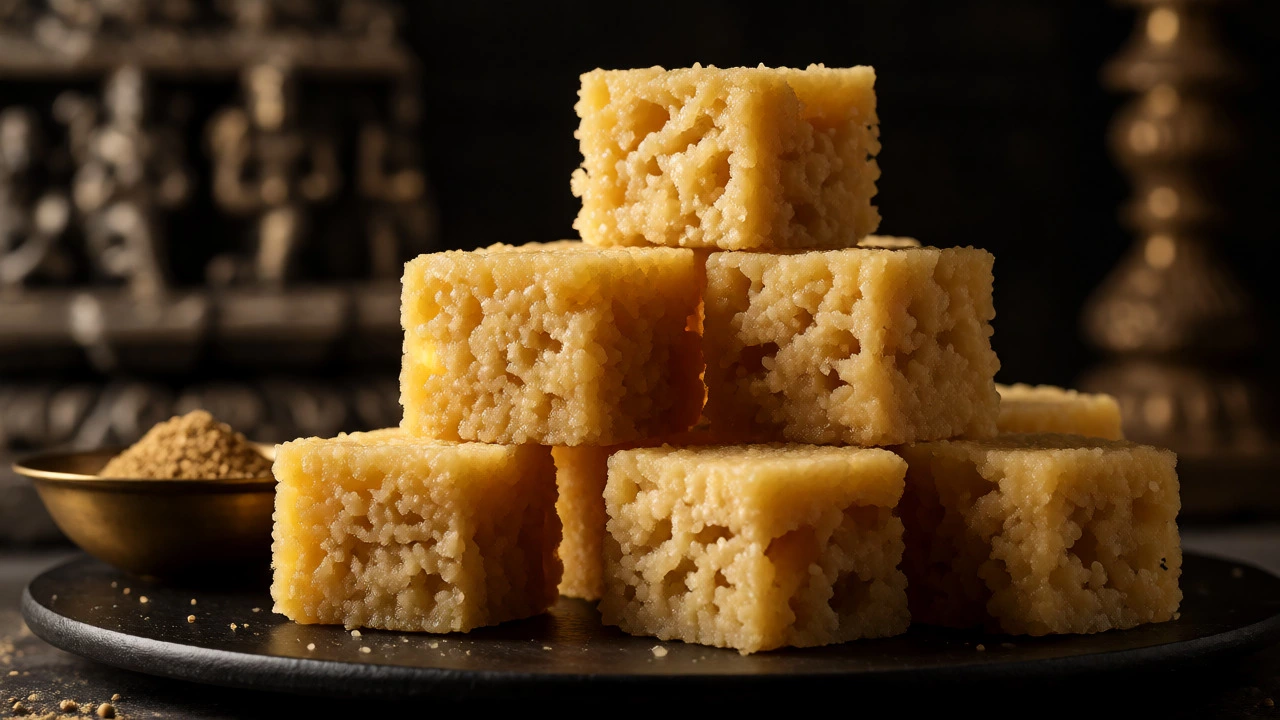
Let's address the elephant in the room first. Many people associate Mysore Pak with Bangalore because of the name. But this dense, melt-in-your-mouth block of gram flour and ghee has deep ties to the Tamil culinary tradition, particularly in the southern districts near the border. It is often served alongside filter coffee in Tamil homes.
Why is it so famous? Because it is technically difficult to make well. If you have ever tried to make Mysore Pak at home, you know the struggle. The ratio of besan (gram flour), sugar syrup, and ghee must be perfect. Too much sugar, and it becomes rock-hard candy. Too little ghee, and it crumbles instead of melting.
- Key Ingredients: Besan, Ghee, Sugar, Cardamom.
- Texture: Porous, granular, dissolves instantly on the tongue.
- Cultural Context: Often gifted during weddings and offered in temples.
While the origin story points to the Palace of Mysore under Maharaja Krishnaraja Wodeyar III, the recipe migrated south and became a staple in Tamil confectioneries. Today, shops in Madurai and Tirunelveli compete fiercely to claim their version is the "real" one.
The Temple Classic: Adhirasam
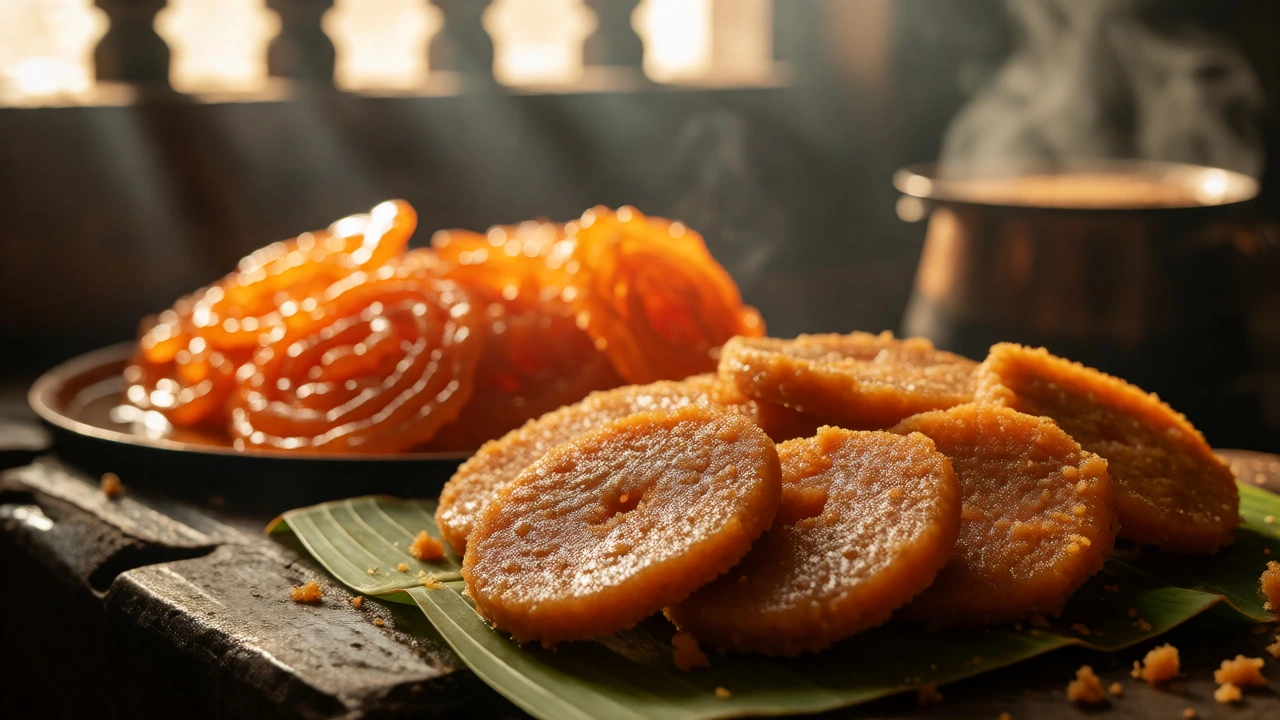
If Mysore Pak is the royal favorite, Adhirasam is the temple offering. This sweet is made from rice flour and jaggery, fried in oil until golden brown. Unlike the refined sugar used in many modern sweets, Adhirasam uses unrefined palm jaggery, giving it an earthy, caramel-like depth that white sugar simply cannot replicate.
You will find this sweet prominently during the Thai Pongal festival. It is considered auspicious and is prepared in large batches. The process involves making a dough from steamed rice flour and hot jaggery syrup, then pressing it into small discs before frying.
| Sweet Name | Main Ingredient | Preparation Method | Best Occasion |
|---|---|---|---|
| Mysore Pak | Gram Flour (Besan) | Cooked with Syrup & Ghee | Gifting / Tea Time |
| Adhirasam | Rice Flour & Jaggery | Fried Discs | Pongal / Temples |
| Jalebi | Refined Flour (Maida) | Spiral Fried in Oil | Festivals / Snacks |
| Payasam | Rice/Moong Dal + Milk | Simmered Slowly | All Major Festivals |
The Festival Staple: Jalebi
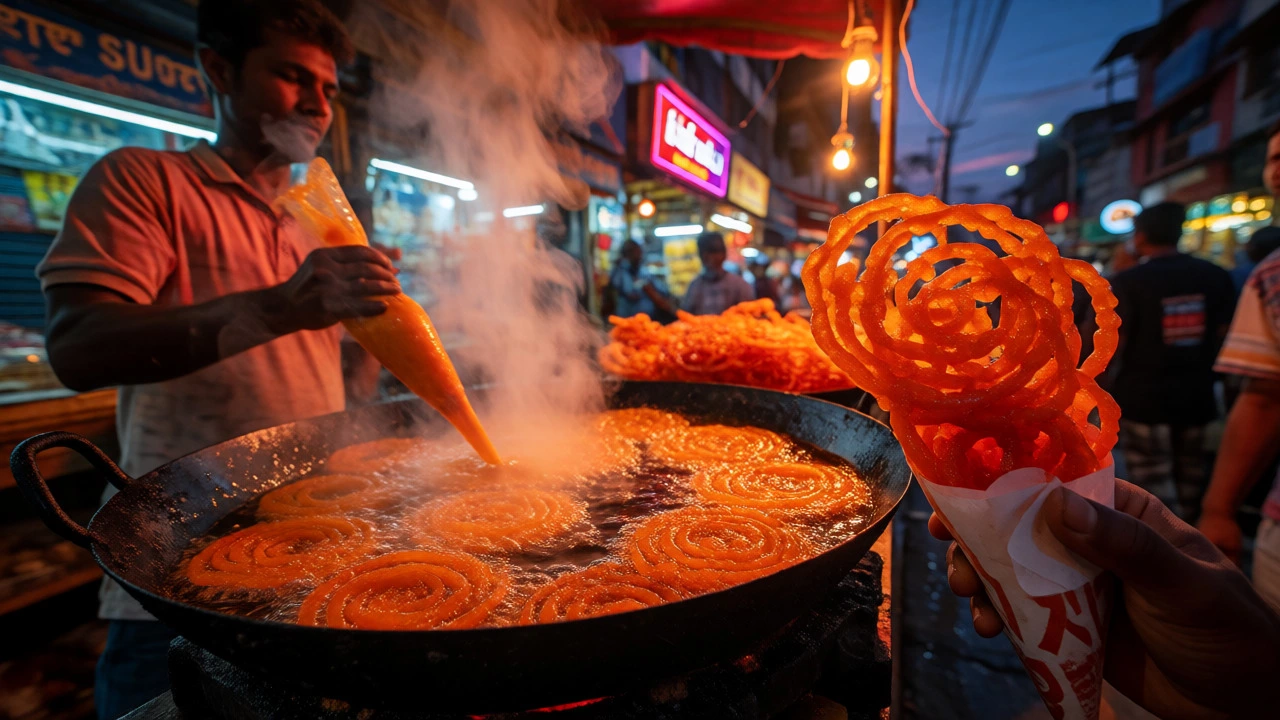
In Tamil Nadu, Jalebi is not just a North Indian import. It is a local favorite, especially during Diwali and Holi. Locals often refer to it simply as "Jilebi," but the preparation here can differ slightly from the crisp, dry versions found in Punjab. In many Tamil towns, the batter is fermented longer, resulting in a softer, more spongy texture inside while retaining a crispy shell.
The key to a good Tamil-style Jalebi is the syrup consistency. It should be sticky enough to coat the spiral without making it soggy too quickly. Street vendors often serve these piping hot, straight from the kadai (wok). Pairing it with a cup of strong South Indian filter coffee creates a balance of bitter and sweet that defines the region's palate.
The Liquid Gold: Payasam
You cannot talk about Tamil sweets without mentioning Payasam (or Kheer). While technically a pudding, it functions as the primary dessert in almost every religious ceremony. There are dozens of varieties: Paruppu Payasam (lentil-based), Semiya Payasam (vermicelli), and Rice Payasam.
What sets Tamil Payasam apart from its North Indian counterpart? The use of coconut milk and cashews. While North Indian kheer relies heavily on dairy milk and cardamom, Tamil payasam often incorporates fresh coconut milk, adding a creamy, nutty undertone. It is slow-cooked for hours until the grains burst and the liquid thickens naturally. No thickeners allowed. If it needs cornstarch, it wasn't cooked right.
Regional Gems You Should Know
Beyond the big three, several regional specialties deserve attention. These are less known internationally but highly prized locally.
- Kuzhi Paniyaram: Technically a savory-sweet snack, but often eaten as dessert. Made from fermented batter cooked in a special pan with hemispherical molds. They are soft, fluffy, and dipped in chutney or sambar, but sometimes served with jaggery syrup.
- Sakkarai Pongal: Literally "Sweet Pongal." This is a rice dish cooked with moong dal, jaggery, ghee, and cashews. It is the centerpiece of the Pongal harvest festival. Eating this is believed to bring prosperity.
- Laddu: Specifically the Boondi Laddu or Besan Laddu. While common across India, the Tamil version tends to be richer in ghee content, making them heavier and more indulgent.
How to Choose the Right Sweet for Your Needs
Not all sweets suit every occasion. Here is a quick decision tree to help you pick the right one:
- For Gifting: Go with Mysore Pak. It has a long shelf life, looks elegant when cut into cubes, and is universally liked.
- For Religious Offerings: Choose Adhirasam or Sakkarai Pongal. These are traditionally vegetarian-friendly and considered pure.
- For Hot Weather: Avoid heavy ghee-based sweets. Opt for Payasam served chilled, or fruit-based options like Elaneer Kuzhal (coconut water based).
- For Beginners: Start with Jalebi. It is familiar, easy to eat, and widely available even outside India.
Common Pitfalls When Buying Tamil Sweets
Buying authentic Tamil sweets abroad or even in major cities can be tricky. Here is what to watch out for:
- The "Oiliness" Test: Genuine Mysore Pak should feel oily to the touch but not greasy. If it feels waxy, they likely used vanaspati (hydrogenated vegetable oil) instead of pure cow ghee. Check the label or ask directly.
- Sugar Type: For Adhirasam, ensure it uses jaggery. If it tastes purely like white sugar, it lacks the authentic flavor profile. Real jaggery has a smoky, molasses note.
- Freshness: Jalebi loses its crunch within hours. Do not buy pre-packaged Jalebi unless you plan to reheat it immediately. Freshly fried is non-negotiable.
FAQ
Is Mysore Pak originally from Tamil Nadu?
Historically, Mysore Pak originated in the Kingdom of Mysore (present-day Karnataka). However, it has been fully adopted into Tamil culinary traditions, especially in southern Tamil Nadu. It is widely considered a staple sweet in Tamil households and festivals today.
What is the difference between Jalebi and Imarti?
Both are fried batter sweets soaked in syrup. Jalebi is made from a fermented batter of refined flour (maida) and is shaped into loose spirals. Imarti is made from a denser batter of urad dal flour and is woven into intricate flower-like patterns. Imarti is generally crispier and holds its shape better than Jalebi.
Can I make Adhirasam with white sugar?
You can, but it will not taste authentic. Adhirasam relies on the specific caramelization properties of jaggery (palm sugar) for its dark color and earthy flavor. White sugar produces a lighter, sharper sweetness that misses the traditional profile.
Which Tamil sweet is best for diabetics?
None are truly diabetic-friendly due to high sugar and carb content. However, Payasam made with minimal sugar and using natural sweeteners like dates, or small portions of Sakkarai Pongal, might be slightly better options than fried, ghee-heavy sweets like Mysore Pak or Jalebi.
Where can I find authentic Tamil sweets in Australia?
In Brisbane, areas like Sunnybank and Mount Gravatt have numerous Indian grocery stores and bakeries. Look for shops specializing in South Indian cuisine rather than general North Indian restaurants, as they are more likely to stock authentic Tamil confectionaries like Adhirasam and genuine ghee-based Mysore Pak.