India Monument Photography Score Calculator
Taj Mahal
AgraRed Fort
DelhiGateway
MumbaiGolden Temple
AmritsarAdjust Conditions
Select conditions and click Analyze.
Walk through any photo gallery on Instagram or scroll through a travel blog, and one structure dominates the feed. It’s white, it’s symmetrical, and it glows pinkish-orange at sunrise. The Taj Mahal is widely considered the most photographed monument in India. But why does this single mausoleum eclipse the Great Wall of China or the Pyramids of Giza in terms of sheer photographic volume within its own country? The answer lies in a mix of architectural perfection, lighting conditions, and cultural branding that few other sites can match.
While the Taj Mahal is a 17th-century ivory-white marble mausoleum commissioned by Mughal emperor Shah Jahan to house the tomb of his favorite wife, Mumtaz Mahal holds the crown for popularity, it isn't the only contender. The Red Fort in Delhi, the Gateway of India in Mumbai, and the Golden Temple in Amritsar each have their own visual appeal. However, when we talk about the "most photographed," we are looking at frequency, global recognition, and the ease with which photographers capture iconic shots. Let's break down why the Taj Mahal wins this title and what makes it such a compelling subject for cameras worldwide.
The Visual Perfection of the Taj Mahal
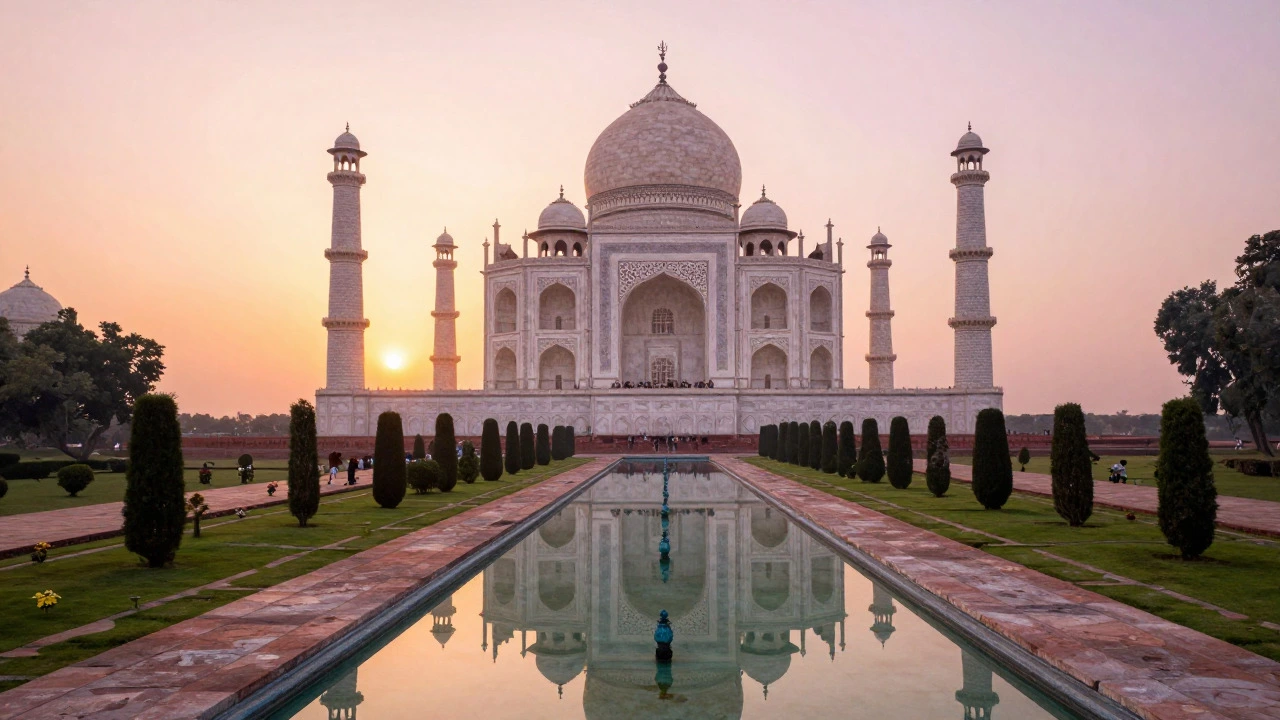
The reason the Taj Mahal is so heavily photographed comes down to basic geometry and light. Designed by Ustad Ahmad Lahori, the structure is perfectly symmetrical. For a photographer, symmetry is gold. You don't need to struggle with composition; you simply center the dome, align the minarets, and you have a balanced, pleasing image. This simplicity allows both professional photographers and casual tourists to get a "good" shot without much technical skill.
Then there is the material. The building is made of Makrana marble, a translucent stone that changes color depending on the time of day. At dawn, it looks rose-pink. In the bright midday sun, it shines brilliant white. Under the moonlight, it takes on a silvery hue. This dynamic range gives photographers multiple reasons to visit and shoot at different times. Unlike static stone structures that look the same all day, the Taj Mahal offers a living canvas that reacts to the environment.
- Symmetry: Perfect alignment of domes and gardens creates easy framing.
- Color Shifts: Marble reflects sky colors, changing from pink to white to silver.
- Reflection Pool: The long water channel doubles the visual impact by mirroring the structure.
Why Other Famous Monuments Fall Short
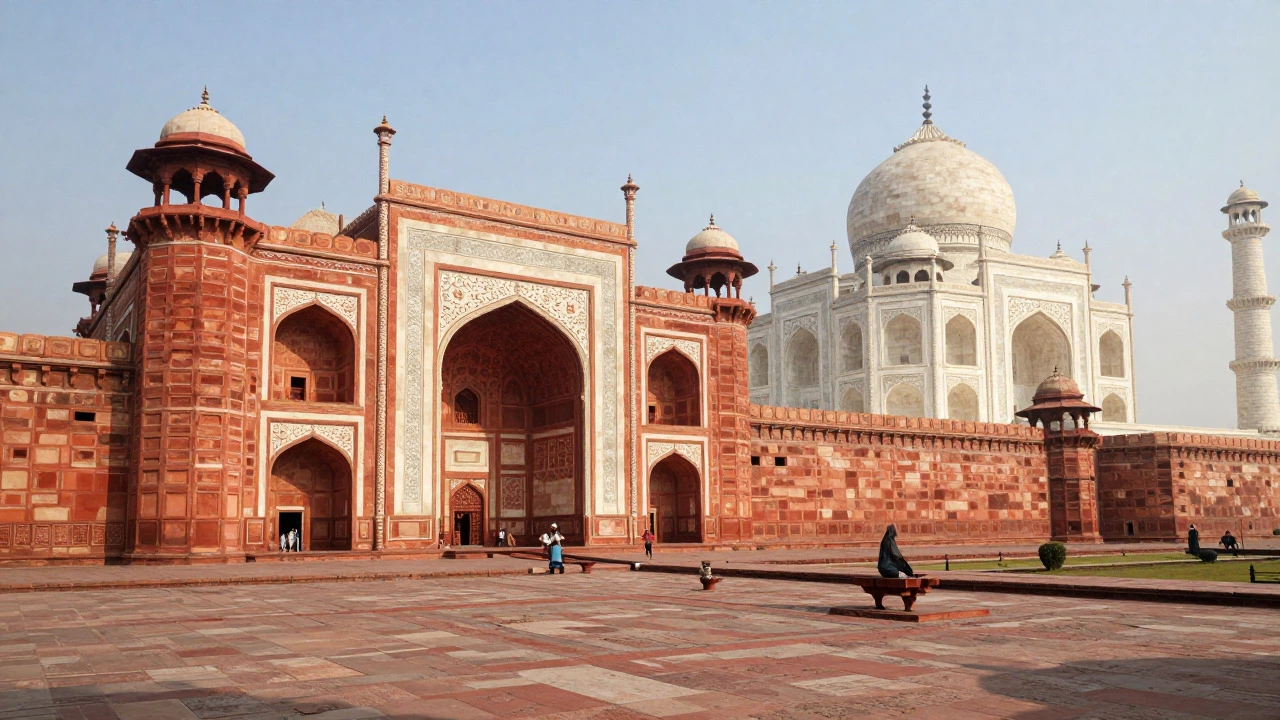
You might argue that the Red Fort is a historic fort in Delhi, India, built by Mughal emperor Shah Jahan in 1638, known for its red sandstone walls and intricate architecture gets plenty of attention. And it does. During Independence Day celebrations, the Prime Minister speaks from its ramparts, and millions watch live. But visually, the Red Fort is sprawling and complex. It doesn't offer a single, clean focal point like the Taj Mahal. Photos of the Red Fort often focus on specific gates or courtyards rather than the entire structure, diluting its status as a singular icon.
Consider the Gateway of India is a monument built during the twentieth century in Mumbai, India, constructed to commemorate the visit of King George V and Queen Mary to India in 1911. It is undeniably famous. Every tourist visiting Mumbai stops there. Yet, the Gateway is often crowded with people, making it hard to get a clean architectural shot. The background usually includes busy streets or the chaotic harbor, which distracts from the monument itself. The Taj Mahal, by contrast, sits in a secluded garden complex (Charbagh) designed specifically to frame the view.
| Monument | Location | Primary Appeal | Photography Challenge |
|---|---|---|---|
| Taj Mahal | Agra, Uttar Pradesh | Symmetry, Color Change, Reflection | Crowds, Early Morning Access |
| Red Fort | Delhi | Historical Significance, Scale | Lack of Single Focal Point |
| Gateway of India | Mumbai, Maharashtra | Colonial History, Sea View | Background Clutter, Crowds |
| Golden Temple | Amritsar, Punjab | Spiritual Aura, Night Lights | Strict Photography Rules Inside |
The Role of Social Media and Tourism
In the age of social media, visibility begets more visibility. The Taj Mahal is part of the UNESCO World Heritage list and was voted into the New Seven Wonders of the World in 2007. This global branding ensures that every first-time visitor to India feels compelled to take the "classic" photo. It has become a rite of passage. If you go to India and don't post a picture of the Taj Mahal, did you even go?
Compare this to the Hawa Mahal is the Palace of Winds in Jaipur, known for its honeycomb-like facade with 953 small windows called jharokhas. While visually striking, it lacks the universal emotional narrative of love that drives the Taj Mahal's popularity. People photograph the Hawa Mahal for its unique texture, but they photograph the Taj Mahal for its story. That emotional connection translates into higher engagement on platforms like Instagram, encouraging more people to replicate the shot.
Furthermore, the government of India and local tourism boards actively promote the Taj Mahal as the face of Indian heritage. Marketing campaigns, documentaries, and even currency notes feature it prominently. This institutional support reinforces its status as the primary visual symbol of the nation.
Best Times and Angles for Photography
If you want to join the ranks of those capturing the most photographed monument in India, timing is everything. The best light occurs during the "golden hour"-shortly after sunrise. The soft morning light reduces harsh shadows and enhances the pinkish hue of the marble. Sunset is also beautiful, but the crowds are typically larger, and the heat can cause atmospheric haze, reducing clarity.
- Sunrise (5:30 AM - 7:00 AM): Fewer crowds, soft light, perfect reflection in the pool.
- Full Moon Nights: Special tickets allow access on five nights a month around the full moon. The ethereal glow is unmatched.
- Winter Months (November - February): Clear skies provide better visibility and cooler temperatures for comfortable shooting.
For the classic shot, stand at the end of the main pathway leading to the entrance gate. This perspective uses the lead-lined reflecting pool to create a mirror image of the dome. Avoid using wide-angle lenses too close to the base, as distortion can ruin the symmetry. Instead, use a standard lens from a distance to keep the proportions accurate.
Challenges for Photographers
Despite its beauty, photographing the Taj Mahal isn't without challenges. The biggest issue is crowd control. Even early in the morning, hundreds of tourists flock to the spot. Getting a clean shot without people walking across your frame requires patience and perhaps a tripod with a slow shutter speed to blur out moving subjects.
Another challenge is the security restrictions. Tripods and selfie sticks are often prohibited or require special permits. Drones are strictly banned in the vicinity due to airspace regulations around Agra. This means photographers must rely solely on handheld equipment, which limits creative angles. Additionally, the intense summer heat (April to June) can make outdoor shooting physically exhausting, affecting battery life and comfort.
Beyond the Taj: Hidden Gems
While the Taj Mahal takes the top spot, savvy travelers and photographers often seek less crowded alternatives. The Lotus Temple is a Bahá'í House of Worship located in New Delhi, known for its flower-like shape made of marble petals offers stunning geometric patterns without the historical weight of the Mughals. Similarly, the Victoria Memorial is a large museum building in Kolkata, West Bengal, built in white Makrana marble to commemorate Queen Victoria provides a similar aesthetic to the Taj Mahal but with fewer visitors.
Exploring these sites allows for more creative freedom. You can experiment with longer exposures, wider angles, and unique compositions without worrying about stepping on someone's toes. These monuments may not be the "most photographed," but they offer richer experiences for those willing to look beyond the obvious.
Is the Taj Mahal really the most photographed monument in India?
Yes, based on global search trends, social media hashtags, and tourism statistics, the Taj Mahal consistently ranks as the most photographed landmark in India. Its iconic status and visual appeal make it the default choice for millions of visitors annually.
What is the best time to photograph the Taj Mahal?
The best time is early morning, right after sunrise. The light is soft, the crowds are thinner, and the marble exhibits a beautiful pinkish hue. Winter months (November to February) offer the clearest skies.
Can I use a tripod at the Taj Mahal?
Generally, tripods are restricted or require a special permit. Selfie sticks are often banned. It's best to check current rules before visiting, as regulations can change. Handheld shooting is the norm for most tourists.
Which other monuments should I photograph in India?
Consider the Red Fort in Delhi, the Gateway of India in Mumbai, the Hawa Mahal in Jaipur, and the Lotus Temple in Delhi. Each offers unique architectural styles and cultural significance worth capturing.
Why is the Taj Mahal so popular among photographers?
Its perfect symmetry, changing colors throughout the day, and reflective pool make it incredibly easy to compose a beautiful image. Plus, its status as a Wonder of the World adds to its allure.