The "Number One" Indian Dish Calculator
Select a Contender
Choose a dish to analyze its potential for being the #1 global favorite.
Select a dish to calculate its popularity metrics.
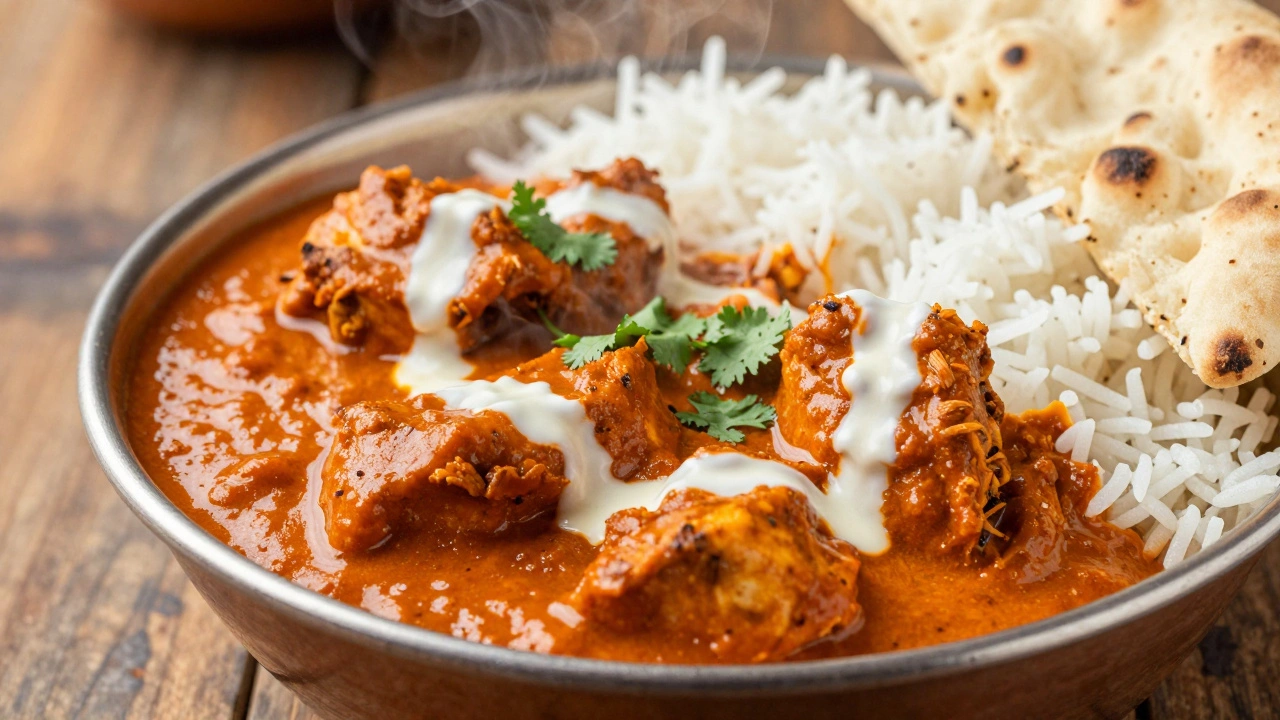
Ask ten people what the number one Indian dish is, and you will likely get ten different answers. You might hear about spicy vindaloo from Goa, rich biryani from Hyderabad, or crispy dosa from Bengaluru. But if we look at the data-restaurant menus in London, New York, Sydney, and even small towns in Canada-one name dominates the conversation. That dish is butter chicken.
It is not just a popular meal; it is a cultural phenomenon. It has traveled far beyond the borders of India to become the face of Indian cuisine globally. But why does this creamy, tomato-based curry hold such power? To understand this, we need to look past the plate and into the history, geography, and psychology of how we eat.
The Rise of a Global Icon
Butter chicken, also known as Murgh Makhani, is a rich, mildly spiced curry made with tender chicken pieces cooked in a velvety sauce of tomatoes, cream, and butter. Unlike many traditional Indian dishes that rely on complex spice blends that can be intimidating to new palates, butter chicken offers a balance of sweetness, tanginess, and mild heat. This accessibility is its superpower.
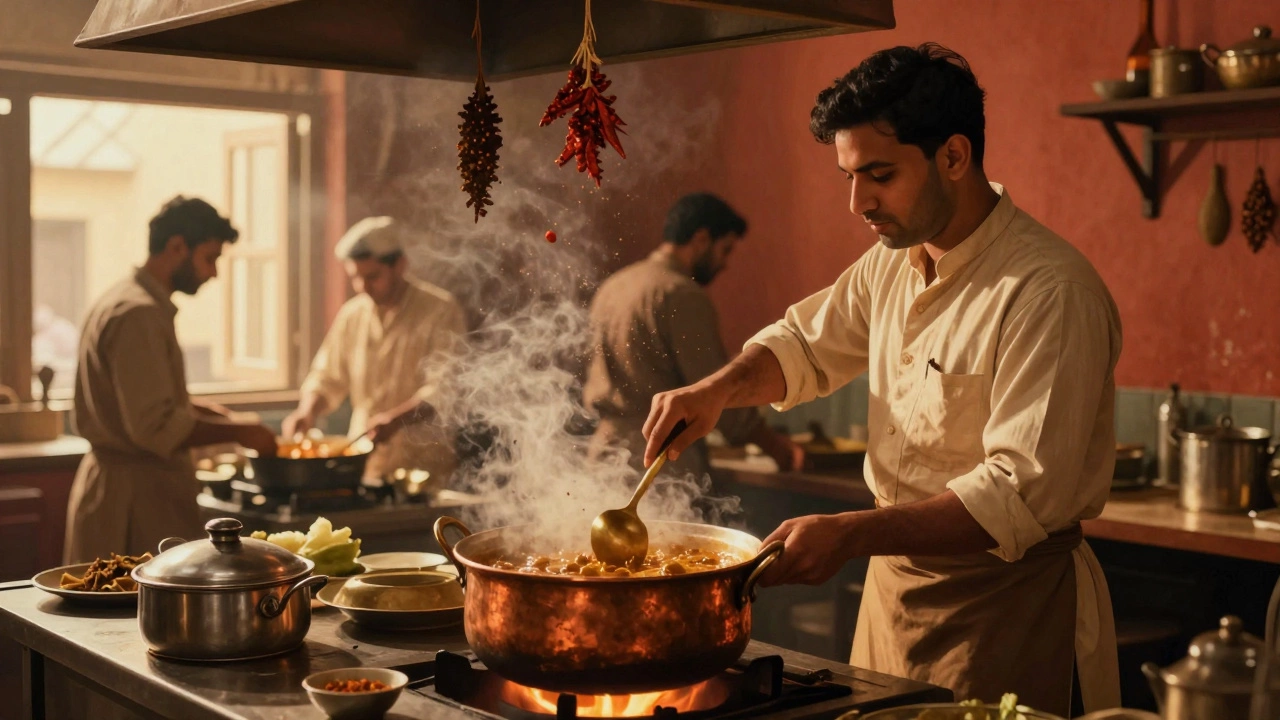
The dish was born in Delhi in the 1950s. Legend says it was created by Kundan Lal Gujral at Moti Mahal, a restaurant founded by refugees who had fled Partition. They wanted to use leftover tandoori chicken, which could dry out overnight. By simmering it in a gravy made from tomatoes, butter, and cream, they saved the meat and accidentally invented a classic. This story highlights a key aspect of Indian cooking: resourcefulness. It turns leftovers into luxury.
Today, butter chicken serves millions of people worldwide. It is the gateway drug to Indian food. For many Westerners, it is their first introduction to spices like cumin, coriander, and garam masala. Because it is mild, it appeals to children and adults alike. It bridges the gap between familiar comfort food and exotic adventure.
Why Butter Chicken Beats the Competition
To claim the title of "number one," a dish must compete against heavy hitters. Let’s look at the other contenders and see why butter chicken often wins the popularity contest.
| Dish | Origin | Key Flavor Profile | Global Accessibility | Vegetarian Friendly? |
|---|---|---|---|---|
| Butter Chicken | Delhi (North) | Creamy, Tomato, Mild Heat | Very High | No |
| Biryani | Hyderabad/Mughal Courts | Fragrant Rice, Spiced Meat | High | Yes (Veg Biryani exists) |
| Chana Masala | Punjab/North West | Tangy Chickpeas, Robust Spices | Medium-High | Yes |
| Dosa | Karnataka/South | Crispy Fermented Batter, Savory | Medium | Yes |
| Vindaloo | Goa | Extremely Hot, Vinegar-Based | Low (for beginners) | No |
Biryani is a close second. It is a celebratory dish, perfect for weddings and festivals. However, biryani is labor-intensive to make correctly. It requires slow-cooking rice and meat together, a technique called *dum*. While delicious, it is not an everyday meal for most households. Butter chicken, on the other hand, is easier to replicate at home and faster to prepare.
Chana masala (spiced chickpeas) is the king of vegetarian Indian food. It is healthy, cheap, and filling. Yet, when surveys ask for the "favorite" Indian dish, meat-eaters tend to dominate the vote. Since a significant portion of the global population eats meat, butter chicken has a larger potential audience than chana masala.
Dosa represents the incredible diversity of South Indian cuisine. It is fermented, crispy, and served with coconut chutney and sambar. But dosa is specific to a region. Butter chicken has transcended regional boundaries to become a national, and then international, standard.
The Role of Geography and Migration
Food does not exist in a vacuum. The rise of butter chicken is tied closely to migration patterns. In the mid-20th century, many Indians migrated to the UK, Canada, and later the US. These early restaurants catered to local tastes. They toned down the heat and added more cream and sugar to appeal to British and American palates.
This adaptation was crucial. If Indian food had remained strictly authentic to regional standards-which can include very high heat levels or unfamiliar ingredients like fennel seeds and asafoetida-it might have remained a niche interest. Instead, it became mainstream. Butter chicken is the result of this culinary diplomacy. It respects Indian flavors while making them approachable for a global audience.
In cities like Brisbane, where I live, you can find Indian restaurants on almost every corner. When you walk in, the menu will always feature butter chicken prominently. It is the safe choice for someone trying Indian food for the first time. It is the reliable favorite for someone who has eaten it for twenty years. This consistency builds loyalty.
Nutritional Perspective and Modern Trends
Critics often point out that butter chicken is not exactly a health food. It contains significant amounts of saturated fat from the butter and cream. In an era where people are watching their calorie intake, this seems like a disadvantage. However, human beings do not always choose food based on nutrition alone. We choose based on satisfaction.
Butter chicken provides comfort. The combination of warm spices and creamy texture triggers a sense of well-being. This is why it remains popular despite health trends. That said, modern chefs are adapting. Many restaurants now offer lighter versions using Greek yogurt instead of heavy cream, or reduced-fat butter. This allows the dish to stay relevant in a health-conscious market.
Furthermore, the protein content from the chicken makes it a balanced meal when paired with brown rice or whole wheat naan. It is not empty calories; it is substantial. For growing children or active adults, it provides energy and satiety.
How to Make Authentic Butter Chicken at Home
You do not need to go to a restaurant to enjoy this dish. Making it at home gives you control over the ingredients and spice level. Here is a simple guide to getting it right.
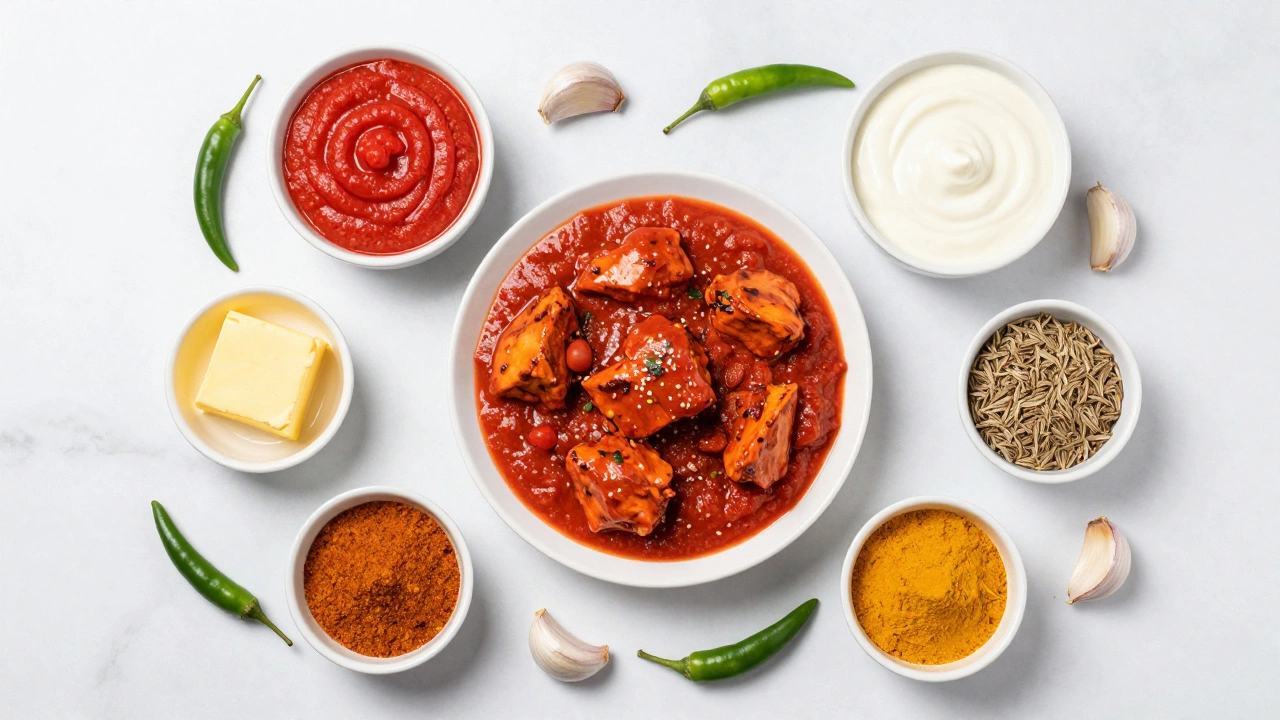
- Marinate the Chicken: Use yogurt, lemon juice, ginger-garlic paste, turmeric, and chili powder. Marinate for at least two hours, preferably overnight. This tenderizes the meat and infuses flavor.
- Grill or Pan-Fry: Cook the chicken in a hot pan or oven until charred. This smoky flavor is essential. Do not skip this step; boiling the chicken will ruin the texture.
- Make the Sauce: Sauté onions until golden. Add ginger and garlic. Then add tomato puree and cook until the oil separates from the tomatoes. This takes patience but ensures a rich base.
- Add Spices: Stir in garam masala, cumin, coriander, and Kashmiri chili powder (for color without excessive heat).
- Cream and Butter: Lower the heat. Stir in heavy cream and a knob of butter. Simmer gently. Do not boil vigorously, or the cream may curdle.
- Finish with Aromatics: Add fresh cilantro and a touch of kasuri methi (dried fenugreek leaves). Crush the fenugreek between your palms before adding it to release its aroma.
Serve with warm naan bread or basmati rice. The naan is perfect for scooping up the sauce. The rice absorbs the flavors beautifully. Both options enhance the dining experience.
The Cultural Significance of Shared Meals
In Indian culture, food is rarely eaten alone. It is a communal activity. Families gather around a large platter, sharing dishes with hands or spoons. Butter chicken, with its generous sauce, is ideal for this style of eating. It encourages sharing and connection.
This social aspect contributes to its status as the number one dish. It is not just about taste; it is about the experience. When you serve butter chicken to guests, you are offering hospitality. You are welcoming them into your home. This emotional resonance keeps the dish at the top of the list.
Even in diaspora communities, butter chicken acts as a link to heritage. For second-generation immigrants, it may be the only Indian dish they grew up eating. It carries memories of family gatherings and holidays. This nostalgia reinforces its popularity across generations.
Future of Indian Cuisine
As global palates evolve, Indian cuisine continues to adapt. We are seeing a rise in interest in regional specialties like Kerala's appam or Punjab's sarson ka saag. However, butter chicken remains the anchor. It introduces people to the cuisine, and then they explore further.
Chefs are experimenting with fusion versions, incorporating local ingredients. In Australia, for example, some chefs use native bush spices in the marinade. In Mexico, others blend chipotle peppers into the sauce. These innovations keep the dish fresh and exciting.
Despite these changes, the core identity of butter chicken remains intact. It is a testament to the versatility of Indian cooking. It shows how tradition and innovation can coexist. As long as people seek comfort, flavor, and variety, butter chicken will likely remain the undisputed champion of Indian dishes.
Is butter chicken actually from India?
Yes, butter chicken originated in Delhi, India, in the 1950s. It was created by restaurateurs at Moti Mahal to use leftover tandoori chicken. While it has been adapted globally, its roots are firmly in North Indian cuisine.
What is the difference between butter chicken and tikka masala?
Butter chicken is sweeter, creamier, and milder, with a sauce based on tomatoes and butter. Tikka masala is generally spicier and has a thinner, more robust gravy. Tikka masala is believed to have been invented in the UK, while butter chicken is authentically Indian.
Can vegetarians eat butter chicken?
No, traditional butter chicken contains chicken. However, there are vegetarian alternatives like paneer makhani (made with cottage cheese) or mushroom makhani that mimic the same creamy tomato sauce profile.
Why is butter chicken so popular in the West?
Its mild spice level and creamy texture appeal to Western palates that may be less accustomed to intense heat. It serves as an accessible entry point to Indian cuisine, making it a bestseller in restaurants across Europe and North America.
Is butter chicken healthy?
Traditional butter chicken is high in saturated fats due to the butter and cream. However, it provides good protein. Healthier versions can be made using yogurt instead of cream and reducing the amount of butter, balancing indulgence with nutrition.