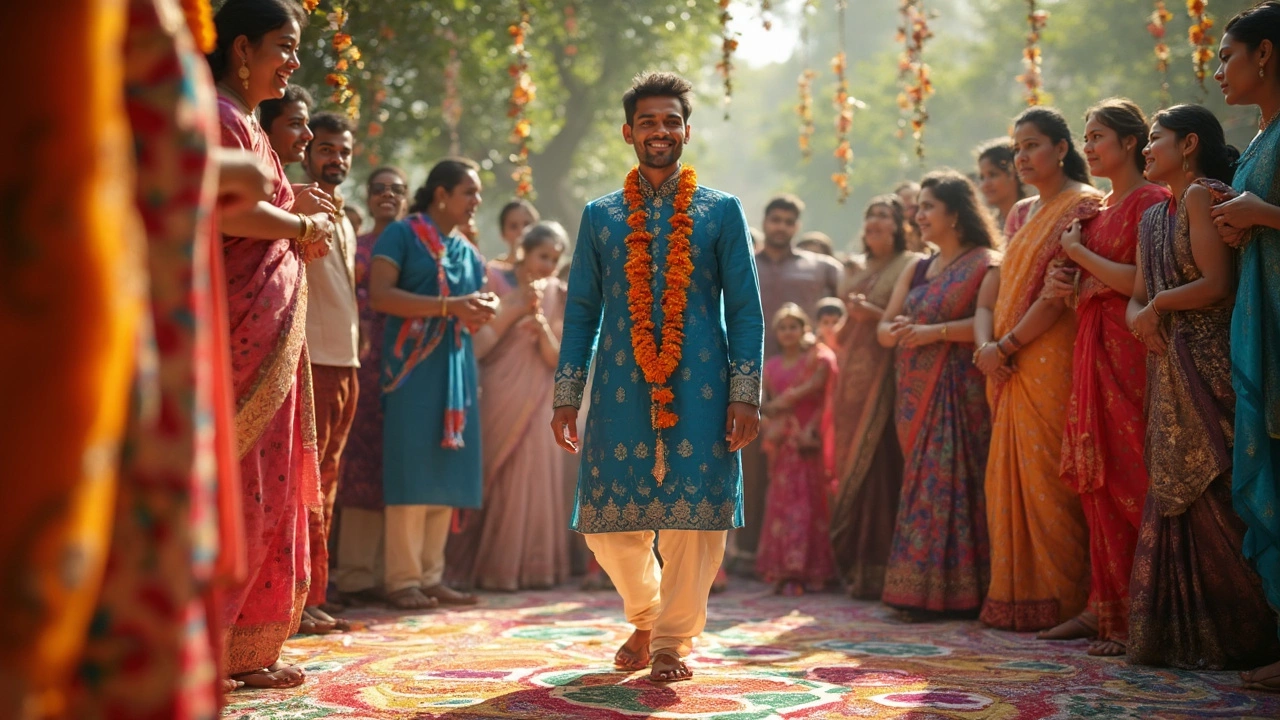
What to Wear: Cultural Dress Codes Across Tamil and Indian Traditions
When you ask what to wear, the right clothing in Indian culture isn't just about comfort—it's a signal of respect, region, and ritual. Also known as traditional attire, these choices connect you to centuries of social and spiritual meaning. In Tamil Nadu, wearing a silk saree isn't just fashion—it's a nod to temple rituals, wedding customs, and even daily prayers. Men in rural areas might wear a dhoti or veshti during festivals like Karthigai Deepam, not because it’s required, but because it carries the weight of generations.
It’s not just about Tamil culture. Across India, festival clothing, specific garments worn during religious events to honor tradition and divine presence. Also known as ceremonial dress, it varies wildly by region and faith changes with the season and the sacred calendar. Diwali calls for bright silks and gold embroidery, while Holi invites simple cottons you don’t mind getting colored. In contrast, Navratri in Gujarat demands colorful chaniya cholis, and in Bengal, Durga Puja means white sarees with red borders. These aren’t random choices—they’re coded responses to what the occasion demands. Wear the wrong thing, and you might unintentionally disrespect the ritual.
cultural attire, clothing deeply tied to regional identity, religious practice, and social norms in Indian communities. Also known as ethnic dress, it reflects more than personal style—it holds history is never just fabric. A Tamil woman wearing a Kanchipuram silk saree isn’t just dressed up—she’s carrying the legacy of weavers who’ve passed down patterns for 300 years. A man in a Punjabi kurta might be honoring harvest traditions, while a woman in a Bengali tant saree is echoing the rhythm of village looms. These clothes aren’t bought—they’re inherited, gifted, or chosen with care. Even in cities, people stick to tradition during festivals because skipping it feels like forgetting who they are.
And it’s not only about women’s wear. Men’s clothing matters too. A dhoti isn’t outdated—it’s sacred in temples. A veshti paired with a angavastram is the standard for morning pujas in Tamil homes. In Kerala, men wear mundu during temple visits, while in Rajasthan, turbans aren’t just headwear—they’re family badges. Not knowing what to wear can make you stand out in the wrong way. But when you get it right, you don’t just blend in—you belong.
Below, you’ll find real stories from Tamil communities and beyond about what people actually wear during festivals, rituals, and daily life. No guesswork. No stereotypes. Just clear, practical insights from people who live it.