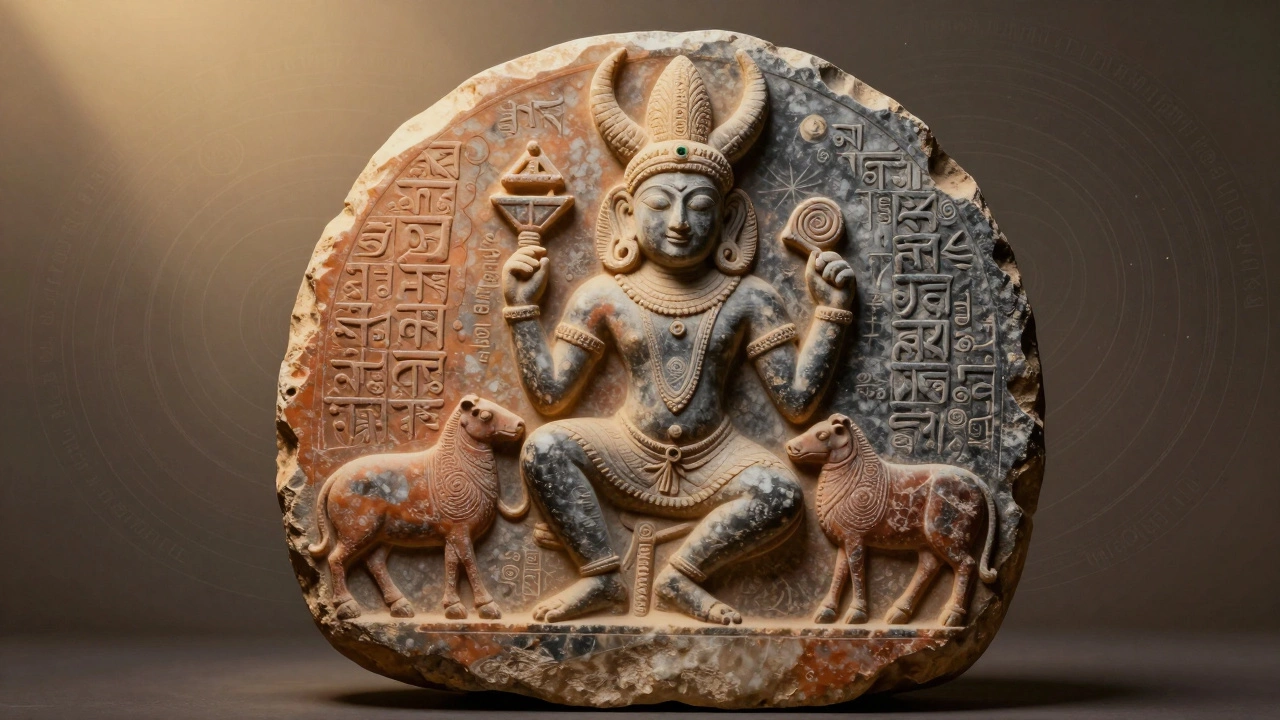
Timeline of Tamil Culture: Key Moments, Traditions, and Living Heritage
When you think of Tamil culture, the enduring civilization of the Tamil people in southern India with a recorded history stretching over two millennia. Also known as Tamil heritage, it isn’t just old—it’s alive. Every temple bell, every folk dance, every family meal carries echoes of a timeline that began with the Sangam poets and continues today in city kitchens and village festivals. This isn’t a museum exhibit. It’s a living rhythm passed down through generations, unchanged in spirit but constantly adapting in form.
At the heart of this timeline is the Tamil language, one of the world’s oldest living languages, with inscriptions dating back to 300 BCE and a literary tradition unmatched in continuous use. Also known as Tamil literature, it shaped how identity was formed—not through conquest, but through poetry, song, and daily speech. The Tamil festivals, like Pongal, Thai Pusam, and Karthigai Deepam, each tied to seasons, harvests, and divine stories. Also known as Tamil religious celebrations, they aren’t just holidays—they’re annual resets of community memory. Then there’s the Tamil folklore, the stories of village deities, ghost dances like Karakattam, and oral tales that teach morals without ever saying "be good". Also known as Tamil folk traditions, they survived because they were sung, not written. These aren’t separate threads—they’re woven together. Language holds the stories, festivals give them rhythm, and folklore keeps them real.
You won’t find a single starting point in this timeline. There’s no "first Tamil person." Instead, there’s a cascade: temple architecture influencing dance, spice trade shaping cuisine, colonial records capturing lost songs, and now, young people in Chennai using TikTok to revive folk drum patterns. The timeline isn’t linear—it loops. A 2,000-year-old poem about love still gets quoted in wedding speeches. A 500-year-old ritual for rain still happens in villages before monsoon. And yes, even the way your aunty stirs rice for Pongal? That’s part of the timeline too.
What follows is a curated collection of posts that dig into these moments—not as history lessons, but as lived experiences. You’ll find why blue gods appear in Tamil art, how Carnatic music differs from northern styles, what nonsense singing really means in rural Tamil Nadu, and how modern families keep old rituals alive without feeling outdated. This isn’t about dates on a wall. It’s about understanding what still moves people today—and why.