Indian Monuments: History, Significance, and Must-See Sites
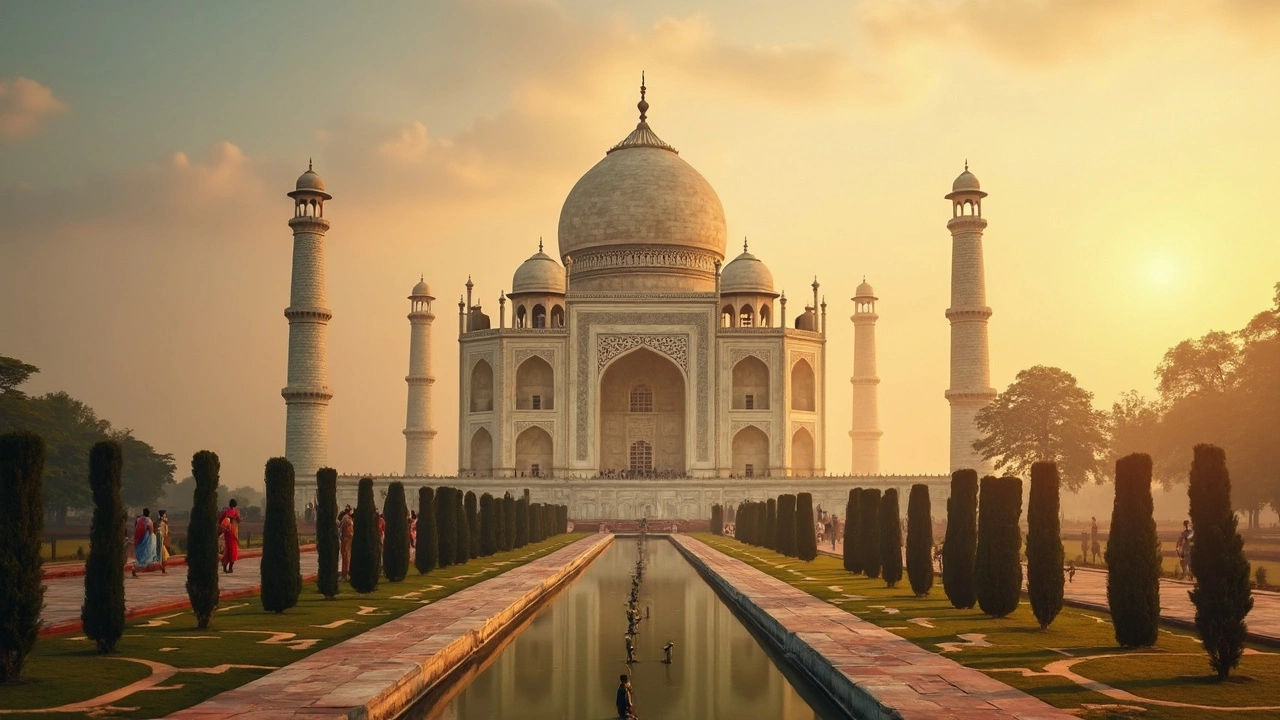
When you think of Indian monuments, permanent structures built to honor history, faith, or power across the Indian subcontinent. Also known as heritage sites, they aren't just stone and mortar—they're living stories carved into the landscape. From the snow-white domes of the Taj Mahal to the towering gopurams of Tamil Nadu’s temples, these structures reflect centuries of art, devotion, and empire. They don’t just draw tourists; they anchor identity for millions who still pray, celebrate, and walk through them every day.
UNESCO sites, world-recognized landmarks protected for their cultural or natural value make up a big part of India’s monument landscape. But not every important site has that label. Many local temples, stepwells, and forts hold just as much meaning for communities who’ve tended them for generations. These places aren’t frozen in time—they’re part of daily life. You’ll find families lighting lamps at the same steps where kings once walked. Pilgrims chant hymns under arches built 800 years ago. And in places like Hampi or Khajuraho, the carvings still tell stories no textbook can fully capture.
Indian monuments also reveal how culture shifted over time. The blend of Persian, Islamic, and indigenous styles in the Red Fort shows political change. The intricate carvings on Hindu temples speak to ancient cosmology. Even colonial buildings like the Victoria Memorial in Kolkata carry layers of meaning—beauty built under occupation, now reclaimed as national pride. What makes these structures powerful isn’t just their age, but how they’ve been adapted, preserved, and sometimes even repurposed by the people who live near them.
What you’ll find here isn’t just a list of famous spots. It’s a collection of stories behind the stones: why certain temples are built facing east, how stepwells were engineering marvels for water storage, and why some monuments are still active places of worship—not just photo backdrops. You’ll see how Diwali lights up ancient forts, how Carnatic music echoes in temple courtyards, and how local festivals keep these places alive in ways guidebooks never mention. Whether you’re planning a trip or just curious about India’s past, these posts give you more than facts—they give you context.