When people think of India, they don’t just picture a country-they picture a living, breathing mosaic of colors, smells, sounds, and stories. It’s not one thing that makes India famous. It’s dozens of them, layered over thousands of years, still alive today in bustling cities and quiet villages alike. So what is India best known for? The answer isn’t a single item on a list. It’s a collection of experiences that stick with you long after you’ve left.
Spices That Changed the World
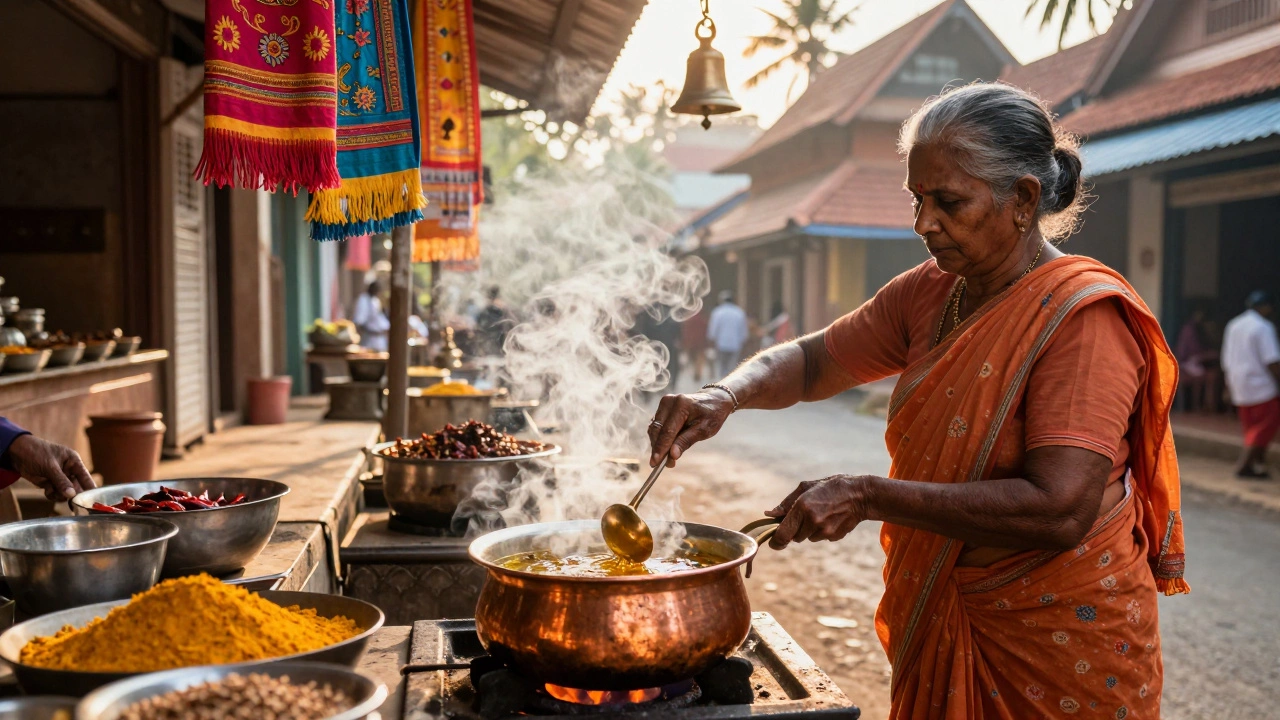
India didn’t just grow spices-it moved empires. Black pepper, cardamom, turmeric, cumin, and chili were once worth more than gold. Portuguese explorers sailed across oceans not for land, but for a sack of black pepper. The British came for tea, but stayed because of spices. Even today, over 70% of the world’s spice trade passes through Indian ports. In a single kitchen in Kerala, you’ll find more flavor diversity than in most entire continents. Turmeric isn’t just for curry-it’s used in rituals, medicines, and even wedding ceremonies. The scent of cumin frying in hot oil isn’t just cooking. It’s a cultural signal. You know you’re home.
Yoga and Ancient Wellness
Yoga didn’t start as a fitness trend. It began as a spiritual practice in the Himalayan foothills over 5,000 years ago. Today, over 300 million people practice yoga worldwide. The United Nations declared June 21 as International Yoga Day in 2014, after India pushed for it globally. But yoga in India isn’t just about poses. It’s breath control, meditation, ethics, and self-discipline-all tied together. In Rishikesh, you’ll find ashrams where people wake before sunrise to chant mantras, not to look good on Instagram, but to quiet their minds. Ayurveda, India’s 3,000-year-old healing system, is still practiced in clinics from Delhi to Dharamshala. It doesn’t treat symptoms. It treats the whole person-body, mind, and spirit.
Festivals That Turn Cities Into Color Bombs
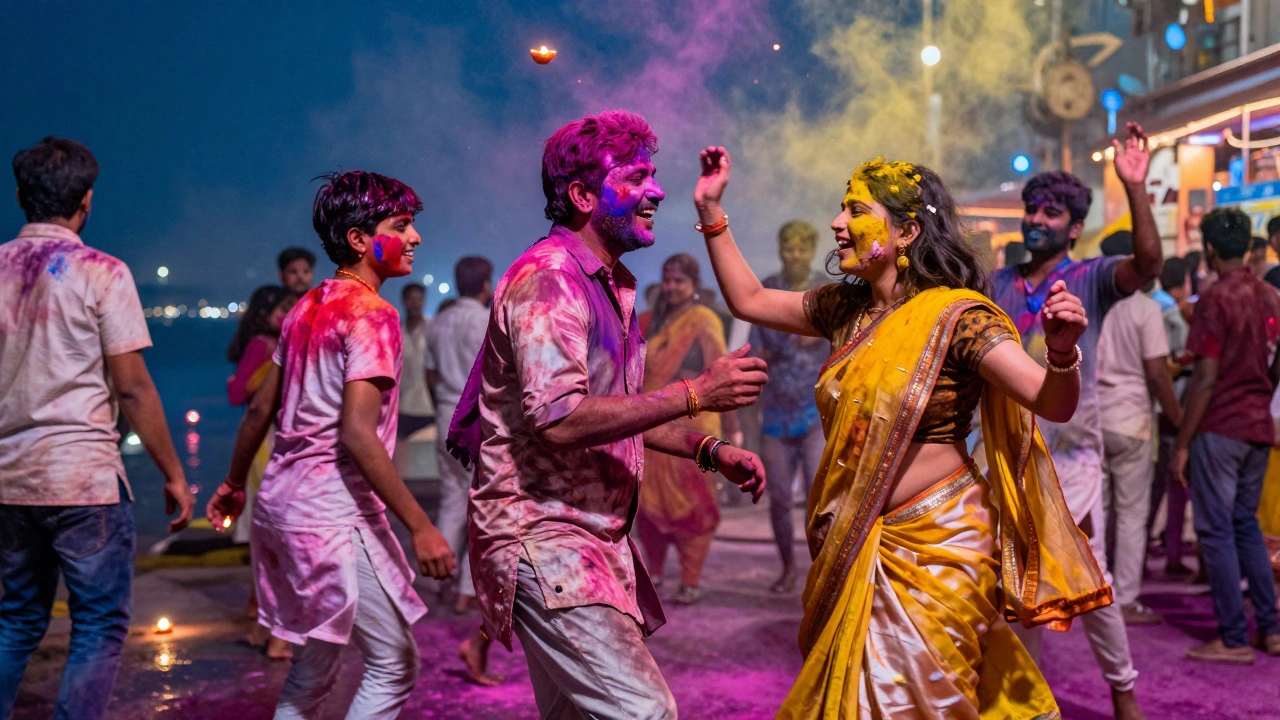
India doesn’t celebrate holidays. It explodes them. Holi, the festival of colors, turns streets into paint fights where strangers become friends. Diwali, the festival of lights, sees millions of oil lamps lit to welcome prosperity. In Gujarat, Navratri turns nine nights into a dance marathon with dandiya sticks and traditional songs. In West Bengal, Durga Puja builds giant clay idols of goddesses, then lets the whole city bow before them before immersing them in rivers. These aren’t performances. They’re community rituals passed down for generations. You don’t watch them-you join them. And you’ll never forget the feeling of being covered in colored powder, laughing with people you met five minutes ago, because everyone is celebrating the same thing: life.
Monuments That Defy Time
India’s monuments aren’t just old. They’re alive with stories. The Taj Mahal isn’t just a white marble building. It’s a love letter carved in stone by a grieving emperor for his wife. The temples of Khajuraho are covered in intricate carvings-not just of gods, but of everyday life, love, and joy. The stepwells of Gujarat, like Rani ki Vav, were built to store water but became art galleries underground. The forts of Rajasthan, like Jaisalmer, still have families living inside their walls. These aren’t tourist attractions. They’re part of daily life. Children play in the shadow of 1,000-year-old arches. Elders sit under domes that have watched empires rise and fall.

Clothing That Tells Stories
India’s textiles are more than fabric. They’re history woven into thread. Banarasi silk from Varanasi takes months to weave by hand, with gold threads that shimmer like liquid metal. Kalamkari from Andhra Pradesh uses natural dyes made from plants and minerals, with patterns drawn freehand using bamboo sticks. Bandhani ties, from Gujarat and Rajasthan, create tiny dots of color by knotting fabric before dyeing. Each region has its own style, its own symbols, its own meaning. A woman in Odisha wears a Sambalpuri sari with patterns that tell stories of village life. A man in Punjab wears a turban that signals his clan, his profession, even his mood. These aren’t costumes. They’re identity.
Food That Feeds the Soul
Indian food isn’t one cuisine. It’s 29 states, 700 languages, and countless family recipes. In the north, butter chicken simmers in creamy tomato sauce. In the south, dosas crackle under a thin layer of fermented rice batter. In the east, fish curry is cooked with mustard oil and fenugreek. In the west, street food like vada pav feeds office workers at 8 a.m. Every region has its own spice blend, its own cooking method, its own rhythm. And it’s not just about taste. Food is sacred. In temples, meals are offered to gods before being served to visitors. In homes, elders eat first. Leftovers are never wasted. The act of eating is tied to respect, gratitude, and community.
Philosophy That Shaped the World
India gave the world the idea of zero. It gave us the concept of non-violence that inspired Gandhi and Martin Luther King Jr. It gave us the Upanishads, texts that asked questions like, "Who am I?" and "What is reality?" centuries before Western philosophy even began. The idea of karma-the belief that your actions shape your future-isn’t just spiritual. It’s woven into daily decisions. Whether you’re choosing to help a stranger or deciding not to lie, karma is quietly in the background. Meditation, mindfulness, detachment-these aren’t modern wellness trends. They’re ancient Indian practices that have shaped psychology, neuroscience, and even corporate leadership today.
Music and Dance That Move Beyond the Stage
Indian classical music isn’t performed. It’s experienced. A sitar player doesn’t just play notes-they build a mood, slowly, like a sunrise. A tabla player doesn’t just keep rhythm-they converse with the singer. In Bharatanatyam, a dancer doesn’t just move her limbs-she tells stories of gods and lovers through finger gestures and eye movements. In Kathak, spins aren’t for show-they’re a form of devotion. These art forms aren’t taught in schools for grades. They’re passed from guru to shishya, like a secret. You don’t learn them in a year. You live them for decades.
Unity in Diversity That Defies Logic
India has 22 official languages. Over 1,600 spoken dialects. Seven major religions. Fourteen time zones in its history. And yet, it holds together. A Muslim woman in Hyderabad eats biryani with a Hindu family during Eid. A Sikh farmer in Punjab grows rice that feeds a Christian village in Kerala. A Buddhist monk in Ladakh shares tea with a Jain merchant from Mumbai. There’s no single Indian identity. There are a thousand. And that’s the point. India’s strength isn’t in sameness. It’s in the way it holds difference without breaking.
Handicrafts That Keep History Alive
Every corner of India has artisans who still make things by hand. In Jaipur, block printers use wooden stamps to create fabrics that haven’t changed in 500 years. In Channapatna, artisans carve wooden toys from ivory-colored wood, using natural dyes. In Odisha, pattachitra painters use natural pigments on cloth to depict epics like the Ramayana. These aren’t souvenirs. They’re living traditions. Many of these crafts are dying because machines can make things faster and cheaper. But in villages across India, grandmothers are teaching their granddaughters how to weave, dye, and carve-not for profit, but because it’s who they are.
So what is India best known for? It’s not the Taj Mahal alone. Not just the spices. Not only yoga or festivals. It’s all of it-woven together, lived every day, passed from one generation to the next. India doesn’t show you its soul. It invites you to sit down, eat with it, dance with it, and learn from it.
What is India most famous for culturally?
India is most famous for its deep-rooted cultural traditions like yoga, spiritual philosophy, vibrant festivals such as Diwali and Holi, classical music and dance forms like Bharatanatyam and Hindustani ragas, and its world-renowned handicrafts and textiles like Banarasi silk and Kalamkari. These aren’t just performances or products-they’re living practices passed down for centuries.
Is Indian food the same across the country?
No, Indian food varies dramatically by region. North India favors wheat-based breads and creamy curries with ghee and dairy. South India relies on rice, coconut, tamarind, and lentils. The east uses mustard oil and fish, while the west blends peanuts, jaggery, and chilies. Even spices change-Gujarati food is sweet-sour, while Punjabi food is bold and spicy. There’s no single "Indian" taste-only a thousand local ones.
Why is India called a land of festivals?
India has a festival almost every month, each tied to seasons, harvests, mythology, or local saints. Festivals aren’t just celebrations-they’re community resets. Holi ends winter, Diwali welcomes prosperity, Onam marks the harvest in Kerala, and Pongal gives thanks to the sun. Everyone participates, regardless of religion or background. This shared rhythm of celebration is what makes India unique.
What makes Indian clothing so special?
Indian clothing is handcrafted, region-specific, and deeply symbolic. Each fabric-like Bandhani, Ikat, or Chanderi-has a unique weaving technique tied to its place of origin. Colors and patterns often carry meaning: red for marriage, white for mourning, gold for prosperity. Wearing traditional attire isn’t fashion-it’s identity, heritage, and pride. Many weavers still use looms their ancestors used centuries ago.
Is yoga originally from India?
Yes, yoga originated in ancient India over 5,000 years ago. The earliest references appear in the Vedas and later in the Yoga Sutras of Patanjali. It was never just physical exercise-it was a spiritual path to self-realization. Modern yoga as exercise is a recent adaptation. In India, yoga still includes meditation, breathwork, ethical living, and devotion-not just poses.
How do Indians keep their traditions alive today?
Families pass down traditions through daily rituals-morning prayers, seasonal cooking, festival preparations, and storytelling. Schools teach classical arts. Artisans train apprentices. Elders teach children how to tie a turban or make rangoli. Even in cities, people light diyas during Diwali, wear kurtas on weekends, or meditate before work. Tradition isn’t frozen in time-it evolves, but it doesn’t disappear.
If you want to understand India, don’t just visit its monuments. Sit at a roadside stall and eat chaat with strangers. Wake up before dawn to hear temple bells. Watch a weaver at work. Listen to a grandmother sing a lullaby in a language you don’t know. That’s when you’ll realize-India isn’t just known for things. It’s known for how deeply it lives them.