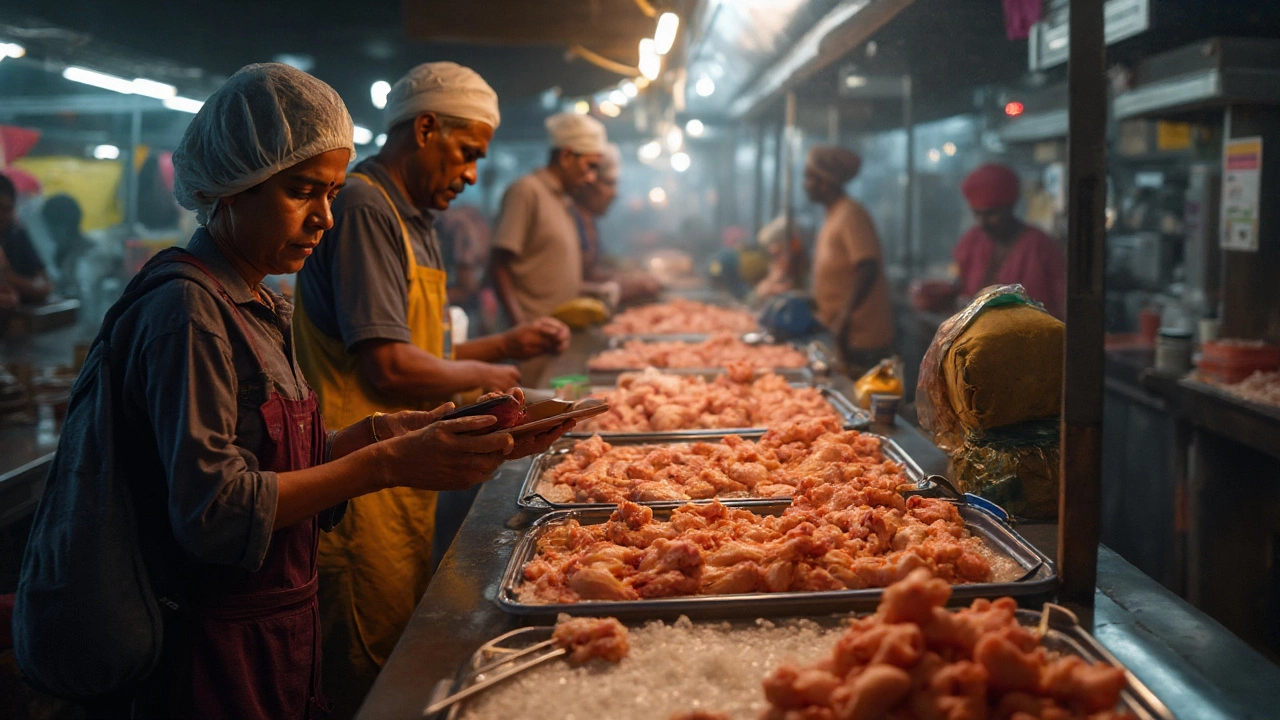
Can You Eat Chicken in India? Laws, Culture, Halal/Jhatka, Safety, and Best Dishes
Yes-chicken is widely eaten across India. Here’s how to do it right: laws, culture, halal vs jhatka, safety tips, pricing, festivals, and the best regional dishes.
When you buy a snack, eat at a street stall, or order delivery, you're trusting that the food is safe. That trust comes from FSSAI guidelines, the food safety standards set by India's Food Safety and Standards Authority of India to protect public health and regulate the food industry. Also known as Food Safety and Standards Authority of India rules, these guidelines apply to every step—from how milk is pasteurized to how packaged chips are labeled. They aren’t just for big factories. If you run a home kitchen selling sweets, manage a restaurant, or even sell homemade pickles online, FSSAI guidelines affect you.
FSSAI guidelines cover more than just cleanliness. They define what can be added to food, how long it can be stored, and what warnings must appear on labels. For example, no packaged food can claim "100% natural" without proof, and no restaurant can reuse cooking oil beyond safe limits. The FSSAI registration, the basic legal requirement for any food business in India, regardless of size is the first step. Larger operations need a full FSSAI license, a stricter certification for medium and large food businesses that involves inspections and compliance checks. Without either, selling food legally isn’t possible.
These rules also tie into everyday habits. Think about why your local chai wallah uses fresh glasses, or why packaged atta has an expiry date. That’s FSSAI at work. They’ve cracked down on harmful additives like metanil yellow in turmeric and banned the use of banned pesticides in fruits. Even food delivery apps now require vendors to display their FSSAI license number. It’s not about red tape—it’s about keeping you from getting sick.
What you’ll find in the posts below are real stories about how these rules play out in kitchens, markets, and homes across India. From small vendors struggling to meet standards to families learning how to read food labels, these articles show the human side of food safety. Whether you’re a consumer, a cook, or a business owner, understanding FSSAI guidelines helps you make smarter choices—and stay safe.
Yes-chicken is widely eaten across India. Here’s how to do it right: laws, culture, halal vs jhatka, safety tips, pricing, festivals, and the best regional dishes.