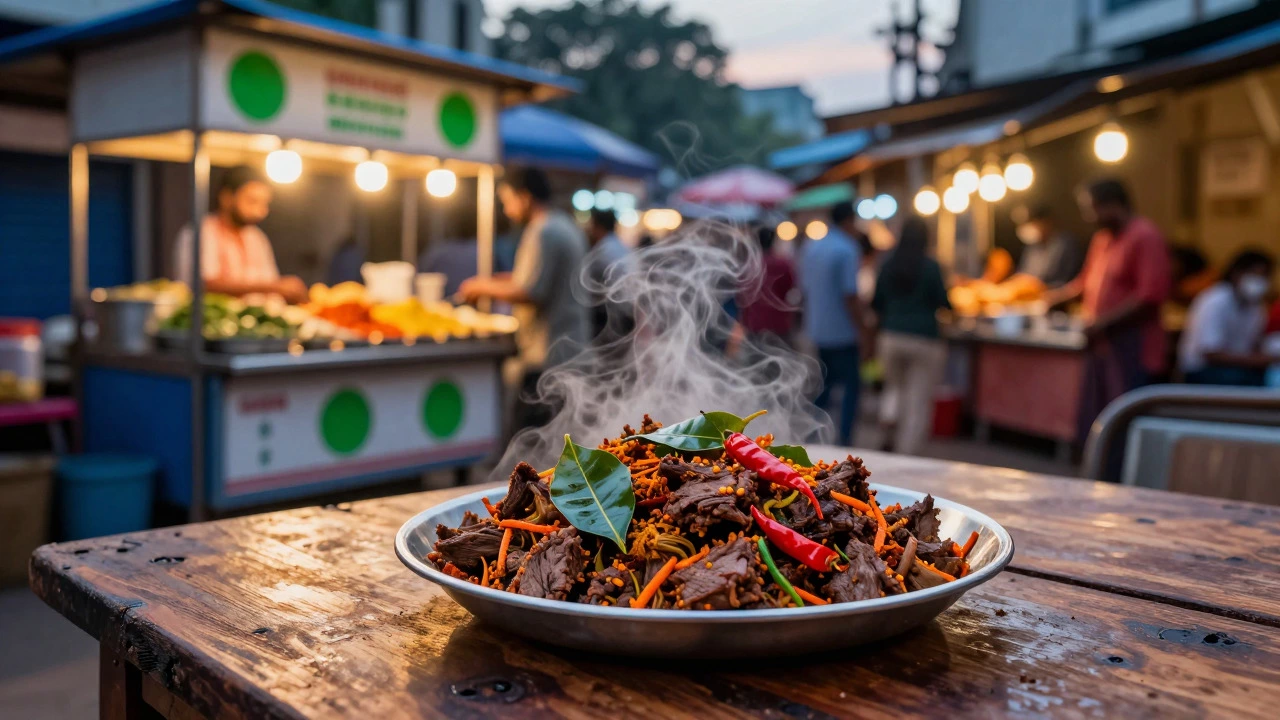
India Beef Legality & Risk Checker
Select a State
Choose any Indian state to view specific regulations.
Ready to Check
Select a state from the dropdown to view detailed information about beef laws, penalties, and cultural context.
State Name
StatusLegal Status & Penalties
Risk Assessment
Traveler's Guide
Key Facts
Legend
You’ve heard the rumors. You’ve seen the headlines about mob violence or political debates. But when you sit down at a restaurant in Mumbai, Delhi, or even rural Gujarat, does eating a steak actually land you in jail? The short answer is: it depends entirely on where you are sitting. There is no single national law that makes eating beef illegal across all of India. Instead, you have a patchwork of state-level regulations that range from strict prohibition to complete freedom.
If you are visiting India or just curious about its complex relationship with food and faith, understanding these local laws is crucial. It’s not just about avoiding legal trouble; it’s about respecting deep-seated cultural norms. Let’s break down exactly where you can eat beef, where you can’t, and what happens if you cross the line.
The Federal Void: No National Ban
First, let’s clear up the biggest misconception. The Constitution of India does not ban beef consumption nationwide. Article 48 of the Directive Principles of State Policy suggests that the state should organize agriculture and animal husbandry on modern and scientific lines and shall, in particular, take steps for preserving and improving the breeds and prohibiting the slaughter of cows and calves and other milch and draught cattle. Notice the word "suggests." It is a directive, not an enforceable criminal code for citizens.
This means the power to regulate cow slaughter and beef sales lies with individual states. Some states have used this power to impose total bans, while others allow it under specific conditions. This creates a situation where a meal that is perfectly legal in Kerala could be a felony in Uttar Pradesh.
States with Strict Bans: The High-Risk Zones
In several states, the slaughter of cows (and often bulls and bullocks) is strictly prohibited. These laws are often tied to religious sentiments regarding the Hindu reverence for the cow as a sacred animal. If you are in one of these states, buying beef from a licensed shop might be technically possible in some grey areas, but possessing or consuming it can lead to severe penalties, including fines and imprisonment.
- Gujarat: Since the title mentions Gujarati culture, this is critical. Gujarat has one of the strictest cow protection laws. The Gujarat Prevention of Cruelty to Animals Act bans the slaughter of cows, bulls, and bullocks. Violators can face up to five years in prison and heavy fines. In Gujarat, beef is virtually non-existent in mainstream restaurants.
- Uttar Pradesh: Known for having some of the toughest amendments. Possession of beef can lead to arrest. The penalty includes up to five years imprisonment and a fine of ₹10 lakh (approx. $12,000 USD).
- Haryana, Rajasthan, Madhya Pradesh, Himachal Pradesh: These states also have comprehensive bans on cow slaughter. While enforcement varies, the legal risk is high.
States Where Beef Is Legal: The Safe Havens
On the flip side, many states in South India and the Northeast have robust beef industries. Here, beef is a common part of the diet, served in roadside eateries, hotels, and homes. In these regions, the cow is respected, but the bull (non-milching male cattle) is often slaughtered for meat after it stops working in fields.
- Kerala: Beef fry is a cultural staple here. You will find it in almost every menu, from luxury hotels to street stalls. It is deeply integrated into the local cuisine.
- Tamil Nadu: Similar to Kerala, beef is widely consumed. The state government actively supports the dairy and meat industry, viewing it as an economic asset rather than a taboo.
- West Bengal: Kolkata is famous for its mutton and beef curries. The community here has a long history of beef consumption, particularly among Muslim and Christian communities, but also many Hindus.
- Punjab and Haryana (Nuance): Wait, didn’t we say Haryana was banned? Yes. Punjab allows cow slaughter under certain licenses, making it more lenient than its neighbor Haryana. Always check the latest local notifications.
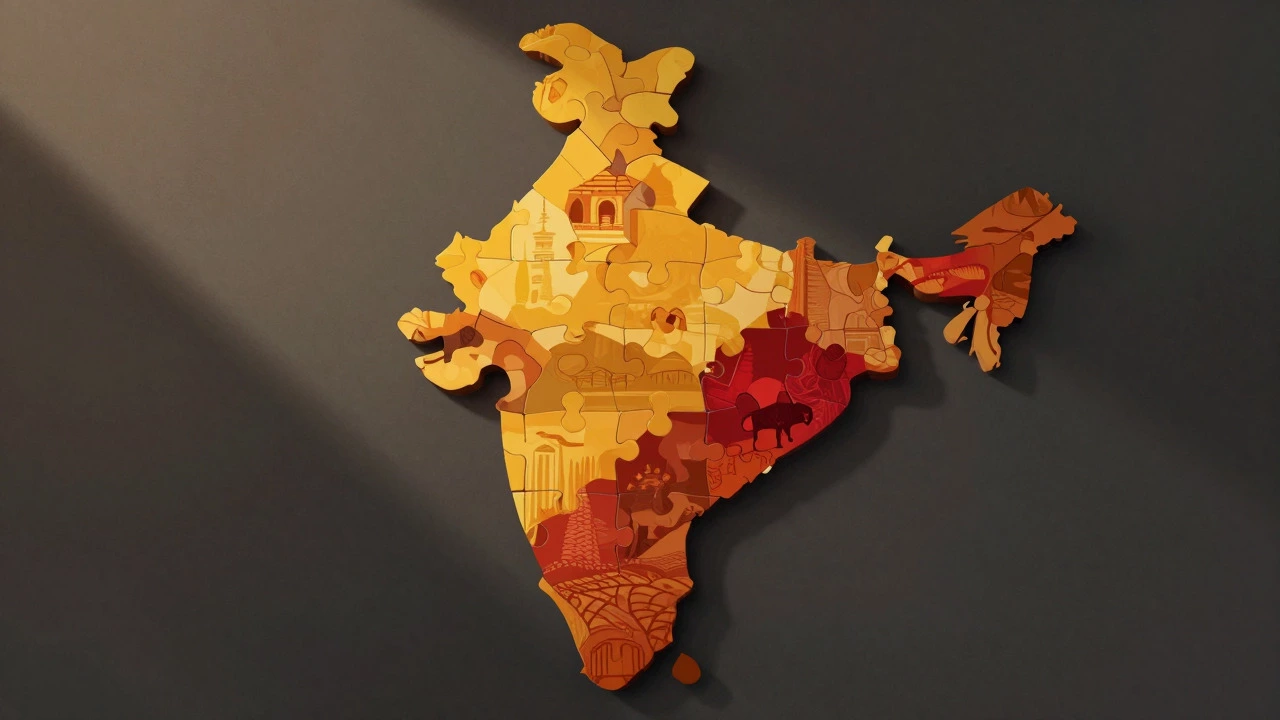
The Cultural Context: Why This Matters Beyond Law
Laws are written by politicians, but culture is lived by people. Even in states where beef is legal, serving it to someone who doesn’t want it can cause social friction. In many parts of North India, the majority population is Hindu, and a significant portion considers the cow sacred. Offering beef to a guest without knowing their preference is considered a major faux pas.
In contrast, in South India, the distinction between "cow" (female, milk-producing) and "bull/bullock" (male, draft animal) is clearer in public discourse. Many Hindus in Tamil Nadu or Kerala eat beef (from older bulls) without feeling they are violating their religious duties, provided the animal was treated well and not slaughtered unnecessarily.
For travelers, this means reading the room. If you are dining with locals in Varanasi, stick to vegetarian options unless you know your hosts well. If you are in Kochi, ordering beef fry is not just safe; it’s expected.
What About Other Meats?
If beef is off the table, what else is there? India is a massive consumer of chicken, goat (mutton), and fish. Chicken is the most widely consumed meat across all states, with few restrictions. Goat meat is popular in North India and the West, while fish dominates the coastal regions of Goa, Kerala, and West Bengal. Pork is consumed in Northeast India, Kerala, and by various tribal communities, though it faces occasional political scrutiny in some northern states.
| Region | Legal Status | Cultural Note |
|---|---|---|
| North India (UP, Bihar, MP) | Banned | High sensitivity; avoid unless sure. |
| West India (Gujarat, Maharashtra*) | Mixed | Gujarat: Banned. Maharashtra: Allowed in some districts, banned in others. |
| South India (Kerala, TN, Karnataka*) | Mostly Legal | Common in Kerala/TN. Karnataka has mixed rules by district. |
| East India (West Bengal, Odisha) | Legal | Popular in Bengal; less common in Odisha. |
| Northeast India | Legal | Meat-centric diets; pork and beef common. |
Enforcement and Reality on the Ground
Here is the tricky part: enforcement is inconsistent. In cities like Mumbai or Bangalore, you might find beef dishes in upscale restaurants despite state-level ambiguities, because the police rarely raid high-end establishments. However, in rural areas or during politically charged times, vigilante groups (often called "gau rakshaks") have been known to harass individuals suspected of carrying or eating beef.
There have been tragic incidents where men were beaten or killed based on false accusations of transporting beef. This highlights that the risk isn't just legal; it's physical. Always keep receipts if you buy meat from a licensed butcher, and be discreet if you are traveling through conservative areas.
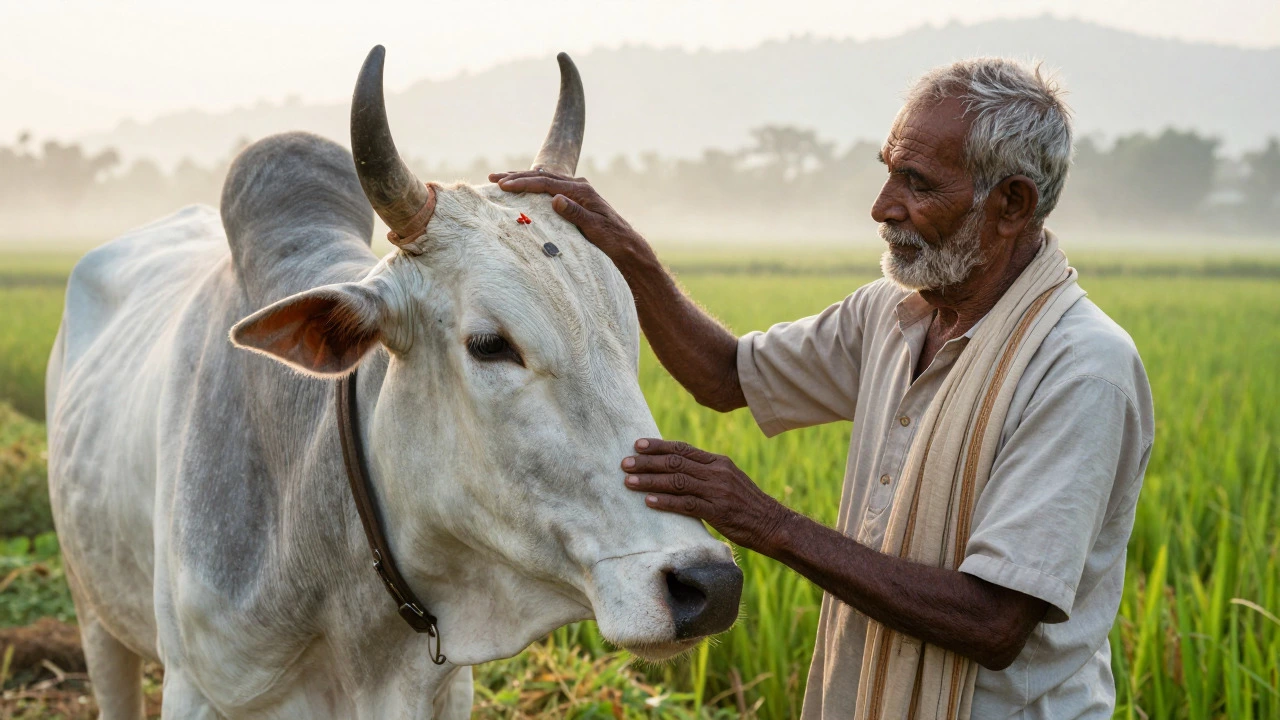
Vegetarianism: The Default Option
If you want to avoid all confusion, go vegetarian. India has one of the highest rates of vegetarianism in the world. A vast array of delicious plant-based dishes exists-from dal (lentils) and chana (chickpeas) to paneer (cottage cheese) curries. Most restaurants clearly mark vegetarian and non-vegetarian items with green and red dots, respectively. Sticking to green-dot items ensures you never offend anyone or break any laws.
Summary of Key Takeaways
- No National Ban: India does not have a federal law banning beef.
- State Laws Rule: States like Gujarat, UP, and Haryana ban it; Kerala, Tamil Nadu, and West Bengal allow it.
- Penalties Vary: Fines can reach ₹10 lakh, and prison terms can be up to five years in strict states.
- Cultural Sensitivity: Even where legal, ask before eating beef with locals.
- Safety First: Keep receipts, stay aware of local politics, and consider vegetarian options in uncertain areas.
Frequently Asked Questions
Is eating beef illegal in all of India?
No, eating beef is not illegal in all of India. There is no central national law banning beef consumption. The legality depends on the specific state you are in. For example, it is legal in Kerala and Tamil Nadu but banned in Gujarat and Uttar Pradesh.
What happens if you eat beef in Gujarat?
In Gujarat, cow slaughter is banned under the Gujarat Prevention of Cruelty to Animals Act. While simply eating beef might not always trigger immediate arrest if done privately, possessing beef or buying it from unlicensed sources can lead to fines up to ₹10,000 and imprisonment for up to five years. Social backlash is also a significant risk.
Which Indian states allow beef consumption?
Beef is generally legal and commonly consumed in Kerala, Tamil Nadu, West Bengal, Punjab, and most of the Northeastern states. In some states like Karnataka and Maharashtra, the rules vary by district, so it is essential to check local regulations.
Do Hindus eat beef in India?
Many Hindus do not eat beef due to religious reverence for the cow. However, some Hindus, particularly in South India and the Northeast, consume beef (usually from older bulls) as part of their traditional diet. It varies greatly by region, caste, and personal belief.
Is it safe for tourists to eat beef in India?
It is safe in states where it is legal and culturally accepted, such as Kerala or West Bengal. In states with strict bans or high religious sensitivity, it is advisable to avoid beef to prevent legal issues or social conflict. Always ask locals or hotel staff for guidance.
What is the difference between cow and bull meat in Indian law?
Many state laws distinguish between "cows" (female, milk-producing) and "bulls/bullocks" (male, draft animals). In some states, slaughtering cows is strictly banned, while bulls may be slaughtered with a license. However, in practice, both are often grouped together as "beef" in public discourse and enforcement.