Indian Mythology: Gods, Demons, and Sacred Stories Explained
When you think of Indian mythology, a vast, living system of stories, deities, and moral teachings rooted in South Asian traditions. Also known as Hindu mythology, it isn’t just old tales—it’s the backbone of how millions understand the world, from the rise of kings to the rhythm of seasons. Unlike mythologies that faded into history, Indian mythology is still alive: you hear it in temple chants, see it in festival dances, and find it in the way people talk about fate, duty, and divine justice.
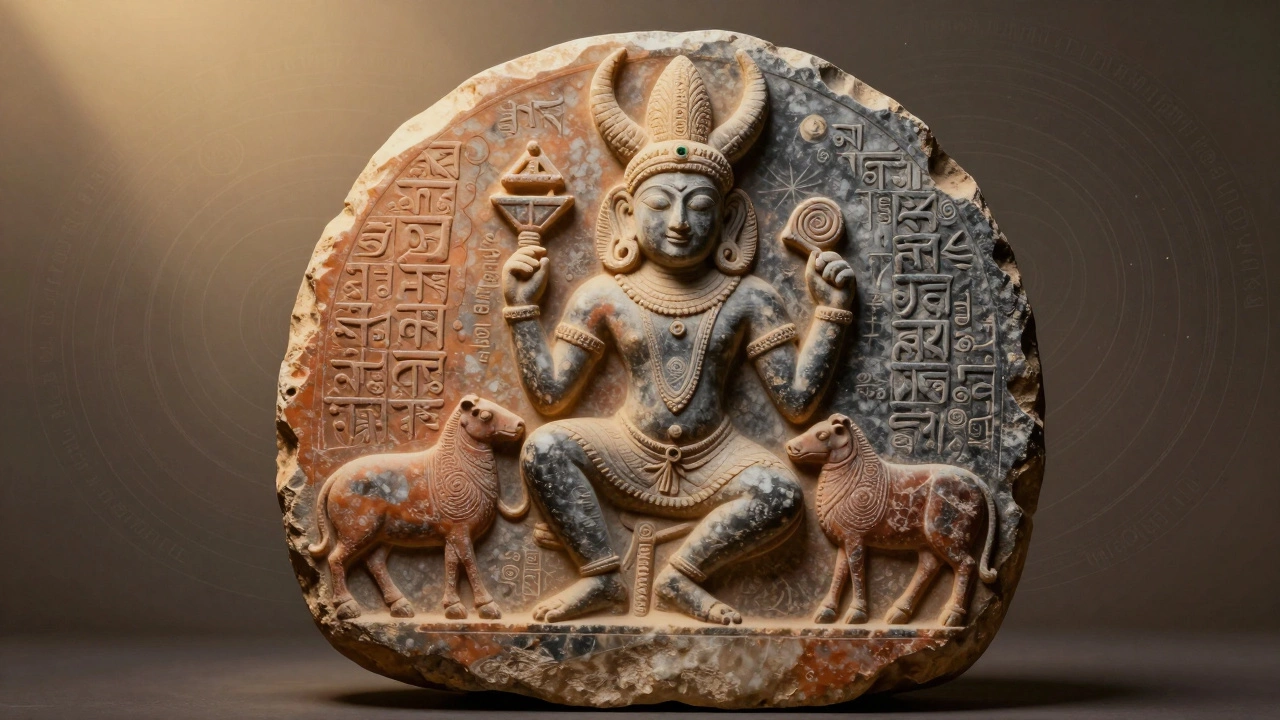
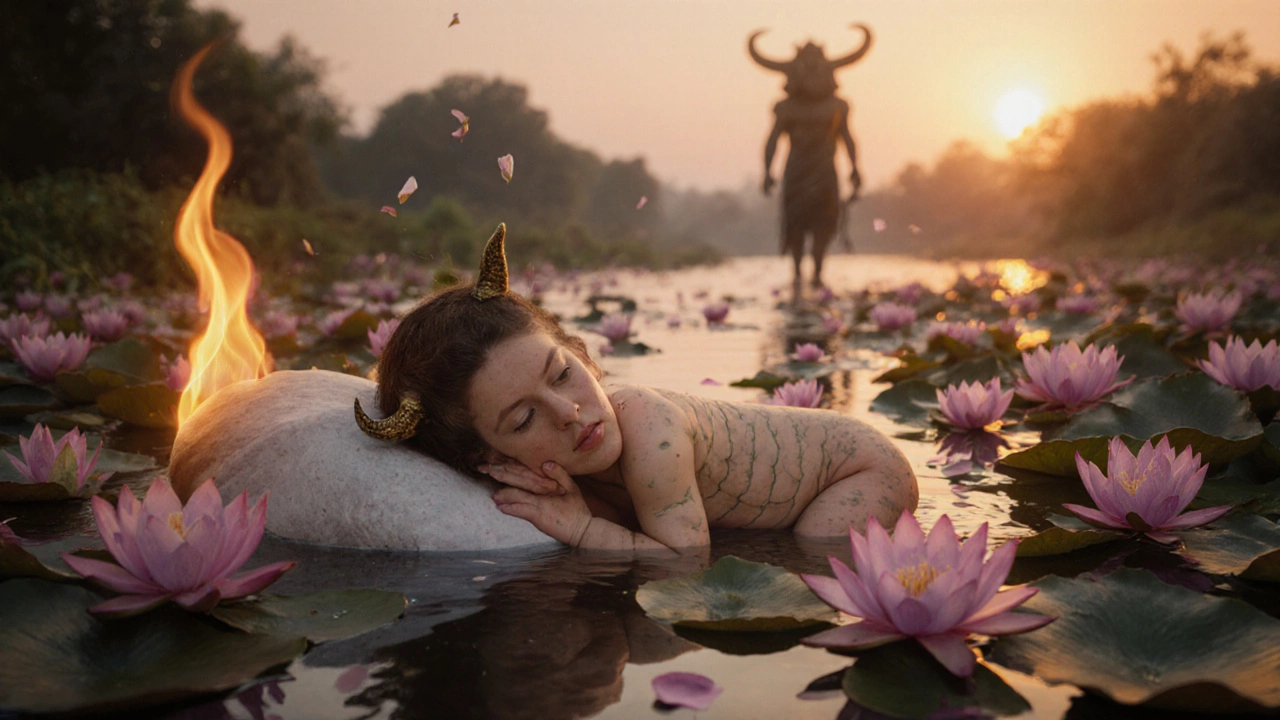
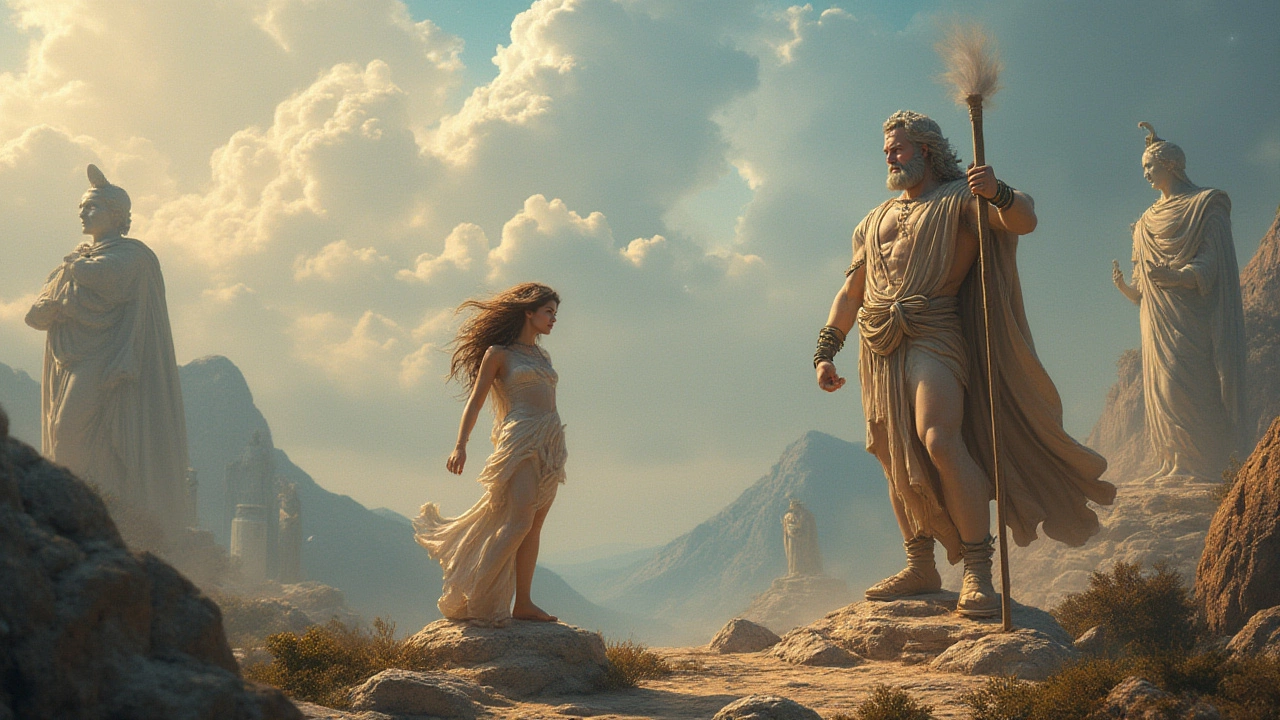
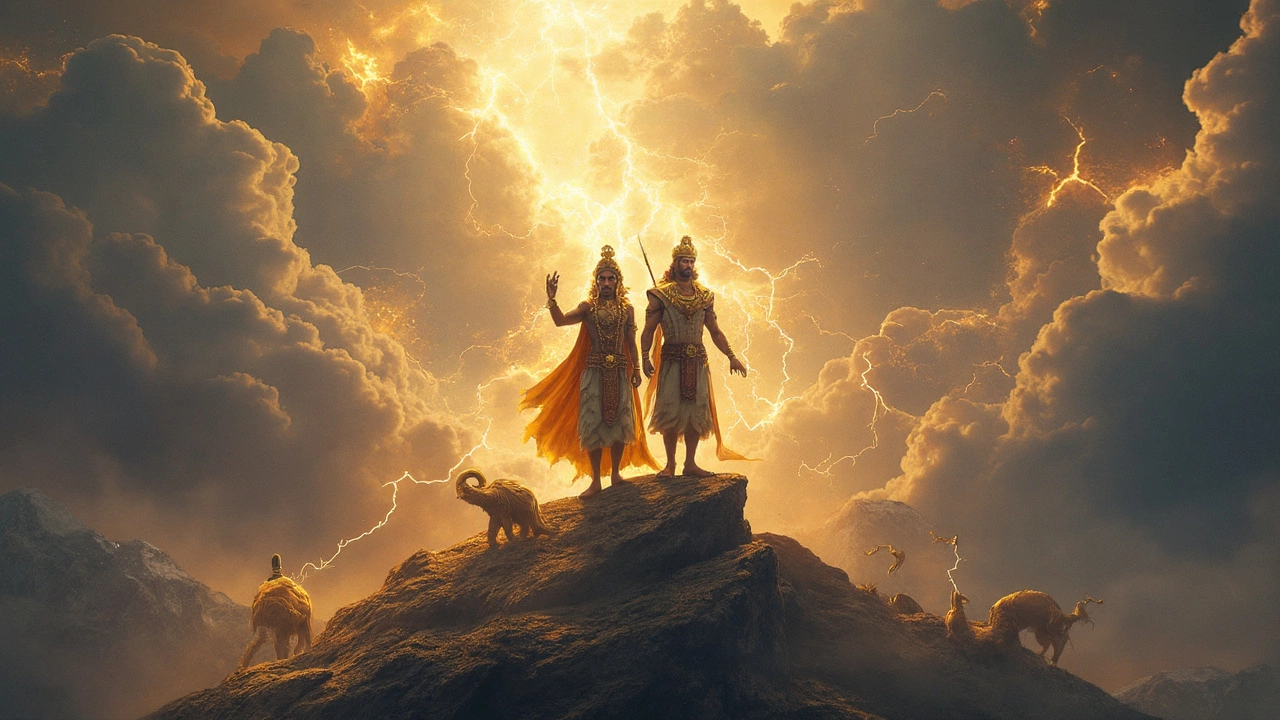
At its heart are figures like Indra, the king of the gods in the Vedas, often compared to Zeus in Greek myth for his power over storms and warfare, and asuras, powerful beings often called demons, but more accurately seen as complex forces of chaos and ambition that challenge the gods. These aren’t simple good-vs-evil characters. The seven devils in Indian mythology? They’re not just monsters—they’re lessons in pride, greed, and imbalance, woven into rituals and art even today. Then there’s the Jalpari, a water spirit from coastal and rural folklore, often called India’s version of a mermaid, but with her own unique origins and warnings. She’s not borrowed from Europe—she’s deeply local, tied to rivers, monsoons, and the fear of drowning.
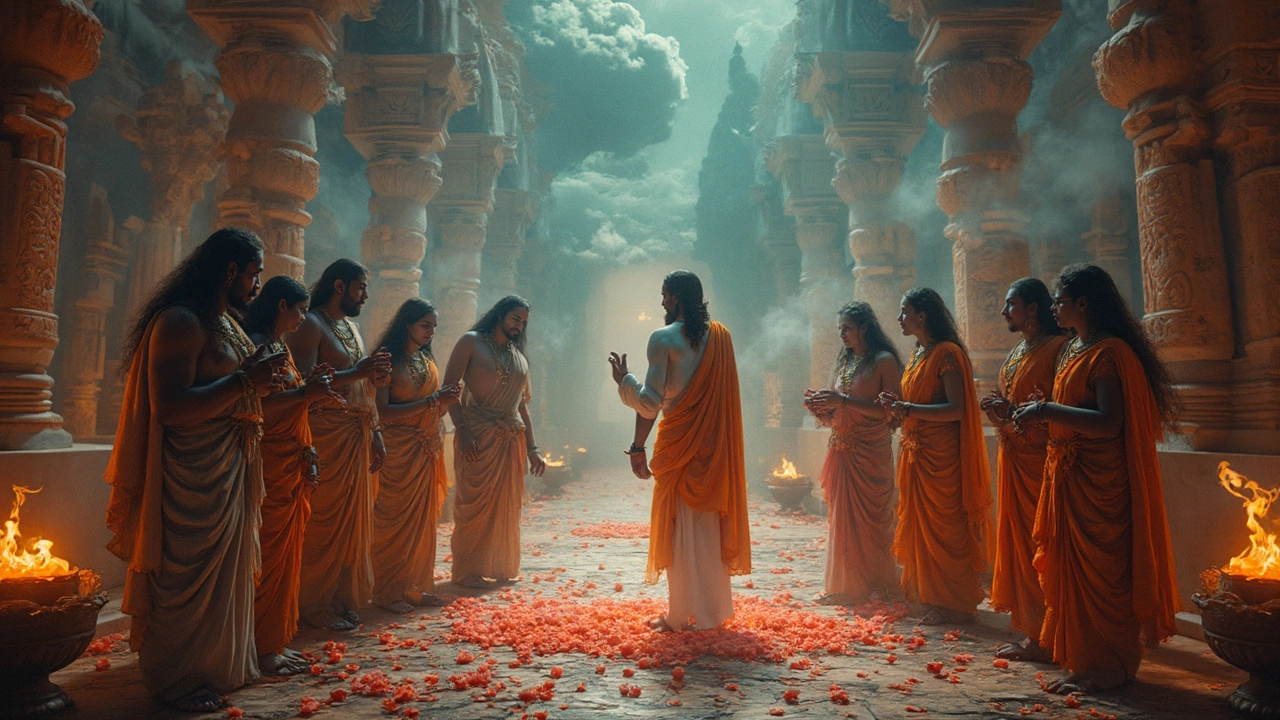
And then there’s the question: Do Hindus have a Bible? Not one book, but a whole library. The Vedas, the oldest sacred texts, filled with hymns and rituals, the Bhagavad Gita, a conversation between a prince and a god that shaped Hindu ethics for over 2,000 years, and other texts like the Puranas—they’re not just religious manuals. They’re history books, philosophy guides, and family stories rolled into one. Even figures like Jesus appear in some Hindu traditions, not as a foreign prophet, but as a wise teacher, a spiritual cousin to sages like Dattatreya.
What ties all this together? It’s not just gods and monsters. It’s how people use these stories to make sense of life. A mother tells her child about the Jalpari to keep them away from deep water. A farmer prays to Indra before the rains. A student reads the Gita to find courage in hard times. Indian mythology isn’t locked in ancient scrolls—it’s in the way people live.
Below, you’ll find real stories that dig into these connections: who the seven devils really are, why the Jalpari isn’t just a mermaid, how Hindu scriptures work without a single holy book, and even how Zeus shows up in unexpected ways. No myths are just myths here. They’re mirrors—and if you pay attention, they’ll tell you something about yourself too.