Indian Clothing: Traditional Outfits, Styles, and What to Wear Today
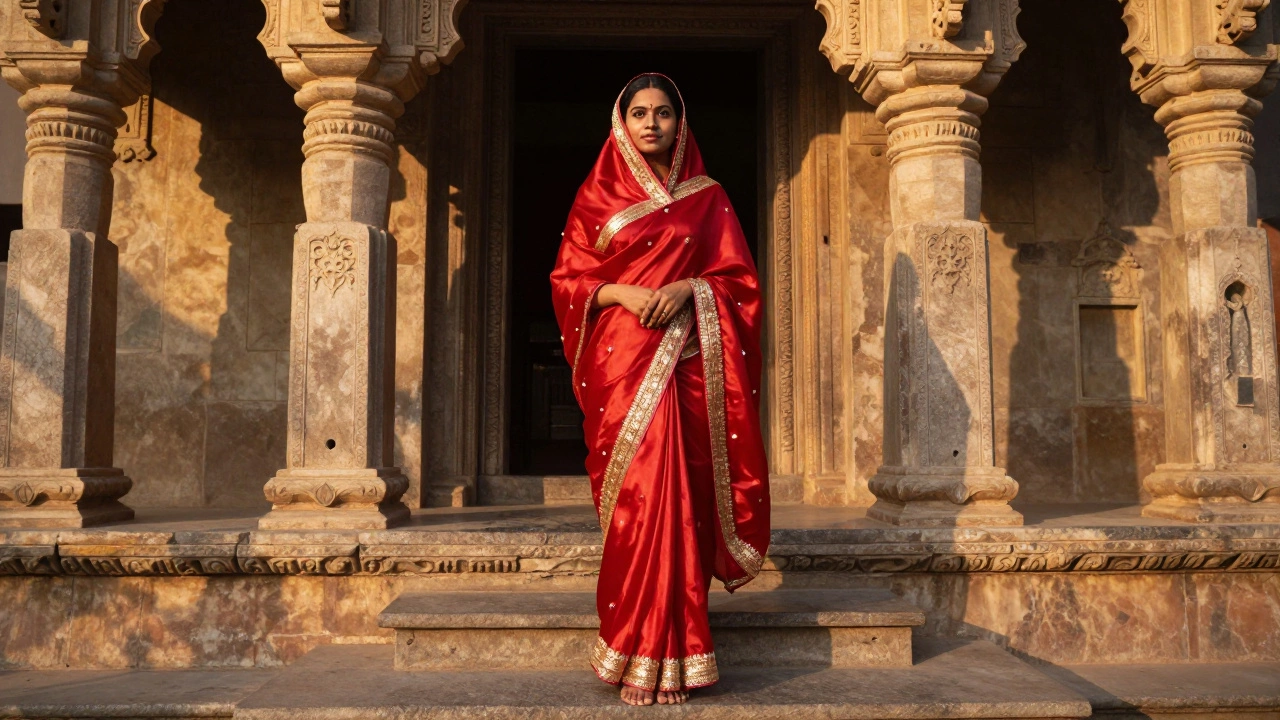
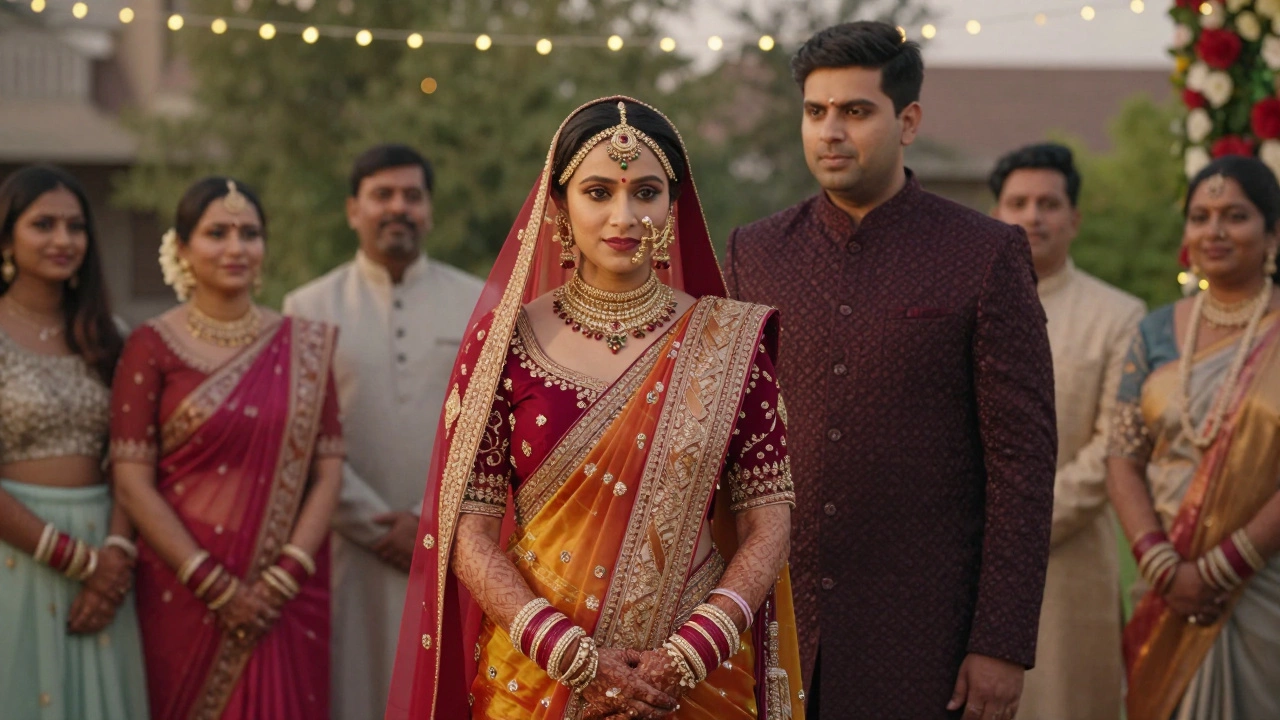
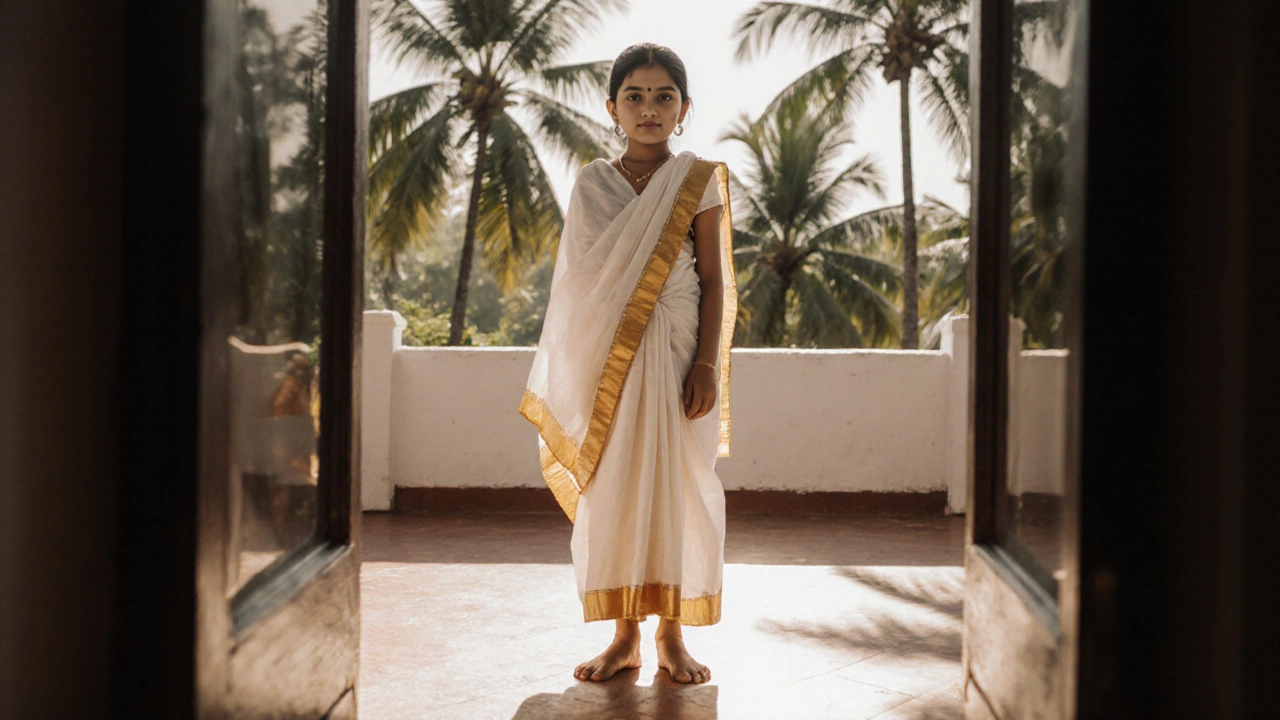
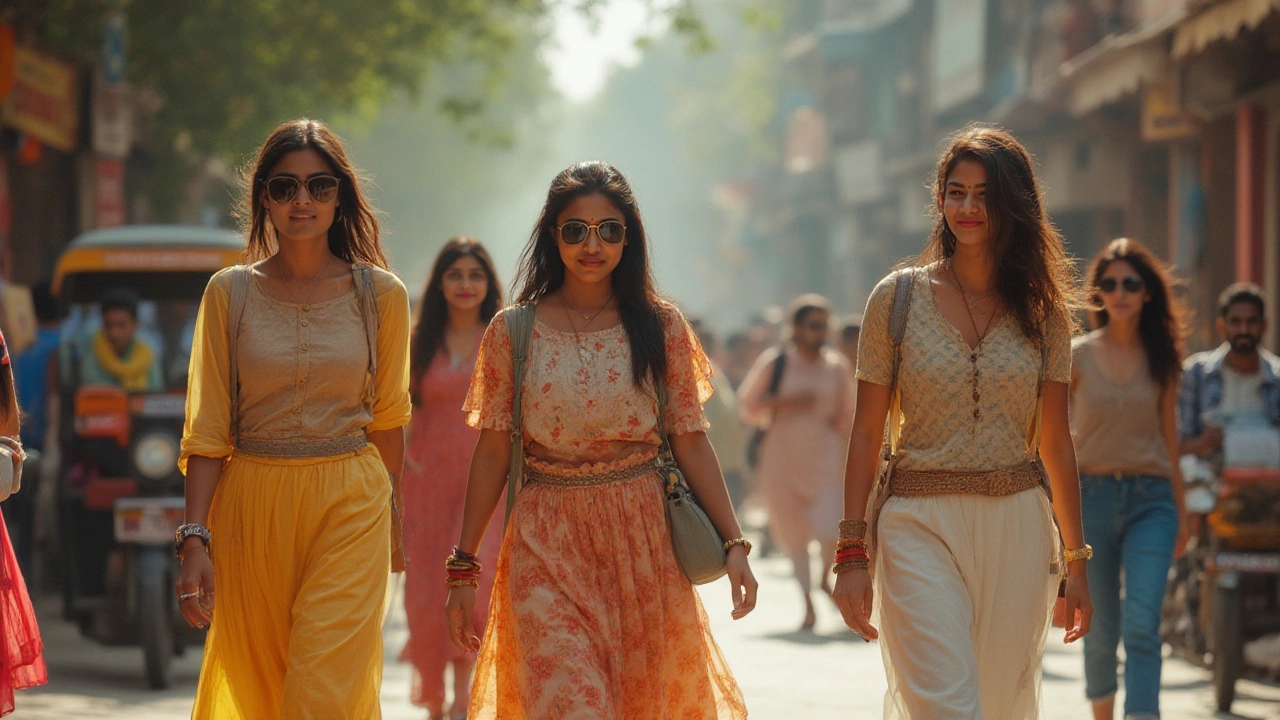
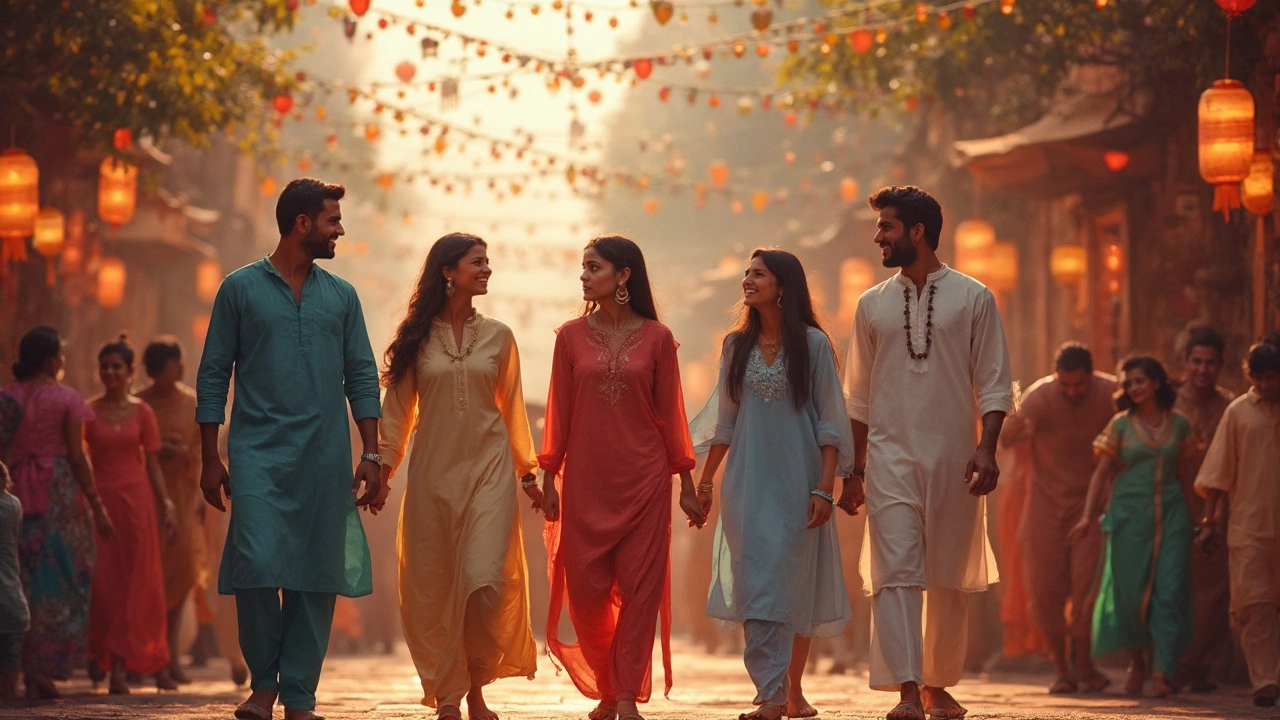
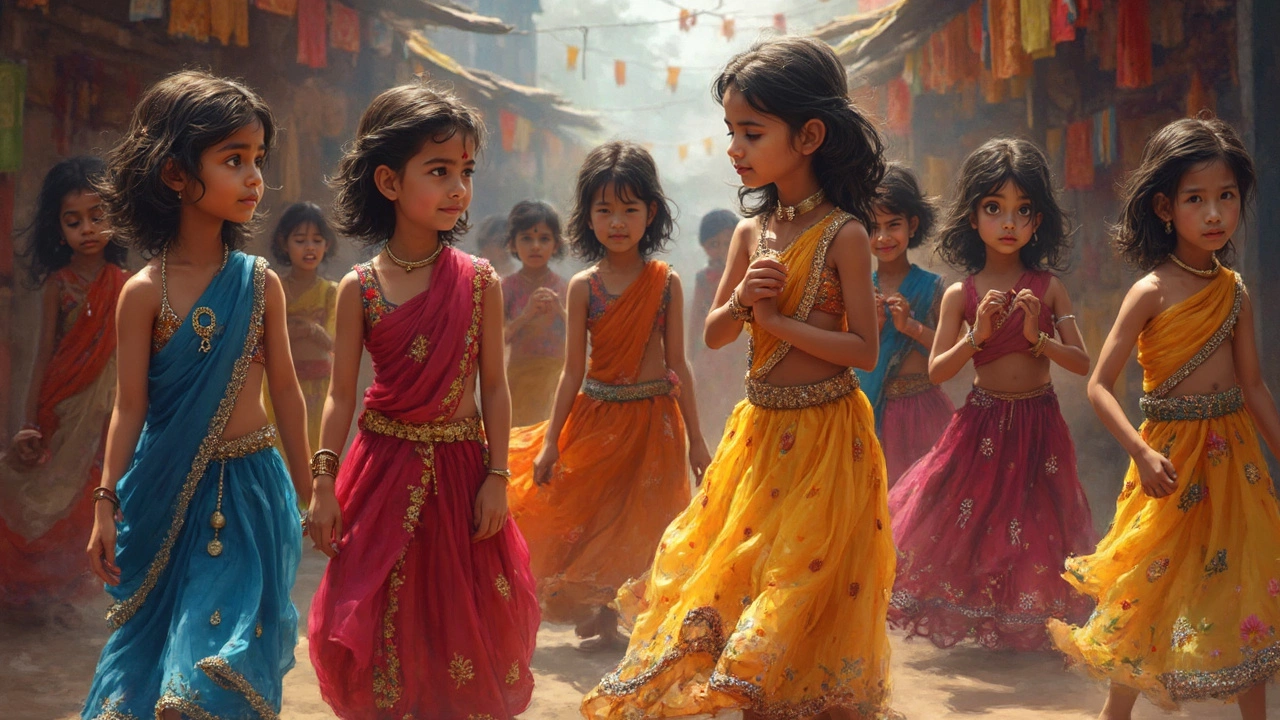
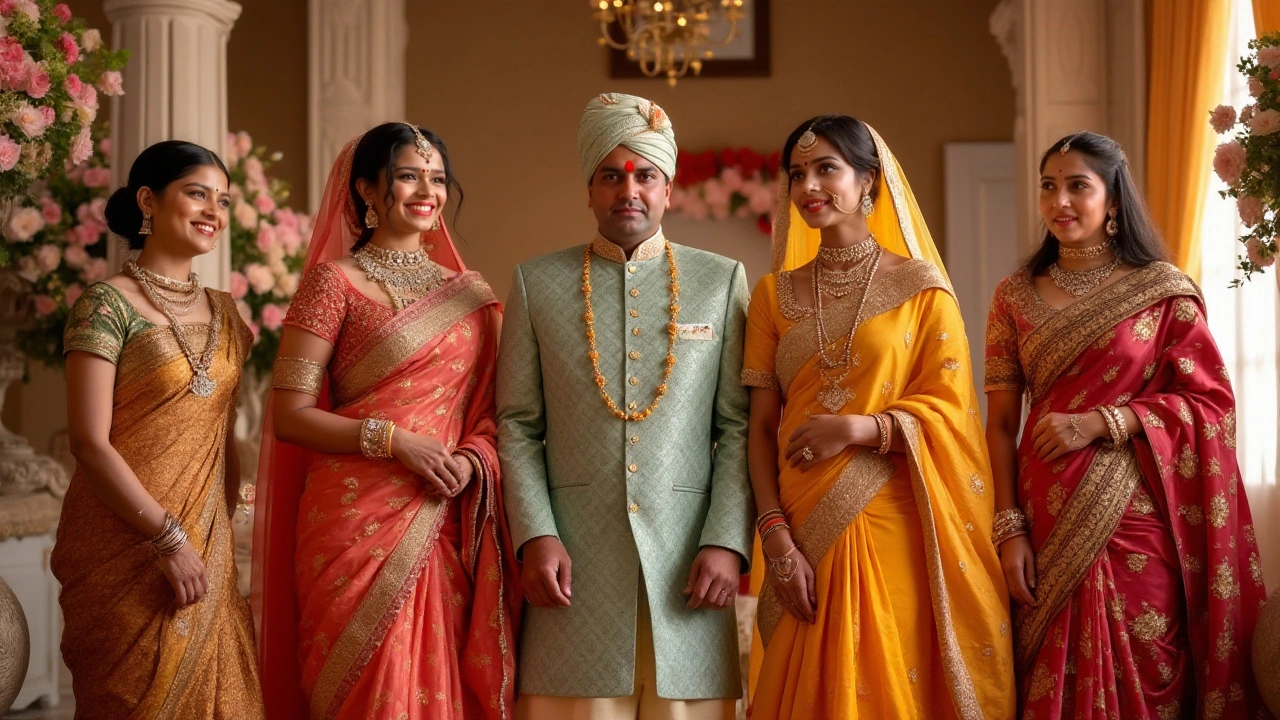
When we talk about Indian clothing, the diverse range of garments worn across India’s regions, often tied to culture, climate, and ceremony. Also known as ethnic wear, it’s not just fabric—it’s identity, history, and daily life woven together. From the flowing drape of a saree, a six-yard unstitched cloth worn in over 20 different styles across India, often for weddings and festivals. Also known as sari, it’s a staple for women in most states. to the relaxed comfort of a kurta pajama, a long tunic paired with loose pants, worn by men and women alike for both casual and formal events. Also known as kurta set, it’s the go-to outfit for Diwali, family dinners, and even office days in many homes. These aren’t costumes. They’re living traditions that adapt, evolve, and sometimes surprise you.
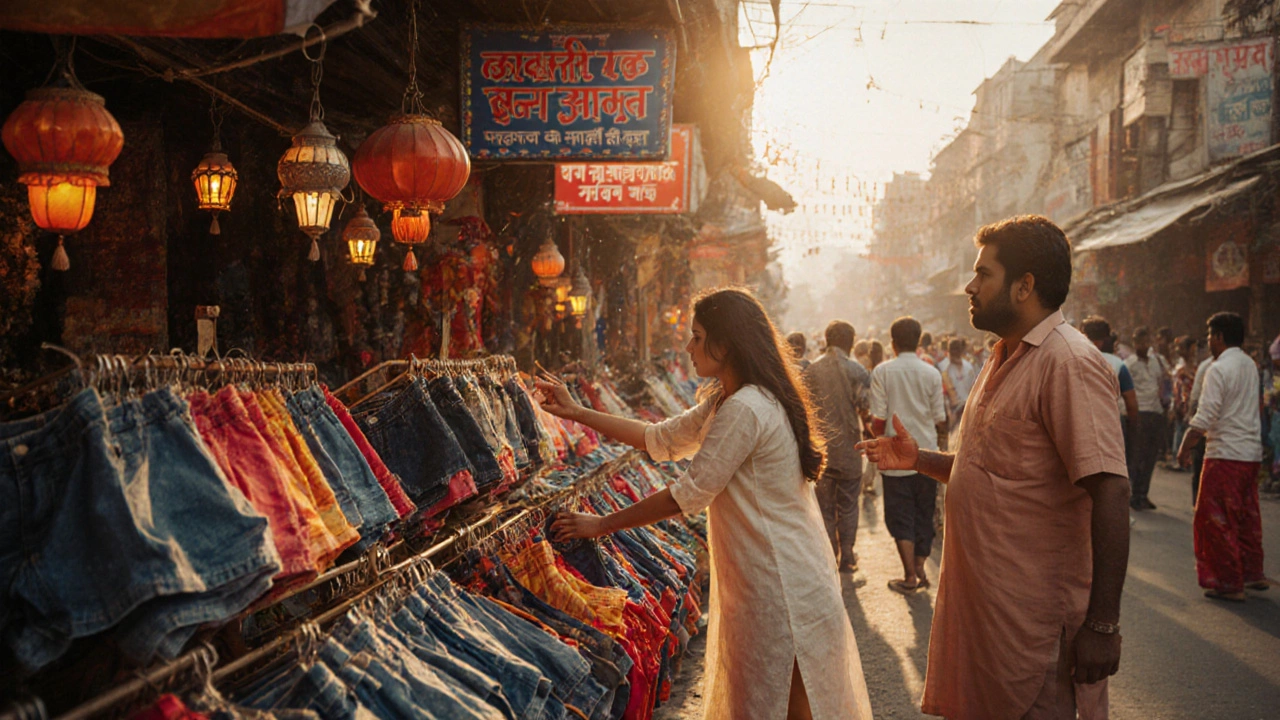
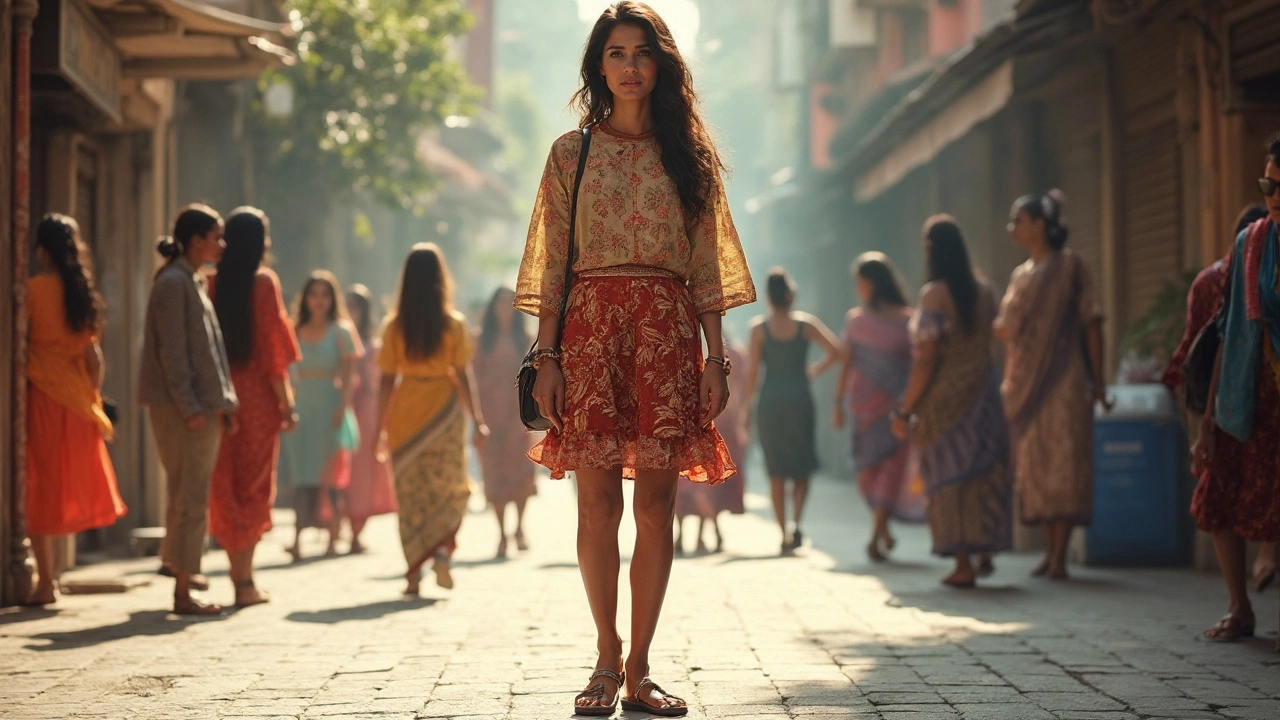
What you wear in India isn’t just about fashion—it’s about context. In cities, you’ll see young women pairing a printed kurta with jeans. In villages, you’ll find men in dhotis and women in colorful cotton sarees. The rules aren’t written down, but they’re felt. Can you wear shorts? Yes, in some places. Can a 40-year-old woman wear a mini skirt? Some do, quietly, without asking permission. The real question isn’t whether it’s allowed—it’s whether you understand the space you’re in. Indian clothing isn’t one thing. It’s hundreds of local practices, each with its own rhythm. And if you’re trying to wear it respectfully, you need to know the difference between a temple and a beach, a wedding and a bus ride.
There’s a reason people keep asking: What do Indian girls wear? What’s the dress code in India? Why does it feel so complicated? Because it’s not about covering up—it’s about connection. A saree isn’t just fabric; it’s how your grandmother taught you to pleat it. A kurta isn’t just a shirt; it’s what your uncle wore to your cousin’s engagement. These clothes carry stories. And when you wear them, even just once, you’re stepping into a conversation that’s been going on for centuries.
Below, you’ll find real guides—no fluff, no assumptions. Learn what Indian shorts are called in different languages. Find out if showing your legs is okay in Delhi versus Kerala. See how to style a tunic without looking like you’re in a costume. Discover why age doesn’t have to limit your style, and how etiquette isn’t about rules—it’s about respect. Whether you’re traveling, attending a wedding, or just curious, these articles give you the practical truth behind the clothes.