India Heritage Site Finder
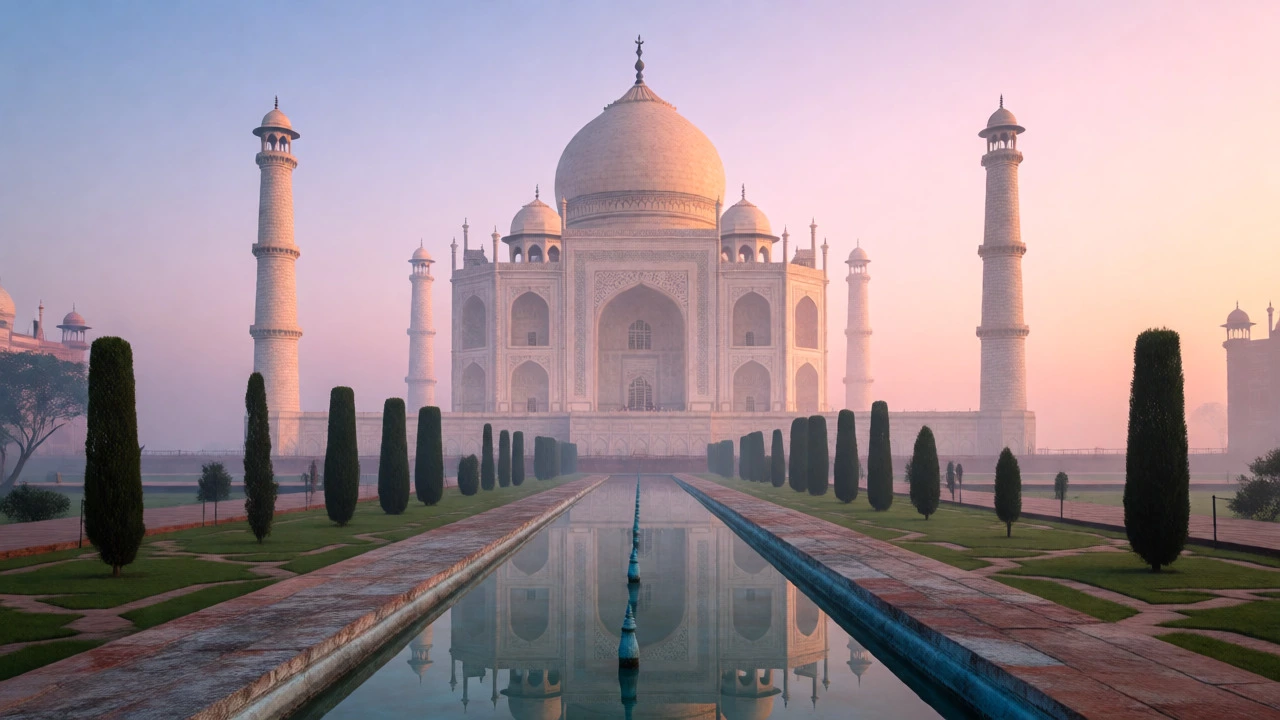
You ask which is the most beautiful historical place in India. It’s a question that sparks fierce debate among travelers and historians alike. Is it the white marble glow of the Taj Mahal at sunrise? Or perhaps the intricate stone carvings of the Hampi ruins? Beauty is subjective, sure. But when we talk about historical grandeur combined with aesthetic perfection, one site consistently tops the list for its sheer emotional impact and architectural mastery.
This article breaks down why certain sites stand out above the rest. We aren't just listing famous spots. We are looking at craftsmanship, preservation, setting, and the story behind the stones. You want to know where to go if you only have time for one trip. Let's find that answer together.
The Case for the Taj Mahal: Why It Still Wins
If you force a choice, the Taj Mahal remains the strongest contender for "most beautiful." Located in Agra, Uttar Pradesh, this mausoleum was built by Emperor Shah Jahan in memory of his wife Mumtaz Mahal. Completed around 1653, it represents the pinnacle of Mughal architecture.
Why does it feel so perfect? It’s not just the size. It’s the symmetry. The complex sits on a raised platform overlooking the Yamuna River. Four minarets frame the main dome, slightly tilted outward so they would fall away from the tomb in an earthquake. This detail shows advanced engineering foresight. The white Makrana marble changes color throughout the day. Pinkish-red at dawn, milky white at noon, and golden under moonlight. Visitors often describe a physical reaction to seeing it. That is rare.
Critics might say it is too crowded. They are right. Getting a clear photo requires patience. But the crowd exists because the visual payoff is undeniable. No other structure in India combines scale, material quality, and romantic history quite like this UNESCO World Heritage Site.
Hampi: The Raw Beauty of Ruins
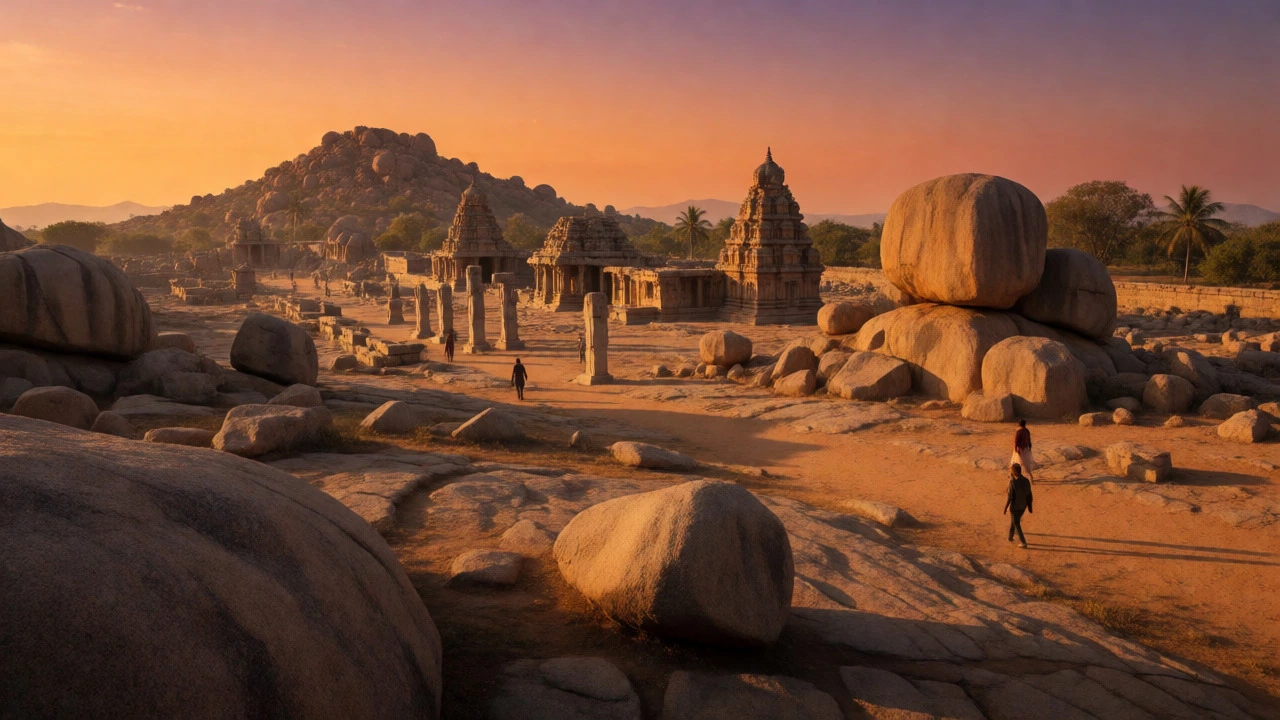
If the Taj Mahal is polished perfection, Hampi is dramatic chaos. Located in Karnataka, Hampi was the capital of the Vijayanagara Empire. Today, it is a sprawling landscape of boulders, temples, and market streets frozen in time. Many travelers argue this is more "beautiful" because it feels wilder and less curated.
The Virupaksha Temple stands tall against giant granite rocks. The contrast between man-made structures and natural geology creates stunning photography opportunities. You can climb Matanga Hill for a sunset view that looks like something from a fantasy novel. There are no ticket booths blocking every angle here. You wander freely among thousand-year-old pillars.
Hampi appeals to those who prefer atmosphere over polish. It smells of dust and incense. You hear monkeys chattering and tourists laughing. It feels alive in a different way than Agra. If you dislike crowds and love hiking, Hampi likely beats the Taj Mahal for your personal definition of beauty.
Jaipur’s Amber Fort: Royal Opulence
Let’s shift to Rajasthan. Amber Fort near Jaipur offers a different kind of allure. Built using red sandstone and marble, it sits high on a hill overlooking Maota Lake. The approach involves walking up steps or riding elephants (though animal welfare concerns have reduced elephant rides recently).
Inside, the Sheesh Mahal (Mirror Palace) dazzles with thousands of tiny mirrors embedded in walls. Light a single candle, and the room sparkles like a starry night sky. This isn't just decoration; it was designed to keep queens warm while allowing light in during winter. The blend of Hindu and Islamic architectural styles reflects the political alliances of the Rajput rulers.
Amber Fort is visually striking due to its location and materials. The reflection of the fort in the lake below doubles its visual impact. For photographers, the early morning light hitting the yellow sandstone creates warm tones that pop against the blue sky. It is regal, imposing, and undeniably pretty.
Konark Sun Temple: Sculptural Mastery
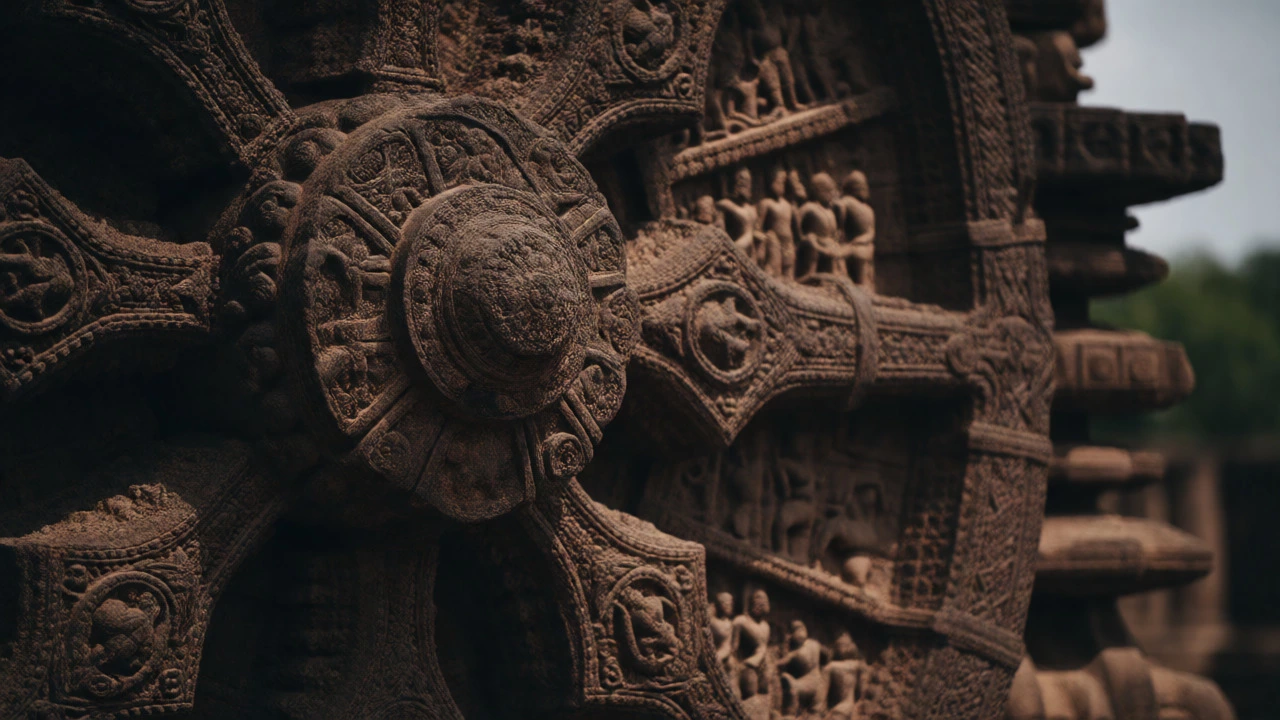
In Odisha, the Konark Sun Temple challenges the idea that beauty must mean intact buildings. Built in the 13th century, this temple is shaped like a massive chariot with 24 wheels carved into stone. Each wheel functions as a sundial.
The exterior is covered in intricate sculptures depicting daily life, animals, and erotic scenes. The level of detail is staggering. You can spend hours examining a single panel. Although part of the temple has collapsed, the remaining structure commands respect. The stone turns dark brown with age, giving it a somber, ancient dignity.
Unlike the pristine white of the Taj, Konark feels earthy and grounded. It connects you directly to the artisans who worked there centuries ago. Their skill survives despite weathering. For art lovers, this might be the most beautiful place because every inch tells a story through sculpture rather than volume.
Comparing the Contenders
To help you decide, let’s look at these sites side-by-side. Each serves a different traveler preference.
| Feature | Taj Mahal | Hampi | Amber Fort | Konark Temple |
|---|---|---|---|---|
| Primary Material | White Marble | Granite & Sandstone | Red Sandstone & Marble | Khondalite Stone |
| Crowd Level | Very High | Moderate | High | Low-Moderate |
| Best Time to Visit | Sunrise/Sunset | Early Morning/Late Afternoon | Morning | All Day |
| Accessibility | Easy (Flat terrain) | Moderate (Walking/Hiking) | Moderate (Steps involved) | Easy (Flat terrain) |
| Unique Appeal | Symmetry & Romance | Natural Landscape Integration | Royal Grandeur | Detailed Sculpture |
Notice how accessibility varies. If you travel with elderly parents, the Taj Mahal or Konark are easier options. Hampi requires stamina. Amber Fort has steep stairs but manageable paths. Choose based on your physical comfort zone.
Beyond the Big Names: Hidden Gems
Maybe you’ve seen the Taj. Maybe you want something quieter. Consider Meenakshi Amman Temple in Madurai. Its colorful gopurams (towers) rise 170 feet into the air. Thousands of sculpted figures cover the surface. At night, lights illuminate the colors, creating a psychedelic effect. It is active worship space, so the energy differs from museum-like sites.
Or try Stepwells of Gujarat. Structures like Rani ki Vav are underground temples dedicated to water. They feature tiered levels descending into the earth. The geometry is fascinating. Fewer tourists visit these compared to the Taj, offering a peaceful experience. You get close-up views of intricate carvings without pushing through crowds.
These hidden gems prove that beauty isn't limited to famous postcards. Sometimes, the most moving historical moments happen in quiet corners where fewer people look.
Planning Your Visit: Practical Tips
Knowing which place is beautiful doesn't mean knowing how to enjoy it. Here is what you need to know before booking tickets.
- Book Ahead: For the Taj Mahal, buy tickets online to skip long lines. Entry fees differ for Indian citizens and foreigners. Check current rates on the Archaeological Survey of India website.
- Dress Code: Temples require modest clothing. Shoulders and knees should be covered. Carry a scarf if unsure. Shoes must be removed at many sites, so wear slip-on footwear.
- Hydration: India gets hot. Even in winter, afternoons can be warm. Carry water. In Hampi, shade is scarce. Plan hikes for early morning.
- Guides: Hire licensed guides. Unlicensed ones may give incorrect stories. Official guides know local legends and historical facts accurately.
- Photography Rules: Tripods are often banned inside monuments. Drones usually require special permits. Respect signs prohibiting flash photography inside museums.
Timing matters immensely. Visiting the Taj Mahal at noon means harsh shadows and heat. Sunrise gives soft light and cooler temperatures. Hampi at midday is brutal sun exposure. Adjust your schedule to the climate, not just the opening hours.
Final Verdict: Which One Should You Pick?
If you seek iconic recognition and architectural flawlessness, choose the Taj Mahal. It delivers exactly what it promises. No disappointment there.
If you crave adventure and scenic drama, pick Hampi. The landscape makes the ruins feel magical. It engages all senses beyond sight.
If you love royal aesthetics and vibrant colors, go to Amber Fort or Meenakshi Temple. These offer rich sensory experiences.
There is no single objective winner. However, for first-time visitors wanting maximum impact per minute spent, the Taj Mahal holds the crown. Its ability to evoke awe across cultures remains unmatched. Just remember to arrive early, bring patience, and look beyond the marble to appreciate the human effort behind it.
Is the Taj Mahal actually worth visiting?
Yes, absolutely. While photos don't do it justice, the real-life presence of the Taj Mahal is overwhelming. The scale, the precision of the marble inlay work, and the changing light make it a unique experience. Many visitors report crying upon first sight. It is expensive and crowded, but the emotional payoff is high.
What is the cheapest historical place to visit in India?
Many smaller stepwells and village temples charge minimal entry fees, sometimes under 50 INR. Hampi has a low entry fee for Indians and moderate for foreigners. Public parks surrounding major forts are often free. Always check local municipal websites for updated pricing.
How many days do I need for each site?
The Taj Mahal needs half a day including travel from Delhi/Agra station. Hampi requires at least two full days to explore properly due to its vast area. Amber Fort takes 3-4 hours. Konark Temple needs 2-3 hours plus travel time from Bhubaneswar. Plan accordingly based on your itinerary pace.
Are these places accessible for disabled travelers?
Accessibility varies. The Taj Mahal has ramps but uneven surfaces exist. Hampi is difficult due to rocky terrain and lack of paved paths. Amber Fort has steep steps. Newer renovations improve access, but always contact sites directly for wheelchair availability and assistance services before traveling.
Can I take drones at these historical sites?
Drone usage is heavily restricted in India, especially near protected monuments. The Taj Mahal prohibits drones without special government permission. Violations carry heavy fines. For casual tourists, assume drones are banned unless you have secured specific clearance from the Archaeological Survey of India.