Regional Indian Breakfast Explorer
Select a region to explore its signature morning meals.
Click a region above to see what's for breakfast!
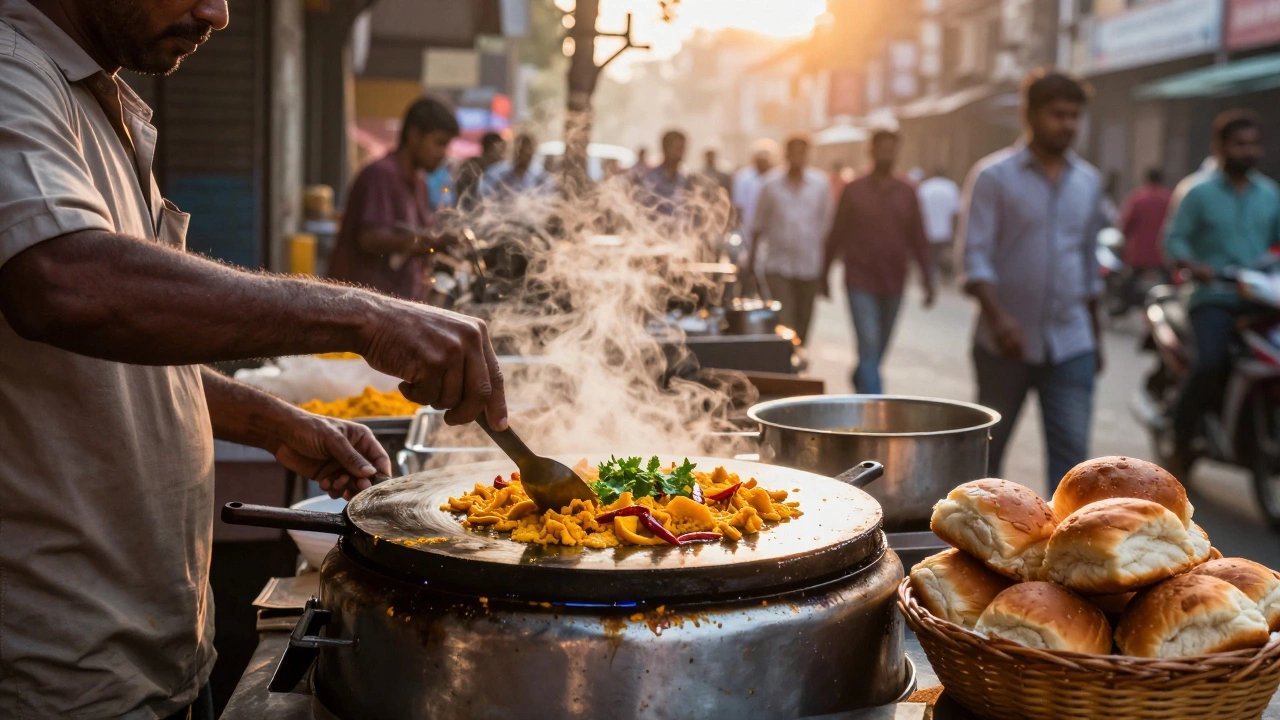
Picture this: It’s 7 AM in Mumbai. The air is thick with humidity and the smell of roasting cumin. On a small street corner, a vendor flips golden-brown Pav Bhaji a spicy mashed vegetable curry served with soft bread rolls on a sizzling tawa (griddle). Meanwhile, in a quiet village in Kerala, someone is grinding coconut and rice into a smooth batter for Puttu steamed cylinders of ground rice layered with coconut. And in Delhi, the clatter of steel plates signals the start of a heavy meal featuring parathas stuffed with spiced potatoes.
If you think Indian breakfast is just one thing-maybe some plain toast or oatmeal-you’re missing out on one of the most diverse culinary landscapes in the world. India isn’t a monolith; it’s a subcontinent where geography, climate, and history dictate what ends up on your plate at dawn. From the fiery chutneys of the South to the wheat-heavy staples of the North, every region has its own morning ritual.
So, what do Indians actually eat for breakfast? The short answer is: everything. But let’s break it down by region, because that’s where the real story lies. Whether you’re looking to expand your own morning menu or just curious about the culture behind the food, here’s a tour of India’s breakfast table.
The North: Wheat, Ghee, and Heat
In Northern India, including states like Punjab, Haryana, Uttar Pradesh, and Delhi, breakfast is often hearty, filling, and centered around wheat. This makes sense when you consider the climate-winters can be biting cold, so people need calories to keep warm. Wheat flour (Atta whole wheat flour commonly used for flatbreads in North India) is the king of ingredients here.
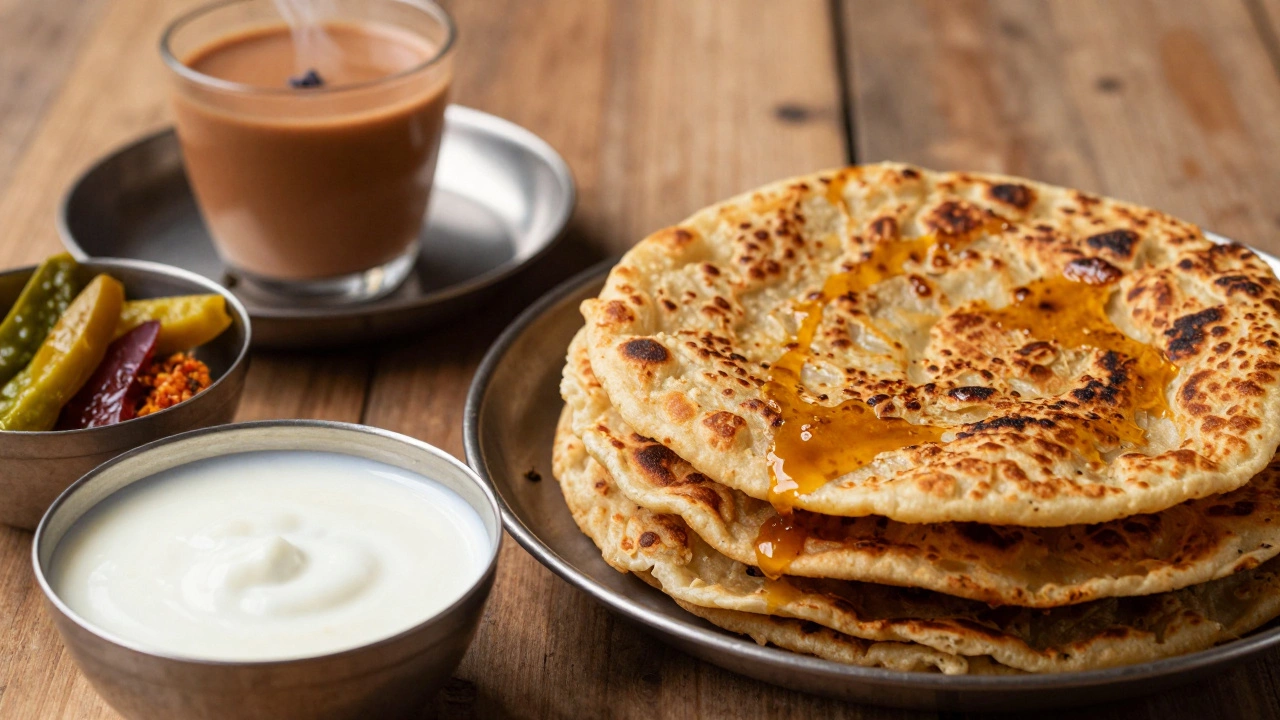
The star of the show is the Paratha a layered flatbread often stuffed with spiced fillings. These aren’t just plain tortillas; they are skillfully rolled, stuffed, and pan-fried in ghee (clarified butter) until crisp. Common fillings include:
- Aloo Paratha: Mashed potatoes mixed with ginger, green chilies, and coriander.
- Gobi Paratha: Grated cauliflower seasoned with spices.
- Keema Paratha: Minced meat (usually mutton or chicken) for non-vegetarians.
You never eat a paratha alone. It comes with a side of dahi (yogurt), pickles (achaar), and sometimes a bowl of hot chai. In rural areas, you might also see Chole Bhature spicy chickpea curry served with deep-fried leavened bread, though this is technically a lunch dish that many Northerners enjoy as a weekend brunch.
For a lighter option, there’s Poha flattened rice flakes cooked with onions, peanuts, and turmeric. While popular across India, Poha is a staple in Maharashtra and Gujarat too. It’s quick to make, easy to digest, and perfect for a morning when you don’t want something too heavy.
The West: Sweet, Savory, and Street-Style
Moving west to Gujarat and Rajasthan, the flavor profile shifts. Gujarat is known for its unique blend of sweet and savory flavors, even in breakfast dishes. Rajasthani food, influenced by the arid desert climate, relies heavily on dairy and grains that store well, like bajra (pearl millet).
In Gujarat, you’ll find Thepla thin, flavorful flatbreads made with fenugreek leaves and spices. Thepla is made from wheat flour but includes fresh fenugreek leaves (methi), which give it a distinct bitter-sweet taste and medicinal properties. It’s often eaten with milk or yogurt and travels well, making it a favorite for road trips.
Rajasthan offers Bajra Rotla flatbread made from pearl millet flour, common in arid regions. Served with Gatte ki Sabzi chickpea flour dumplings cooked in a tangy yogurt-based gravy, this combination is warming and nutritious. Bajra is gluten-free and high in fiber, making it a surprisingly modern superfood choice rooted in ancient tradition.
In Mumbai, the urban heartbeat of the West, breakfast is fast-paced. You’ve got Vada Pav a spicy potato fritter sandwiched in a bread bun, Mumbai's street food icon ruling the streets. It’s essentially an Indian burger-cheap, delicious, and addictive. Paired with a cup of cutting chai (strong, sweet tea), it fuels millions of commuters before work.
The South: Rice, Coconut, and Fermentation
Cross into Southern India-Tamil Nadu, Kerala, Karnataka, and Andhra Pradesh-and the scene changes dramatically. Here, rice is the primary grain, not wheat. The tropical climate encourages the use of coconut, tamarind, and mustard seeds. Fermentation is key, as it aids digestion in the heat.
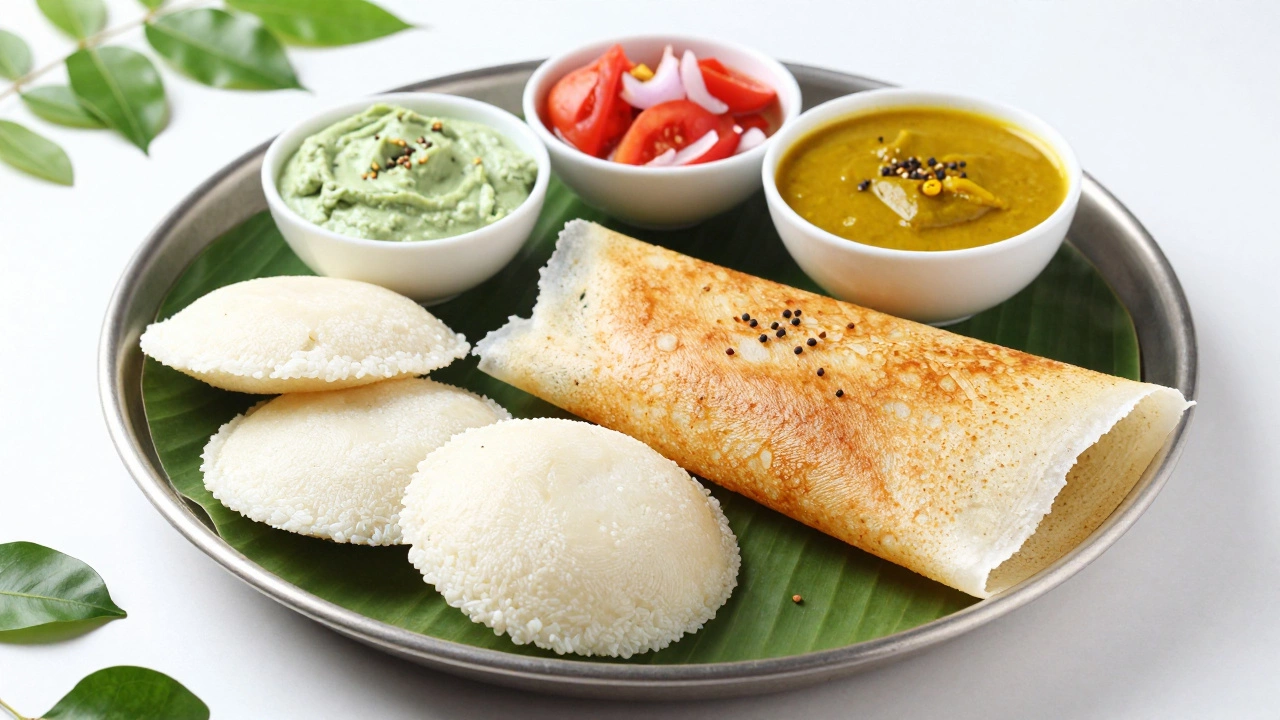
The holy trinity of South Indian breakfast is Idli steamed rice and lentil cakes, known for being light and healthy, Dosa thin, crispy fermented crepes made from rice and lentil batter, and Vada deep-fried savory donuts made from urad dal (black gram).
Idli is perhaps the healthiest breakfast option in India. Made from fermented rice and urad dal batter, it’s steamed, not fried. It’s soft, fluffy, and neutral in taste, which means it acts as a canvas for the sides. You’ll always serve idli with two types of chutney (usually coconut and tomato-onion) and sambar (a lentil-based vegetable stew flavored with tamarind and asafoetida).
Dosa takes the same batter but spreads it thin on a hot griddle. The result is a crispy, paper-thin crepe. Variations include Masala Dosa (stuffed with spiced potatoes), Mysore Masala Dosa (with a spicy red chutney spread), and Rava Dosa (made from semolina for extra crunch).
In Kerala, Puttu steamed cylinders of ground rice layered with grated coconut is a daily staple. It’s served with kadala curry (black chickpea stew) or banana. The texture is soft yet slightly coarse, and the coconut adds richness without heaviness.
Karnataka introduces Rava Idli semiya/semolina-based steamed cakes, softer than traditional idli and Upma savory porridge made from semolina, vegetables, and tempering spices. Upma is incredibly versatile. You can add carrots, peas, beans, or even paneer (cottage cheese) to it. It’s comfort food in a bowl.
The East: Flavors of Bengal and Odisha
In Eastern India, particularly West Bengal and Odisha, fish plays a bigger role in breakfast than anywhere else. Bengalis love their fish, and it’s not uncommon to see Ilish Machh Hilsa fish, a prized delicacy in Bengali cuisine or other freshwater fish prepared lightly for the morning.
However, vegetarian options are still dominant. Luchi deep-fried puffy white bread made from refined flour is the Bengali equivalent of puri. It’s paired with Aloo Dum potatoes slow-cooked in a rich, spiced gravy. The contrast between the airy, oily luchi and the savory, spiced potato curry is irresistible.
Another favorite is Chingri Malai Curry prawns cooked in a creamy coconut sauce served with rice. For a simpler meal, Panch Phoron a five-spice seed blend used extensively in Bengali cooking-tempered vegetables are common. Panch Phoron includes fenugreek, nigella, cumin, black mustard, and fennel seeds, creating a complex aromatic base.
In Odisha, Chena Poda a baked cottage cheese dessert, sometimes enjoyed as a sweet breakfast treat might appear, but more commonly, you’ll find Dalma a wholesome mix of lentils and vegetables cooked together served with rice. Dalma is nutritious, filling, and reflects the state’s emphasis on balanced, home-style cooking.
The Central and Northeastern Regions
Central India, including Madhya Pradesh and Chhattisgarh, shares similarities with the North but has its own twists. Khandvi soft, savory rolls made from gram flour and yogurt, originating from Gujarat but popular in MP is a delicate dish that requires patience to make. The batter is poured thinly onto a cloth, steamed, and then rolled. It’s tempered with mustard seeds, curry leaves, and dried red chilies.
The Northeastern states-Assam, Manipur, Nagaland, etc.-have a completely different culinary identity. Influenced by Southeast Asian neighbors, the food is less about heavy spices and more about fresh herbs, bamboo shoots, and fermented ingredients.
In Assam, Xakrikha fermented soybean paste, a staple condiment in Assamese cuisine is often eaten with rice and boiled vegetables. Jadoh red rice cooked with meat, typically pork or chicken, in Manipuri cuisine is a hearty one-pot meal. Bamboo shoot curry (Torngari bamboo shoots, a key ingredient in Northeastern Indian cooking) is another highlight, offering a sour, earthy flavor profile that’s unique to the region.
Beverages: More Than Just Tea
No Indian breakfast is complete without a drink. While Masala Chai strong black tea brewed with milk, sugar, and aromatic spices like cardamom and ginger is the national beverage, other drinks play important roles.
- Lassi: A yogurt-based drink from Punjab, available in sweet (with sugar or rose syrup) or salty (with cumin) varieties. It cools the stomach after spicy food.
- Nimbu Pani: Lemon water with salt and sugar, essential in hot climates to replenish electrolytes.
- Tender Coconut Water: Widely consumed in Kerala and coastal areas for hydration and natural sugars.
- Filter Coffee: In South India, strong coffee brewed through a metal filter and mixed with hot milk is a morning ritual. It’s stronger and creamier than typical drip coffee.
Why Indian Breakfasts Are So Diverse
The variety in Indian breakfasts isn’t random. It’s shaped by three main factors:
- Geography and Climate: Cold northern winters demand calorie-dense wheat and ghee. Hot southern summers call for light, fermented rice and coconut. Arid deserts rely on drought-resistant millets like bajra.
- Agriculture: What grows locally ends up on the plate. Rice dominates the wet south; wheat thrives in the irrigated north; millets survive in dry central regions.
- Cultural Practices: Ayurvedic principles influence food choices. Many Indian breakfasts are designed to balance doshas (body energies). Fermented foods like idli and dosa aid digestion, while ginger and cumin in chai warm the body.
| Region | Primary Grain | Signature Dish | Key Flavor Profile |
|---|---|---|---|
| North | Wheat (Atta) | Paratha, Poha | Savory, Spicy, Rich |
| West | Wheat, Millet | Vada Pav, Thepla | Sweet-Savory Blend |
| South | Rice, Lentils | Idli, Dosa, Puttu | Fermented, Coconut, Tangy |
| East | Rice, Maida | Luchi, Fish Curry | Aromatic, Fish-forward |
| Northeast | Rice, Soy | Jadoh, Xakrikha | Herbal, Fermented, Sour |
Modern Trends: Changing Habits
Like everywhere else, urbanization is changing how Indians eat breakfast. In cities like Bangalore and Hyderabad, young professionals are swapping traditional heavy meals for quicker options. Smoothie bowls, avocado toast, and protein shakes are gaining popularity among the fitness-conscious.
However, traditional foods are seeing a revival too. Health enthusiasts are rediscovering the benefits of millets (bajra, jowar) and fermented foods. Startups are selling ready-to-eat idli batter and instant poha mixes for busy mornings. The core remains the same: Indians value flavor, nutrition, and cultural connection in their first meal of the day.
Is Indian breakfast healthy?
Yes, many traditional Indian breakfasts are very healthy. Dishes like idli, dosa, and poha are low in fat, high in fiber, and easy to digest due to fermentation. However, street foods like vada pav or bhatura can be high in oil and calories. Balance is key.
What is the most popular breakfast in India?
There is no single "most popular" dish because preferences vary by region. However, idli and dosa are widely loved across the country, especially in urban areas. In the North, paratha is a daily staple. Vada pav is iconic in Mumbai.
Do Indians eat eggs for breakfast?
Non-vegetarian Indians, particularly in the East and Northeast, often eat eggs. Omelets, boiled eggs, or egg curries are common. In vegetarian households, which constitute a large portion of the population, eggs are not part of the diet.
Can I make Indian breakfast at home easily?
Absolutely. Dishes like poha, upma, and even dosa can be made at home. Idli requires fermentation time, but store-bought batter makes it accessible. Most ingredients like rice, lentils, and spices are available globally.
What is the difference between North and South Indian breakfast?
North Indian breakfast focuses on wheat-based breads like parathas and rotis, often cooked with ghee. South Indian breakfast centers on rice and lentils, featuring fermented items like idli and dosa, usually served with coconut chutney and sambar.