Gujarat Souvenir Authenticity Checker
Planning a gift from Gujarat? Use this checker to verify if the item you are looking at is likely authentic or a mass-produced imitation.
0% Likely Authentic
Expert Tip:
Select an item to get specific advice.
Have you ever walked out of a shop in Ahmedabad or Bhuj with a bag full of things that look pretty but don’t really tell the story of where they came from? It happens. You want to bring home something that screams "I was in Gujarat," not just "I bought a keychain." Whether you are hunting for a wedding gift, a corporate souvenir, or a treat for yourself, knowing what is famous in Gujarat for gifts can save you from buying generic tourist traps.
Gujarat isn't just one thing. It’s a patchwork of deserts, coasts, and bustling cities, each with its own craft tradition. The real magic lies in the details-the tie-dye patterns of a Bandhani saree, the geometric precision of Patan Patola, or the mirror-work brilliance of Kutch embroidery. This guide breaks down exactly what to buy, why it matters, and how to spot the real deal versus the mass-produced knockoff.
The Textile Treasure Trove
If there is one category that dominates Gujarat’s gift scene, it’s textiles. But not all fabric is created equal. When people ask what is famous in Gujarat for gifts, the answer almost always starts with three specific types of cloth that have survived centuries of industrialization.
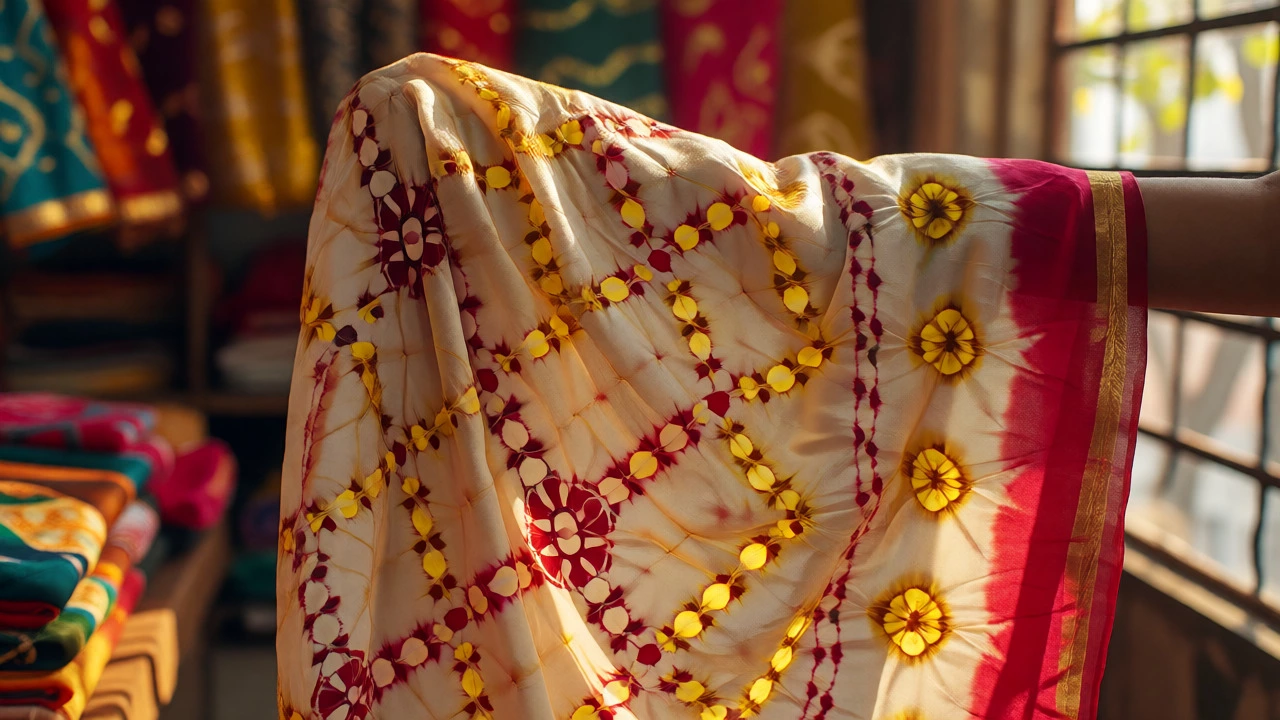
First up is Bandhani a traditional tie-and-dye technique practiced primarily in Jamnagar and Bhuj. Imagine thousands of tiny knots tied by hand before dyeing. That’s Bandhani. The result? Intricate dot patterns that form larger designs. A pure silk Bandhani dupatta or saree is a timeless gift. It’s lightweight, vibrant, and carries a heavy cultural weight. If you’re buying for someone who loves traditional Indian wear, this is your safest bet. Just make sure to check the edges; authentic Bandhani has irregularities because humans made them, not machines.
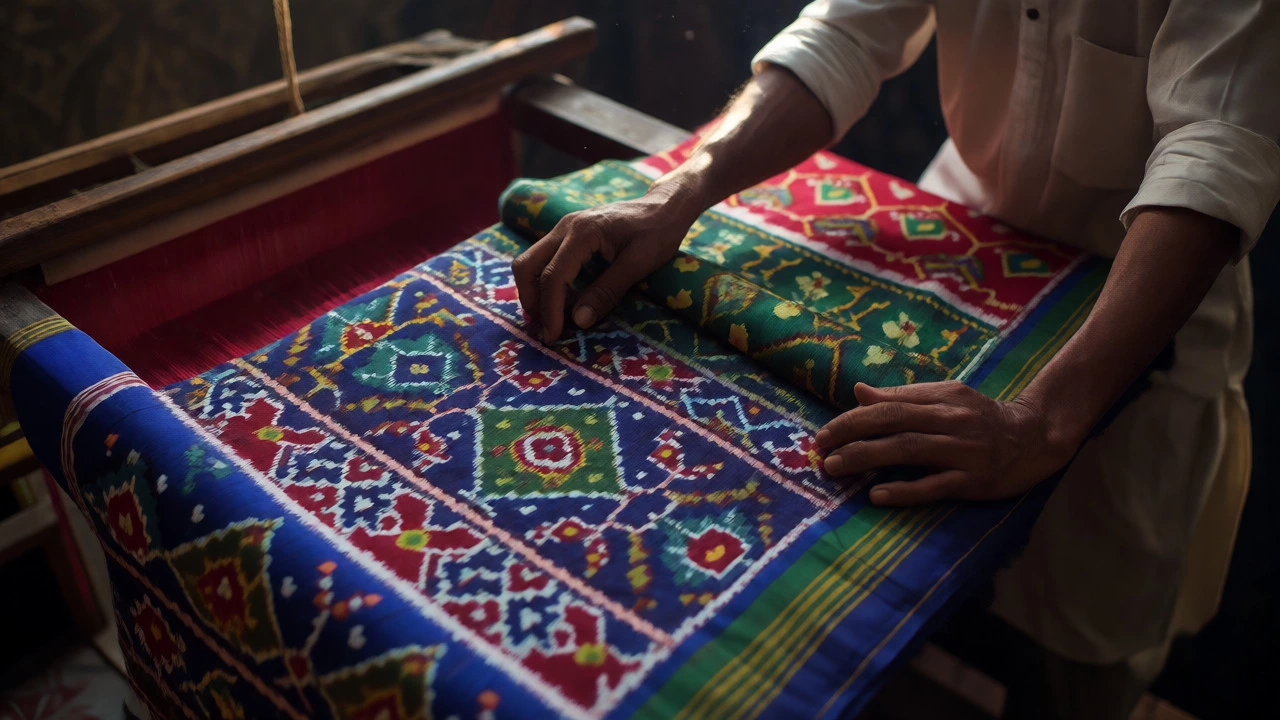
Then there’s the crown jewel: Patola double ikat silk saris woven in Patan, known for their complex geometric patterns and reversible nature. These aren’t just clothes; they’re heirlooms. Woven using a double-ikat process where both warp and weft threads are dyed before weaving, Patolas are incredibly time-consuming to make. A single sari can take months to complete. Because of this, they are expensive. But if budget allows, a Patola silk piece is the ultimate status symbol and gift. It doesn’t fade easily, and the colors remain vivid for decades.
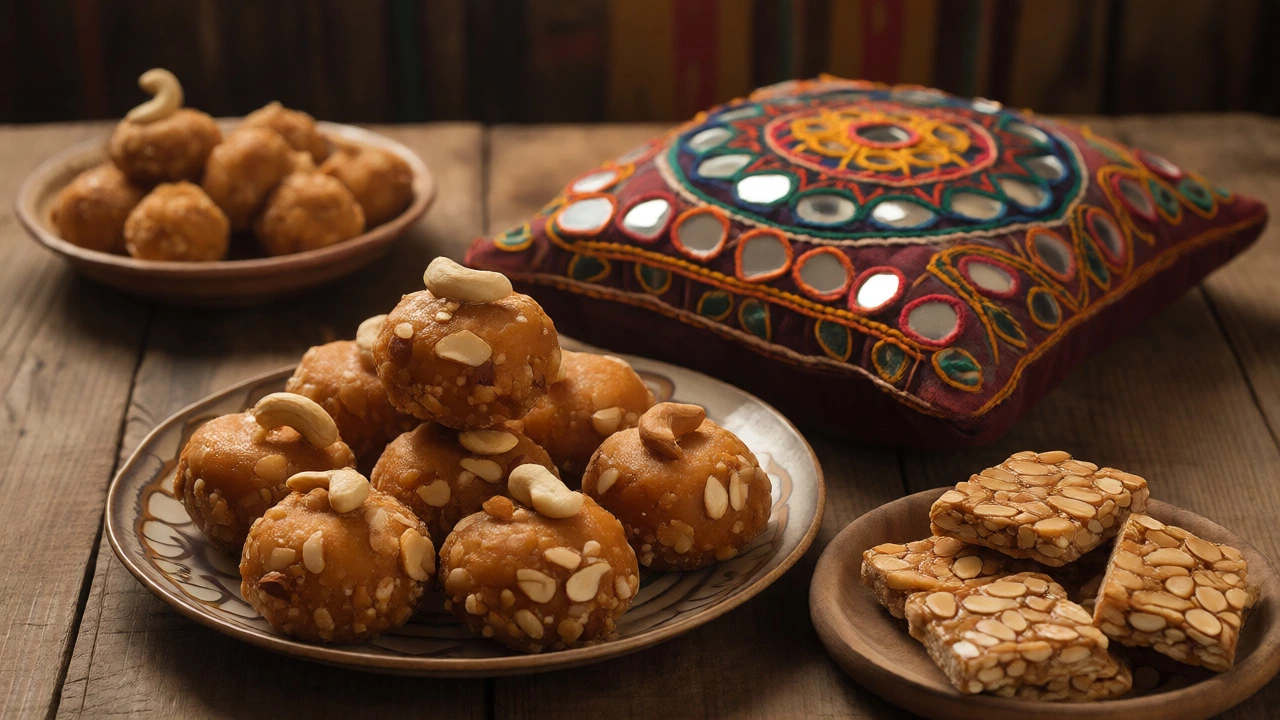
For something more casual yet equally striking, look at Kutch Embroidery distinctive needlework styles from the Kutch region featuring mirrors, beads, and colorful threads on black or dark backgrounds. The artisans here use small circular mirrors (shishas) sewn into the fabric. It catches the light beautifully. You can find this on cushion covers, wall hangings, bags, and even modern jackets. It’s bold, durable, and instantly recognizable as coming from the Rann of Kutch area.
Crafts Beyond Cloth: Wood, Clay, and Metal
Not everyone wants another scarf. Sometimes you need an object that sits on a shelf and tells a story. Gujarat excels here too, particularly in woodwork and pottery.
Head north to the Saurashtra region for Sankheda Furniture lacquer-turned wooden furniture from the Narmada district, characterized by bright red and yellow colors and intricate turned legs. Originally made for royal courts, these pieces feature lathe-turned legs painted in vibrant lacquer. Today, you can buy smaller versions: stools, side tables, and decorative boxes. They add a pop of color to any room. The craftsmanship is robust, designed to last generations. If you’re gifting to someone who likes eclectic or bohemian decor, a small Sankheda stool is a fantastic conversation starter.
In the realm of clay, Blue Pottery a distinctive type of ceramic ware produced in Jaipur and parts of Gujarat, often featuring cobalt blue glazes and floral motifs has found a niche presence, though it’s more famously associated with Rajasthan. However, Gujarat has its own distinct ceramic traditions, particularly in Khambhat. Look for Khambhat Agate Beads semi-precious stone beads carved and polished in Khambhat, historically traded globally. While technically stones, they are crafted into jewelry and decorative items. Khambhat has been the world’s center for agate bead processing for centuries. A string of high-quality agate beads makes for a unique, earthy gift that connects the recipient to ancient trade routes.
Metalwork also deserves attention. Moradabad Brassware high-quality brass artifacts often exported globally, with significant production and trading hubs in Gujarat is widely available, but local Gujarati metal artisans create specific religious idols and household items like thalis (plates) and katoris (bowls) engraved with traditional motifs. These are practical gifts for new homeowners.
The Sweet Side: Edible Gifts
You cannot talk about Gujarat without talking about food. And yes, sweets make excellent gifts because they are consumable, shareable, and deeply rooted in hospitality culture. But which ones?
| Item | Origin/City | Why It Makes a Good Gift | Shelf Life Tip |
|---|---|---|---|
| Gharot | Rajkot/Jamnagar | Unique shape resembling a pot; rich taste with nuts and dry fruits. | Better consumed within 1 week. |
| Basundi | Statewide | Thickened milk dessert; comforting and familiar. | Refrigerate; lasts 3-4 days. |
| Chikki | Valsad/Surat | Peanut brittle; crunchy, sweet, and travel-friendly. | Lasts weeks if kept dry. |
| Farsan Mixes | Ahmedabad/Vadodara | Savory snacks like Sev, Gathiya; great for tea-time. | Store in airtight containers. |
Gharot a traditional deep-fried sweet made from wheat flour, sugar, and ghee, shaped like a miniature pot is iconic to the Saurashtra region. It’s dense, rich, and filled with cashews and almonds. It’s not everyday candy; it’s a festival special. Giving a box of Gharots shows you’ve done your homework. Similarly, Surat Chikki peanut brittle popular in South Gujarat, especially during winter festivals is perfect for winter gifts. It’s hard, crunchy, and doesn’t melt easily, making it ideal for travel.
Don’t forget savory options. Gujaratis love their Farsan assorted savory snacks including sev, khaman, dhokla, and mathri. Pre-packaged premium mixes from reputable brands in Ahmedabad allow recipients to recreate the taste of Gujarat at home. It’s a low-risk, high-reward gift for colleagues or distant relatives.
How to Spot Authenticity vs. Tourist Traps
Here’s the tricky part. For every authentic Bandhani saree, there are ten machine-printed fakes sold in street markets. How do you avoid looking foolish when gifting?
- Check the Back: Real hand-tied Bandhani will show knots on the reverse side. Machine prints are smooth everywhere.
- Weight Matters: Genuine Patola silk is heavier than synthetic imitations. Feel the drape.
- Ask for Certifications: Many government emporiums provide tags indicating origin and artisan details. Buy from places like Shilpgram or state-run handicraft centers rather than unbranded stalls.
- Price Reality Check: If a Patola sari costs ₹5,000, it’s likely fake. Authentic ones start much higher due to labor intensity.
Where to Shop Like a Local
Your choice of store affects the quality of your gift. Avoid general airport shops if possible. Instead, head to specialized hubs.
- Ahmedabad: Visit the Law Garden market for evening shopping, but verify prices first. For serious textile purchases, go to established showrooms in the C.G. Road area.
- Bhuj: Essential for Kutch embroidery and Bandhani. The local bazaars are raw and direct-from-artisan.
- Patan: The only place to buy true Patola silks directly from weavers’ homes or small cooperatives.
- Rajkot: Best for silver jewelry and traditional sweets like Gharot.
Buying directly from artisans or cooperatives ensures your money goes to the creator, not just the middleman. Plus, you get a story to tell when you hand over the gift.
Final Thoughts on Gifting Gujarati Heritage
Choosing a gift from Gujarat is about more than aesthetics. It’s about supporting a living heritage. Every knot in a Bandhani, every thread in a Patola, and every grain of sugar in a Gharot represents hours of skilled labor passed down through families. When you give these items, you’re giving a piece of history.
So next time you’re packing your bags, skip the plastic trinkets. Go for the texture, the color, and the craft. Your friends and family will thank you for bringing back something real.
What is the most expensive gift from Gujarat?
The most expensive traditional gift is typically a genuine Patola Silk Sari from Patan. Due to the complex double-ikat weaving process, which can take several months per sari, prices can range from ₹50,000 to several lakhs depending on the intricacy of the design and the quality of the silk.
Is Bandhani suitable for everyday wear?
Yes, while silk Bandhanis are often reserved for festivals and weddings, cotton Bandhani suits and dupattas are very comfortable and durable for daily wear. They are lightweight and breathable, making them ideal for hot climates.
Can I ship Gujarati sweets safely?
Hard sweets like Chikki and certain Farsans (like Mathri) ship well. Soft dairy-based sweets like Basundi require refrigeration and may spoil quickly in transit unless packed with ice packs. Always choose vacuum-sealed or tightly wrapped packaging for long-distance shipping.
What is the difference between Kutch and Kathiawadi embroidery?
Kutch embroidery is known for its use of mirrors (shisha), bold geometric patterns, and bright colors on dark backgrounds. Kathiawadi embroidery (from the Saurashtra region) tends to be more delicate, often featuring floral motifs, sequins, and lighter color palettes, sometimes incorporating appliqué work.
Are Gujarati handicrafts eco-friendly?
Many traditional Gujarati crafts are eco-friendly. Natural dyes are used in authentic Bandhani and Patola weaving. Woodwork uses sustainably sourced timber, and pottery is fired using traditional methods. However, some modern commercial products may use synthetic dyes, so checking with the seller is advisable if sustainability is a priority.