
Hindu Dietary Region Explorer
Explore how geography and tradition shape food choices across India. Select a region to see their typical stance on fish consumption.
Gujarat
Stance: Avoided by most orthodox communities.
Cultural Context: Strong Jain influence; emphasis on Satvic diet for spiritual clarity.
Common Dishes: Dhokla, Thepla, Undhiyu (Vegetarian).
Understand the Concepts
Ahimsa means non-violence or non-harming. In Hindu philosophy, all living beings have a soul (Atman). Causing harm generates negative karma. This principle is the primary driver behind vegetarianism in many Hindu traditions.
- Satvic: Promotes clarity, calmness, and spiritual growth. Examples: Fresh fruits, vegetables, milk, grains.
- Rajasic: Stimulates passion, activity, and restlessness. Examples: Spicy, salty, or overly stimulating foods.
- Tamasic: Induces lethargy, dullness, and ignorance. Examples: Meat, alcohol, overcooked or stale items. Fish is often classified here by strict vegetarians.
No, it is not inherently a sin in the Abrahamic sense of breaking a divine law. There is no single commandment banning fish. It is a choice influenced by:
- Geography: Coastal vs. inland availability.
- Caste/Community: Traditional roles and purity rules.
- Personal Belief: Commitment to Ahimsa or specific festivals like Navratri.
You walk into a temple in Gujarat or a family gathering in Ahmedabad, and the menu is strictly vegetarian. No meat, no eggs, and definitely no fish. But then you visit your friends from Kerala or Bengal, and their Sunday lunch features deliciously spiced fish curry. Who’s right? Is eating fish actually a sin in Hinduism, or is it just a cultural preference that got mixed up with religion?
The short answer is: No, eating fish is not inherently a sin in Hinduism. There is no single commandment in the Vedas or Upanishads that says "Thou shalt not eat fish." However, the reality is messy because Hinduism isn't a monolith with one rulebook. It’s a vast collection of traditions, local customs, and philosophical schools. What counts as "pure" food varies wildly depending on where you are, which deity you worship, and which caste or community you belong to.
The Core Concept: Ahimsa and Satvic Food
To understand why many Hindus avoid fish, you have to look at the concept of Ahimsa, which translates to non-violence or non-harming. This principle suggests that all living beings have a soul (Atman), and causing harm to them generates negative karma. Over centuries, this idea evolved into a strong push for vegetarianism.
In Ayurvedic medicine and spiritual practices, foods are categorized into three qualities, known as Gunas:
- Satvic foods that promote clarity, calmness, and spiritual growth, such as fresh fruits, vegetables, milk, and grains.
- Rajasic foods that stimulate passion, activity, and restlessness, often spicy or salty.
- Tamasic foods that induce lethargy, dullness, and ignorance, including meat, alcohol, and overcooked or stale items.
Fish is generally considered Tamasic by strict vegetarians because it involves killing an animal. For those seeking high spiritual purity, especially monks or devout Brahmins, avoiding Tamasic foods helps maintain a meditative state. So, when a Gujarati grandmother tells you fish is "heavy," she’s talking about its spiritual weight, not just its digestibility.
Regional Differences: Why Gujarat Says No but Bengal Says Yes
This is where the confusion usually starts. If you judge Hinduism only through the lens of North Indian or Gujarati culture, you might think all Hindus are vegetarians. But India is huge, and geography dictates diet more than scripture often does.
Gujarat, for instance, has a deep-rooted Jain influence alongside Hinduism. Jains practice extreme non-violence, avoiding even root vegetables because pulling them up kills tiny organisms. Consequently, Gujarati cuisine is famously lacto-vegetarian. In cities like Surat or Vadodara, serving fish at a wedding might be seen as culturally insensitive or even disrespectful to guests who observe strict vows.
| Region | Typical Stance on Fish | Cultural Context | Common Dishes |
|---|---|---|---|
| Gujarat | Avoided by most orthodox communities | Strong Jain influence; emphasis on Satvic diet | Dhokla, Thepla, Undhiyu |
| Bengal | Highly revered; staple protein | "Mache Bhaate" (Fish and Rice) is considered auspicious | Machher Jhol, Chingri Malaikari |
| Kerala | Widely consumed across castes | Coastal lifestyle; historical trade influences | Karimeen Pollichathu, Meen Curry |
| Maharashtra | Varies by community | Coastal Marathis eat fish; inland Brahmins may avoid it | Surmai Fry, Kolambi Masala |
In contrast, Bengali culture views fish as essential to life. The phrase "Mache Bhaate" (fish and rice) is so common it’s almost synonymous with being alive in Bengal. During festivals like Durga Puja, while some families go vegetarian, many others serve elaborate fish meals. Here, fish isn’t seen as impure; it’s seen as a gift from the river goddess Ganga. Similarly, in coastal Karnataka and Goa, seafood is integral to daily meals, regardless of religious observance.
Scriptural Evidence: Did Ancient Hindus Eat Meat?
If you dig into ancient texts, the picture gets interesting. The Vedas mention animal sacrifices (Yajnas), though interpretations vary on whether these were literal or symbolic. The Manusmriti, an ancient legal text, acknowledges that people ate meat but discouraged it for those seeking higher spiritual states. It didn’t ban it outright for everyone.
However, later texts like the Bhagavata Purana emphasize compassion toward animals. Lord Krishna, a central figure in Hinduism, is depicted as a cowherd who loved milk products and sweets, reinforcing the dairy-centric diet. Yet, there are stories of warrior kings hunting deer and boars. The key distinction was often between necessity/lifestyle and spiritual aspiration. A king needed strength for war; a sage needed lightness for meditation.
So, if you’re asking, "Did my ancestors eat fish?" the answer depends on your lineage. Many fishing communities in South Asia identify as Hindu and have eaten fish for millennia without any sense of guilt. They view it as part of their dharma (duty) and livelihood.

The Role of Caste and Community
Caste plays a massive role in dietary rules, often more than theology. Traditionally, Brahmins (priests and scholars) adopted strict vegetarianism to maintain ritual purity. Kshatriyas (warriors) and Vaishyas (merchants/traders) had more flexible diets. Shudras (laborers) and Dalits often had access to different food sources based on what was available locally.
In modern times, these lines are blurring. Urbanization and globalization mean that a Brahmin engineer in Bangalore might order sushi, while a Dalit farmer in rural Bihar might choose to become vegetarian due to economic shifts or new religious movements. The "sin" aspect is largely tied to social status and community expectations rather than divine punishment.
For example, in many Gujarati households, eating fish is taboo during Navratri, a nine-night festival honoring the Goddess Durga. During these days, devotees fast and eat only specific Satvic foods. Breaking this rule might lead to social disapproval, but it won’t bring down lightning from the sky. It’s about discipline and respect for tradition.
Health and Modern Perspectives
Let’s step away from religion for a second and look at health. From a nutritional standpoint, fish is packed with Omega-3 fatty acids, protein, and Vitamin D. For people living in landlocked areas or those with limited access to diverse plant proteins, fish can be a vital nutrient source. Denying it purely on dogmatic grounds might do more harm than good for certain populations.
Many modern Hindus adopt a pragmatic approach. They might be vegetarian on weekdays for spiritual cleanliness but enjoy fish on weekends or during special occasions. Others follow "flexitarian" diets, reducing meat consumption without eliminating it entirely. This flexibility reflects the evolving nature of Hindu practice, which prioritizes intention (Sankalpa) over rigid action.
Consider the environmental angle too. Sustainable fishing practices align well with the Hindu principle of respecting nature. Overfishing harms marine ecosystems, which contradicts the idea of harmony with creation. So, choosing ethically sourced fish could be seen as a modern application of Ahimsa-minimizing harm to the environment while nourishing the body.
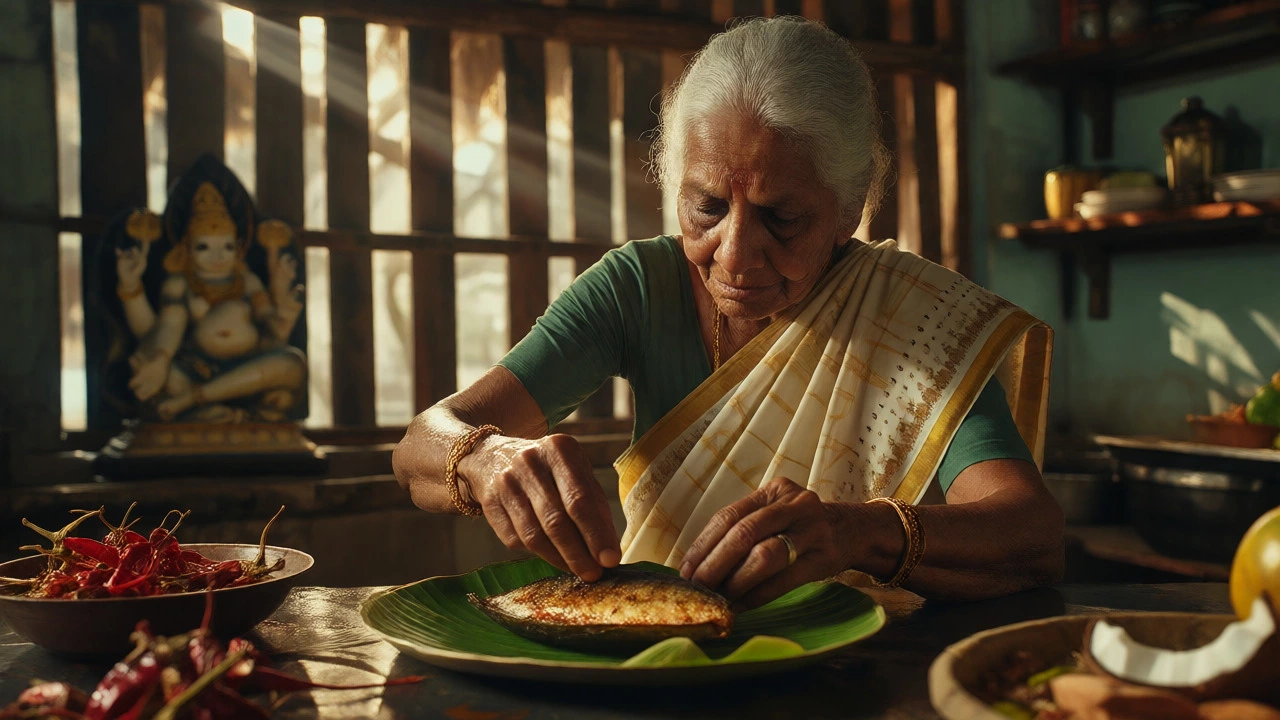
When Is Eating Fish Considered Inappropriate?
While it’s not a universal sin, there are contexts where eating fish is frowned upon:
- During Religious Fasts: Days like Ekadashi or Tuesdays dedicated to Hanuman often require strict vegetarianism.
- In Temples: Most temples prohibit bringing non-vegetarian food inside the sanctum sanctorum.
- Before Rituals: Devotees preparing for puja (worship) usually cleanse their bodies by eating light, vegetarian meals.
- Community Events: At weddings or ceremonies hosted by conservative families, serving meat might cause discomfort among elders.
If you’re invited to a Gujarati home for dinner, check the menu beforehand. Offering to eat what they serve shows respect. Conversely, if you’re hosting, knowing your guests’ preferences prevents awkward moments. Communication beats assumption every time.
Conclusion: It’s About Intention, Not Just Ingredients
Hinduism doesn’t hand out a simple yes-or-no answer on fish. It asks you to reflect on why you eat what you eat. Are you harming unnecessarily? Are you respecting your body and spirit? Are you mindful of your community’s feelings?
Eating fish isn’t a sin in the Abrahamic sense of breaking a divine law. It’s a choice influenced by geography, history, and personal belief. Whether you’re enjoying a plate of Pomfret in Mumbai or abstaining from it in Jaipur, both paths are valid within the broad umbrella of Sanatana Dharma. The real test isn’t the fish on your plate-it’s the consciousness behind your actions.
Can I eat fish if I am a Hindu?
Yes, many Hindus eat fish. There is no universal prohibition in Hindu scriptures against eating fish. Dietary habits vary significantly by region, caste, and family tradition. Coastal communities in India, such as those in Kerala, Bengal, and Goa, commonly include fish in their daily diet without viewing it as impure.
Why do Gujaratis not eat fish?
Gujarati culture is heavily influenced by Jain principles of non-violence (Ahimsa). Additionally, many Gujarati communities follow strict vegetarian diets to maintain Satvic purity, which is believed to aid spiritual growth. Fish is considered Tamasic (lethargic-inducing) and thus avoided in traditional religious and social settings.
Is eating fish bad karma?
In Hindu philosophy, karma is generated by intentional actions. Killing an animal for food creates karmic bonds. However, the severity depends on intent and necessity. Some believe that eating fish causes less harm than eating mammals, while strict vegetarians argue that any killing generates negative karma. It is a matter of personal spiritual conviction.
Which Hindu gods are associated with fish?
Lord Vishnu took the form of Matsya (the fish avatar) to save humanity from a great flood. This connection elevates the fish in certain mythological contexts. Despite this reverence, the act of consuming fish remains a separate dietary issue governed by local customs rather than theological contradiction.
Do Hindus eat eggs?
Views on eggs vary widely. Many strict vegetarians avoid eggs because they are potential life forms (unfertilized or fertilized). Others consider unfertilized eggs acceptable as they do not involve killing a developed animal. Like fish, egg consumption is often dictated by family tradition and regional norms rather than a single religious rule.