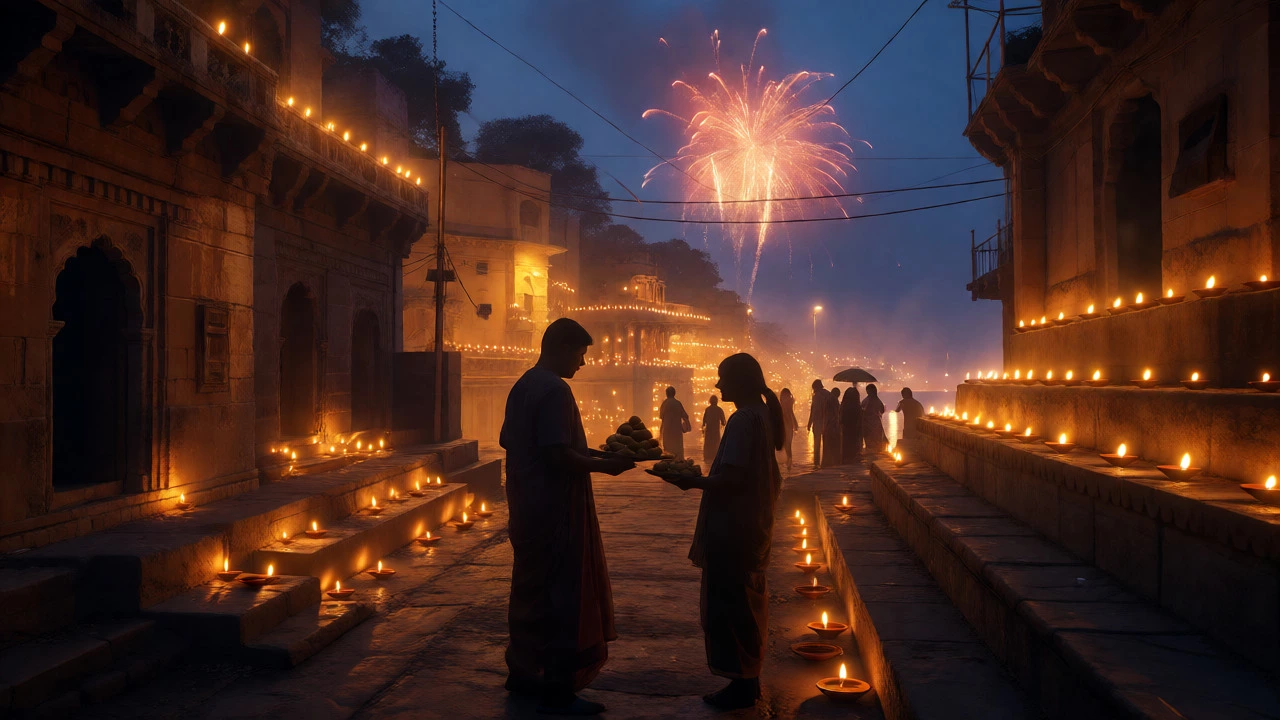
Indian Festival Finder
Select your travel preferences below to find the perfect Indian festival experience for you.
Your Recommended Festivals
Travel Tips for These Festivals
India is often called the land of festivals, and for good reason. With over 1.4 billion people celebrating diverse traditions, it can feel overwhelming to know where to start if you want to witness the magic firsthand. You might be planning a trip or just curious about what makes this country so vibrant during specific times of the year. The truth is, while there are hundreds of local celebrations, five stand out globally for their scale, visual spectacle, and cultural depth. These aren't just holidays; they are immersive experiences that define the rhythm of life across the subcontinent.
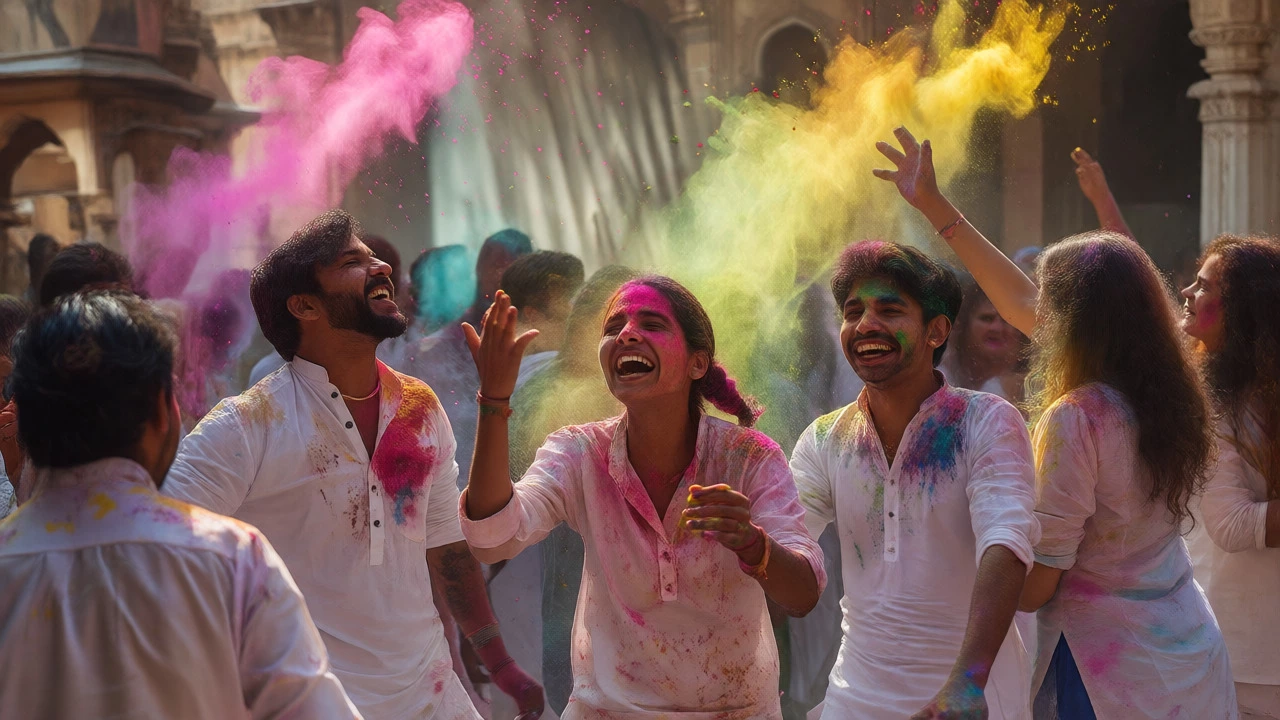
If Diwali is about light, Holi is about color. Known as the Festival of Colors, Holi marks the arrival of spring and the end of winter. It is famous for its playful throwing of colored powders and water balloons. In places like Mathura and Vrindavan, the birthplaces of Lord Krishna, the celebrations last for weeks and involve traditional songs and dances. Unlike many religious ceremonies that require solemnity, Holi encourages chaos and joy. Everyone participates, regardless of age, status, or background. If you plan to attend, wear clothes you don't mind ruining and protect your eyes from the powder.
While Diwali and Holi are predominantly Hindu festivals, India's secular fabric shines through in other major celebrations. Eid-ul-Fitr marks the end of Ramadan, the holy month of fasting for Muslims. In India, which has one of the largest Muslim populations in the world, Eid is celebrated with great fervor. Families wake up early for special prayers at mosques, followed by feasts featuring dishes like biryani and sheer khurma (a sweet noodle soup). The spirit of charity is central to Eid, with many giving alms to the poor before the day begins. Cities like Hyderabad and Lucknow transform into hubs of culinary delight and communal harmony during this time.
Moving eastward, Durga Puja dominates the cultural landscape of West Bengal, particularly in Kolkata. This festival honors Goddess Durga, who symbolizes power and protection. What sets Durga Puja apart is its artistic flair. Neighborhoods compete to build elaborate temporary structures called pandals, which are essentially open-air art galleries themed around current events, mythology, or abstract concepts. Visitors walk from pandal to pandal, admiring sculptures, enjoying street food, and watching cultural performances. It is less about individual worship and more about community celebration, making it one of the best festivals for tourists interested in art and social dynamics.
In the south, Pongal takes center stage in Tamil Nadu. This four-day harvest festival thanks the Sun God, Surya, for a bountiful crop. The highlight is the cooking of the 'Pongal' dish-a sweet rice pudding made from freshly harvested rice, jaggery, and milk-boiled until it overflows, symbolizing abundance. Cows are decorated and worshipped, recognizing their role in agriculture. Pongal is deeply rooted in rural traditions but is celebrated enthusiastically in urban centers too. It offers a glimpse into agrarian life and the importance of nature in Indian culture. If you visit Chennai or Madurai in January, you'll see rangolis (colorful floor patterns) adorning every doorstep.
Why These Five Festivals Matter
You might wonder why these five specifically? They represent the geographic, religious, and seasonal diversity of India. Diwali covers the national mainstream; Holi represents spring and playfulness; Eid showcases Islamic heritage; Durga Puja highlights eastern artistic traditions; and Pongal reflects southern agricultural roots. Together, they provide a comprehensive snapshot of Indian society. Attending even one of these festivals gives you insight into values like family bonding, gratitude, resilience, and community spirit.
Traveling during these times requires some planning. Accommodation prices skyrocket, and trains sell out months in advance. But the experience is worth the hassle. Imagine walking through streets filled with marigold garlands in Delhi during Diwali, or getting covered in pink powder in Mumbai during Holi. These moments create memories that standard sightseeing cannot match.
| Festival | Primary Region | Time of Year | Key Activity | Cultural Significance |
|---|---|---|---|---|
| Diwali | Nationwide | Oct-Nov | Lighting diyas, fireworks | Victory of light over darkness |
| Holi | Nationwide (North focus) | March | Playing with colors | Arrival of spring, unity |
| Eid-ul-Fitr | Nationwide (High in North/East) | Varies (Lunar) | Prayers, feasting | End of fasting, charity |
| Durga Puja | West Bengal, Odisha | Sept-Oct | Pandal hopping, worship | Tribute to feminine power |
| Pongal | Tamil Nadu, South India | January | Cooking Pongal, cow worship | Harvest thanksgiving |
Tips for Experiencing Indian Festivals
First, respect local customs. Some rituals are private, while others invite participation. Ask before taking photos of people praying or performing rituals. Second, dress appropriately. Modest clothing is generally appreciated, especially when visiting temples or mosques. Third, try the food. Each festival has specific delicacies tied to it. Eating them connects you to the tradition on a visceral level. Fourth, stay hydrated. Many festivals involve long hours outdoors, sometimes in hot weather. Finally, keep your belongings secure. Crowds can be large, and pickpocketing happens in busy areas.
It's also helpful to understand the timing. Indian festivals follow lunar or solar calendars, so dates change yearly relative to the Gregorian calendar. Always check the exact date before booking travel. For instance, Diwali usually falls between mid-October and mid-November. Holi is typically in March. Being flexible with your travel dates can save you money and stress.
Which is the biggest festival in India?
Diwali is widely considered the biggest and most widely celebrated festival in India. It is observed by Hindus, Jains, Sikhs, and some Buddhists across the entire country, making it the most universal celebration in terms of reach and participation.
Is Holi safe for tourists to participate in?
Yes, Holi is very tourist-friendly, especially in organized events in cities like Delhi, Mumbai, and Bangalore. However, in smaller towns, the celebrations can be intense. Use natural colors if possible to avoid skin irritation, and keep valuables in waterproof bags.
What should I eat during Diwali?
Try traditional sweets like Gulab Jamun, Kaju Katli, and Ladoo. Savory snacks like Chakli and Namak Pare are also popular. Many households prepare elaborate vegetarian meals, so asking a local host for recommendations is always a good idea.
When is Durga Puja celebrated?
Durga Puja is primarily celebrated in September or October, coinciding with the Navratri period. The main celebrations occur over five days, with the tenth day being Vijayadashami, when idols are immersed in water bodies.
Do all Indians celebrate these five festivals?
Not necessarily. While Diwali and Holi have broad appeal, Durga Puja is strongest in East India, and Pongal is specific to Tamil culture. Eid is primarily celebrated by Muslims. However, due to India's secular nature, many people participate in each other's festivals socially, even if they don't observe the religious aspects.