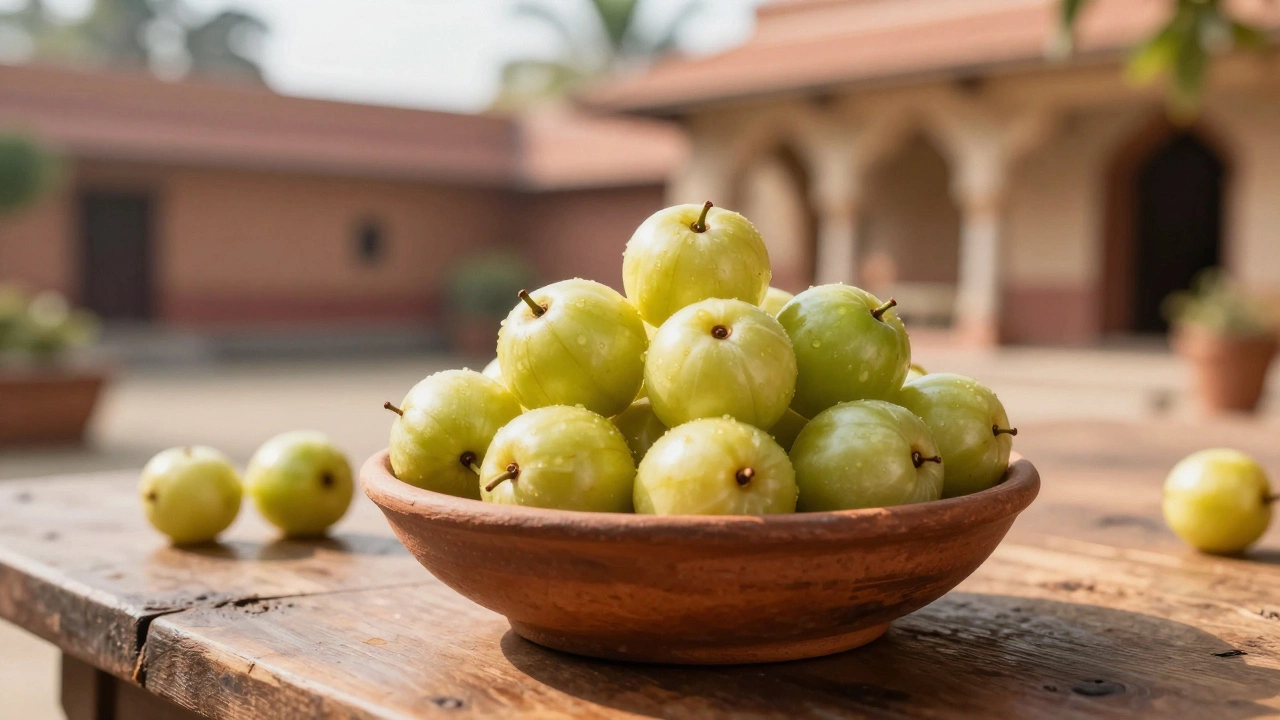
Amla Nutrition & Usage Guide
Vitamin C Comparison
See how Amla stacks up against common fruits.
A single Amla fruit is an incredible powerhouse of Ascorbic Acid.
Amla Usage Finder
Not sure how to eat it? Tell us your preference.
Quick Takeaways
- Amla is the primary "superfruit" in Gujarati culture, often replacing the "apple" in health narratives.
- It is a cornerstone of Ayurveda, used to balance the three doshas (Vata, Pitta, and Kapha).
- Common Gujarati preparations include Murabba (sweet preserve) and Chutneys.
- High vitamin C content makes it essential for immunity and skin health.
Why Amla Beats the Apple in Gujarat
While apples are great, they aren't native to the arid landscapes of Gujarat. Amla, on the other hand, thrives in the region. If you look at the nutritional profile, the scale tips heavily. A single Amla fruit can contain up to 20 times more vitamin C than an orange. In a culture where dietary habits are deeply intertwined with Ayurveda, the focus isn't just on vitamins, but on how a food affects the body's internal balance. Amla is considered a Rasayana, which is a fancy way of saying it's a rejuvenator that slows down aging and boosts the immune system.
Think about the Gujarati climate-hot, humid, and often punishing. Eating Amla helps the body manage this heat. It doesn't just "keep the doctor away" by preventing a cold; it actively works to detoxify the liver and improve digestion, which is crucial when you're eating a diet rich in pulses, grains, and sweets.
The Culinary Magic: How Gujaratis Eat Amla
You wouldn't just bite into a raw Amla unless you enjoy a sudden shock of sourness that makes your face scrunch up. Instead, Gujarati cuisine transforms this bitter berry into something craveable. The most iconic version is Amla Murabba, where the fruit is slow-cooked in a heavy sugar syrup. This process neutralizes the extreme acidity and creates a sweet-and-sour treat that is often eaten first thing in the morning on an empty stomach.
Then there's the spicy side. Amla is frequently grated into chutneys or pickled with mustard seeds and turmeric. In many homes, you'll find Amla no Panu, a refreshing drink made from Amla juice, jaggery, and a pinch of black salt. It's the ultimate summer cooler, far more effective than a soda at quenching thirst and preventing heatstroke during a scorching April in Gujarat.
| Attribute | Apple (Western Standard) | Amla (Gujarati Standard) |
|---|---|---|
| Primary Vitamin | Vitamin A / Fiber | Vitamin C (Ascorbic Acid) |
| Taste Profile | Sweet / Tart | Sour / Bitter / Astringent |
| Ayurvedic Role | General Nutrition | Rasayana (Rejuvenation) |
| Common Form | Fresh Fruit | Murabba, Pickle, Powder |
| Local Availability | Imported/Cold Storage | Native/Indigenous |
The Health Rituals: More Than Just Food
In Gujarati culture, Amla isn't just a snack; it's a treatment. Have you ever noticed how some people have incredibly thick, lustrous hair? There's a high chance they're using Amla. Beyond eating it, the fruit is processed into a powder and mixed with coconut oil or used as a mask. This is a classic example of the Holistic Health approach where the same ingredient supports both internal organs and external beauty.
For those struggling with blood sugar, Amla is often recommended as a natural supplement. While it's not a replacement for medicine, the high antioxidant content helps in managing glycemic responses. Grandmothers in Gujarat often insist on a piece of Amla pickle with a heavy meal of Dhokla or Thepla, not just for taste, but to aid the digestion of complex carbohydrates.
Amla's Role in the Wider Indian Context
While we are focusing on the Gujarati perspective, Amla's importance extends across the subcontinent. It is a primary ingredient in Triphala, one of the most famous Ayurvedic herbal formulas. Triphala combines Amla with two other fruits: Haritaki and Bibhitaki. This trio is widely used for colon cleansing and improving overall gut health.
The intersection of Amla and Gujarati food culture shows a deep understanding of food as medicine. When you see a Gujarati family meticulously preparing a batch of Amla pickles for the year, they aren't just preserving food; they are preserving their health. They are creating a natural pharmacy in a jar.
Common Pitfalls When Using Amla
If you're looking to incorporate Amla into your life, don't just go overboard. Because it is so potent, eating too much raw Amla on an empty stomach can cause acidity for some people. This is why the Murabba (sweet version) is preferred-the sugar acts as a buffer. Also, be careful with store-bought powders; many are filled with additives. The real deal should smell earthy and slightly pungent, not like artificial fragrance.
Another mistake is ignoring the seeds. While the flesh is where the vitamins are, some traditional recipes use the seed extracts for specific ailments. However, for most of us, sticking to the fruit and the leaf extracts is the safest and most effective route.
Is Amla safe for everyone to eat?
Generally, yes. However, because of its high vitamin C content and acidity, people with severe kidney issues or those on blood-thinning medications should check with a doctor. Its ability to lower blood sugar can also cause hypoglycemia if taken alongside strong diabetic medications.
How can I use Amla if I can't stand the bitter taste?
Try Amla Murabba, which is preserved in sugar syrup, or mix Amla powder into a honey-based syrup. You can also add a small amount of Amla powder to your smoothies or juices, where the other flavors will mask the bitterness.
Can Amla really help with hair growth?
Yes, it's widely used in Indian tradition for this. The vitamin C and antioxidants strengthen the hair follicles and can prevent premature greying. Applying Amla oil or a paste made from the powder to the scalp is a common practice in Gujarat for maintaining hair density.
What is the best time of day to consume Amla?
In Gujarati culture, it is most common to eat Amla or drink Amla juice early in the morning on an empty stomach. This is believed to kickstart the metabolism and detoxify the system for the day ahead.
Where can I find authentic Gujarati Amla preparations?
Look for Indian grocery stores that specialize in regional foods from Western India. Search for "Amla Murabba" or "Amla Pickle." For the best experience, homemade versions are superior, as they avoid the high amounts of synthetic preservatives found in commercial brands.
What to do next
If you're new to this, start small. Don't jump straight into raw Amla. Try a piece of Murabba with your morning tea. If you have a blender, try making a simple Amla and ginger shot with a bit of honey. Once your palate adjusts to the tang, you'll start to appreciate why this tiny fruit holds such a massive place in the heart of Gujarati wellness.
For those interested in the deeper side of this, explore more about the three doshas of Ayurveda. Understanding whether you are Vata, Pitta, or Kapha will help you realize why Amla-which is a cooling fruit-is so perfect for those with a "fiery" Pitta constitution.