Ancient Cultural Festival Explorer
How to Use This Tool
Explore the estimated origins and current status of various ancient cultural traditions. Click on a tradition in the timeline or use the filters to compare their characteristics. Learn why some traditions survive while others fade into history.
Why Do Some Survive?
Rural Isolation
Remote communities preserved oral traditions without urban interference.
Cultural Syncretism
Blending Hindu, Muslim, and tribal elements allowed adaptation rather than breakage.
Intellectual Patronage
Figures like Tagore promoted folk arts, giving them economic viability and prestige.
You might think you know what a "festival" looks like. Maybe it’s fireworks on New Year's Eve or a modern music concert with LED screens and VIP passes. But if we dig into history, some celebrations are so old that they predate written records, empires, and even the concept of the nation-state. When people ask, What is the oldest cultural festival in the world?, the answer isn't always straightforward because "cultural festival" is a broad term. However, if we look at continuous, living traditions rooted in specific ethnic identities, the ancient rituals of Bengal offer some of the most compelling evidence.
Why does this matter? Because understanding these origins helps us appreciate how culture survives. It’s not just about preserving museums; it’s about seeing how communities have used art, dance, and music to cope with nature, war, and social change for millennia. In this article, we’ll explore why certain Bengali traditions stand out as contenders for the title of the world’s oldest living cultural expressions, how they differ from other global ancient practices, and why they remain vibrant today.
The Challenge of Defining "Oldest"
Before we point to a specific date, we need to clear up a common misconception. There is no single Guinness World Record holder for "oldest cultural festival." Why? Because many ancient rituals were oral traditions. They didn’t leave behind receipts or calendars. We rely on archaeological evidence, literary references, and anthropological continuity.
Most historians agree that organized religious festivals in the Middle East (like those in Mesopotamia) are extremely old, dating back over 5,000 years. But many of those original forms died out or changed so drastically that they aren't recognizable today. In contrast, some South Asian traditions have maintained their core structure-music, movement, and community gathering-for thousands of years without significant interruption. This continuity is what makes them unique candidates for the "oldest" title.
Bengal, a region split between India and Bangladesh today, has been a hub of cultural synthesis for over two thousand years. Its proximity to Southeast Asia, China, and the rest of the Indian subcontinent meant it absorbed influences early and often. But beneath these layers, indigenous tribal and folk traditions persisted. These are the ones that often hold the claim to being the oldest living cultural performances.
Chhau Dance: A Pre-Historic Contender
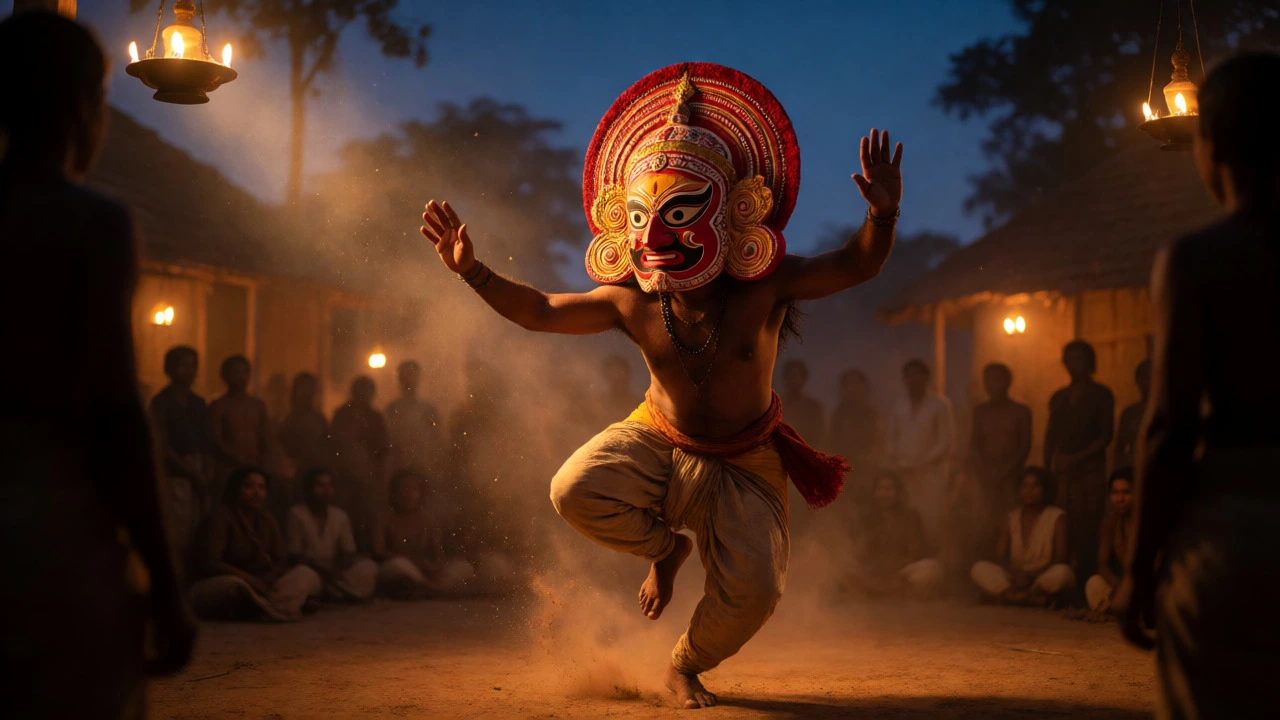
If you want to see something that feels ancient, watch Chhau dance. It is a semi-classical Indian dance form with martial, tribal, and folk origins that is performed primarily in West Bengal, Jharkhand, and Odisha. While it gained classical status in the 20th century, its roots go back much further. Scholars trace its origins to the 1st century AD, but many practitioners argue it stems from pre-Vedic tribal rituals involving masks and acrobatics.
What makes Chhau special is its connection to physical combat and storytelling. Dancers wear large, colorful masks made from clay and papier-mâché. The movements are vigorous, mimicking animals, warriors, and gods. It’s not just entertainment; it’s a ritualized reenactment of mythological battles, particularly scenes from the Mahabharata and Ramayana.
- Masquerade Tradition: The use of masks dates back to tribal shamanistic practices where humans sought to embody spirits or ancestors.
- Martial Roots: The footwork involves complex steps derived from traditional wrestling and sword-fighting techniques.
- Community Aspect: Historically, entire villages participated in preparing for Chhau performances, making it a true cultural festival rather than a spectator sport.
In 2010, UNESCO inscribed Chhau on the Representative List of the Intangible Cultural Heritage of Humanity. This recognition highlights its significance not just as a dance, but as a living archive of regional history.
Baul Music: The Philosophers of Bengal
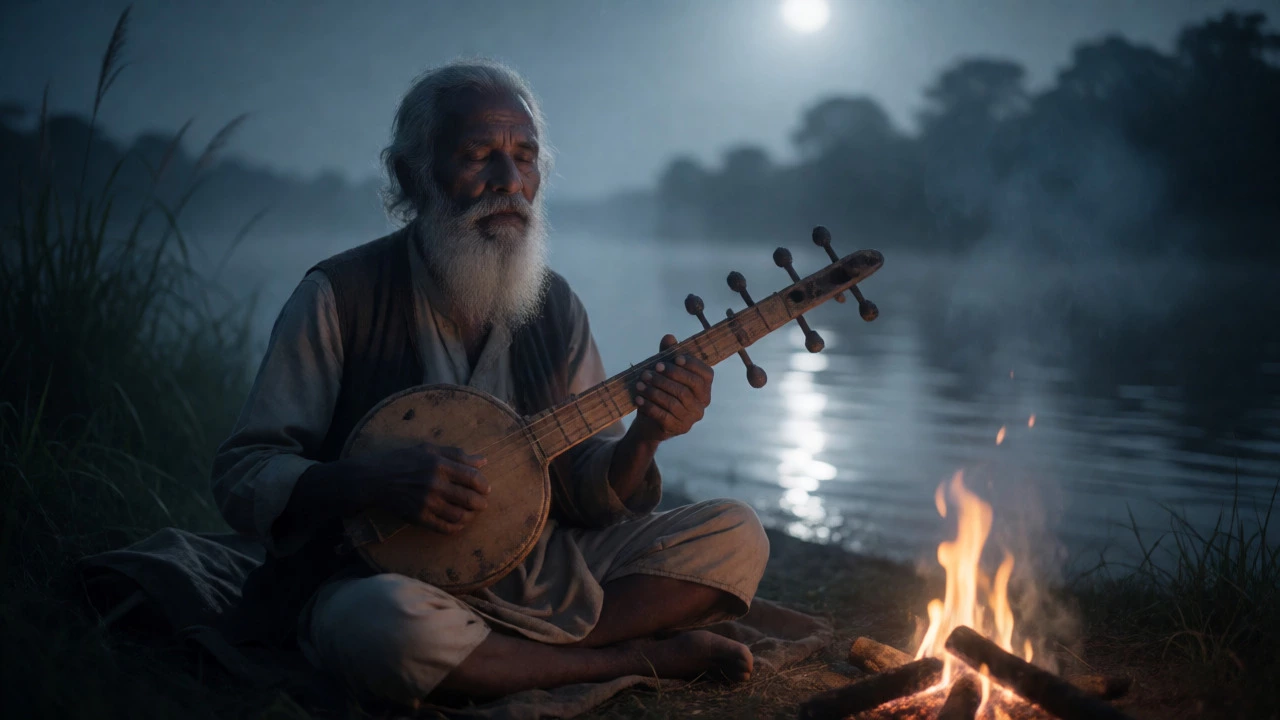
Another strong contender for the title of an ancient cultural expression is Baul music. It is a mystical tradition of wandering minstrels in Bengal who reject organized religion and caste systems. Bauls sing about the human body as a temple and seek divine truth through song and simple instruments like the ektara (one-stringed lute).
The exact age of Baulism is debated. Some scholars link it to Buddhist tantric practices from the 8th-12th centuries. Others suggest it emerged from Sufi and Vaishnavite syncretism around the 15th century. Regardless of the precise start date, Baul gatherings-often held during spring harvest festivals-are among the oldest continuous musical traditions in the region.
Imagine sitting in a field in Birbhum district, West Bengal. You hear the drone of an ektara and a voice singing in rustic Bengali about love, death, and the soul. This scene has likely played out in similar ways for centuries. The Baul Fakir Utsav (Festival of Baul Saints), held annually in April, draws thousands. It’s not just a concert; it’s a pilgrimage for seekers of spiritual peace.
Poush Mela: The Harvest Celebration
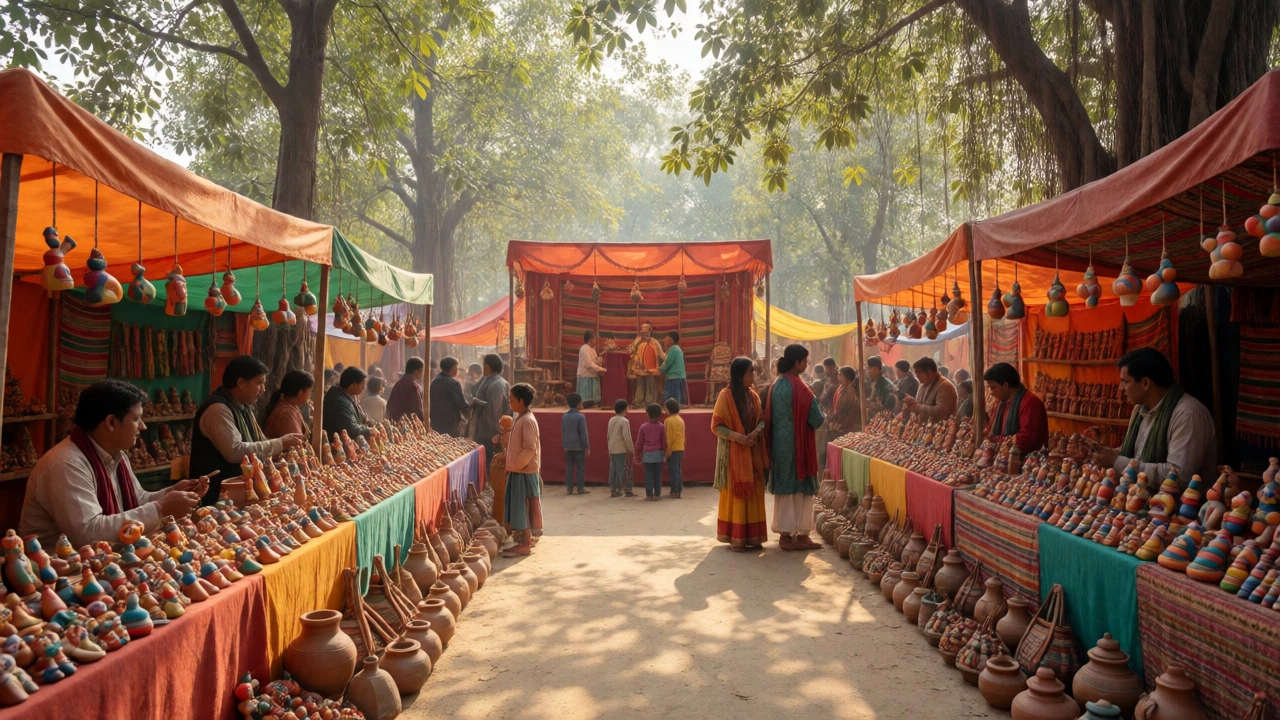
If Chhau and Baul represent performance arts, then Poush Mela is an annual fair held in Shantiniketan, West Bengal, celebrating the winter harvest and rural crafts. Started by Rabindranath Tagore’s family in the late 19th century, its roots are deeper. It evolved from local agrarian fairs that existed for generations before Tagore formalized it.
These agrarian fairs are essentially descendants of ancient thanksgiving rituals. Farmers would gather after the rice harvest to trade goods, share stories, and perform folk songs. Poush Mela preserves this spirit. Today, it features stalls selling handmade toys, pottery, and textiles alongside stages for Baul singers and puppet shows.
While the current format is only about 120 years old, the underlying cultural practice-the post-harvest community gathering-is timeless. Similar harvest festivals exist across Asia, such as Thailand’s Loy Krathong or Japan’s Niiname-sai, which have documented histories spanning over a millennium. However, the specific blend of intellectual discourse, art, and folk tradition in Poush Mela gives it a distinct identity within Bengali culture.
Comparing Ancient Festivals: What Makes Them Unique?
To understand where Bengali traditions fit globally, let’s compare them with other famous ancient festivals. Note that "age" here refers to the continuity of the core cultural practice, not necessarily the first recorded mention.
| Festival/Tradition | Region | Estimated Origin | Core Element | Status |
|---|---|---|---|---|
| Chhau Dance | Eastern India | Pre-Vedic / 1st Century AD | Masks, Martial Arts, Mythology | Active, UNESCO Recognized |
| Baul Music | Bengal | 8th-15th Century | Philosophy, Wandering Minstrels | Active, UNESCO Recognized |
| Kumbh Mela | India | Mythological / ~7th Century | Religious Pilgrimage, Bathing | Massive Scale, Active |
| Akitu Festival | Mesopotamia (Ancient) | ~3000 BC | New Year, Coronation Rituals | Revived in Modern Iraq/Kurdistan |
| Saturnalia | Rome (Ancient) | ~5th Century BC | Role Reversal, Feasting | Discontinued (Influenced Christmas) |
As you can see, while Mesopotamian festivals are older in terms of recorded history, many have disappeared or changed beyond recognition. Bengali traditions like Chhau and Baul have survived colonization, partition, and globalization. That resilience is part of what makes them culturally significant.
Why Bengali Culture Preserved These Traditions
You might wonder why these specific traditions survived when others faded. Three factors played a major role:
- Rural Isolation: Many Chhau and Baul communities lived in remote areas where urbanization arrived late. This allowed them to maintain oral traditions without interference.
- Syncretism: Bengal’s culture has always blended Hindu, Muslim, and tribal elements. This flexibility helped traditions adapt rather than break. For example, Bauls draw from both Sufi Islam and Hindu Bhakti movements.
- Intellectual Patronage: Figures like Rabindranath Tagore actively promoted folk arts. By bringing village performers to cities like Kolkata, he gave them economic viability and prestige.
This mix of isolation, adaptation, and support created a protective environment for ancient practices. It wasn’t just nostalgia; it was survival.
How to Experience These Living Histories
If you’re planning a trip to experience these cultures, timing matters. Here’s a quick guide:
- For Chhau: Visit Purulia or Seraikella-Kharsawan districts in March/April. Look for local performances during Holi or Chaitra Sangkranti (New Year).
- For Baul: Head to Birbhum district in January or February. The full moon nights are ideal for listening to impromptu jam sessions near ponds.
- For Poush Mela: Travel to Shantiniketan in late December. Book accommodations early, as the town fills up quickly.
Remember, these aren’t museum exhibits. Talk to the artists. Ask about their families. Buy their crafts directly. Your engagement helps sustain the economy that keeps these traditions alive.
Common Misconceptions About Ancient Festivals
People often confuse "ancient" with "static." They assume that if a festival is old, it hasn’t changed. That’s wrong. Chhau costumes have evolved. Baul lyrics now address modern issues like environmental degradation. Even Poush Mela includes digital payments now.
Another myth is that these festivals are purely religious. While spirituality is central, they are also social events. They facilitate marriage alliances, trade, and political discussion. Viewing them solely through a religious lens misses their broader cultural function.
Is there a single oldest festival in the world?
No, there is no single verified "oldest" festival because many ancient traditions lack written records. However, traditions like the Mesopotamian Akitu and various Indigenous Australian ceremonies are among the oldest known. In the context of living, continuous cultural performances, Bengali traditions like Chhau and Baul are significant contenders due to their unbroken lineage.
What is the main difference between Chhau and classical Indian dance?
Chhau is distinct because it uses masks and incorporates martial arts movements. Classical dances like Bharatanatyam or Kathak focus more on hand gestures (mudras) and facial expressions without masks. Chhau is physically demanding and often performed outdoors in open spaces, unlike the stage-oriented classical forms.
Are Baul musicians still active today?
Yes, Baul musicians are very active. While the number of wandering Bauls has decreased due to economic pressures, there is a strong revival movement. Younger generations are learning the instruments and philosophy, and festivals like the Baul Fakir Utsav continue to attract large audiences, ensuring the tradition’s survival.
When is the best time to visit Shantiniketan for Poush Mela?
The Poush Mela typically takes place in late December, specifically around the winter solstice. Planning your visit for the last week of December ensures you catch the peak activities, including the craft markets, folk performances, and food stalls.
Does UNESCO recognize all ancient festivals?
UNESCO recognizes specific elements of intangible cultural heritage, not entire festivals per se. For instance, Chhau dance and Baul songs are individually listed. Recognition helps raise awareness and funding but doesn't freeze the tradition; it encourages sustainable preservation practices.