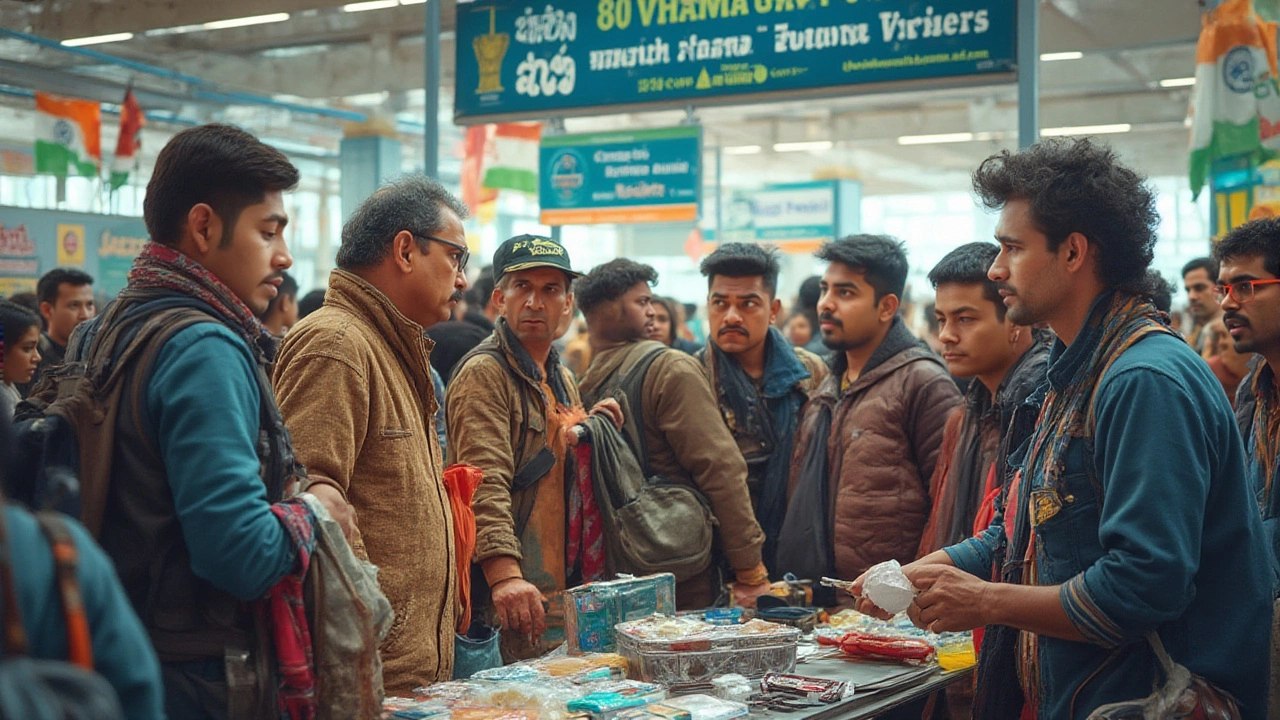
What Not to Bring to India: Packing Tips, Mistakes to Avoid, and Essential Advice
Find out what not to bring to India, from restricted items to costly packing mistakes. Realistic tips for travelers and facts that will actually help you as you plan.
When traveling to India, it’s not just about packing the right clothes or chargers—it’s about understanding what what not to bring to India can save you from embarrassment, fines, or worse. Many visitors don’t realize that bringing certain items, even if legal at home, can clash with local beliefs, laws, or daily life. India’s culture is deeply tied to religion, tradition, and regional diversity, and what’s harmless elsewhere might be deeply offensive here. For example, bringing pork products into a predominantly Hindu state could cause unintended offense, while carrying alcohol into certain states like Gujarat is outright illegal. This isn’t about restriction—it’s about respect.
One major category of things to leave behind is religious symbols or items that don’t belong. Don’t bring statues or icons of deities from other faiths unless you’re sure how they’ll be received. While India is home to countless gods and goddesses, mixing symbols from different traditions—like Greek or Norse mythology—can confuse or unsettle locals. The food taboos, dietary restrictions based on religion and region across India are equally important. Many Hindus avoid beef, Muslims avoid pork, and Jains follow strict vegetarianism. Even bringing meat snacks into a temple town can draw stares or worse. Similarly, the religious customs, local practices tied to worship, dress, and behavior in sacred spaces mean you should avoid wearing shoes inside homes or temples, or showing public displays of affection in conservative areas. These aren’t rules you’ll find on airport signs—they’re lived traditions.
Then there’s the matter of clothing. While cities like Mumbai or Bangalore are modern, rural areas still follow conservative norms. Bringing revealing outfits—especially for women—can make you stand out in a way that invites unwanted attention, not admiration. A simple rule: cover shoulders and knees when visiting villages or religious sites. Don’t assume fashion trends from home will work here. Also, avoid bringing large amounts of cash or expensive jewelry. Petty theft is rare, but it happens, and drawing attention to wealth can make you a target. Instead, use cards or digital payments where possible. And remember, the cultural taboos, unspoken social norms that vary by region and community in India aren’t always obvious. Refusing food offered by a host, pointing your feet at someone, or using your left hand to eat or hand things over can all be seen as rude—even if you didn’t mean anything by it.
India isn’t a place where you can just show up and do as you please. It’s a country where history, faith, and daily life are woven together in ways that outsiders often miss. The goal isn’t to limit your experience—it’s to make sure your visit is smooth, respectful, and meaningful. The articles below cover real cases, regional differences, and practical advice from people who live here. You’ll learn what travelers actually got wrong, what locals wish visitors knew, and how to avoid common mistakes before they happen. Whether you’re heading to a temple in Tamil Nadu, a market in Rajasthan, or a street food stall in Kolkata, this list will help you show up ready—not just with a suitcase, but with awareness.
Find out what not to bring to India, from restricted items to costly packing mistakes. Realistic tips for travelers and facts that will actually help you as you plan.