What Is Tamil Folklore? A Deep Dive into Tamil Nadu’s Folk Traditions
Explore Tamil folklore's myths, music, dance, and rituals. Learn about Karakattam, Puliyattam, Theru Koothu, and how Tamil Nadu preserves its vibrant folk heritage.
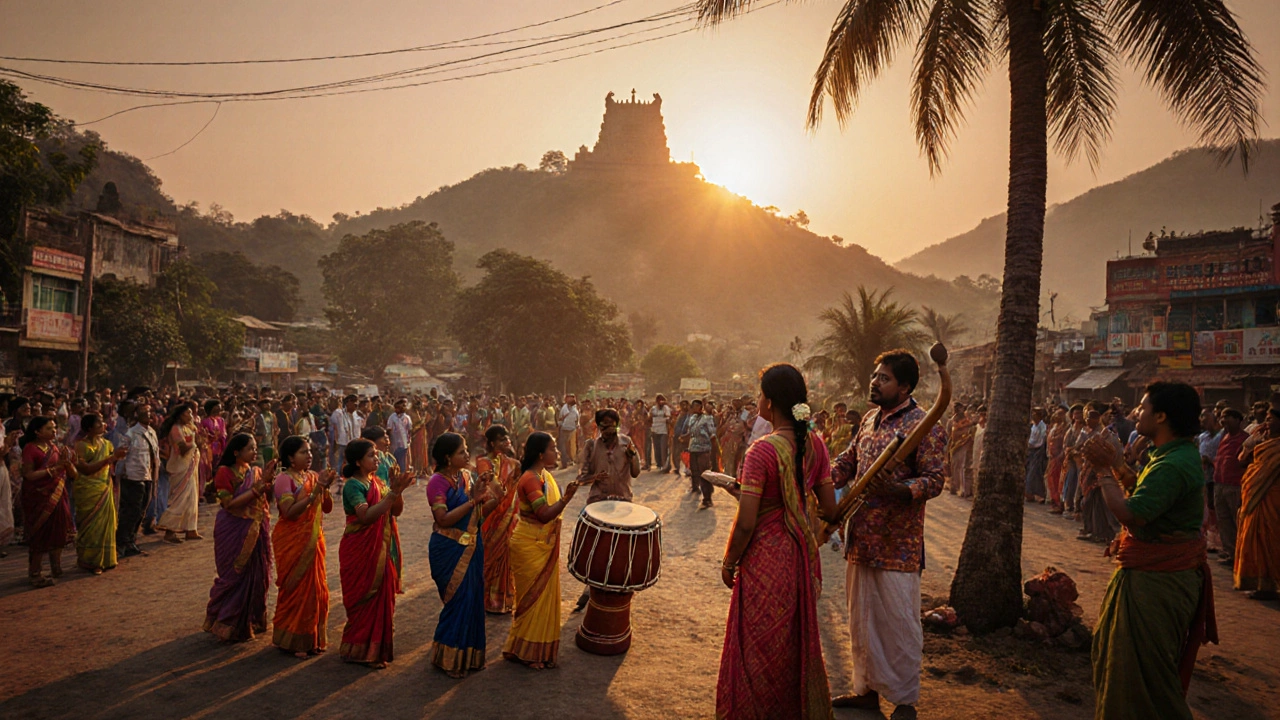
When you think of Tamil Nadu folk traditions, the vibrant, hand-passed-down customs of rural Tamil communities that blend music, dance, ritual, and daily life. Also known as Tamil village culture, it’s not museum art—it’s what people still do at harvests, weddings, and temple festivals across the countryside. These aren’t performances for tourists. They’re quiet acts of memory, passed from grandparent to grandchild, from field to firelight.
Look closer and you’ll find Tamil folk music, a world of unrecorded, unpolished voices singing without instruments, using nonsense syllables called bol banao to carry emotion and rhythm. This isn’t background noise—it’s how farmers keep time while planting, how mothers soothe babies, and how communities mark the seasons. Then there’s Tamil folk dance, the earthy, energetic movements tied to harvests, rain prayers, and village deities. Unlike classical Bharatanatyam, these dances don’t need stages. They happen under neem trees, in courtyards, with drums made from hollowed wood and goatskin. And don’t forget the rituals—Tamil village rituals, the quiet ceremonies honoring local spirits, ancestral protectors, and nature deities like Mariamman. These aren’t written in sacred texts. They’re whispered in dialects, performed in moonlight, and remembered because they work—for the land, for the family, for the soul.
What ties all this together? It’s not religion alone. It’s survival. These traditions survived British rule, urban migration, and digital distraction because they answered real needs: connection, comfort, and identity. You’ll find echoes of them in the songs that still ring out during Karthigai Deepam, in the drumbeats that lead processions in Madurai villages, and in the way elders still tell stories to children under starlit skies. This isn’t history. It’s happening now—in every corner of Tamil Nadu where people still listen to the old ways.
Below, you’ll find articles that dig into these living customs—the songs people don’t sing for fame, the dances they don’t perform for money, and the rituals they won’t let go of. Whether it’s why a Tamil village still lights oil lamps for rain, or how a simple folk tune carries centuries of wisdom, these stories show you what Tamil culture really looks like when it’s not on a stage. No filters. No edits. Just truth, passed down.
Explore Tamil folklore's myths, music, dance, and rituals. Learn about Karakattam, Puliyattam, Theru Koothu, and how Tamil Nadu preserves its vibrant folk heritage.