Spiritual Travel: Sacred Journeys in Tamil Culture and Beyond
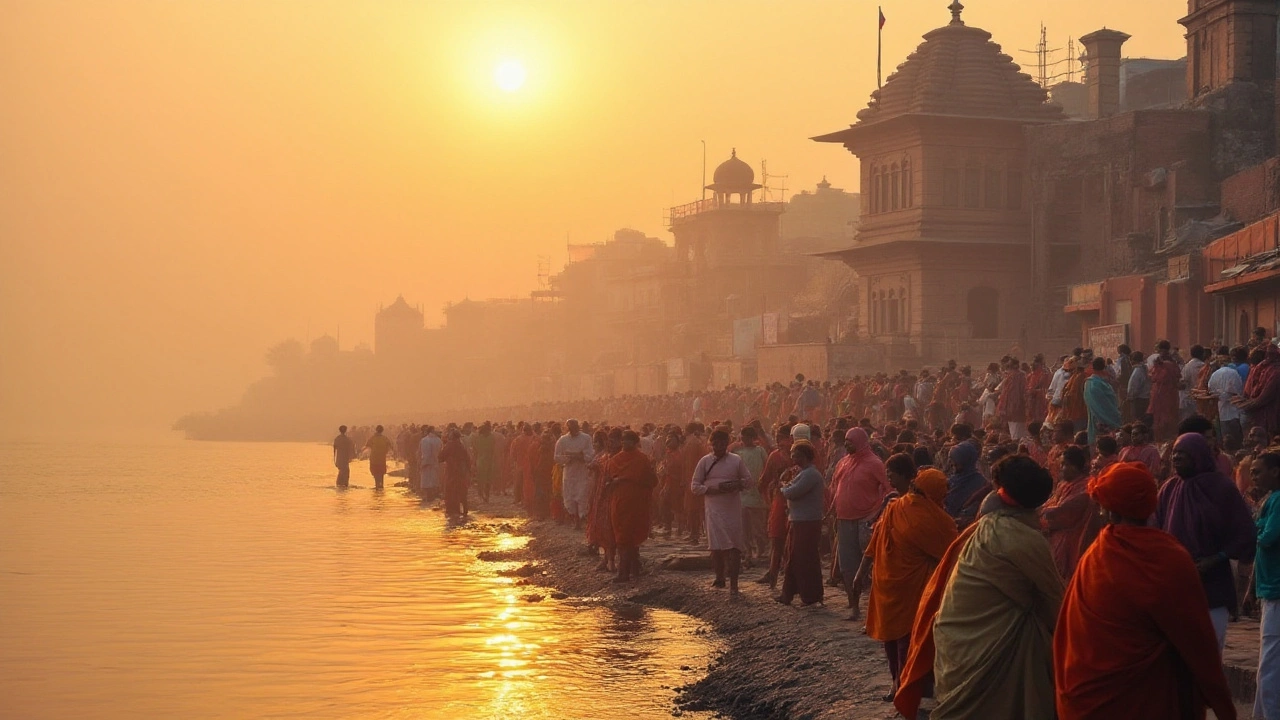
When you think of spiritual travel, a journey undertaken not for sightseeing but for inner transformation, often tied to sacred places, rituals, or practices. Also known as pilgrimage, it's not about checking off landmarks—it's about how a place changes you. In Tamil Nadu, this isn’t abstract. People walk barefoot for days to reach temples like Rameswaram or Chidambaram, not because they have to, but because the road itself becomes prayer. The rhythm of their steps, the smell of incense in the morning air, the sound of temple bells echoing over rice fields—it all adds up to something deeper than religion. It’s a kind of moving meditation.
pilgrimage, a journey to a sacred site motivated by faith, devotion, or personal renewal in Tamil culture often blends with daily life. Unlike grand European cathedrals, many Tamil sacred sites are woven into villages, rivers, and forests. The Kaveri River isn’t just water—it’s a goddess. The hilltop temple at Palani isn’t just a structure—it’s a doorway. And practices like yoga, a physical, mental, and spiritual discipline rooted in ancient Indian traditions, used to cultivate awareness and inner stillness aren’t separate from these journeys—they’re part of them. You don’t need to fly to India to experience this. Sitting quietly before sunrise, lighting a lamp, repeating a name that means something to you—that’s spiritual travel too. It’s portable. It’s quiet. It doesn’t require a ticket.
What you’ll find in these posts isn’t a travel guide to temples. It’s a look at how people connect with the sacred in everyday ways. Why do some Hindu gods appear blue? What’s the real reason the Catholic Church watches yoga closely? How do Tamil communities celebrate Diwali differently than others? These aren’t random questions. They’re all threads in the same fabric: how belief shapes movement, how ritual becomes identity, and how places hold meaning beyond their bricks and mortar. You’ll read about forgotten folk songs that carry prayers, festivals that last fifteen days, and myths that explain why water spirits look like mermaids. This isn’t about tourism. It’s about belonging—to a place, a practice, a story older than maps.