Saree: The Timeless Indian Dress with Cultural Roots and Regional Styles
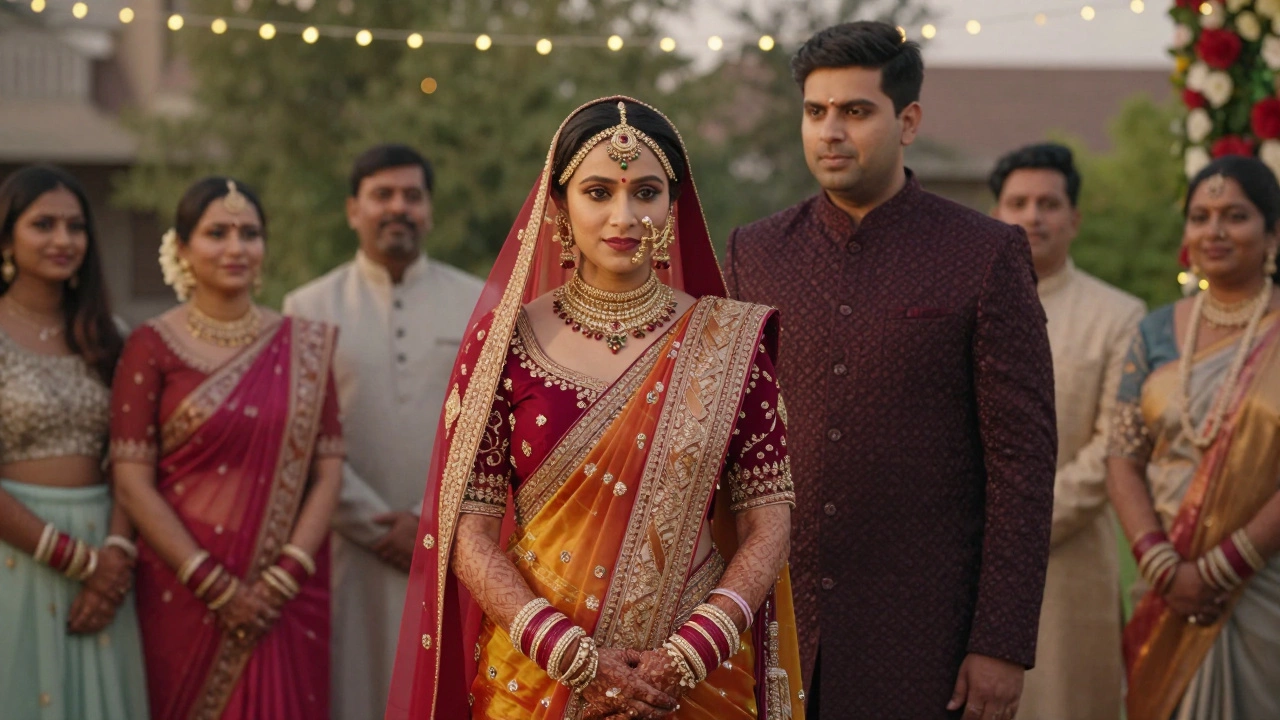
When you think of saree, a traditional Indian garment made of a single piece of cloth draped elegantly around the body. Also known as sari, it's not just clothing—it's identity, heritage, and art worn daily by millions. In Tamil Nadu, the saree isn't just worn—it's celebrated. From the heavy silk of Kanchipuram to the lightweight cotton of Madurai, every fold carries history. Women in villages and cities alike choose their saree not just for beauty, but for meaning—whether it’s for a wedding, a temple visit, or just another Tuesday.
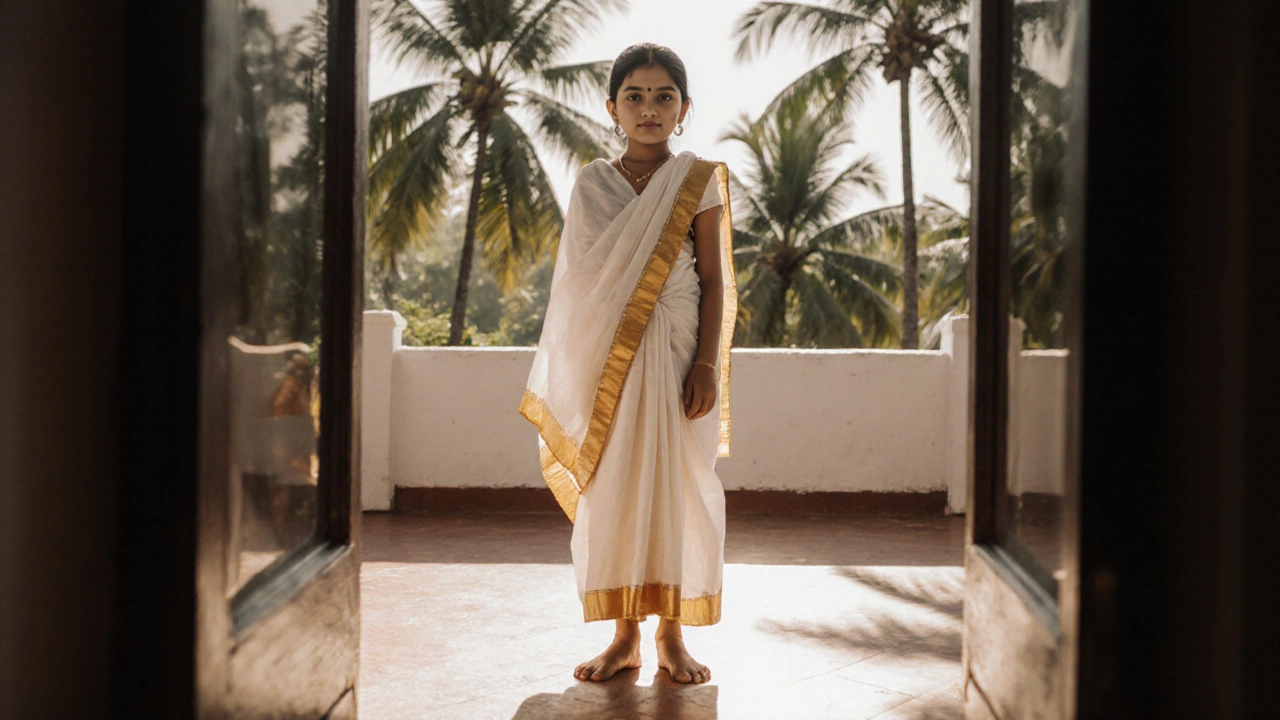
The silk saree, a luxurious type of saree woven with real silk threads, often featuring gold zari work is especially sacred in Tamil culture. A Kanchipuram silk saree can take weeks to weave, and its price often reflects generations of skill passed down from mother to daughter. These aren’t mass-produced items—they’re heirlooms. You’ll find them at temple festivals, during Pongal, or at a daughter’s wedding, where the color and pattern might signal family lineage or regional pride. Meanwhile, the Tamil saree, a regional variation of the saree worn primarily in Tamil Nadu, known for its distinct draping style and bold borders often features wide, colorful borders that contrast sharply with the body of the fabric, unlike the more subtle designs seen in Bengal or Gujarat. The way it’s draped—pleated in the front, tucked neatly, and the pallu falling over the left shoulder—is unique to the South and often taught by grandmothers.
What makes the saree powerful isn’t just its look—it’s how it adapts. Young women in Chennai wear cotton sarees to office jobs. Grandmothers in Thanjavur still hand-stitch their own borders. Even in the diaspora, from Singapore to Toronto, Tamil families keep the tradition alive, teaching daughters how to pin the pallu just right. It’s not about fashion trends—it’s about continuity. The saree doesn’t shout. It doesn’t need to. It speaks through texture, through weight, through the way it moves when you walk.
Below, you’ll find articles that dig into the stories behind the fabric—the rituals, the weavers, the colors that mean something, and how this one garment connects Tamil women across time and distance. Whether you’re curious about why certain patterns are worn during festivals or how to tell a real Kanchipuram from a fake one, these pieces give you the real talk—not the gloss.