Indian Wedding Attire: Traditional Outfits, Symbols, and Regional Styles
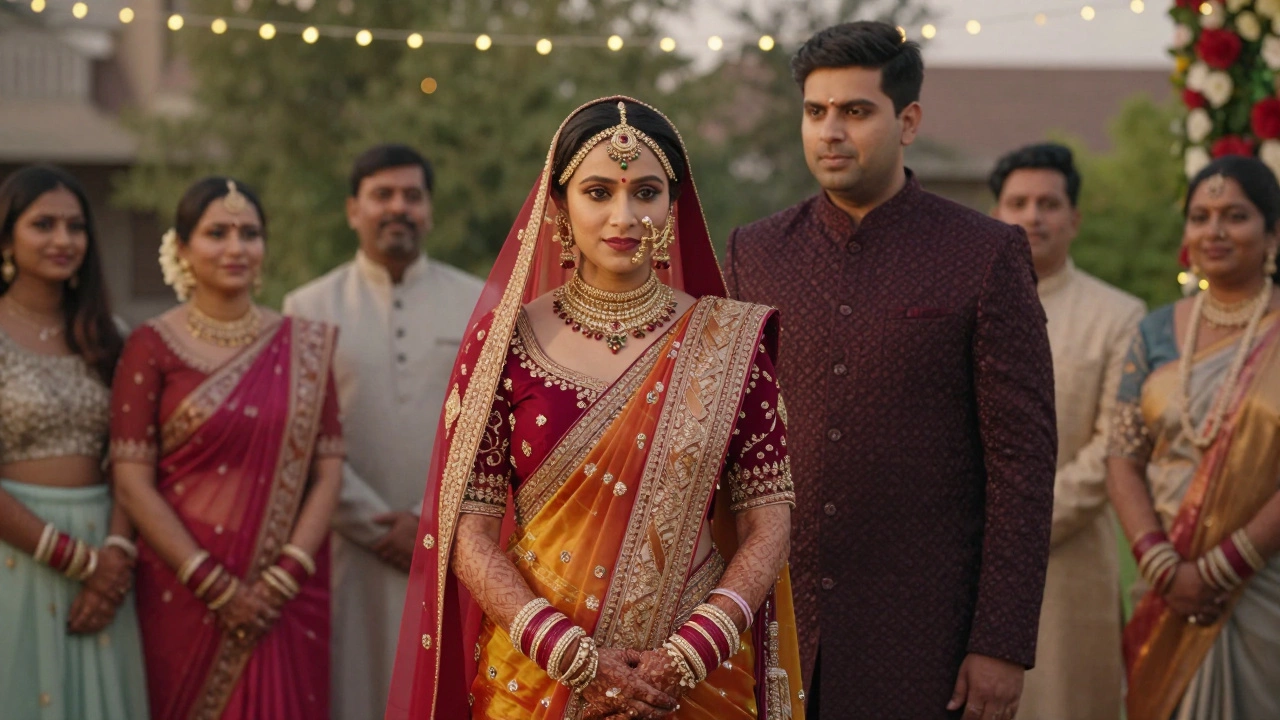
When you think of Indian wedding attire, the vibrant, handwoven garments worn by brides and grooms across India during marriage ceremonies. Also known as bridal wear, it’s not just clothing—it’s a living tradition passed down through generations, carrying symbols of luck, prosperity, and identity. In Tamil Nadu, a bride might wear a silk saree with gold zari work, while in Punjab, she’s likely in a heavily embroidered lehenga, a long, flared skirt paired with a fitted top and dupatta, often worn during North Indian weddings. Each piece tells a story: the red of a Bengali bride’s saree stands for fertility, the gold thread in a Gujarati chaniya choli represents wealth, and the jasmine garlands in a Tamil wedding signify purity.
What makes Indian wedding attire so unique isn’t just the fabric or color—it’s how deeply it’s tied to local rituals. In Tamil culture, the bride’s saree is often draped in the Kanchipuram style, with heavy borders that can take weeks to weave. The groom wears a dhoti or sherwani, sometimes paired with a turban called a pagdi, especially in rural areas. Meanwhile, in Rajasthan, brides wear heavy silver jewelry that doubles as family heirlooms. These aren’t fashion choices—they’re cultural codes. Even the weight of the fabric matters: heavier silks are believed to bring stability to the marriage. And while modern brides now mix in Western elements like veils or gowns, most still keep at least one traditional outfit for the main ceremony. The choice of attire often reflects family roots, regional pride, and religious customs—sometimes even dictated by astrological advice.
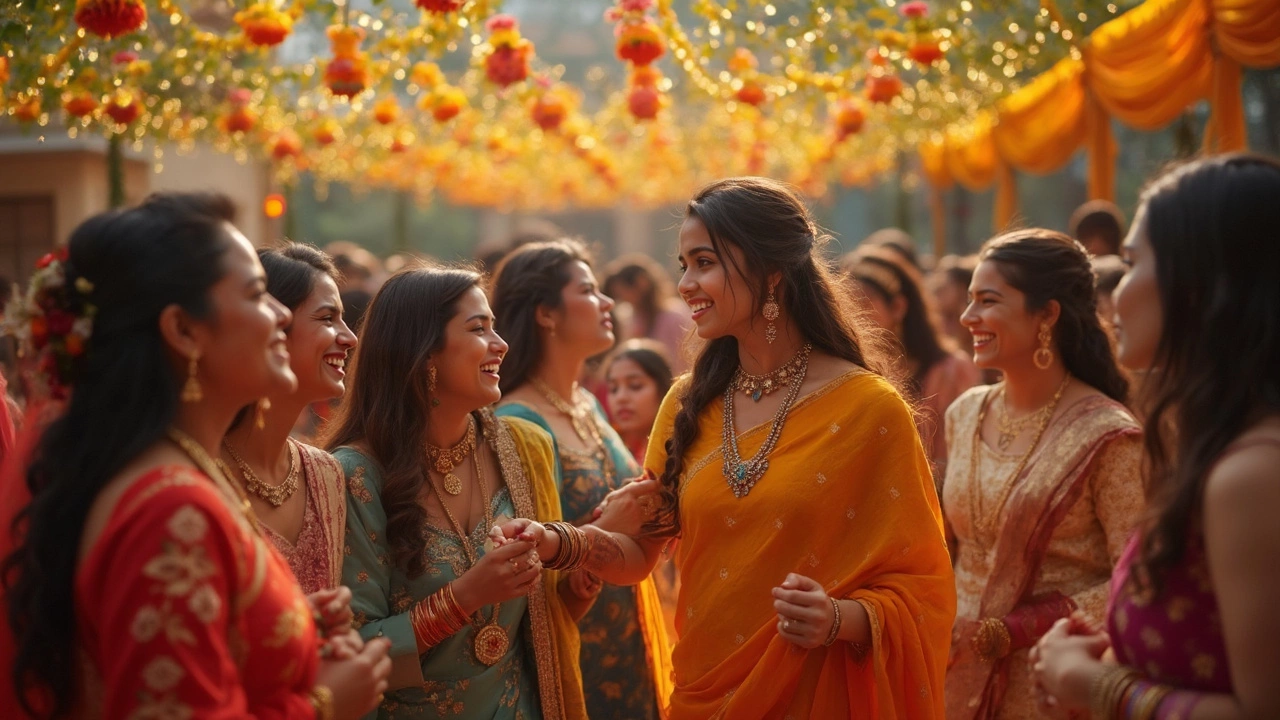
There’s also a quiet economy behind these outfits. Many families spend years saving for a single bridal ensemble, sometimes commissioning custom work from master weavers in Varanasi, Kanchipuram, or Banaras. The art of hand embroidery—like zardozi, gota patti, or zari—is dying in some places, making each piece more valuable. And while Diwali and Navratri bring festive colors to everyday life, nothing compares to the intensity of color and detail in a wedding outfit. You’ll find echoes of these traditions in posts about Tamil folklore, where dance costumes mirror bridal wear, or in discussions about Carnatic music, where brides often wear temple jewelry that matches the gold thread in their sarees. Below, you’ll see how different communities across India celebrate love through cloth, thread, and tradition—each outfit a quiet masterpiece of heritage, skill, and meaning.