Indian Spices: What They Are, How They’re Used, and Why They Matter
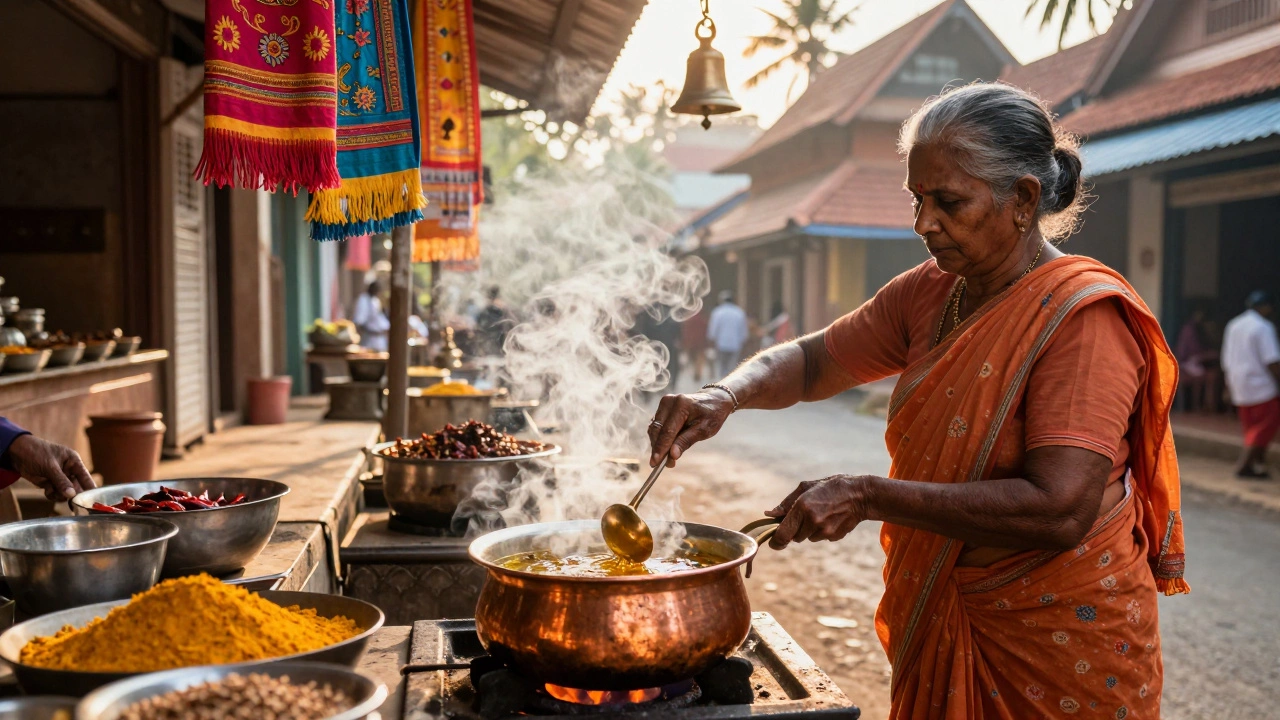
When you think of Indian spices, a vibrant collection of dried seeds, roots, fruits, and barks used for flavor, preservation, and healing in South Asian cooking and traditional medicine. Also known as masalas, they’re not just ingredients—they’re cultural anchors that define regional identity, religious rituals, and daily wellness practices across India. From the smoky heat of black cardamom in Tamil Nadu’s curries to the sweet warmth of cinnamon in North Indian desserts, these spices carry stories older than empires. They’re not randomly mixed. Every blend, every toast, every pinch has meaning—passed down through generations, shaped by climate, religion, and trade.
Ayurveda, an ancient Indian system of holistic health that uses diet, herbs, and lifestyle to balance the body’s energies treats spices like turmeric, cumin, and ginger as medicine. Turmeric isn’t just for yellow rice—it’s a natural anti-inflammatory used in milk teas and wound salves. Cumin aids digestion and is often roasted before being added to dals. These aren’t modern trends; they’re centuries-old practices still alive in rural kitchens and urban homes alike. And in Tamil cuisine, the distinct food traditions of Tamil Nadu, known for its bold use of tamarind, curry leaves, and roasted spice blends, spices aren’t garnishes—they’re the foundation. A simple sambar or rasam can contain seven or more spices, each added at a precise moment to unlock flavor and function.
What you eat in India isn’t just about taste. It’s about timing, temperature, and tradition. Spices like fenugreek and asafoetida are used to balance doshas—body energies in Ayurveda—while mustard seeds crackling in hot oil signal the start of a meal in many households. Even the way you store them matters: whole spices last longer, and grinding them fresh changes everything. You won’t find pre-mixed garam masala in every home—many still roast and grind their own. This isn’t nostalgia. It’s precision.
And it’s not just about food. Spices play roles in festivals, weddings, and temple offerings. Turmeric paste is applied to brides before their wedding. Cinnamon sticks are offered in puja rituals. Even the scent of cardamom in a temple incense can be a form of prayer. These aren’t decorations—they’re sacred tools.
Below, you’ll find articles that dig into how these spices show up in everyday life—whether it’s why they’re used in healing, how they shape regional dishes, or why some are banned in certain communities. You’ll learn what makes Tamil Nadu’s spice mix different from Punjab’s, why some spices are avoided during pregnancy, and how ancient trade routes turned local plants into global commodities. No fluff. Just real connections between what’s on your plate and what’s in your blood.