Indian Philosophy: Core Ideas, Traditions, and Living Beliefs
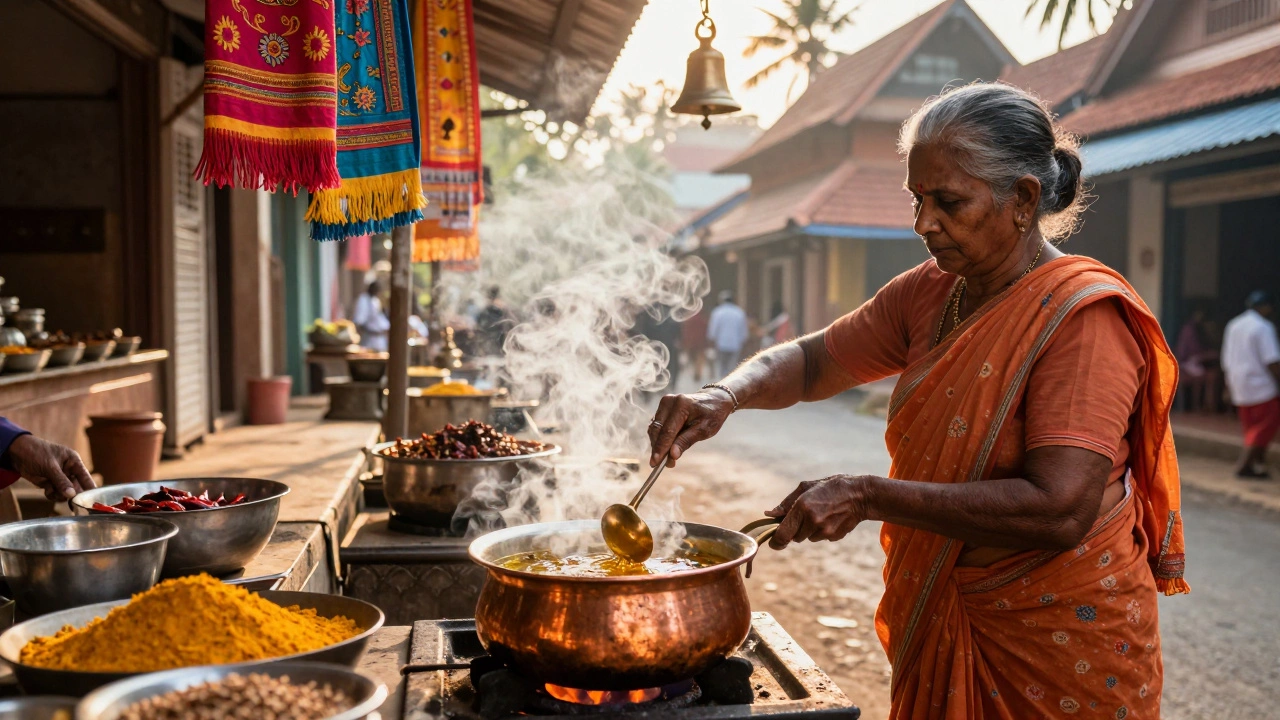
When you hear Indian philosophy, a vast, living system of thought rooted in ancient texts like the Upanishads and Bhagavad Gita, focused on self-realization, duty, and the nature of reality. Also known as Dharma-shastra, it’s not something locked in books—it’s in the way people wake up, eat, pray, and handle stress. This isn’t abstract theory. It’s the reason a grandmother chants a mantra before cooking, why yoga is more than stretching, and why blue skin on gods isn’t art—it’s a symbol of boundless consciousness.
Indian philosophy doesn’t live in isolation. It’s tied to Ayurveda, a holistic health system based on balancing body energies—vata, pitta, kapha—through diet, rhythm, and mindfulness. Also known as the science of life, it’s built on the same ancient ideas that say harmony with nature isn’t optional, it’s survival. You see it in posts about removing excess vata, or why the 80/20 rule works in daily routines. It’s also tied to Shiva, a deity representing destruction and renewal, worshipped for over 5,000 years, long before modern religions took shape. Also known as the cosmic dancer, his presence isn’t just myth—it’s why people meditate at dawn, why silence is sacred, and why some see death not as an end, but as transformation. And then there’s Vedanta, the school of thought that teaches the self is one with the universe, not separate from it. Also known as non-dualism, it’s the quiet belief behind why Indian families share meals, why elders are consulted, and why identity isn’t just personal—it’s woven into lineage and land.
Indian philosophy isn’t about choosing between gods or schools. It’s about how these ideas quietly shape behavior. It’s why Gujaratis avoid meat—not because of rules, but because of ahimsa, the principle of non-harm. It’s why the Catholic Church questions yoga—not because it’s dangerous, but because it comes from a worldview where the soul isn’t separate from the body. It’s why Indian gods are painted blue: not for style, but to show infinity. These aren’t relics. They’re alive in kitchens, temples, and morning routines across the country.
What you’ll find below isn’t a history lesson. It’s a collection of real stories—how people use these ideas today. From the symbolism behind blue skin to why yoga makes some churches nervous, from Ayurvedic balance to the timeline of Shiva versus Jesus—each post cuts through the noise and shows you what actually matters in daily life. No fluff. No theory without practice. Just the roots of a culture still breathing.