Indian Handicrafts: Traditional Arts, Regional Styles, and Cultural Roots

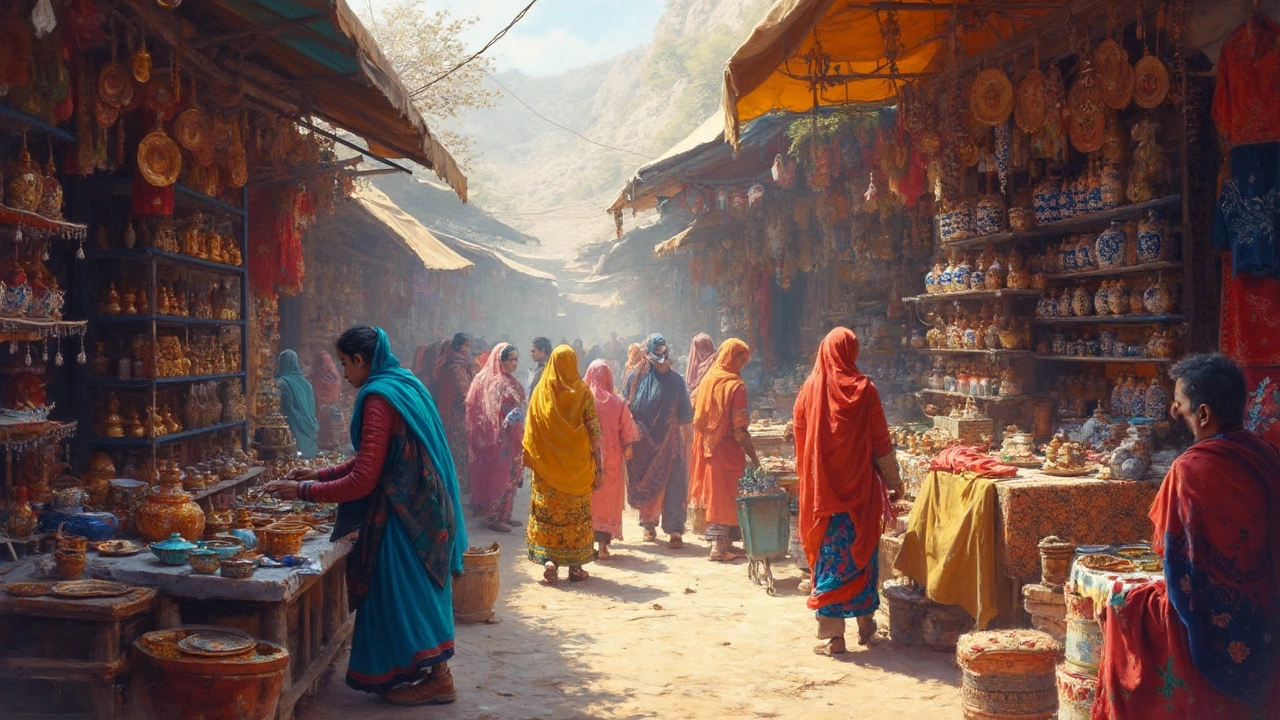
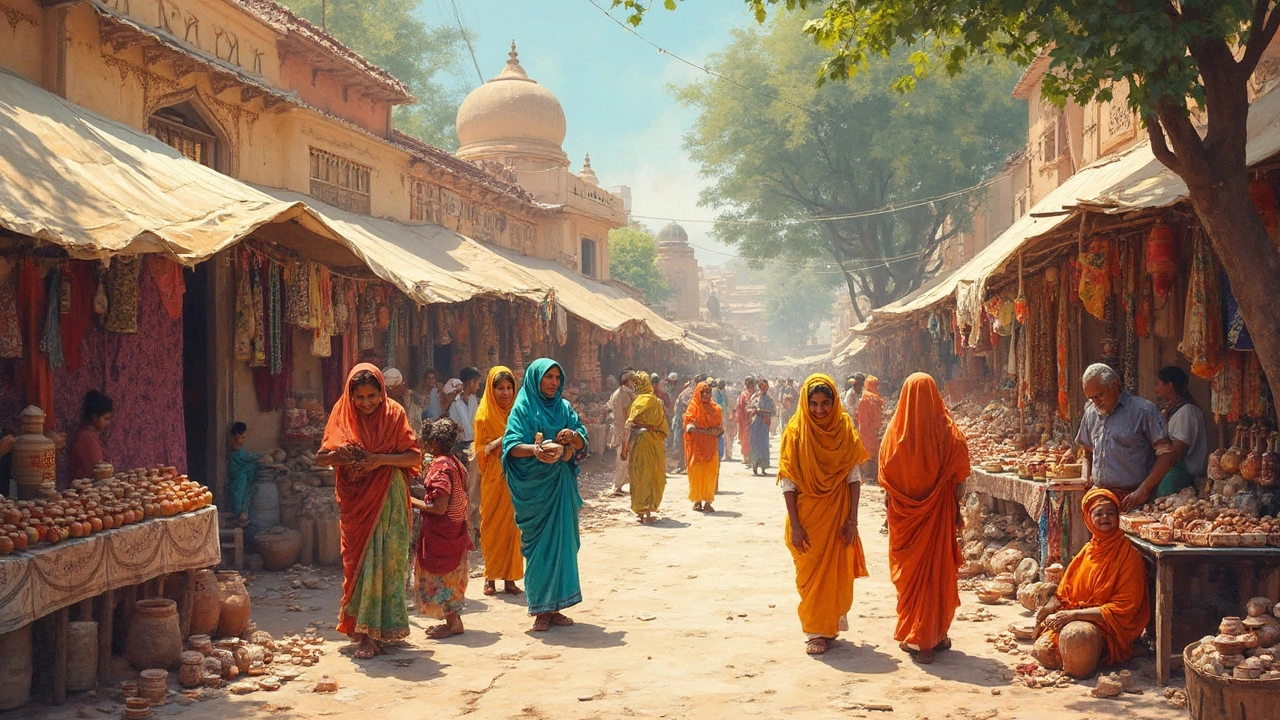
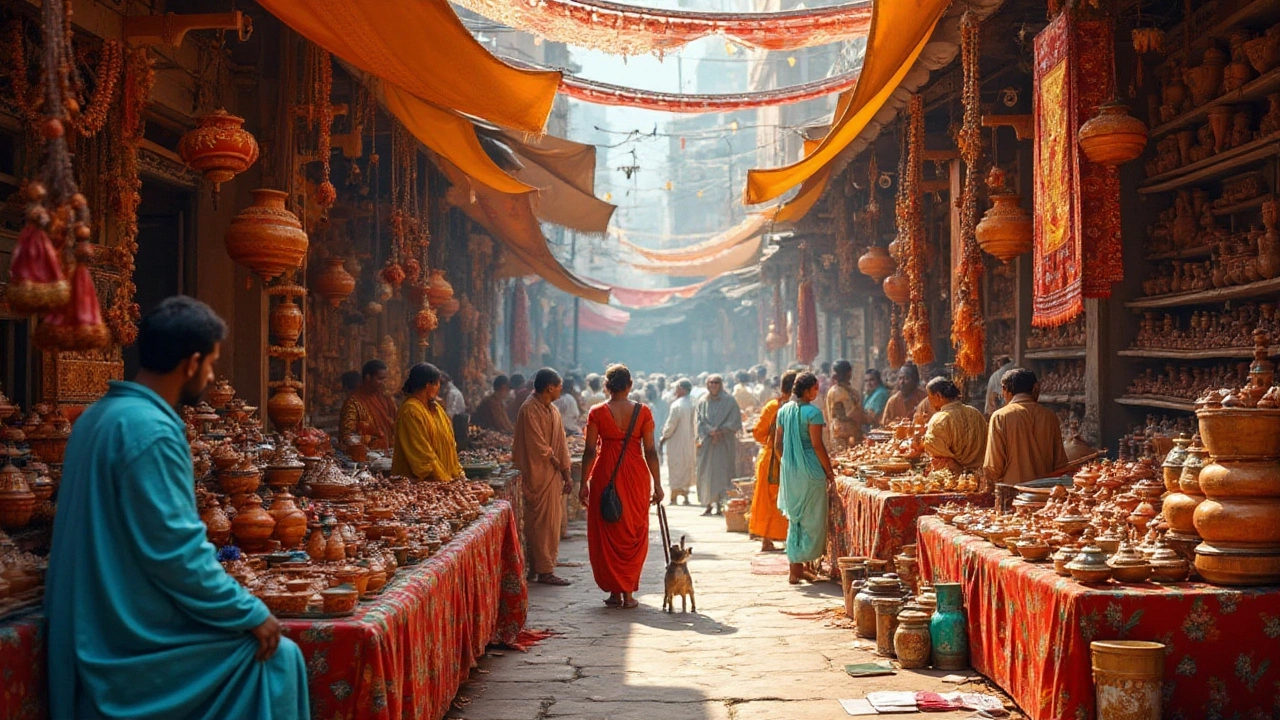
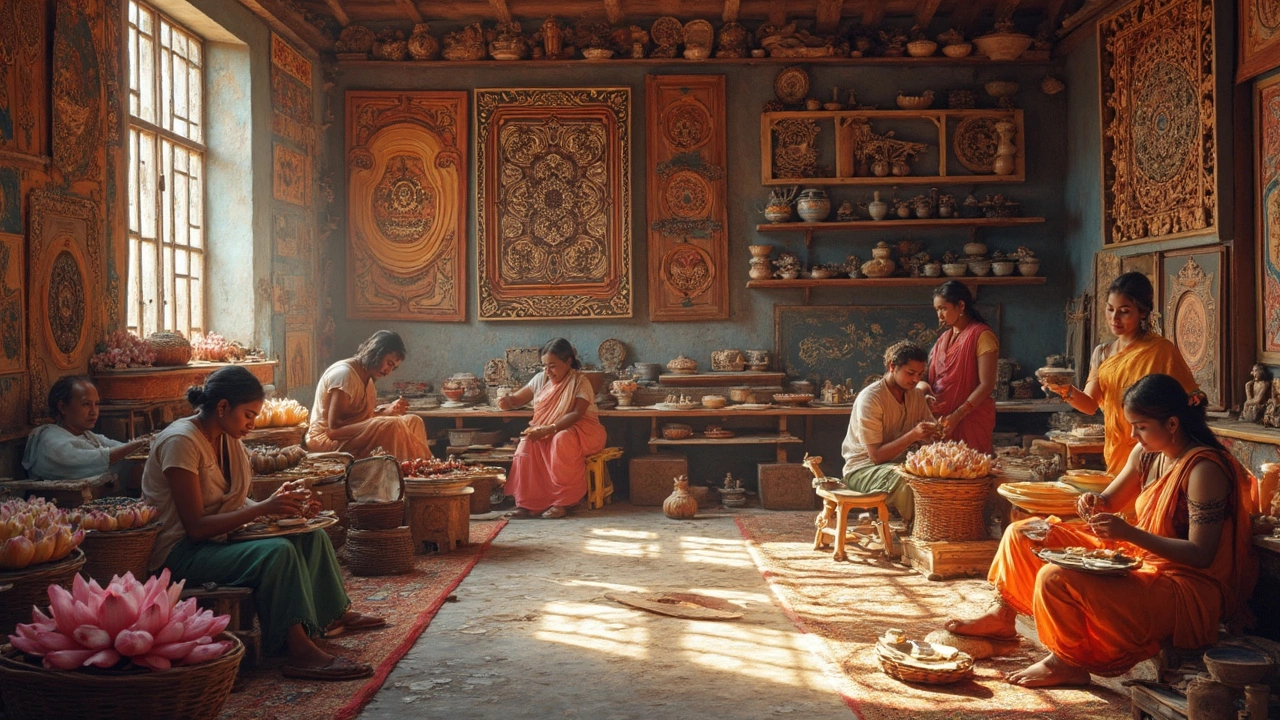
When you think of Indian handicrafts, handmade artistic objects created using traditional techniques across India’s diverse regions. Also known as traditional Indian crafts, they are not just souvenirs—they’re cultural records woven into clay, thread, wood, and metal. Every piece tells a story: of a village in Bihar shaping terracotta for Durga Puja, of artisans in Jaipur etching blue pottery that’s been unchanged for 500 years, or of weavers in Kanchipuram threading gold into silk that’s worn at weddings across South India.

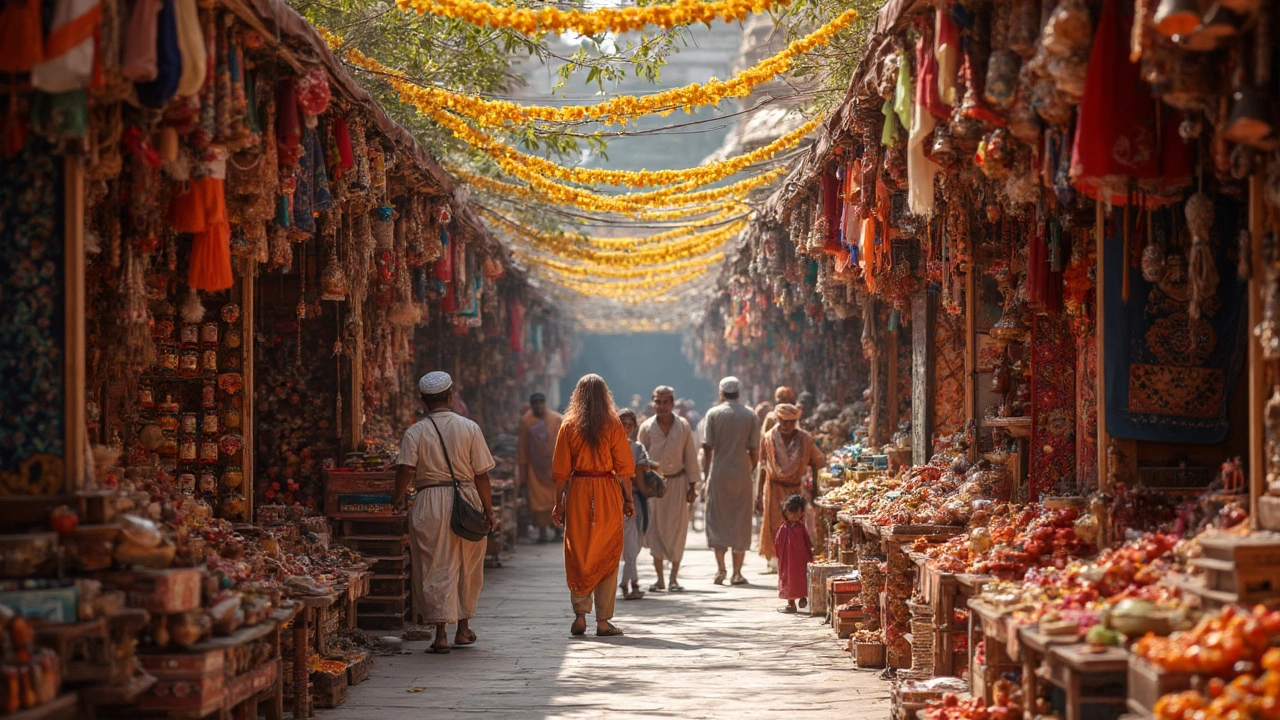
These crafts aren’t isolated. They’re tied to regional Indian art, distinct artistic expressions shaped by local materials, religion, and community rituals. In Tamil Nadu, you’ll find folk art India, visual and performing traditions like Kolam designs, Kalamkari prints, and wooden puppet theater that mirror daily life and spiritual beliefs. In Rajasthan, it’s block-printed fabrics and miniature paintings. In Assam, it’s handwoven Muga silk. Each region has its own rhythm, its own tools, its own way of turning nature into meaning. These crafts don’t just survive—they adapt. Modern buyers want sustainability, authenticity, and connection. That’s why handmade items from small cooperatives are gaining ground over mass-produced imports.

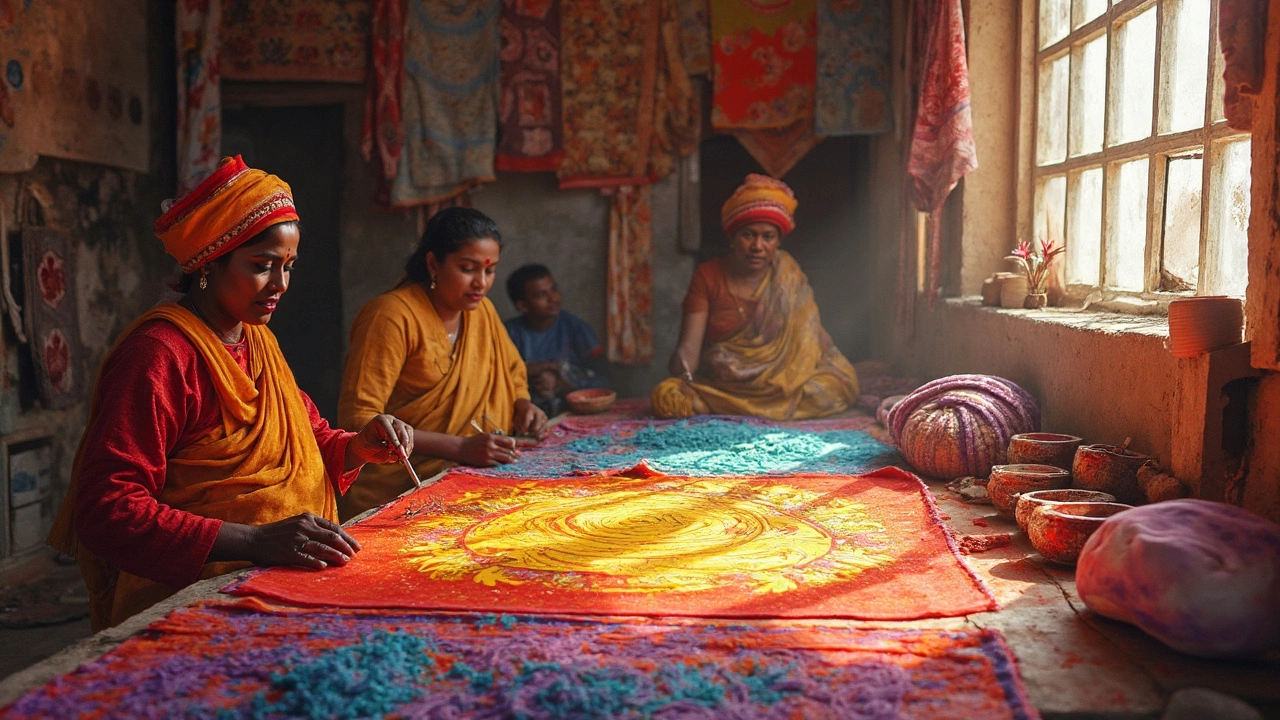
What makes Indian handicrafts powerful isn’t just their beauty—it’s their resilience. Many of these skills are passed from parent to child, often without formal training. A potter in Odisha doesn’t learn from a book; she learns by watching her mother shape clay at dawn. A weaver in Varanasi doesn’t follow a trend; he follows a pattern his grandfather taught him. These aren’t relics. They’re active traditions, quietly resisting homogenization. And that’s why they matter—not just to collectors, but to anyone who values culture that’s lived, not just displayed.

Below, you’ll find articles that dig into the heart of these crafts: the festivals that inspire them, the materials that define them, and the people who keep them alive. Whether you’re curious about the symbolism behind a Madhubani painting, the hidden dangers in some traditional dyes, or how Diwali shapes demand for handmade lamps, you’ll find real stories here—not just lists.
India's National Flower: The Lotus and Its Craft Legacy

India's National Flower: The Lotus and Its Craft Legacy

Curious why the lotus is India's national flower? This article explains its cultural and historical significance, why it stands out among thousands of plant species, and how it inspires endless designs in Indian handicrafts. You'll discover fun facts about the lotus, see how craftspeople use its image in their work, and pick up real tips for adding a lotus touch to your projects or home decor. Whether you're a craft lover or just intrigued by Indian symbols, you'll get everything you need to know.

Continue reading
Cultural Crafts of India: Exploring Traditional Handicrafts

Cultural Crafts of India: Exploring Traditional Handicrafts

This article breaks down the vibrant world of India's cultural crafts, shedding light on traditional art forms. It highlights the stories behind these crafts, famous regions, and ways to support local artisans. Expect tips on what to look for when buying Indian handicrafts and why they matter more than ever today. Practical advice makes the article handy for travelers, collectors, and anyone curious about Indian culture. You’ll get a real taste of how these crafts keep centuries-old skills alive.

Continue reading
What Product Is India Known for? The Fascinating World of Indian Handicrafts

What Product Is India Known for? The Fascinating World of Indian Handicrafts

This article explores the iconic handicrafts India is famous for, breaking down regional highlights and unique techniques. Discover why products like pashmina shawls, blue pottery, and brassware have become household names worldwide. Get tips on spotting genuine crafts and ideas for bringing a piece of India home. Perfect for fans of traditional art, travelers, or anyone curious about India's rich craft heritage. Packed with facts, practical advice, and real-world buying tips.

Continue reading
Traditional Crafts of India: A Dive into Handicraft Heritage

Traditional Crafts of India: A Dive into Handicraft Heritage

Discover the rich world of traditional crafts in India, from ancient pottery and intricate textiles to unique folk arts. This article explores age-old techniques passed down through generations and the stories behind famous regional crafts. Get tips on recognizing authentic handicrafts and supporting local artisans. Uncover fun facts and practical advice for starting your own craft collection. If you're curious about Indian culture and handmade artistry, this read has plenty to offer.

Continue reading
Famous Paintings of Gujarat: Exploring Rogan Art and More

Famous Paintings of Gujarat: Exploring Rogan Art and More

Gujarat is home to some of India's most famous paintings, with Rogan art and Pithora painting standing out for their history and style. These traditional art forms aren't just old museum pieces—they're still made today by skilled artisans using methods passed down for generations. The article breaks down what makes Gujarat's paintings unique, how they're created, and where you can find or buy authentic pieces. You'll also get tips on spotting real artwork and helping support local artists. If you want to know what painting puts Gujarat on the world map, this guide has you covered.

Continue reading
Exploring India's Most Sought-After Handicrafts

Exploring India's Most Sought-After Handicrafts

India, a land rich in culture and tradition, boasts an array of exquisite handicrafts that have captivated people worldwide. From intricate pottery to delicate textiles, these handmade creations reflect the diverse artistry of the Indian subcontinent. With the rise in demand for sustainable and unique products, Indian handicrafts have become increasingly popular in the global market. This article delves into some of the most desirable handcrafted items from India, exploring their history, significance, and the artisans behind them.

Continue reading