Indian Festivals: Celebrations, Traditions, and What They Really Mean
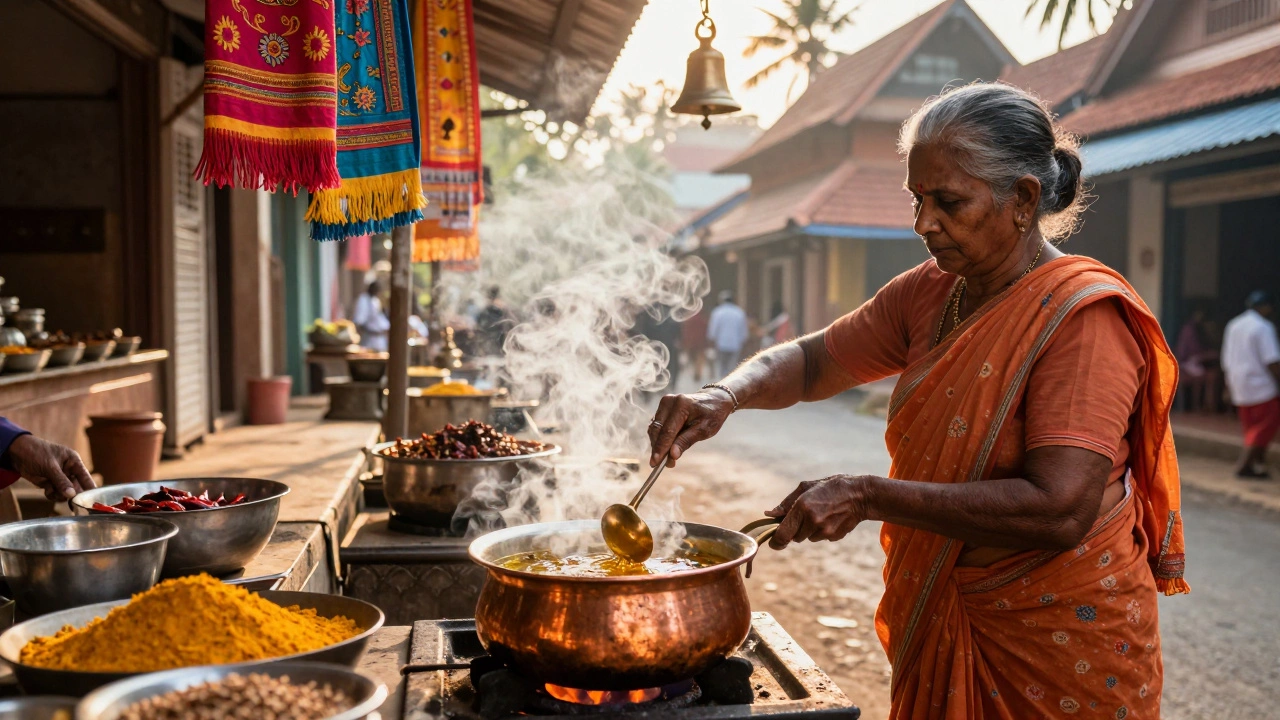
When we talk about Indian festivals, vibrant, community-driven events rooted in religion, season, and local history that shape daily life across India. Also known as Hindu holidays, they’re not just about rituals—they’re the heartbeat of how millions experience time, family, and identity. These aren’t isolated events. They’re woven into the rhythm of life, from the quiet glow of a lamp during Diwali to the loud drums of Theru Koothu in Tamil Nadu. And while many think of festivals as big public parties, they often begin in homes—with mothers preparing sweets, children learning songs, and elders telling stories that have lasted centuries.
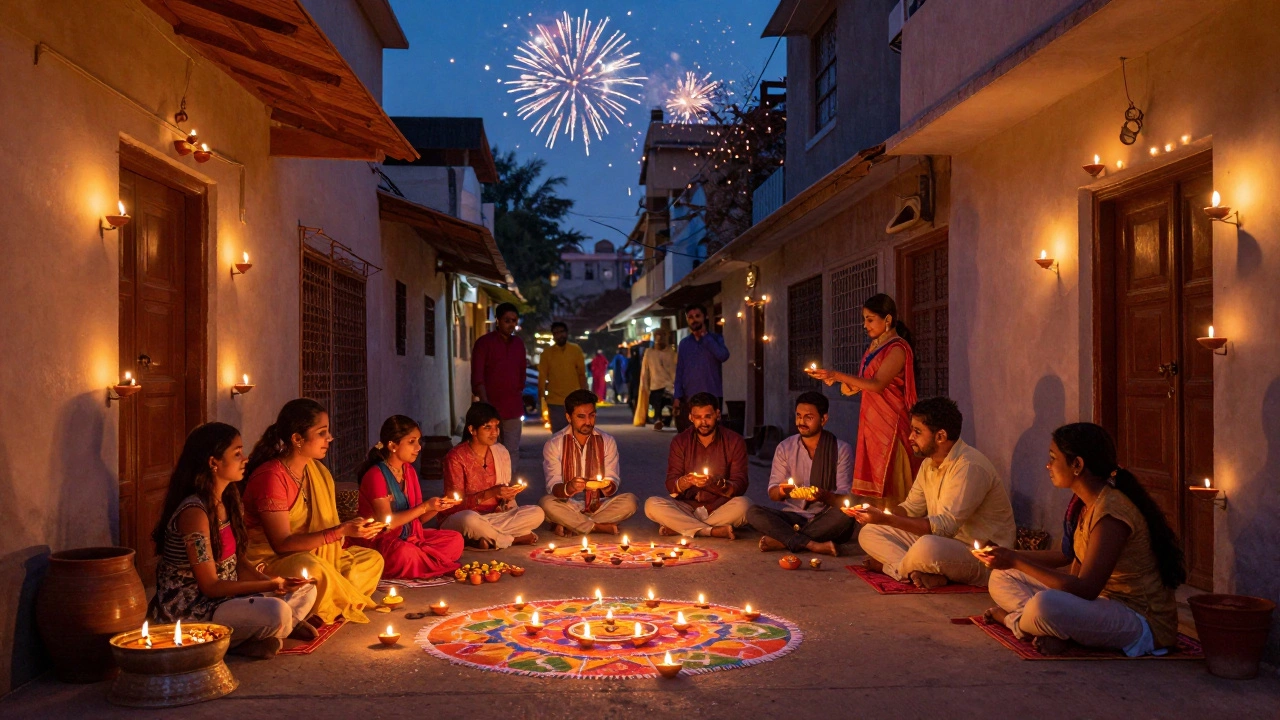
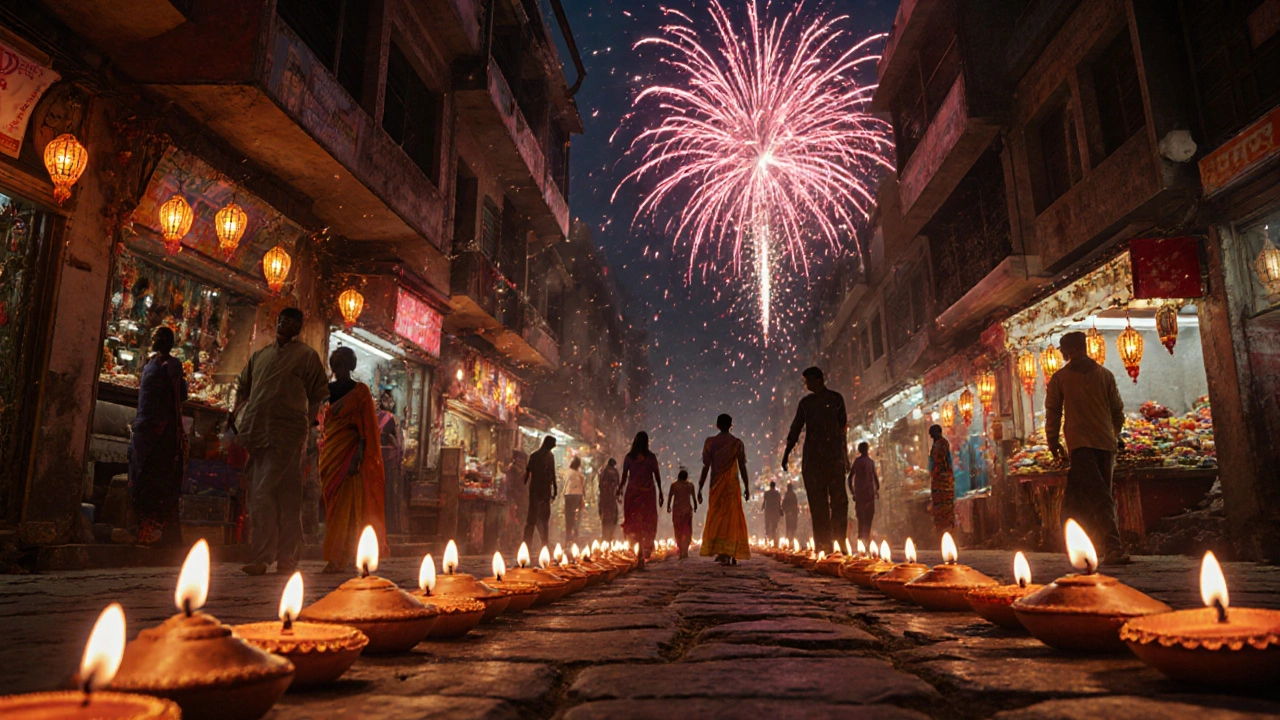
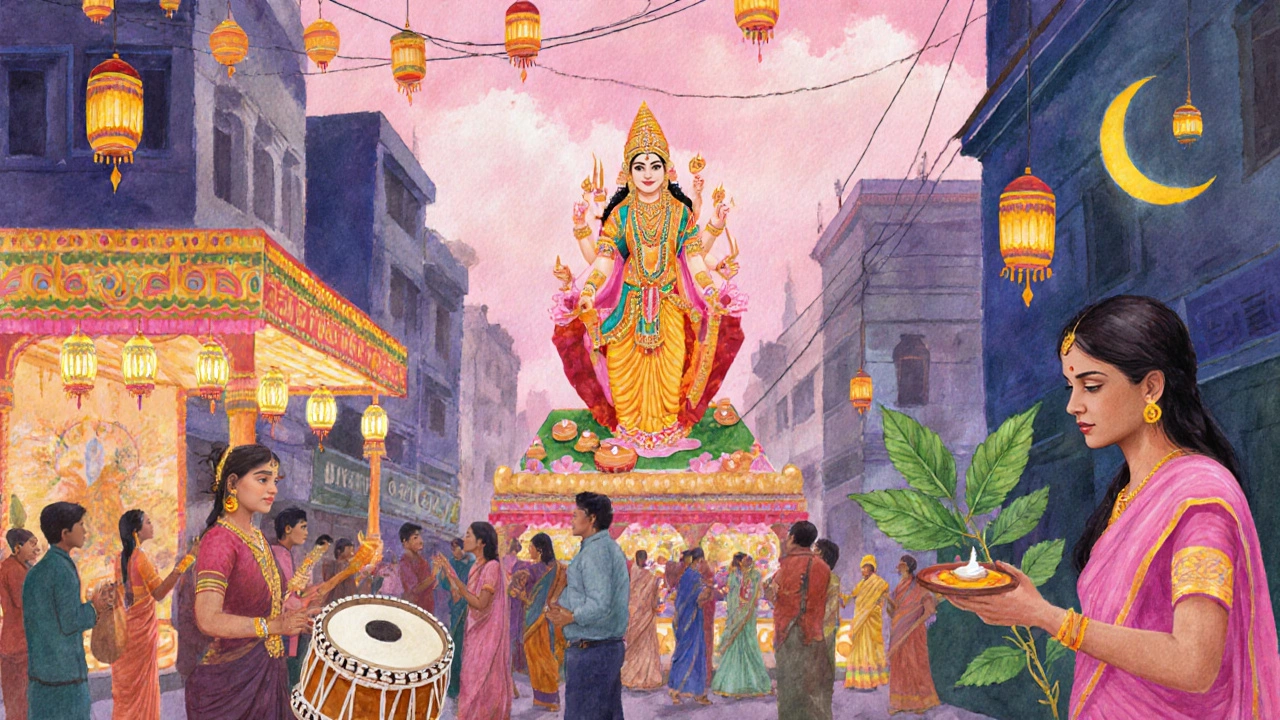
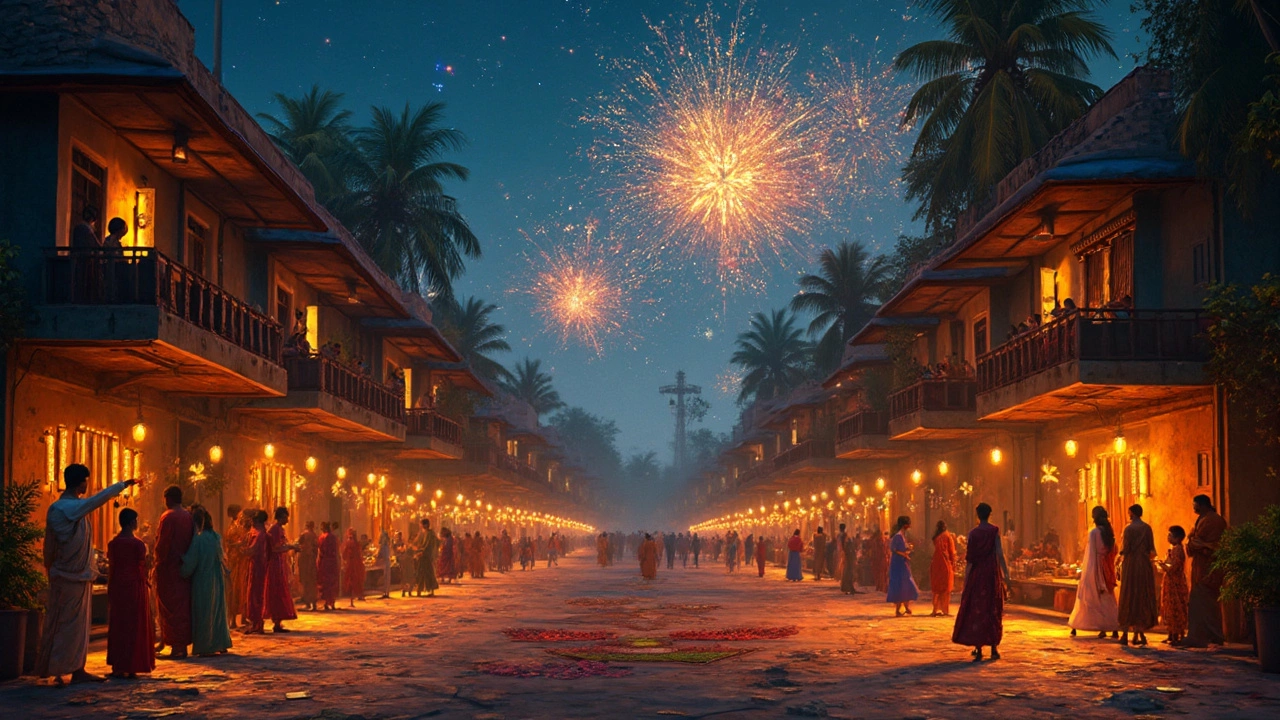
Take Diwali, the Festival of Lights celebrated by Hindus, Jains, and Sikhs across India, symbolizing the triumph of light over darkness. It’s not just fireworks and sweets. In Tamil Nadu, it blends with Karthigai Deepam, where oil lamps are lit on rooftops to honor the divine. Meanwhile, Navratri, a nine- to fifteen-day festival honoring the goddess Durga, marked by fasting, dance, and devotion stretches longer in some regions than others—15 days in parts of North India, nine in the South. The same festival, different rhythms. And it’s not just about religion. It’s about community. It’s about the grandmother teaching the grandchild how to make ladoos, the neighbor sharing a pot of dal, the school organizing a dance competition. These are the moments that stick.
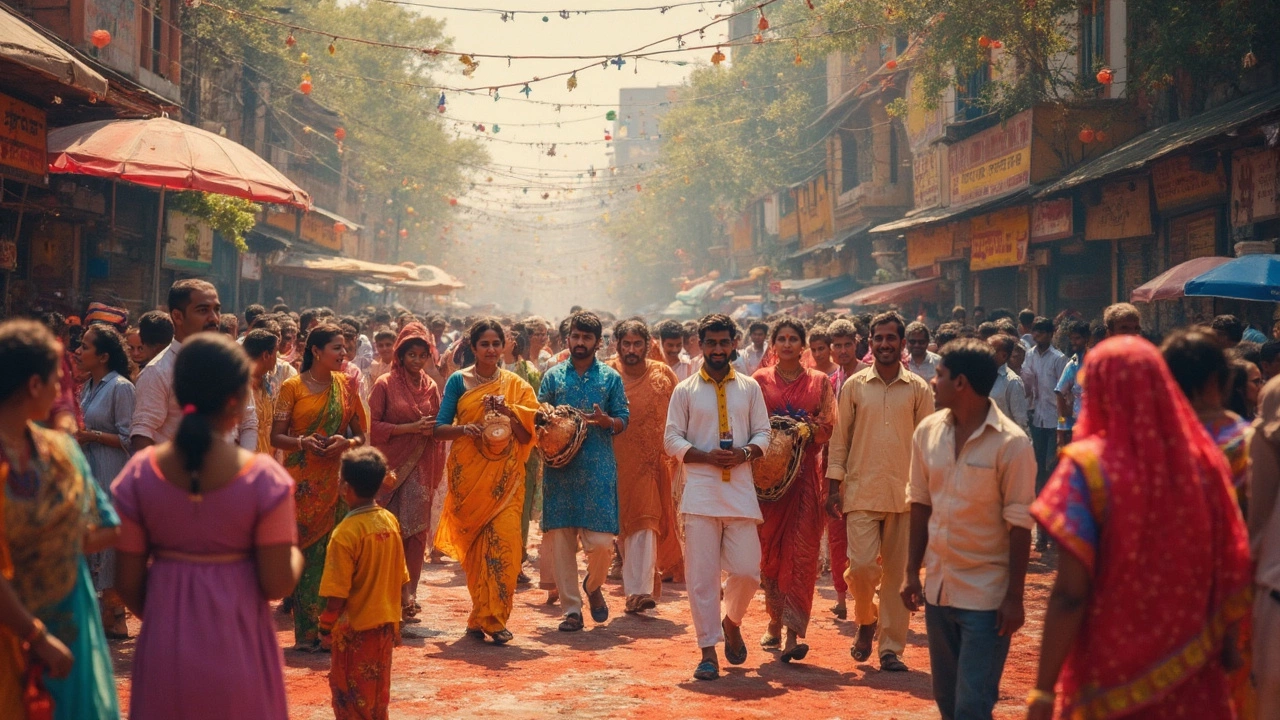
What makes Indian festivals so powerful isn’t the scale—it’s the intimacy. They’re not performed for tourists. They’re lived. You’ll find them in the rhythm of bol banao singing in rural fields, in the blue skin of Krishna painted on temple walls, in the quiet silence before a family lights a diya. Even when people move away—from Tamil Nadu to Texas, from Punjab to London—they carry these traditions with them. That’s why you’ll find Diwali celebrations in Brooklyn and Navratri garba in Sydney. The festivals don’t fade. They adapt.
Below, you’ll find real stories from people who live these festivals—not just what they do, but why they do it. You’ll learn how Tamil communities celebrate Diwali differently, why Navratri lasts 15 days in some places, and how food, music, and color tie into deeper beliefs. No fluff. No guesswork. Just what matters.
India's biggest festival, Diwali, known as the Festival of Lights, is a vibrant celebration observed throughout the country. This festival, steeped in tradition, symbolizes the victory of light over darkness and good over evil. Taking place over five days, it includes lighting lamps, fireworks, and sharing delicious sweets. Diwali isn't just a celebration but an experience that showcases the unity, culture, and joy of India. If you're planning to witness it, knowing some tips and facts can help you enjoy it to the fullest.