Indian Ethnic Wear: Traditional Outfits, Styles, and Cultural Meaning
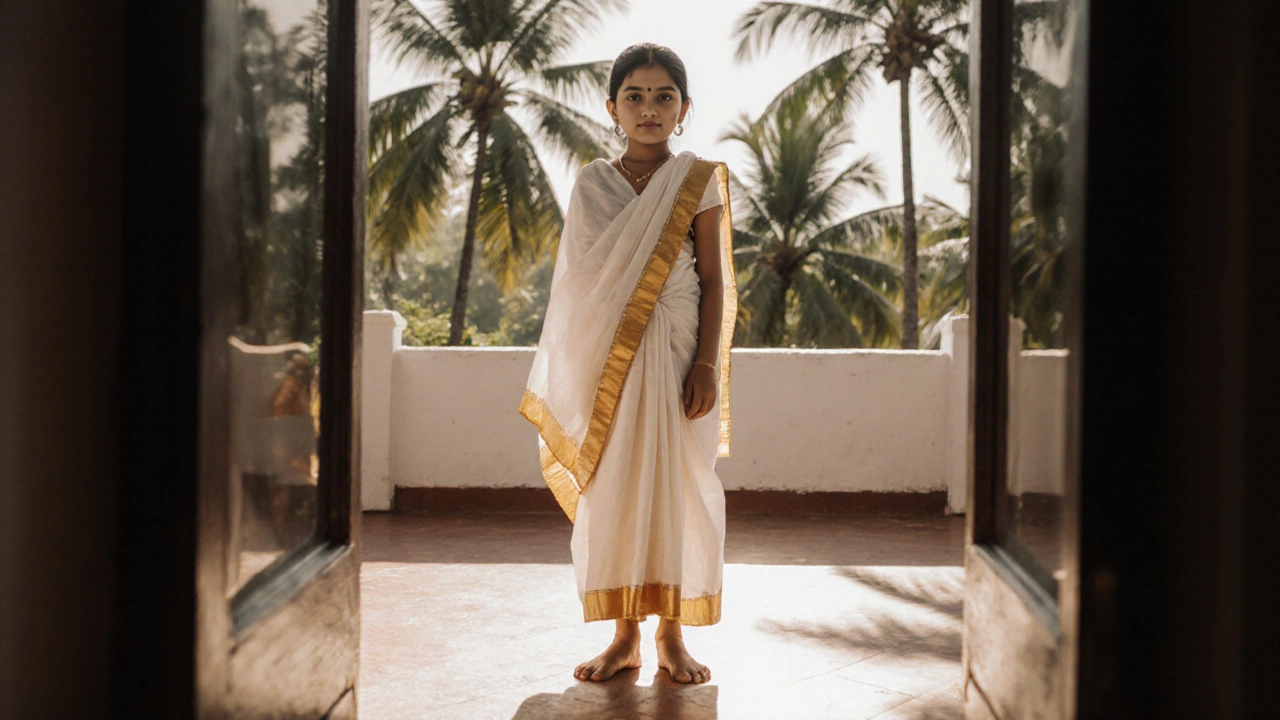
When you think of Indian ethnic wear, traditional clothing rooted in regional identity, craftsmanship, and centuries-old customs. Also known as traditional Indian clothing, it's not just fabric—it's a living archive of community, religion, and art. Every drape, stitch, and color tells a story. A woman in a Banarasi silk saree, a six-yard draped garment worn across India with regional variations in folding, pleating, and pallu styles isn’t just dressed—she’s carrying the weaving traditions of Varanasi. A man in a handwoven kurta, a loose, collarless tunic worn from Punjab to Tamil Nadu, often paired with pyjamas or dhoti isn’t just comfortable—he’s honoring a style that survived colonial shifts and still fits modern life.
What makes Indian ethnic wear different from global fashion is how deeply it’s tied to ritual and rhythm. The lehenga, a long skirt with a fitted blouse and dupatta, worn during weddings and festivals, especially in North and West India isn’t just a party outfit—it’s a symbol of transition, often passed down or custom-made for life’s big moments. In Tamil Nadu, the Kanjeevaram silk saree isn’t just expensive—it’s worn during temple visits, births, and funerals, its gold zari thread believed to carry blessings. In Gujarat, women wear the chaniya choli for Garba, its flared skirt spinning like a living mandala during Navratri. These aren’t trends. They’re traditions worn with pride, not just on special days but in daily life—even in cities like Bangalore or Delhi, where you’ll see young professionals wearing handloom cotton kurtas to the office.
Indian ethnic wear doesn’t ignore change—it absorbs it. Modern designers mix block prints with denim, embroider jeans with zardozi, and turn phiran into coats. But the soul stays the same: cloth as connection. Whether it’s the hand-spun khadi of Gandhi’s era or today’s sustainable linen sarees, the goal hasn’t changed—wear your culture, not just your style. Below, you’ll find real stories behind these outfits: why some communities avoid certain colors, how festival wear differs from wedding wear, and which regional styles are quietly making a global comeback.