Indian Cuisine: Food, Traditions, and Regional Flavors Explained
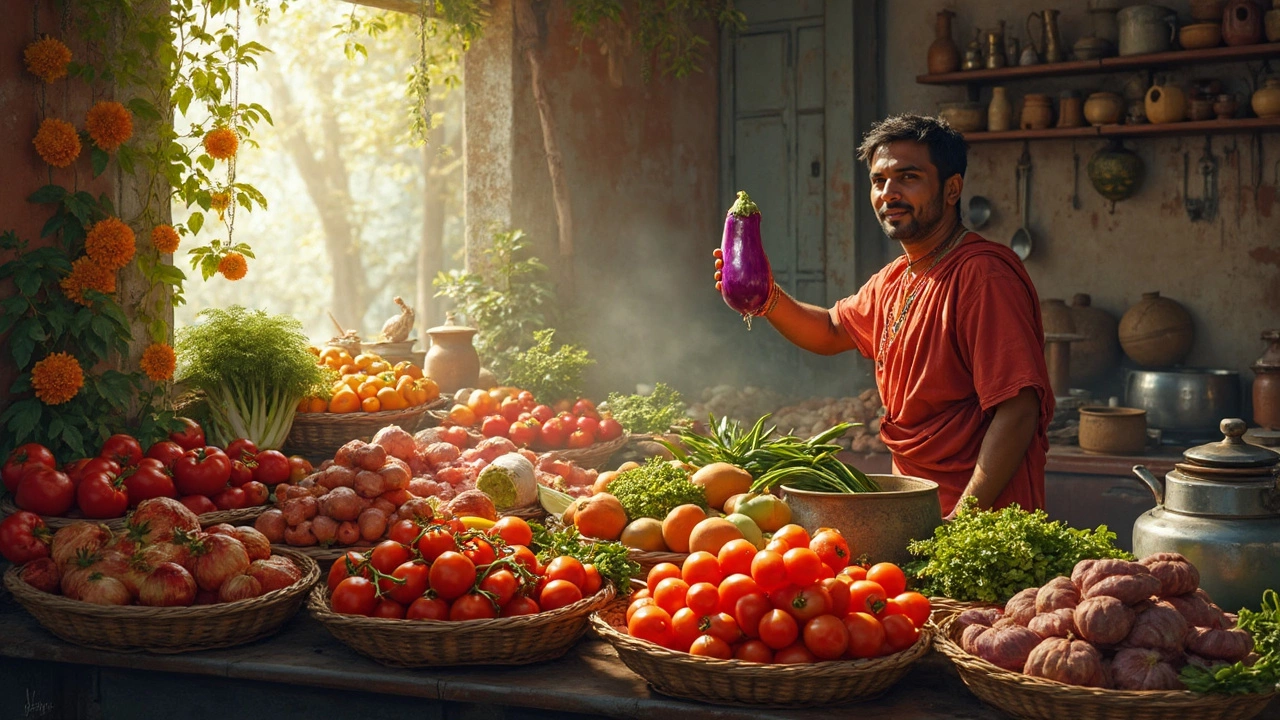
When you think of Indian cuisine, a vast, regionally diverse food system shaped by climate, religion, and centuries of trade. Also known as South Asian cuisine, it's not one single style—it's hundreds of distinct ways of cooking, eating, and celebrating food across a country as big as a continent. From the coconut-heavy curries of Tamil Nadu to the wheat-and-dairy-rich dishes of Punjab, what you eat depends on where you’re from, what you believe, and even what season it is.
Food in India isn’t just fuel—it’s ritual. Diwali sweets, like laddoos and jalebis, aren’t just treats; they symbolize prosperity and are offered in prayers and shared as blessings. Meanwhile, Indian food taboos, such as avoiding beef in Hindu communities or onion/garlic in some Jain diets, reflect deep spiritual and cultural boundaries. Even the way you eat matters—many still prefer hands over utensils, believing taste connects to touch. And then there’s Ayurveda diet, an ancient system that matches food to your body type, not just your hunger. It tells you to eat warm, cooked meals in winter, avoid cold drinks with meals, and never skip breakfast—not because it’s trendy, but because it’s been tested for thousands of years.
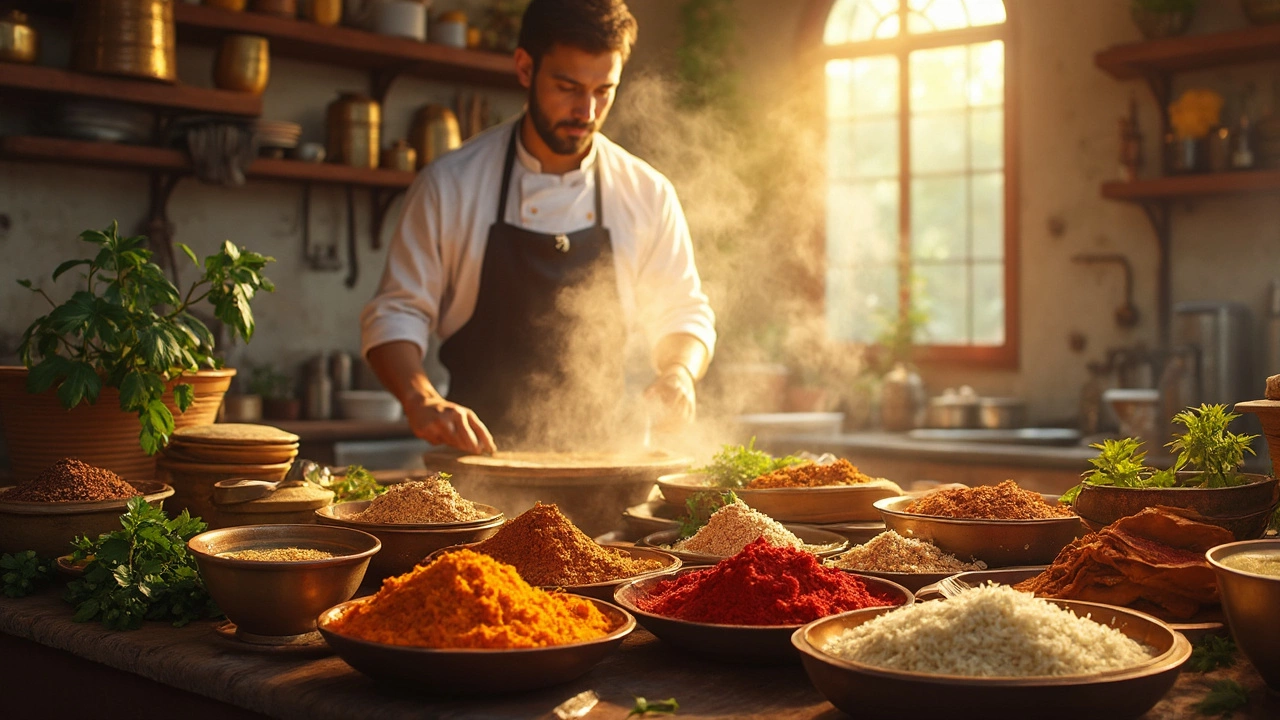
What you’ll find in these posts isn’t a list of recipes. It’s the stories behind the food: why Tamils celebrate Diwali differently than North Indians, how a simple spice like turmeric ties into both healing and ritual, and why some dishes are never served on certain days. You’ll learn what’s forbidden, what’s sacred, and what’s just plain delicious—and why it all matters. This isn’t about eating like an Indian. It’s about understanding why Indians eat the way they do.