Indian Clothing: Traditional Styles, Regional Variations, and Modern Trends
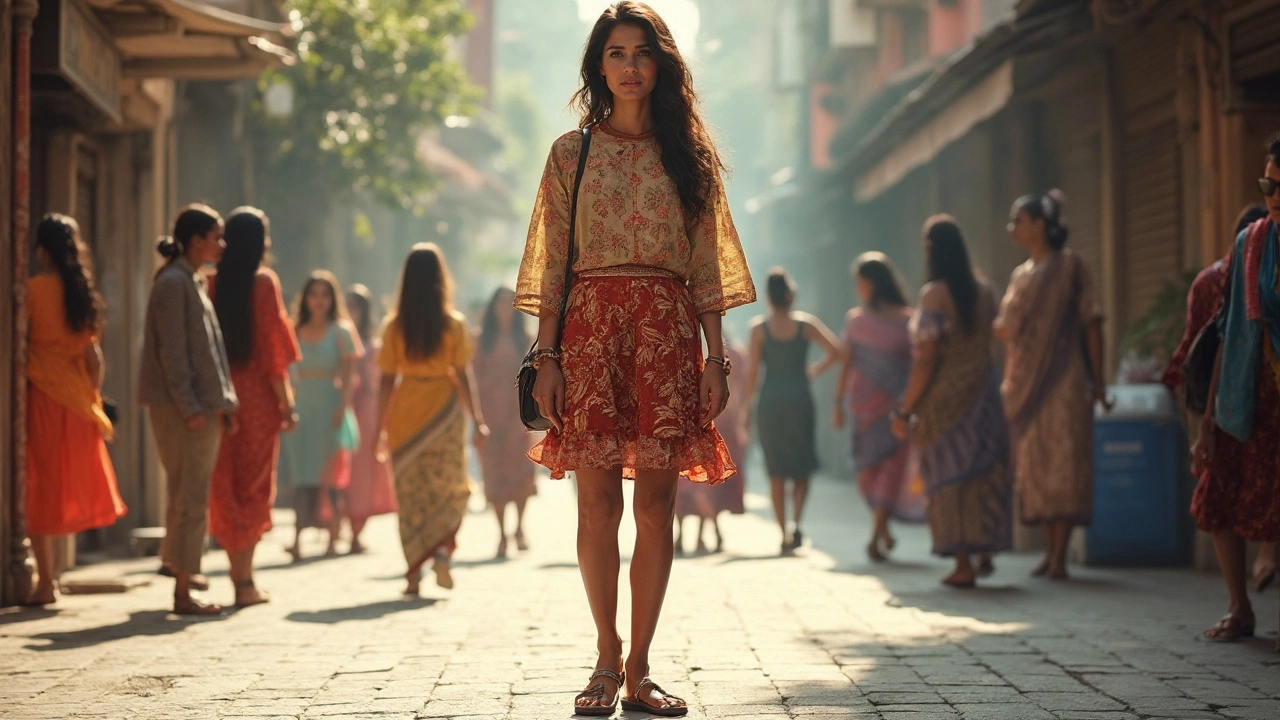
When you think of Indian clothing, the vibrant, handwoven textiles and region-specific garments that reflect centuries of craft, climate, and culture. Also known as traditional Indian attire, it’s not just fabric—it’s identity, ritual, and art worn daily. From the silk sarees of Tamil Nadu to the cotton dhotis of rural Punjab, Indian clothing tells a story before a word is spoken.
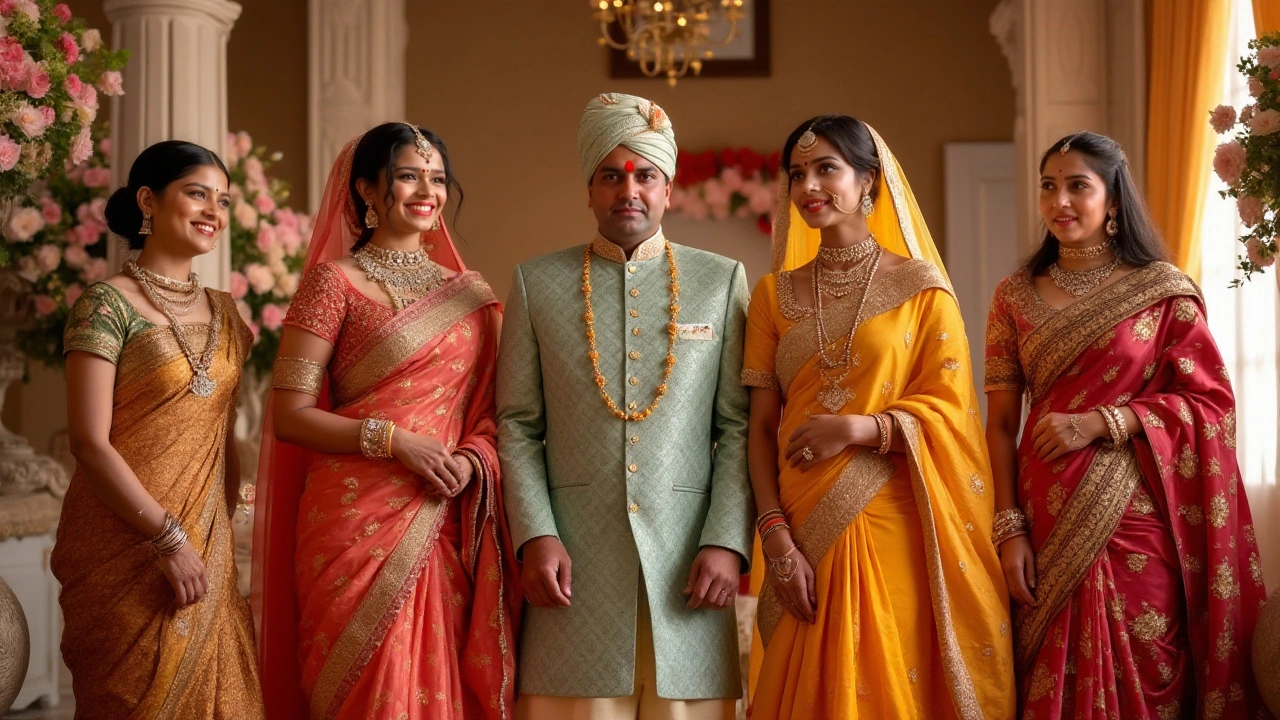
What makes Indian clothing so unique isn’t just the look—it’s the saree, a six-yard draped garment worn by women across India, with over 100 regional ways to fold and style it. In Bengal, it’s paired with a simple blouse and plain border; in Gujarat, it’s tied with a distinctive pleat and ornate pallu. Then there’s the dhoti, a wrapped lower garment for men, often worn with a kurta, common in villages and temples from Kerala to Uttar Pradesh. It’s not old-fashioned—it’s practical, breathable, and deeply tied to religious rituals. And let’s not forget the kurta, a loose tunic that’s evolved from village wear to global fashion, worn by men and women alike with jeans, palazzos, or even over leggings.
Indian clothing isn’t stuck in the past. It’s changing—with designers blending block prints with streetwear, weavers using digital looms, and young people mixing turbans with sneakers. But the core stays the same: cloth is never just cloth. It’s woven with meaning. The color red in a bride’s lehenga isn’t just bold—it’s luck. The white dhoti in a temple isn’t plain—it’s purity. The handloom cotton in a Tamil farmer’s shirt isn’t cheap—it’s heritage.
Below, you’ll find real stories from people who wear these clothes every day. You’ll learn why some Tamil families still weave their own silk, how a simple pair of Indian shorts became a cultural debate, and why Diwali means new clothes for millions. Whether you’re curious about what people wear to festivals, weddings, or just to the market, this collection shows you the truth behind the thread.