India Traditional Crafts: Discover Handmade Artistry Across Regions
When you think of India traditional crafts, handmade objects created using age-old techniques passed down through generations, often tied to specific regions and communities. Also known as Indian handicrafts, these creations aren’t just decorative—they’re living history, shaped by local materials, rituals, and skill. From the intricate zardozi embroidery of Lucknow to the terracotta pots of West Bengal, each piece carries the fingerprint of its maker and the soul of its place.
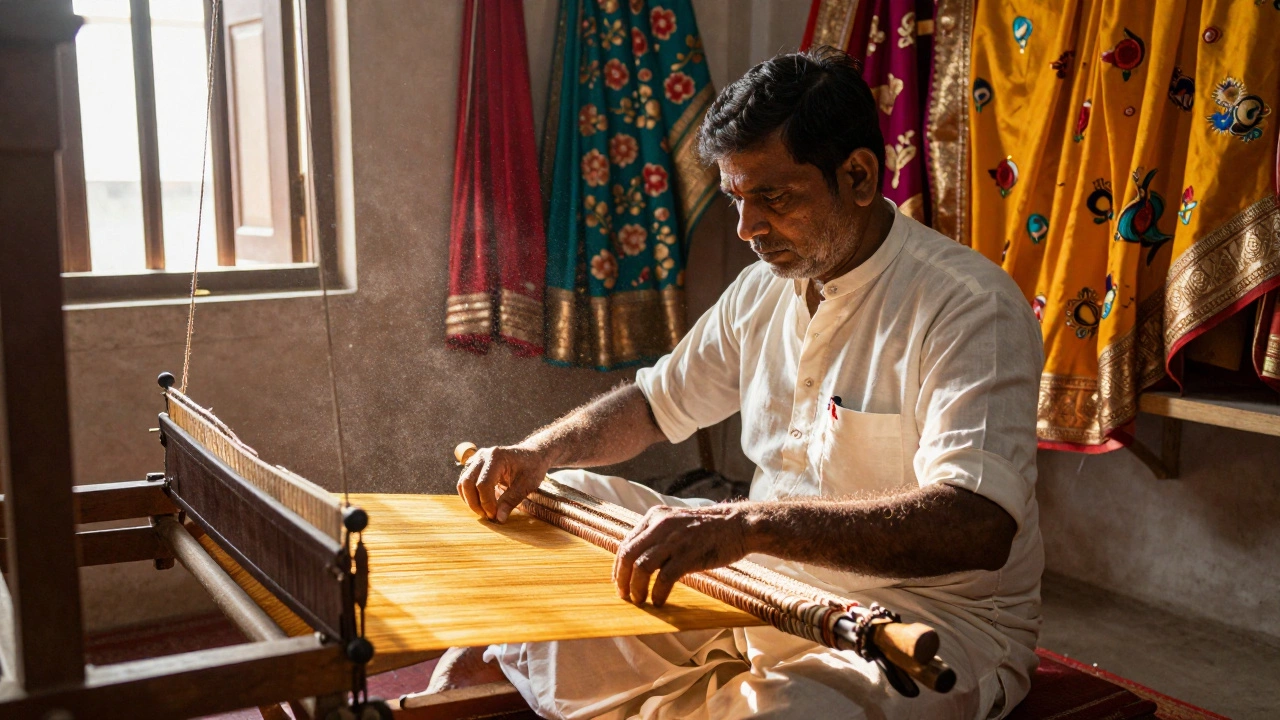
These crafts aren’t random decorations—they’re tied to deeper cultural systems. Handloom textiles, fabrics woven on manual looms using natural dyes and regional patterns. Also known as Indian handwoven fabrics, they include Banarasi silks, Kanchipuram sarees, and Chanderi cottons—each with distinct weaves that tell you where they came from. Then there’s folk art India, visual expressions like Warli paintings, Madhubani murals, and Pattachitra scrolls that use symbolic imagery to tell stories of gods, nature, and daily life. Also known as Indian tribal art, these styles aren’t taught in schools—they’re learned by watching, helping, and doing, often from grandmothers and aunts. Even the tools matter: brass lamps from Tamil Nadu, bamboo baskets from Assam, wooden toys from Karnataka—all made with methods unchanged for hundreds of years.
What makes these crafts so powerful isn’t just their beauty—it’s their resilience. In a world of mass production, these handmade items survive because communities refuse to let them vanish. They’re part of weddings, festivals, home rituals, and even daily meals. You’ll find them in the India traditional crafts that grace temple entrances, the embroidered dupattas worn during harvests, the clay idols lit up during Diwali. These aren’t souvenirs—they’re sacred objects made with care.
Some of these crafts are fading. Others are being revived. And some—like the block-printed fabrics of Rajasthan or the silver filigree of Cuttack—are thriving because people still choose them over machine-made alternatives. What you’ll find in the posts below is a real look at these traditions: how they’re made, who makes them, why they matter, and how they connect to bigger ideas like identity, sustainability, and memory. No fluff. No generic lists. Just clear, grounded stories from the ground up.