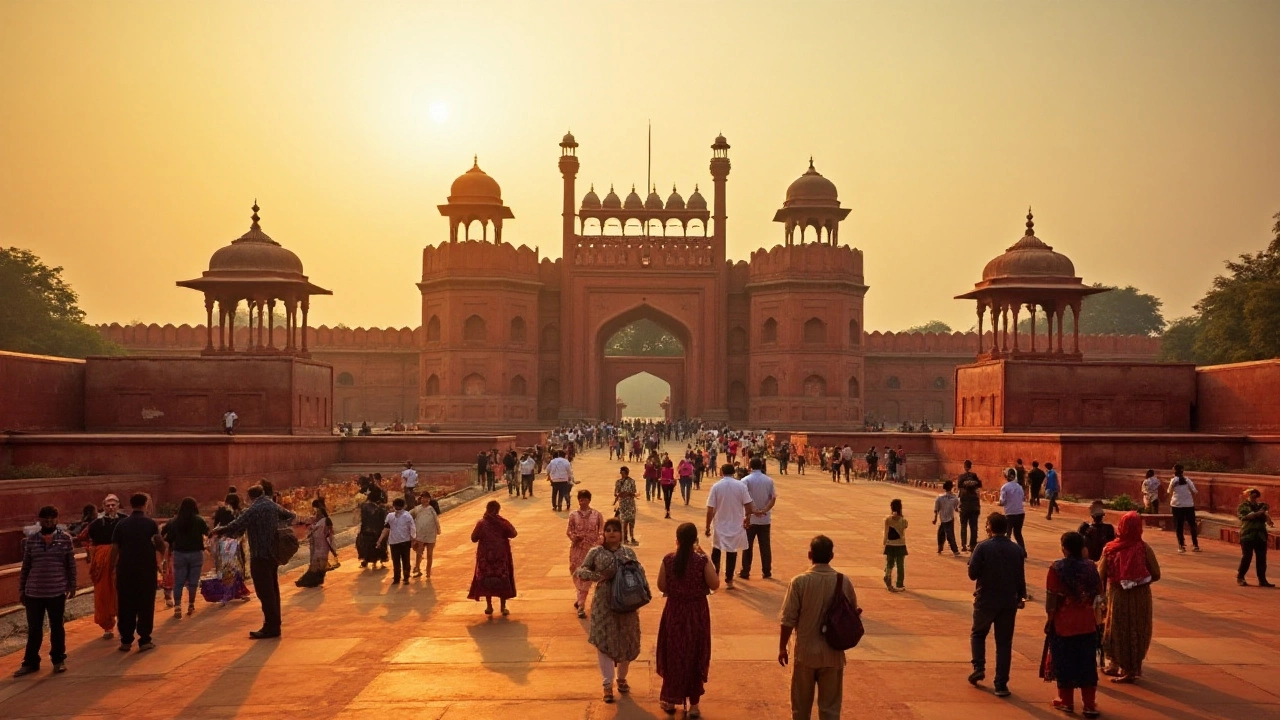
Historical Sites in Tamil Culture: Ancient Temples, Ruins, and Heritage Places
When you think of historical sites, physical places tied to past civilizations, empires, or spiritual traditions. Also known as heritage landmarks, these are more than just old stones—they’re living records of how people lived, worshipped, and built their world. In Tamil Nadu, these sites aren’t just relics. They’re the backbone of a culture that’s been shaping art, language, and identity for over two thousand years. From towering temple gopurams to crumbling Chola-era palaces, the region holds some of India’s most intact and spiritually charged historical sites.
These places don’t exist in isolation. They connect to Tamil Nadu temples, massive stone structures built as centers of worship, learning, and community life during the Chola, Pallava, and Pandya dynasties. The Brihadeeswarar Temple in Thanjavur, a UNESCO World Heritage Site, isn’t just a building—it’s a masterpiece of engineering and devotion, carved with precision and designed to echo with chants even today. Then there’s ancient Indian monuments, structures that reflect the political, religious, and artistic ambitions of early South Indian kingdoms. Places like Mahabalipuram’s shore temples, carved directly from the rock face by the sea, show how nature and spirituality merged in design. These aren’t just tourist spots. They’re where rituals still happen, where elders tell stories, and where children learn their first prayers.
What makes these sites different from others in India? It’s the continuity. While northern sites often bear the marks of invasions and rebuilding, Tamil historical sites have been maintained, reused, and revered without interruption. You won’t find empty ruins here—you’ll find active shrines, daily pujas, and temple festivals that haven’t changed in centuries. Even the language carved into the walls—Tamil—is still spoken by millions. This isn’t history preserved in glass cases. It’s history breathing, eating, and singing.
And it’s not just about temples. The ruins of Kaveripoompattinam, once a bustling port city, or the cave inscriptions at Aravattukulam, hold clues to trade, governance, and daily life. These are places where you can still trace the footsteps of merchants, poets, and kings. You don’t need a degree to feel it—you just need to stand there, quiet, and let the stones speak.
Below, you’ll find articles that dig into the stories behind these places—why certain gods were carved in blue, how festivals still echo in temple courtyards, and what the ancient Tamil people believed about time, space, and the divine. Whether you’re planning a trip or just curious, these posts will help you see beyond the postcards and into the soul of Tamil heritage.