Bengali Festivals: Celebrations, Traditions, and Cultural Roots
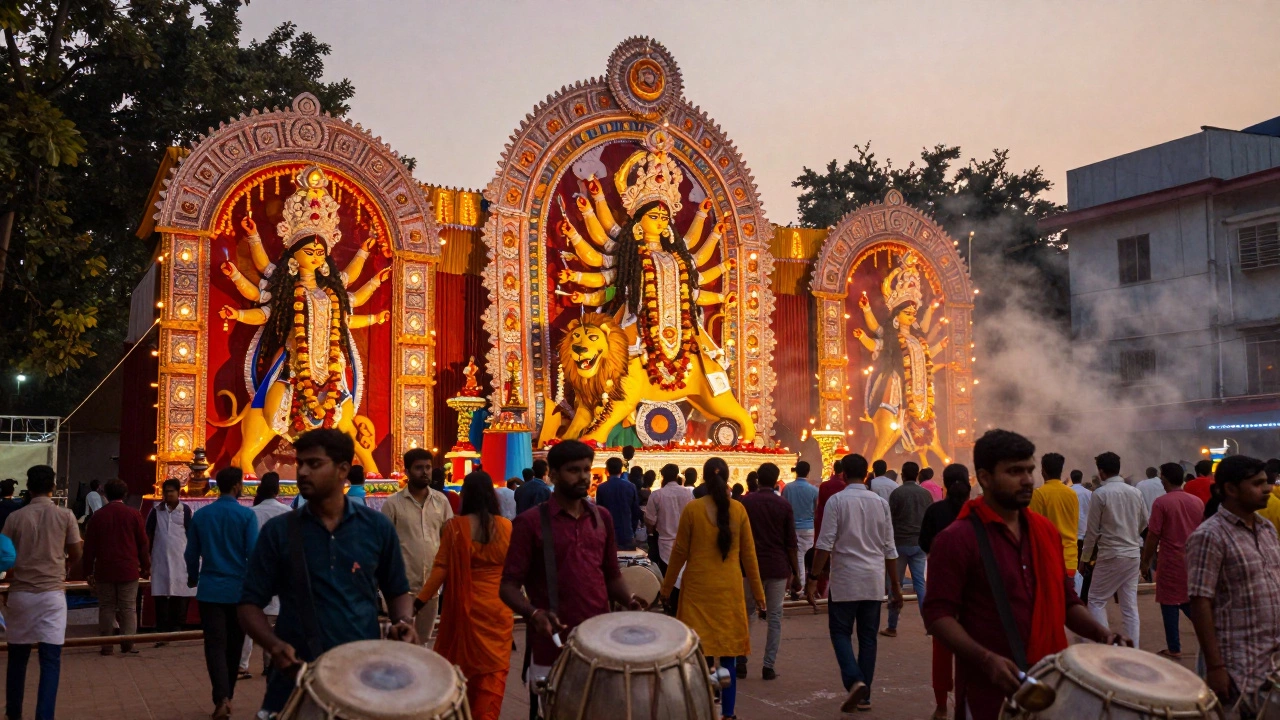
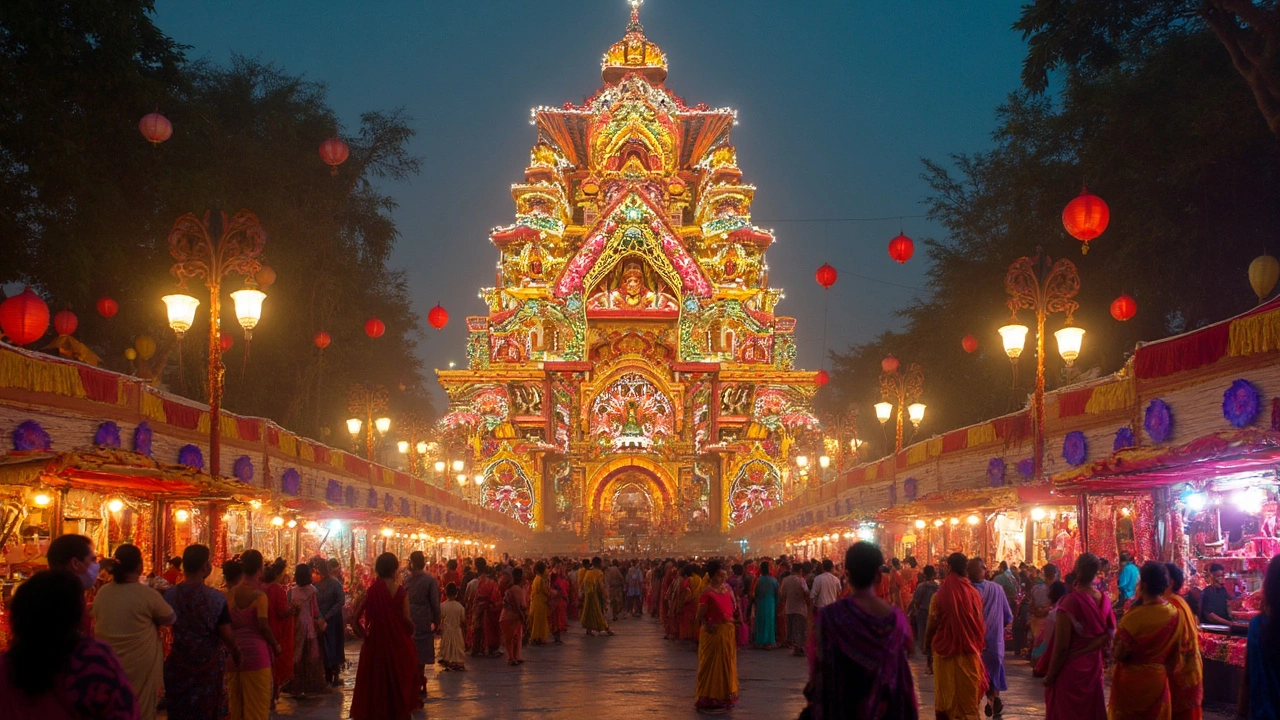
When you think of Bengali festivals, vibrant, community-driven celebrations rooted in religion, season, and history, primarily observed in West Bengal and Bangladesh. Also known as Bengal cultural events, these festivals shape the rhythm of life for over 250 million people across South Asia. They’re not just dates on a calendar—they’re full sensory experiences: the smell of incense and jute, the sound of dhak drums echoing through streets, the sight of towering clay idols glowing under lantern light.
At the heart of it all is Durga Puja, the annual worship of the goddess Durga, marking the victory of good over evil, celebrated with elaborate pandals, family gatherings, and feasts. This is the biggest Bengali festival of the year, drawing millions to open-air temples made of bamboo and cloth, where art, music, and devotion blend seamlessly. Then there’s Poila Boishakh, the Bengali New Year, falling in mid-April, when people wear new clothes, eat sweet rice, and visit temples to start the year with blessings. It’s the day the agricultural calendar turns, and families gather to share stories of the past year and hopes for the next. These aren’t isolated events—they’re part of a chain. Saraswati Puja follows, honoring knowledge with books laid at the feet of the goddess. Kali Puja brings dark nights lit by oil lamps, while Jain festivals like Poush Parbon show how faiths coexist in Bengal’s rich tapestry.
What makes Bengali festivals stand out isn’t just their scale—it’s how deeply they’re woven into daily life. A child learns rhythm by clapping along to dhak drums before they learn their ABCs. A grandmother teaches the recipe for rosogolla not from a book, but by handing out sweets during Durga Puja. These festivals don’t just honor gods—they honor community, memory, and continuity.
You’ll find posts here that break down what happens during each major celebration, from the rituals of idol immersion to the food that defines the season. You’ll learn why Durga Puja isn’t just a religious event but a cultural powerhouse, how Poila Boishakh connects Bengalis across borders, and what makes these traditions so resilient—even in the modern world. Whether you’re planning to attend one, curious about your roots, or just want to understand what makes Bengal pulse the way it does, this collection gives you the real, unfiltered view.
Durga Puja stands as the most celebrated festival among Bengalis, blending vivid traditions, community joy, and artistic expression. This article unpacks the history, rituals, and dramatic impact Durga Puja has on West Bengal and Bengali communities around the world. You'll discover tips for enjoying the festival, its significance, and surprising facts that make Durga Puja more than just a religious event. Dive deep into the spirit, spectacle, and stories that turn late September and early October into an unforgettable cultural saga. Relatable, eye-opening, and packed with real-life details, it brings to life everything you ever wondered about Bengal's most cherished festival.