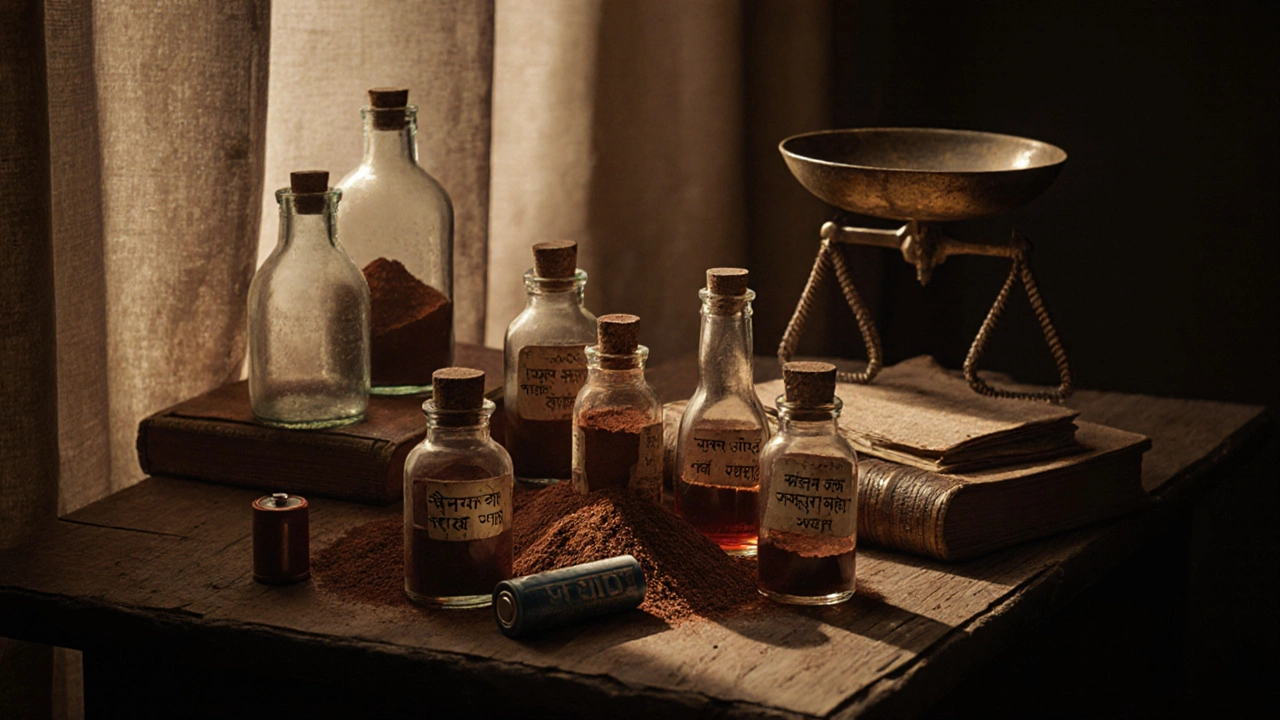
What Are the Risks of Ayurveda? Common Dangers and What You Need to Know
Ayurveda offers natural wellness, but hidden risks like heavy metals, herb-drug interactions, and unregulated products can be dangerous. Know the facts before you try it.
When you think of Ayurveda, an ancient Indian system of medicine focused on balance, diet, and natural healing. Also known as traditional Indian medicine, it has helped millions manage everything from digestion to stress for thousands of years. But behind its herbal teas and oil massages, there’s a hidden problem: some Ayurvedic products contain dangerous levels of heavy metals, toxic elements like lead, mercury, and arsenic that can build up in the body and cause serious harm. This isn’t a myth—it’s a documented risk backed by studies from the CDC and WHO. And it’s not just about fake products. Even trusted brands, sold in India and abroad, have tested positive.
Why does this happen? Some traditional formulas intentionally include mineral-based ingredients like bhasmas—ashes made from metals that are supposed to be purified through ritual processing. But in practice, purification isn’t always done right. Others come from contaminated soil, water, or improper storage. The result? People taking Ayurvedic supplements for arthritis, anxiety, or immunity might unknowingly be poisoning themselves. Children and pregnant women are especially at risk. And because these products are often sold as "natural" or "herbal," many assume they’re safe. They’re not.
So what can you do? First, don’t panic. Many Ayurvedic remedies are perfectly safe when made correctly. Look for brands that test for heavy metals and publish lab results. Ask for certificates of analysis. Avoid anything that promises quick fixes for chronic conditions. And if you’re using Ayurveda alongside Western medicine, tell your doctor—some herbs interact with prescriptions, and heavy metals can mess with lab results. There’s also a growing movement toward cleaner, science-backed Ayurveda. Practitioners are now using standardized herbs, avoiding metal-based compounds, and focusing on diet and lifestyle instead.
Below, you’ll find real articles that dig into this issue—some expose unsafe practices, others offer safer alternatives, and a few explain how ancient texts actually warned against improper use of metals. Whether you’re a long-time user of Ayurveda, a curious newcomer, or just someone worried about what’s in your supplements, these posts will help you separate truth from tradition—and make smarter choices for your health.
Ayurveda offers natural wellness, but hidden risks like heavy metals, herb-drug interactions, and unregulated products can be dangerous. Know the facts before you try it.