Art and Architecture in Tamil Culture: Traditions, Symbols, and Sacred Spaces
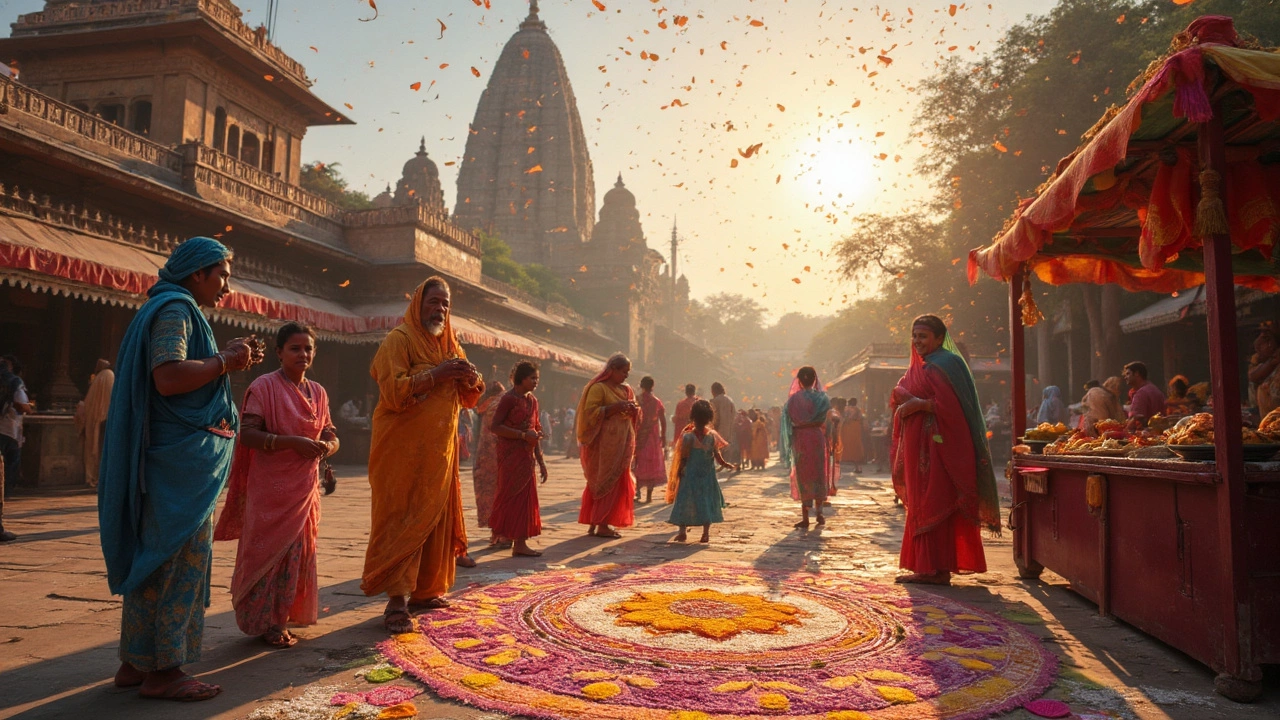
When you think of art and architecture, the visual and structural expressions of a culture’s beliefs, values, and daily life. Also known as Tamil visual heritage, it’s not just about what looks beautiful—it’s about what holds meaning. In Tamil Nadu, art and architecture aren’t separate from religion or community; they’re woven into every ritual, festival, and street corner. From the towering temple architecture, the monumental stone structures built to honor deities with intricate carvings, towering gopurams, and sacred courtyards of Madurai’s Meenakshi Temple to the colorful floor paintings of Kolam, every form carries a story older than written history.
This isn’t just about ancient ruins. Tamil folk art, the handcrafted, community-based visual expressions passed down through generations, often tied to festivals, storytelling, and daily rituals thrives today in Karakattam dancers’ costumes, the rhythmic patterns of Poo Kolam, and the painted masks used in Theru Koothu performances. These aren’t museum pieces—they’re alive, made by mothers, farmers, and artisans who still use them to mark seasons, celebrate harvests, and connect with ancestors. The blue skin of deities in temple murals? That’s not decoration—it’s symbolism rooted in ancient texts, linking divinity to the infinite sky and ocean. And the way temple walls tell epic stories through stone? That’s how history was taught before books.
What makes Tamil art and architecture unique isn’t just its age—it’s how it refuses to stay frozen. Even modern homes in rural Tamil Nadu still include small shrines with the same design as 1,000-year-old ones. Street artists now use digital tools to recreate Kolam patterns, while architects blend traditional ventilation systems into new buildings to fight heat. You won’t find this kind of living continuity in many places. Whether it’s the way a temple’s shadow moves with the sun or how a folk dancer’s bell rhythm matches the chant of priests inside, every detail is connected. The art doesn’t sit on a wall. It breathes.
What you’ll find below is a collection of posts that peel back the layers of this living tradition. You’ll learn why gods are painted blue, how dance and sculpture speak the same language, and why a simple rice flour design on the ground can carry the weight of centuries. These aren’t just articles—they’re invitations to see Tamil culture not as a relic, but as something still being made, every day, by real people.