Tamil Culture: Festivals, Food, Folklore, and Traditions of Tamil Nadu
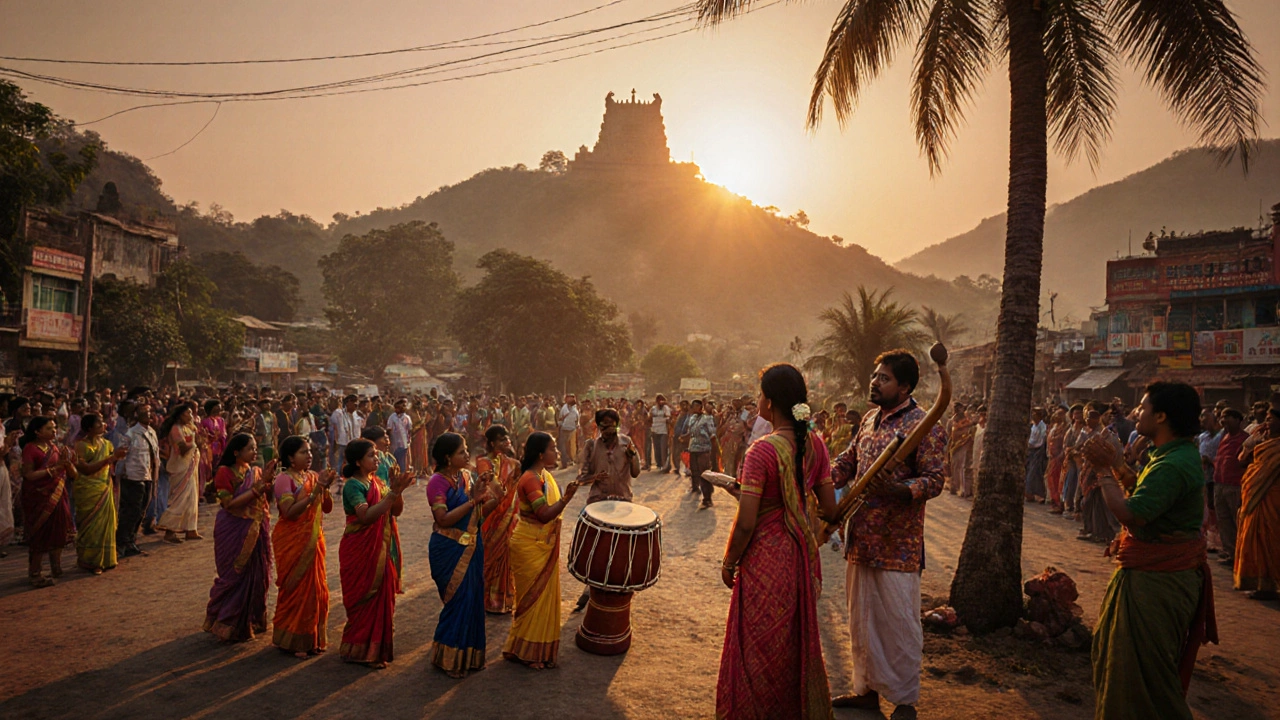
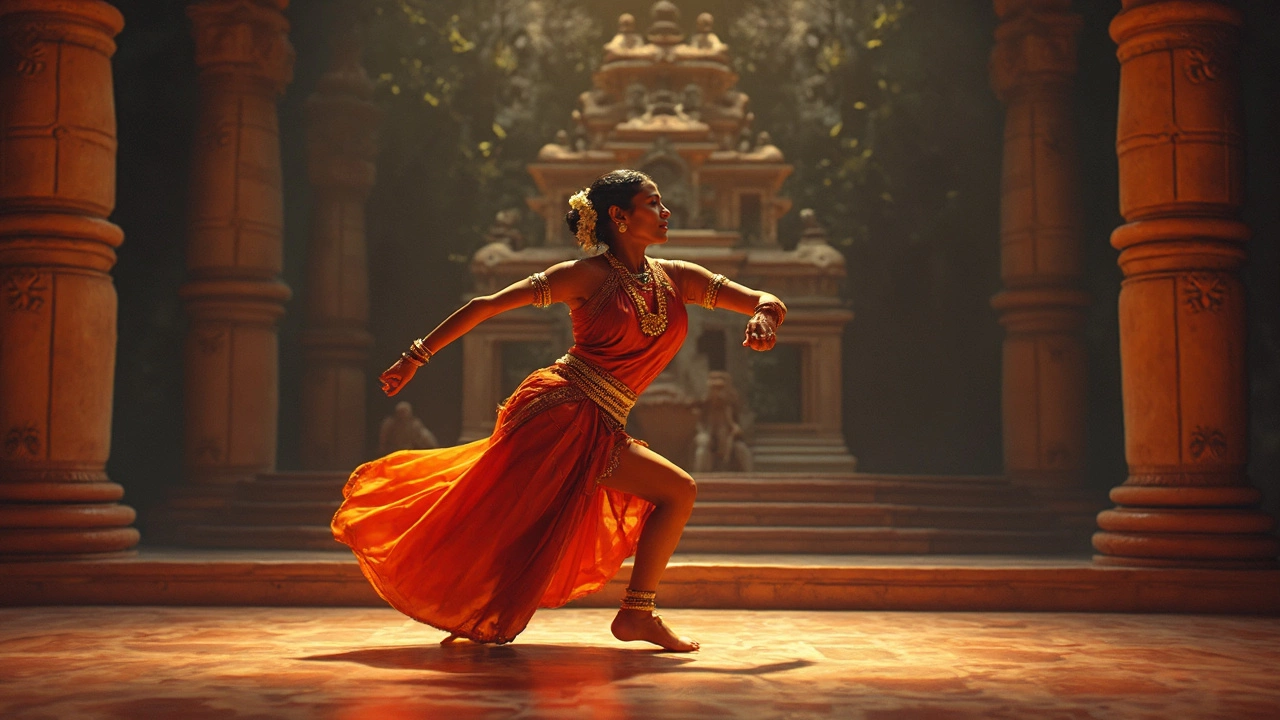
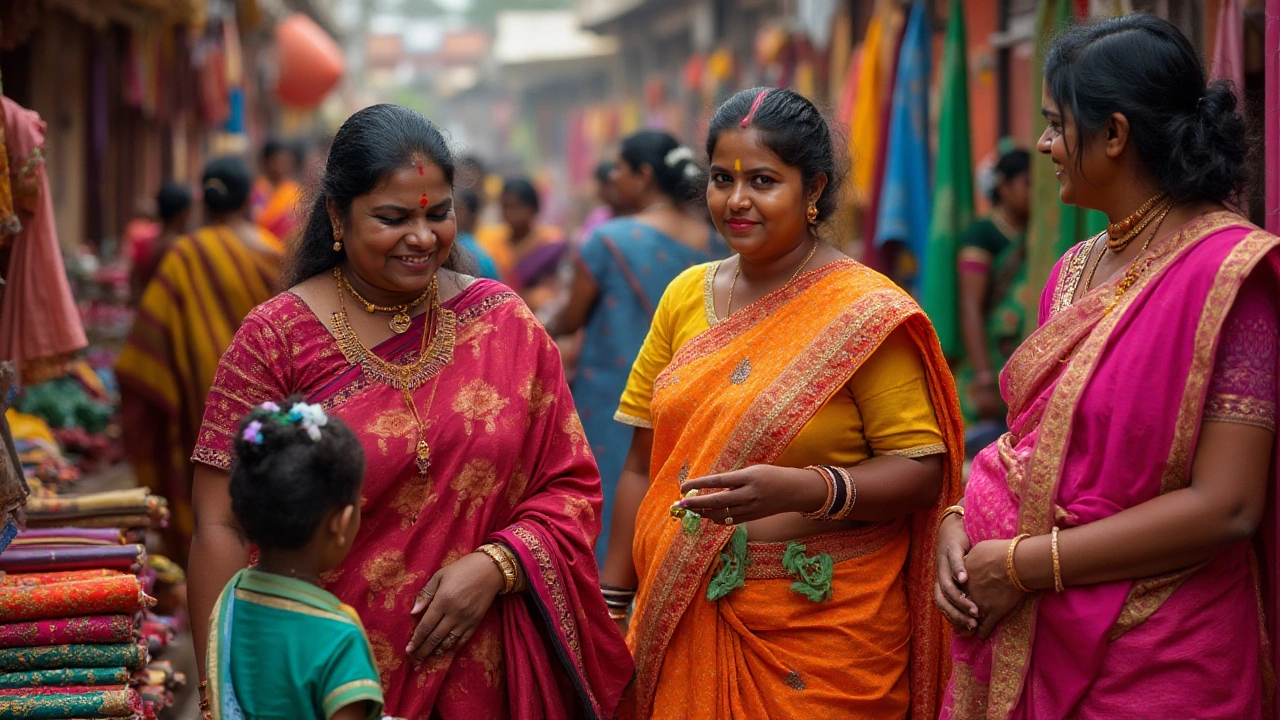
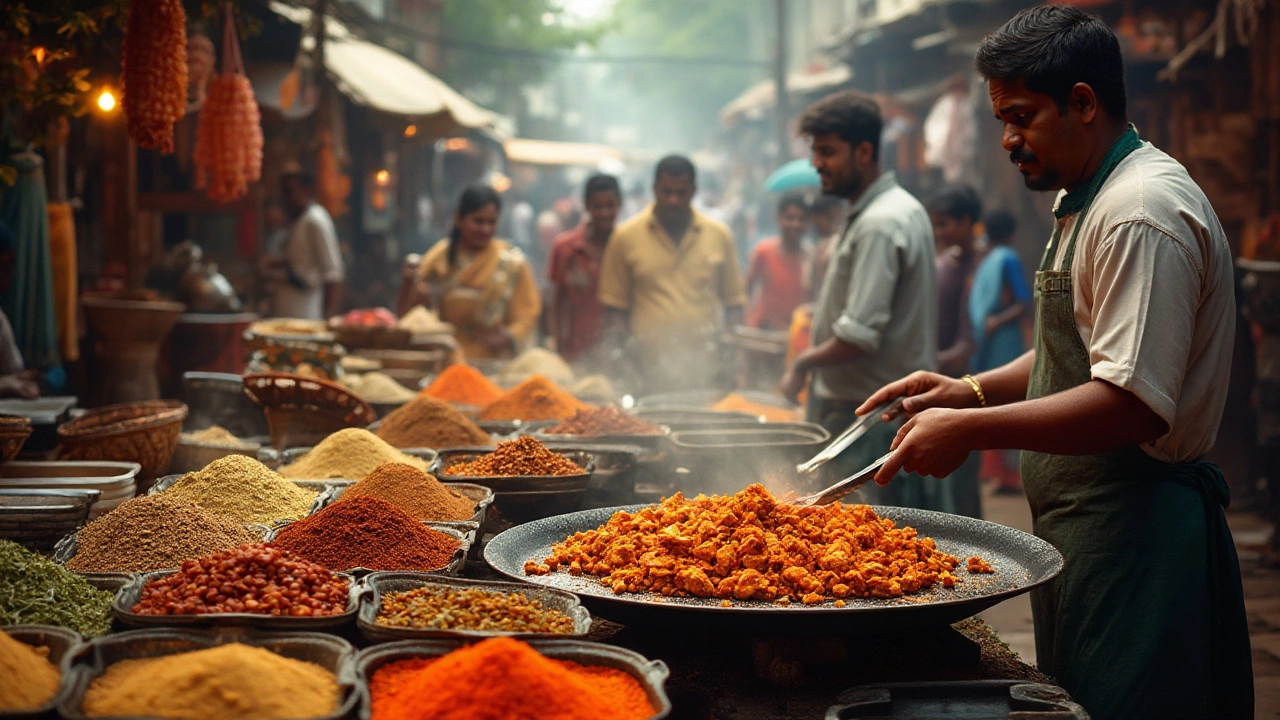
When you think of Tamil culture, the living, breathing traditions of the Tamil people in southern India, rooted in language, faith, and centuries-old customs. Also known as Tamil heritage, it’s not just history—it’s daily life, from morning prayers at village temples to the smell of turmeric and coconut in a home-cooked meal. This isn’t a museum exhibit. It’s a culture that still sings in Tamil folklore, the oral and performative traditions like Karakattam dances and Theru Koothu street plays that keep ancient myths alive, that still wears traditional Tamil attire, vibrant silk sarees with gold borders, passed down through generations and worn during festivals, weddings, and temple visits, and that still eats Tamil cuisine, a bold, spice-driven food culture built on rice, lentils, coconut, and chilies, where every dish tells a story of region and season.
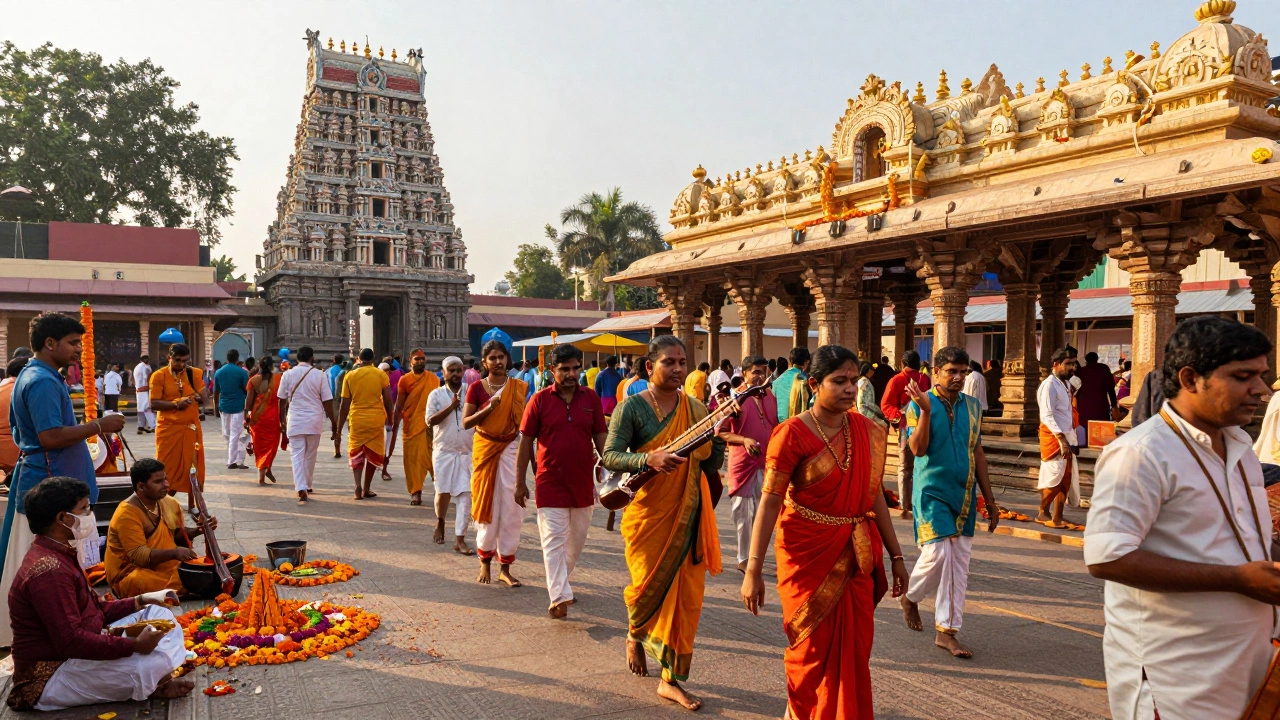
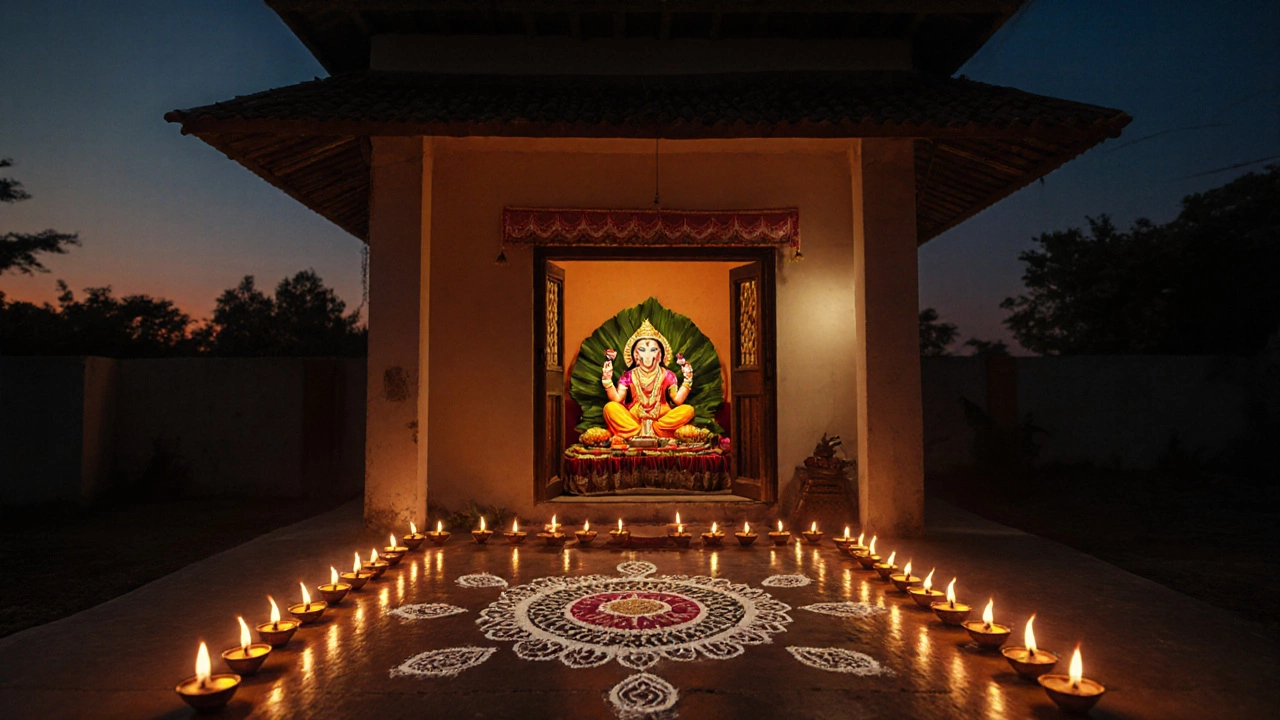
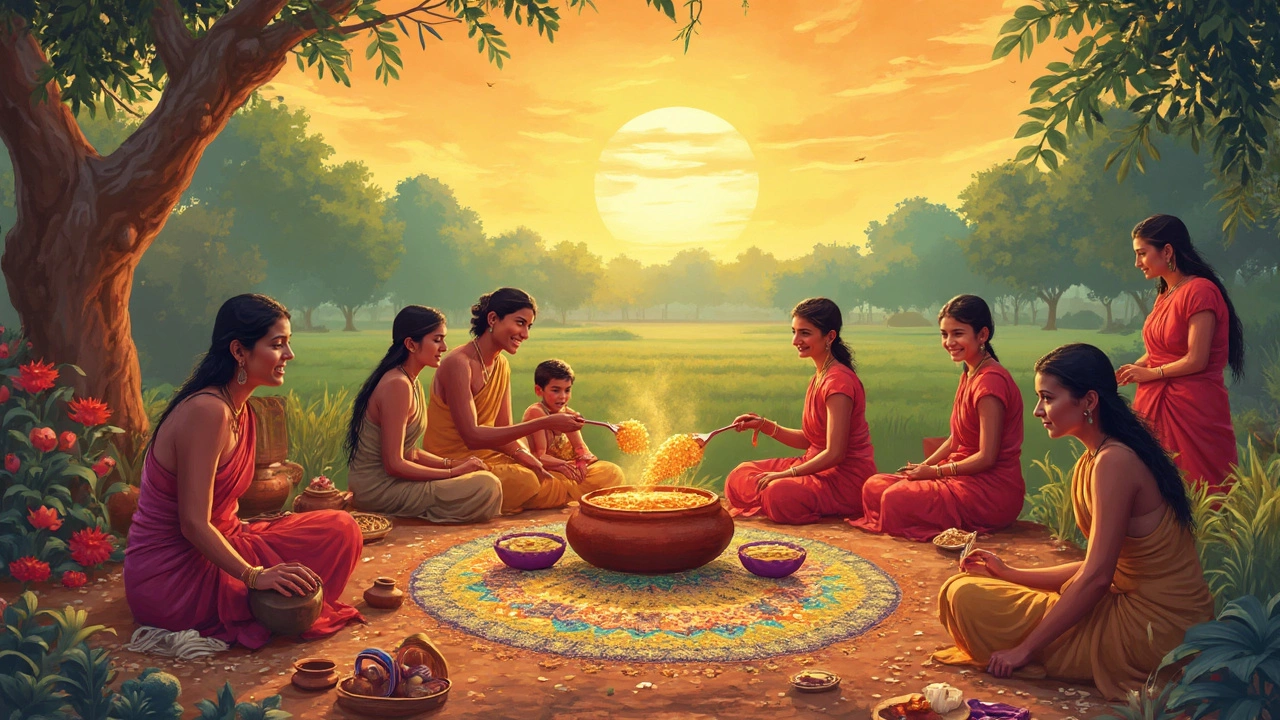
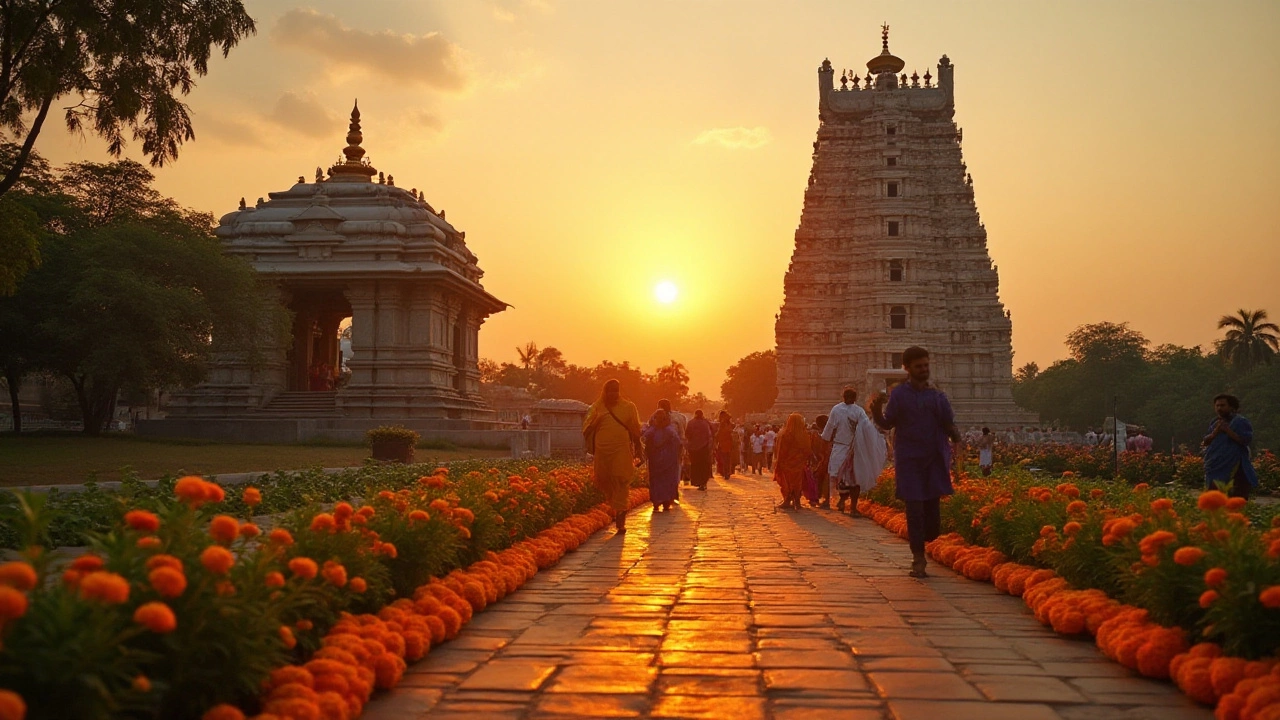
Tamil culture doesn’t just celebrate holidays—it redefines them. Take Pongal, the harvest festival that turns homes into colorful kolam-filled spaces, where families cook sweet rice in clay pots as an offering to the sun. Or Diwali, which in Tamil Nadu blends with Karthigai Deepam, a festival of lights where oil lamps are lit on rooftops and temple towers, not just to honor gods, but to drive away darkness—literal and spiritual. These aren’t just events. They’re rituals that tie families to land, to ancestors, to the rhythm of the seasons. And behind every ritual is a deeper layer: the religious heritage of Tamil Nadu, home to some of India’s oldest and most elaborate temples, where architecture, music, and devotion merge in ways you won’t find anywhere else. The temples aren’t just buildings—they’re cultural engines, hosting daily rituals, classical dance performances, and festivals that draw millions.
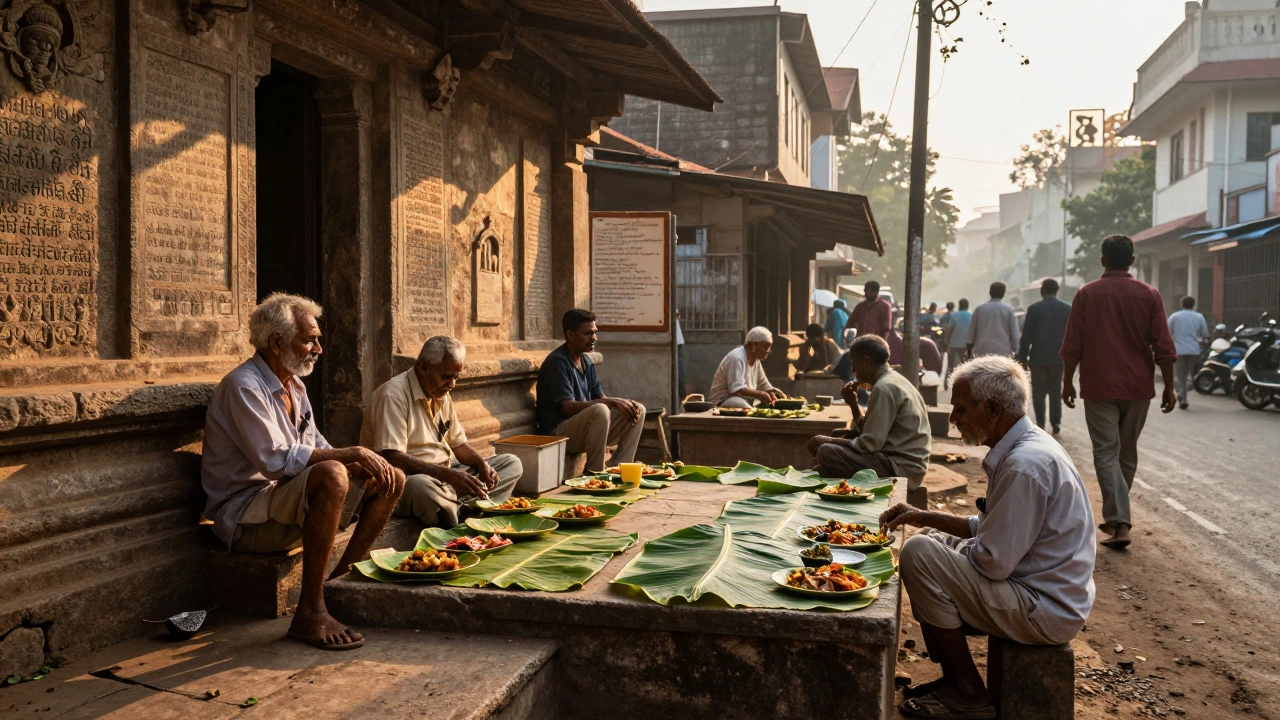
What makes Tamil culture stand out isn’t just its age, but its resilience. It holds onto its language when others fade. It keeps folk dances alive even in cities. It feeds its people with recipes unchanged for 200 years. You’ll find this spirit in the way women wear their sarees with a specific drape, in the way children learn folk songs before they learn nursery rhymes, in the way a simple bowl of sambar isn’t just food—it’s comfort, identity, memory. This collection of articles dives into all of it: the dances that tell stories without words, the dishes that warm the soul, the festivals that turn streets into celebrations, and the quiet traditions that hold communities together. What you’ll read here isn’t theory. It’s real life, lived in Tamil Nadu, and carried by Tamils everywhere.